# Article
The door swings open onto a scene that repeats every morning along Dyckman Street: trays of fresh pasteles de guayaba cooling on wire racks, the hiss of the espresso machine cutting through salsa on the radio, a grandmother ordering in Spanish while her grandson answers the barista in English. This is the rhythm at the northern edge of Manhattan, where Inwood's Dominican community has turned a modest café into something closer to a living room with a liquor license and a pastry case that runs half the length of the counter.
The Corner Where the Neighborhood Gathers
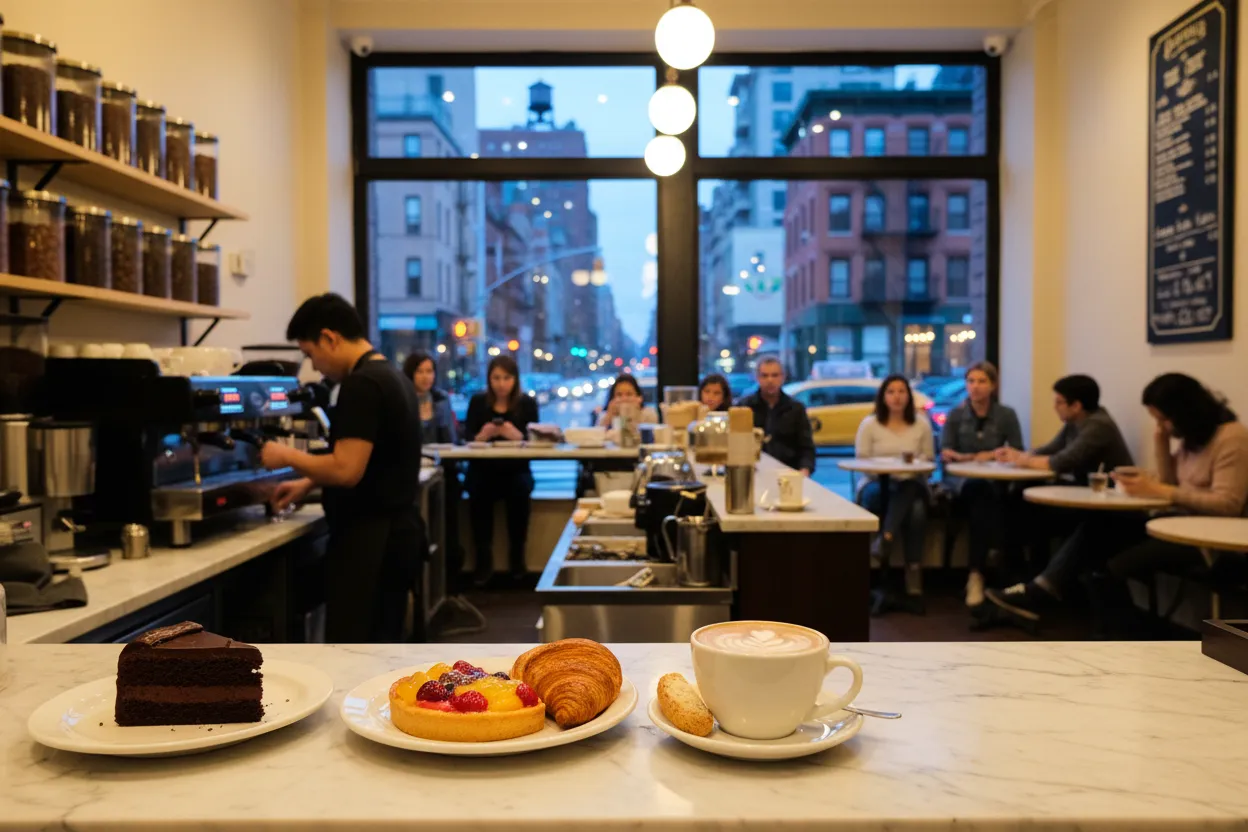
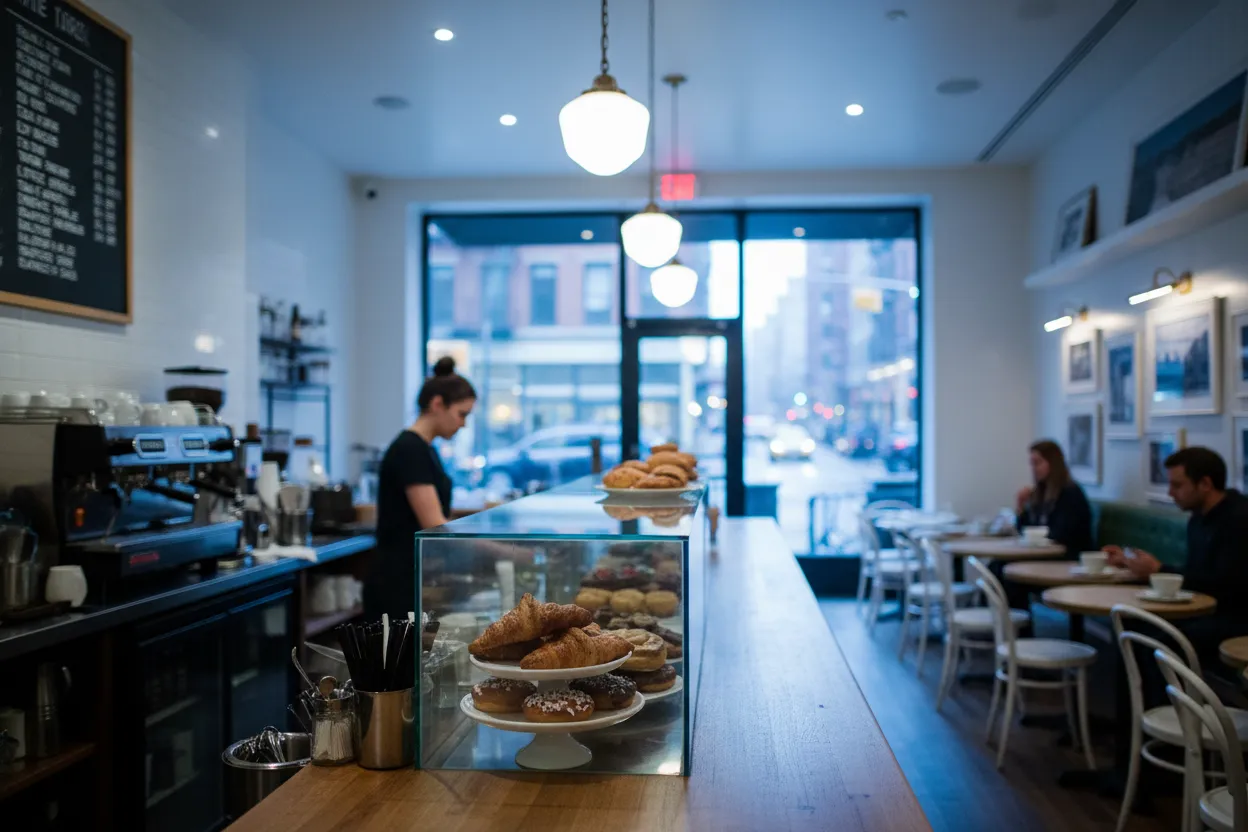
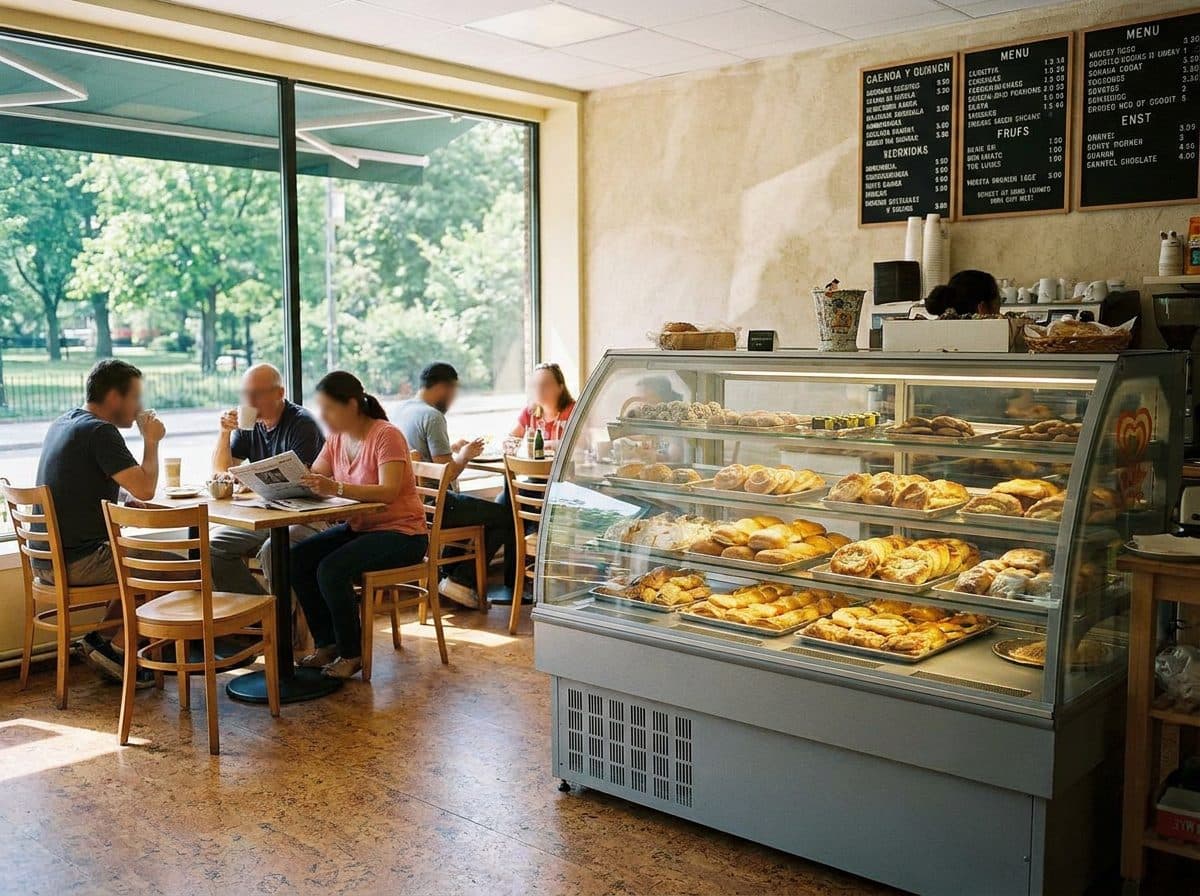
The café occupies a narrow storefront wedged between a botanica and a barber shop, the kind of address that doesn't announce itself with signage beyond a hand-painted name and a Bustelo flag in the window. Inside, the space runs deep and dim, fluorescent strips overhead doing little against the morning glare that floods through the front glass. Regulars claim the stools at the counter before eight, nursing café con leche in foam cups while the staff moves through orders in a fluid code-switch—taking Spanish from the line, calling English to the kitchen, laughing in both. The pastry case sits at eye level just inside the door, a deliberate checkpoint: no one gets past without at least considering the quesitos still warm from the oven or the tres leches cake sweating under plastic wrap.
What the Glass Case Reveals
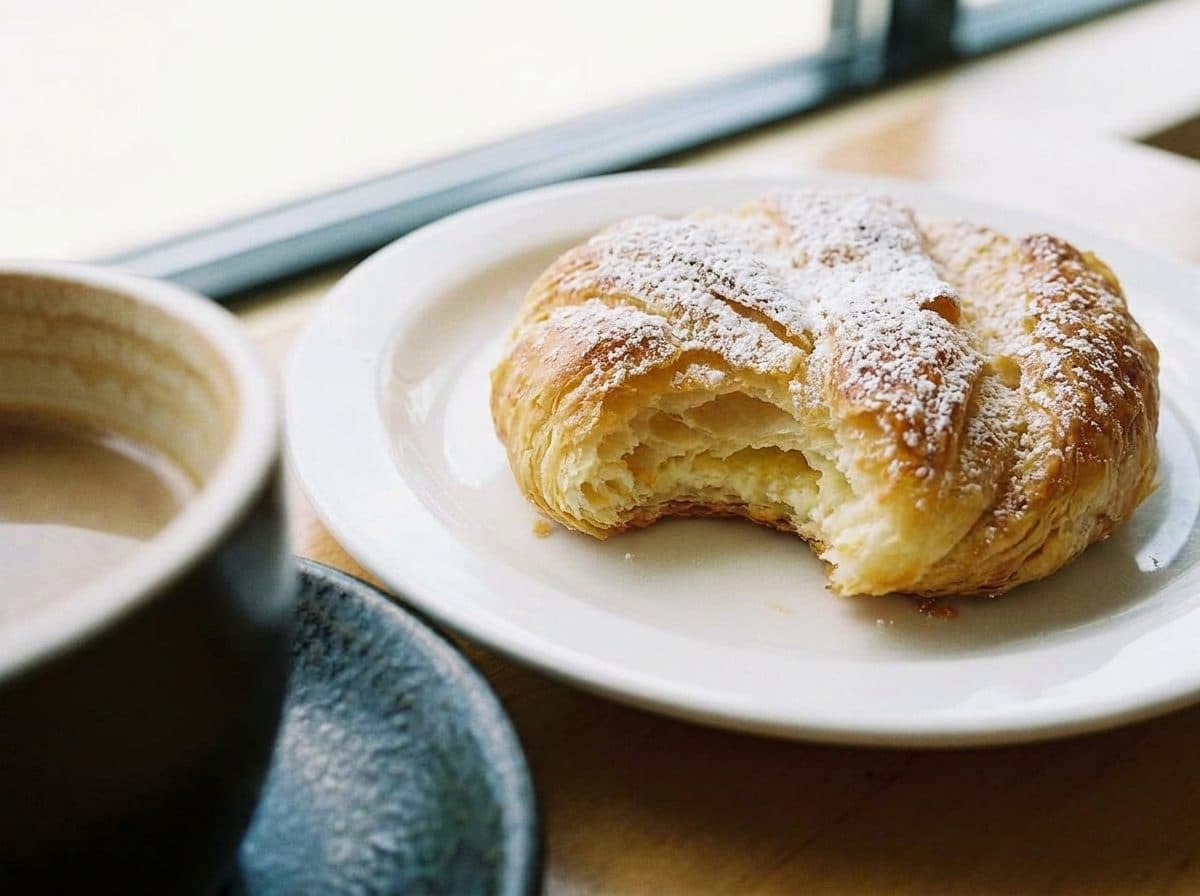
The pastries rotate with the week, but certain items hold permanent residence. Pastelitos de carne appear every morning, the beef filling darker and more savory than the tourist-trap versions downtown. Fridays bring yaroa empanadas—a riff on the Dominican street food layered with plantain, cheese, and shredded chicken. The guava pasteles get top billing, their lattice tops dusted with coarse sugar that crunches audibly when bitten. A handwritten card tucked behind the flan reads "also by the slice," which the staff interprets generously—slices here run thick enough to share, though few do. The insider move: ask what came out of the oven in the last hour. The answer changes, but it's always worth the question.
The Bilingual Cadence of Service
Orders happen in whatever language arrives first. A construction crew calls out in Spanish, rapid-fire and familiar. A jogger back from Inwood Hill Park points at the menu board, stumbling through pronunciation. The staff navigates both without breaking stride, sometimes finishing a customer's sentence in the language they started, sometimes switching mid-order when a regular walks in and needs the usual without asking. It's not performance—it's infrastructure. The menu itself runs parallel columns, Spanish on the left, English on the right, prices in the middle. Certain items only make sense in one language: "yaroa" doesn't translate, and "mangu" sounds wrong in English. First-timers quickly learn to listen to the person ahead in line and repeat their cadence.
The Rhythm of the Room Through the Day
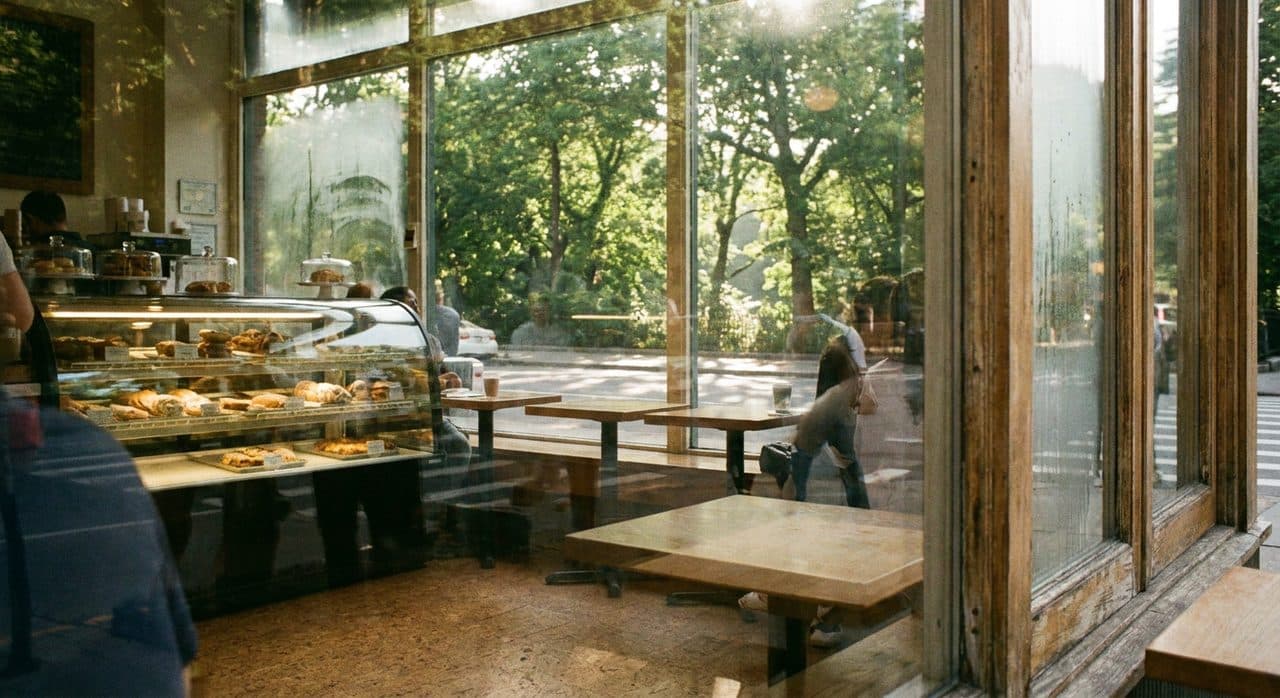
Mornings belong to the pre-work crowd and the park walkers, the latter identifiable by their sneakers and the leaves sometimes still clinging to their jackets. By mid-morning, the pace slows—mothers with strollers claim the back tables, laptops open beside cooling cortaditos. Lunch brings a second wave, the line spilling onto the sidewalk as nearby shops empty out. The staff moves faster but never frantically, a practiced choreography of calling orders, plating sandwiches, refilling the pastry trays from the kitchen in back. Late afternoon is the lull, when the owner sometimes sits at the corner table with paperwork and a beer. Evenings shift the energy again—families, couples post-park, the occasional spillover from the soccer bar two blocks down when a match lets out. The café doesn't close early, but it doesn't need to stay open late. The neighborhood knows when to come.
What Hangs on the Walls and Why It Matters
The décor tells the story the menu only hints at. A framed Dominican flag shares wall space with a vintage Yankees pennant. Faded photographs show Inwood in an earlier decade—storefronts with different names, the same stretch of Dyckman Street under snow. A small television mounted in the corner stays tuned to Spanish-language news or, during the right season, fútbol. The walls themselves are painted a shade of yellow that might have been cheerful once and now just feels lived-in. No one has bothered with matching chairs—each table presents a small collection of mismatched wood and metal, the kind of accumulation that happens when function trumps aesthetics for years. It works because it's honest. This isn't a café trying to look like a café. It's a café that became one by necessity and stayed one by habit.
Practical Notes
The café sits along Dyckman Street in Inwood, accessible via the A train to the 207th Street station—about a ten-minute walk east, past the park entrance and into the commercial stretch where the neighborhood's Dominican character becomes unmistakable. Hours skew early to mid-evening, roughly breakfast through dinner, with the kitchen closing before the door does. No reservations, no need for them—seating runs first-come, with turnover quick enough that waits rarely stretch past a few minutes. Cash preferred, though cards work. Parking along the street requires patience or luck. The walk from the subway passes several other cafés, but locals will point toward this one when pressed. That kind of endorsement matters more than any sign.
---
Tags: #InwoodNYC #DominicanFood #NeighborhoodCafe #DyckmanStreet #BilingualNYC #ManhattanNorth #PastryCase #CafeConLeche #LocalEats #InwoodHillPark #WashingtonHeights #CommunitySpaces #NorthernManhattan #PullUpAChair #AuthenticNYC
Sources consulted: eater.com · timeout.com · infatuation.com
All trademarks are the property of their respective owners.
Ask Karpo first
Want to know which pastries sell out first and what the regulars order by name?
Ask Karpo for the pastry guide with translations and the best time to visit before the tres leches runs out before you head out.