Natural wine is the least regulated term on any drinks list. There is no legal definition in most places, no certification that everybody agrees on, and no obligation for anyone to be accurate when they use the word on a chalkboard. That does not make it meaningless — there is a real set of practices behind it — but it does mean the label alone tells you very little, and in a city where the category has become fashionable quickly, learning to read the list yourself is the difference between excellent bottles and expensive novelty.
Karpo can point you to the wine bars near you with lists worth the trip and tell you what is open now.
What people actually mean by the word
The practices usually bundled under natural wine are: organically or biodynamically farmed fruit, fermentation with the yeasts already present rather than added cultures, minimal or no fining and filtering, and little to no added sulphur dioxide. A wine made that way is often cloudy, sometimes lightly fizzy, and expresses itself more variably from bottle to bottle.
None of those practices is certified as a group, which is why the word is contested. Organic and biodynamic farming do have certifications; low intervention in the cellar does not. This is worth knowing because it explains why two bars can both advertise natural wine and pour entirely different things.
Reading a list without taking anyone's word for it
Three things on a list are informative. Named importers are the strongest signal, because a handful of specialist importers effectively curate this category and a list built from them has been chosen by someone with a point of view. Farming described specifically — organic, biodynamic, a certification body — is a fact rather than a vibe. And a note on sulphur tells you the room is thinking about it.
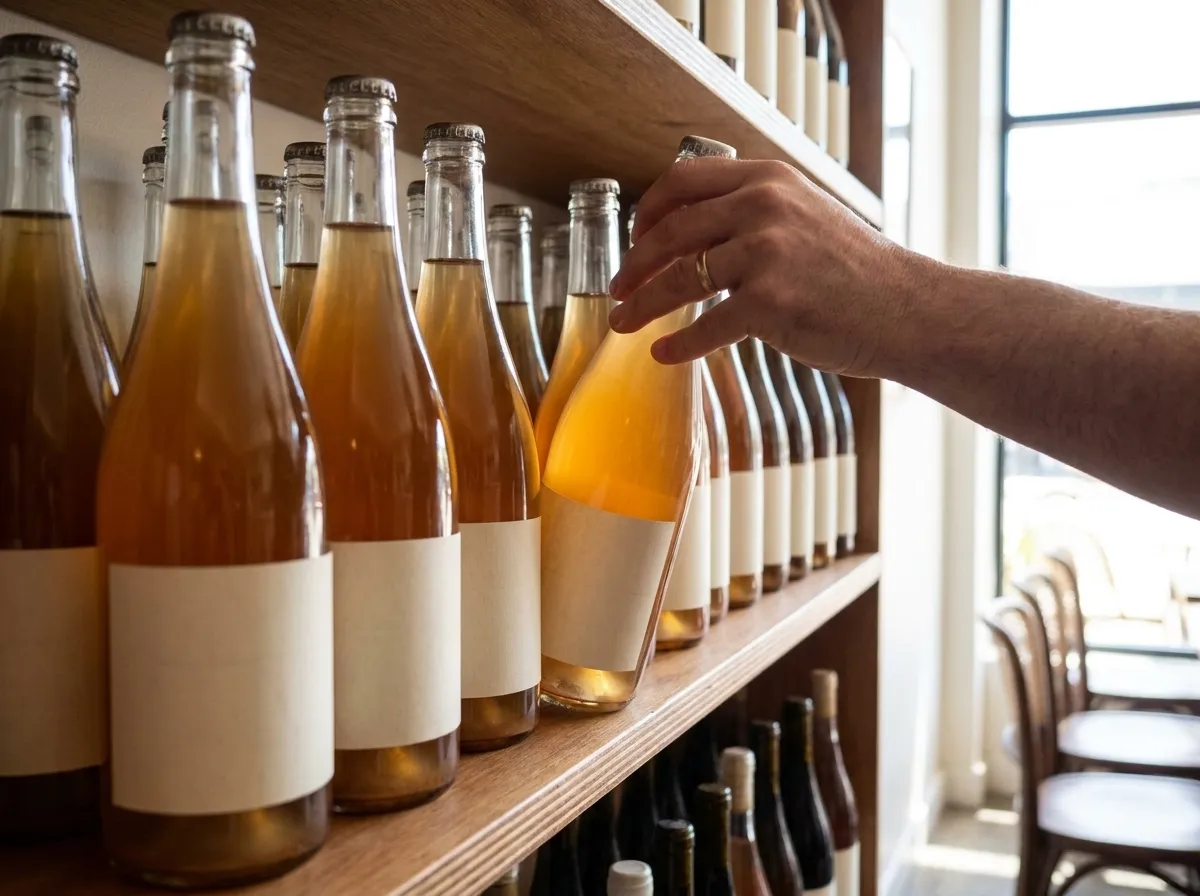
What is not informative: the word natural on its own, a hand-drawn label, or an insistence that the wine is alive. Aesthetics have thoroughly caught up with this category and now travel independently of how anything was made. Ask who imports it; the answer distinguishes a serious list from a decorated one immediately.
Orange wine and pet-nat, explained plainly
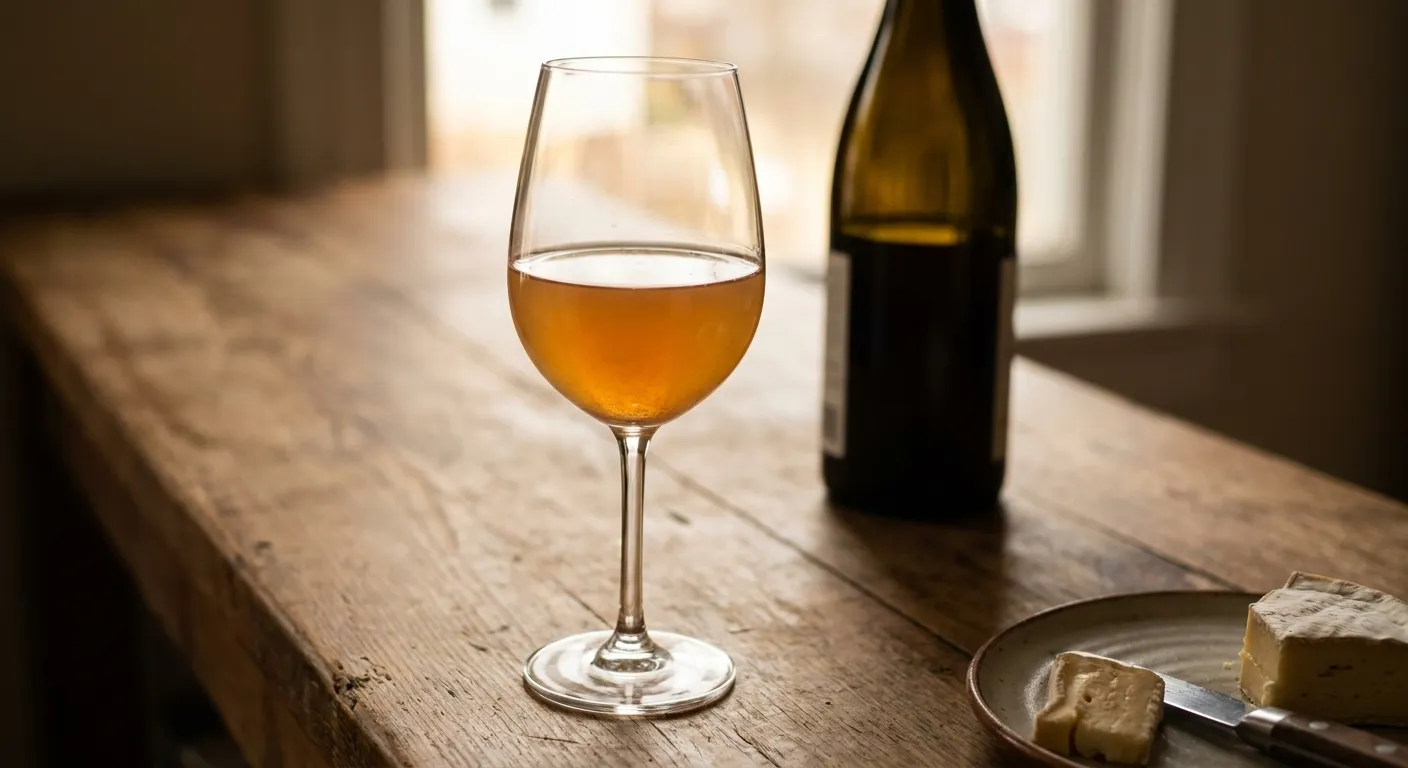
Orange wine is white grapes fermented in contact with their skins, which is one of the oldest methods in existence and produces colour, grip and tannin you do not normally get from white wine. It is a technique, not a quality claim, and it ranges from delicate to genuinely challenging.
Pet-nat is bottled before the first fermentation finishes, so the fizz is a by-product of that rather than of a second fermentation. It is usually cloudy, lower in pressure than champagne-method sparkling and variable between bottles, which is either the appeal or the problem depending on your temperament. Both work extremely well chilled in this climate, which is a large part of why Miami took to them.
Where the lists are
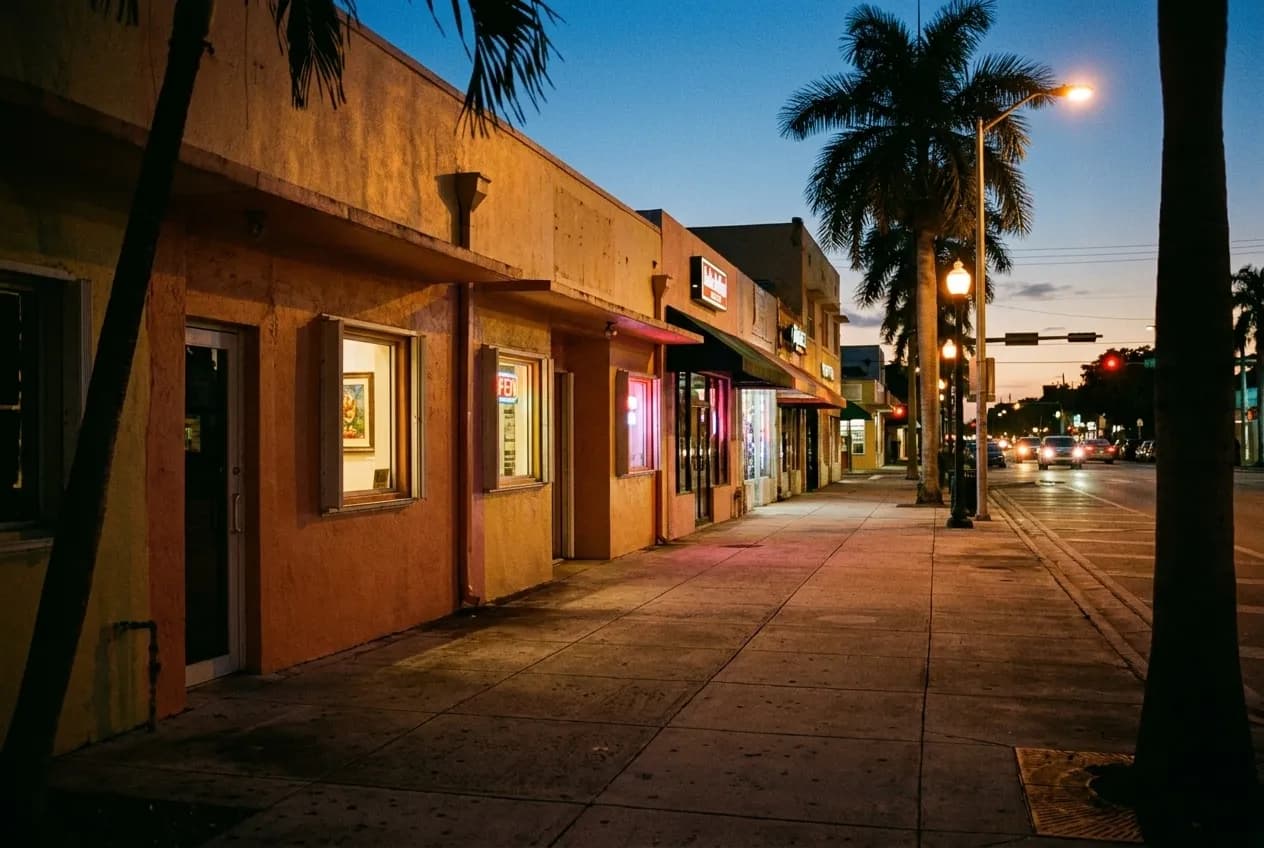
The concentration is in Wynwood, the Design District, Little Haiti and Little River, with a scattering in Buena Vista and along the northern edges. These are the districts where the small independent rooms are, and where the format tends to be a counter, a short menu and a list that changes weekly.
The Beach and Brickell carry natural wine too, generally as a section on a larger list rather than as the whole proposition. That is not worse — a good sommelier with a broad list often pours the more interesting glass — but if the category itself is the point, go north.
Little River and Little Haiti deserve a specific mention because the rents there have kept the format small. Rooms in that stretch tend to run twenty or thirty labels rather than two hundred, turn the list over every few weeks, and price by the glass in a range that lets you try three things in an evening without much thought. That churn is the point: the list is a record of what the buyer found interesting this month rather than a fixed inventory.
Importer nights are the best value in the category
The event worth chasing is an importer or producer night, where the person who brought the wine into the country pours six or eight bottles and explains what they are. These typically cost between thirty and sixty dollars, and the wines poured are usually well above the price point you would order by the glass.
They are announced on bar mailing lists, one to three weeks ahead, and they sell out. They are also the fastest possible education in this category, because you are getting the reasoning behind the selection rather than just the liquid. Two of these does more for your palate than a year of ordering by the glass at random.
Storage matters more here than anywhere
Low-sulphur wines are more sensitive to heat and light than conventional ones, and South Florida is unforgiving on both counts. A bottle that spent a hot afternoon in a delivery van or a week standing under a shop window is meaningfully different from the same bottle kept cold, and the failure modes are obvious once you know them: a sharp vinegary edge, or an aggressively fizzy wine that should not be.
Buy from rooms and shops with visible temperature control, and buy cold. If a bottle is wrong, say so. Serious sellers in this category expect the conversation and will replace it, because they know the variability is real and they would rather you came back.
Starting without spending a fortune
Order by the glass first and take notes on producers rather than on styles. Ask for something light, chilled and not too weird for a first glass; every good room has one and will not judge you. If you like it, ask what else that importer brings in.
The category rewards curiosity and punishes deference. Nobody involved actually agrees on the definition, so there is no orthodoxy to fall foul of, and the honest position — that some of it is superb and some of it is faulty — is the one most professionals in this city will happily agree with if you say it first.
Tags: #NaturalWine #MiamiWine #OrangeWine #PetNat #WineTasting #Wynwood #LittleRiver #DesignDistrict #LowIntervention #DrinkResponsibly #Miami #WineBar #TastingNotes #CreativeWorkshops
Please drink responsibly. Must be of legal drinking age.
All trademarks are the property of their respective owners.
Ask Karpo first
Want a list near you that is worth the trip tonight? Ask Karpo and skip the guesswork.