There is a reasonable chance you have walked into a wine bar in this neighbourhood, been handed a list with no grape varieties and no prices you recognised, been asked whether you wanted something funky, and left with a glass of something cloudy that tasted like cider. That experience puts a lot of people off a category that is, underneath the presentation, genuinely interesting and frequently better value than conventional wine at the same price. Williamsburg happens to be one of the densest places in the world to learn it. Here is how to start without feeling like you are being tested.
The right room to start in matters more than the right bottle. Tell Karpo in iMessage what you normally drink and it will point you at somewhere that will actually explain things.
What the Category Actually Means
Natural wine is not a legal term, which is why it causes so much argument. In practice it describes wine made from grapes farmed without synthetic chemicals and fermented with native yeast, with very little added — most importantly, very little or no sulphur dioxide. That last decision is what produces both the best and the worst bottles in the category. Without sulphur a wine is alive and unstable, which can mean vivid, textured and unlike anything industrial, or can mean it has quietly turned into vinegar in a warm van. The variance is real and nobody serious denies it. What follows from this is practical: buy from people who store wine properly and taste what they sell, and the category's failure rate drops enormously.
Wine Bar or Wine Shop
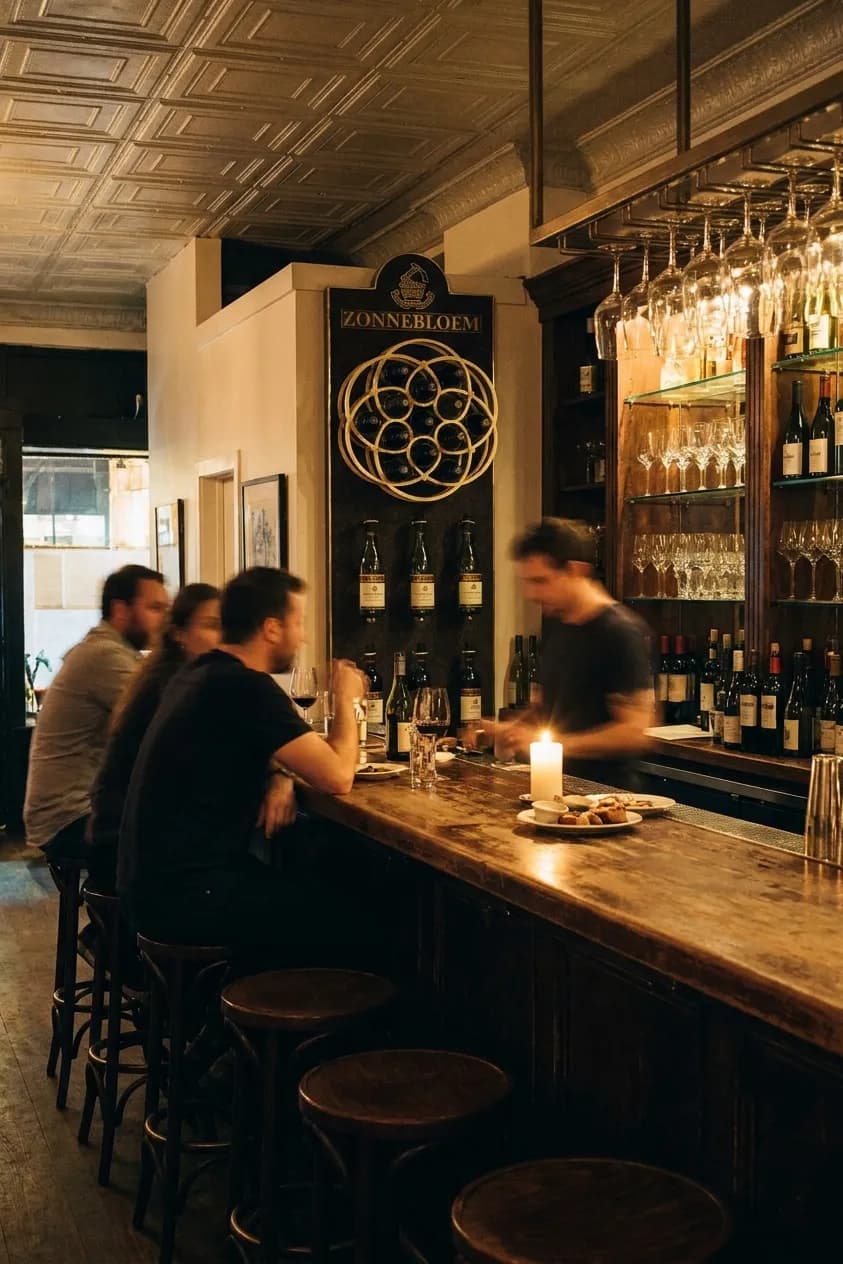
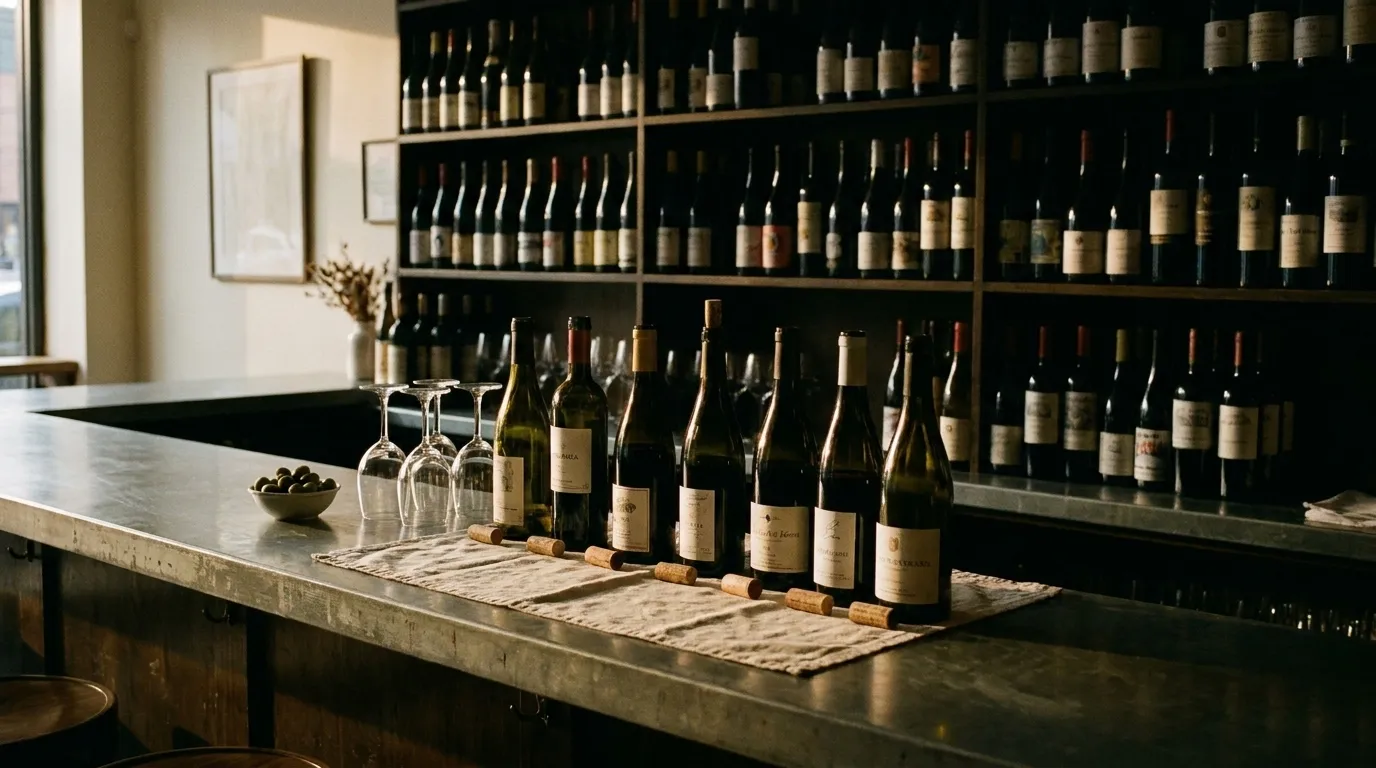
The neighbourhood offers two routes in and they suit different people. Wine bars let you try several things by the glass with someone to talk to, which is the fastest way to find out what you like, and they are where you should start. Shops are cheaper by a factor of two or three and many of them pour tastings — some run regular evening sessions, others simply open something and hand you a small glass while you browse. New York's licensing keeps wine shops separate from grocery stores and restricts what they can pour, so the format varies; the practical version is that a good shop will let you taste before buying more often than you would expect if you ask. If you are trying to learn rather than to have a night out, an hour in a shop teaches you more per dollar than an evening at a bar.
How to Ask For Something You Will Like
The single most useful sentence is a description of a wine you already enjoy, not a style you think you should want. Saying you like Sancerre, or Rioja, or cold Beaujolais, gives the person pouring an actual coordinate. Follow it with two constraints: whether you want something clean or something wild, and what you are willing to spend by the glass. Avoid asking for something funky unless you mean it — in this context funky means volatile acidity and barnyard aromatics, and a lot of newcomers who ask for it discover they wanted texture and freshness instead. If you want an easy first step into the category, ask for a chilled light red or a skin-contact white with only a few days of maceration. Both are recognisably wine and both show what the low-intervention approach actually does.
What It Should Cost
Rough numbers help you tell a fair list from a fashionable one. In this neighbourhood a glass of decent natural wine runs from about fourteen to nineteen dollars, and the bottles behind those glasses typically retail between twenty-two and forty. A bar charging twenty-four a glass is either pouring something genuinely rare or charging for the room. Shops are where the value is: thirty dollars buys a bottle that would be sixty on a list, and the same money spread across three bottles at eighteen to twenty-two is a better education than one expensive one. Watch for shops that discount by the case or the half case, which is common and rarely advertised, and for the mixed six that most good shops will assemble for you if you tell them a budget.
Making It an Evening
The good version of this in Williamsburg is a walk rather than a destination. Start at a shop in the early evening while the person behind the counter still has time to talk, taste two things, buy a bottle for later. Move to a bar with food — the small-plates kitchens attached to these places are frequently excellent and are the reason many of them survive — and drink two glasses of things you would not have chosen. Finish somewhere with a proper by-the-glass list rather than a fourth venue. Three stops over three hours across a ten-minute radius will cost less than one dinner and teach you more about your own taste than a year of buying the same bottle. Eat while you do it; these wines are lower in sulphur, not lower in alcohol, and they go down considerably easier than they should.
Where to Go Next
Once you have found two or three things you like, the neighbourhood opens up. Greenpoint to the north has a quieter, more shop-led version of the same scene with slightly older customers and slightly better prices. Bushwick to the east is where the newer and more experimental lists are, and where you will find the largest by-the-glass selections. Several places run structured tastings on weeknights — normally four or five pours around a theme, with someone explaining them, for the price of two glasses — which is the single best value in the category and almost never busy. Ask at whichever shop you liked; these events are usually announced on a card by the till and nowhere else.
Tags: #Williamsburg #Brooklyn #WineTastingNearMe #NaturalWine #OrangeWine #WineBar #NYCWine #Greenpoint #Bushwick #LowIntervention #Pét-Nat #BrooklynNightlife #WineShop
Sources consulted: nycgo.com · sla.ny.gov · ny.eater.com · brooklyneagle.com
Please drink responsibly. Must be of legal drinking age.
All trademarks are the property of their respective owners.
Ask Karpo first
Tasting nights, shop hours and by-the-glass lists change constantly around here. Ask Karpo in iMessage what you like drinking and what night you are free, and it will find you somewhere pouring.