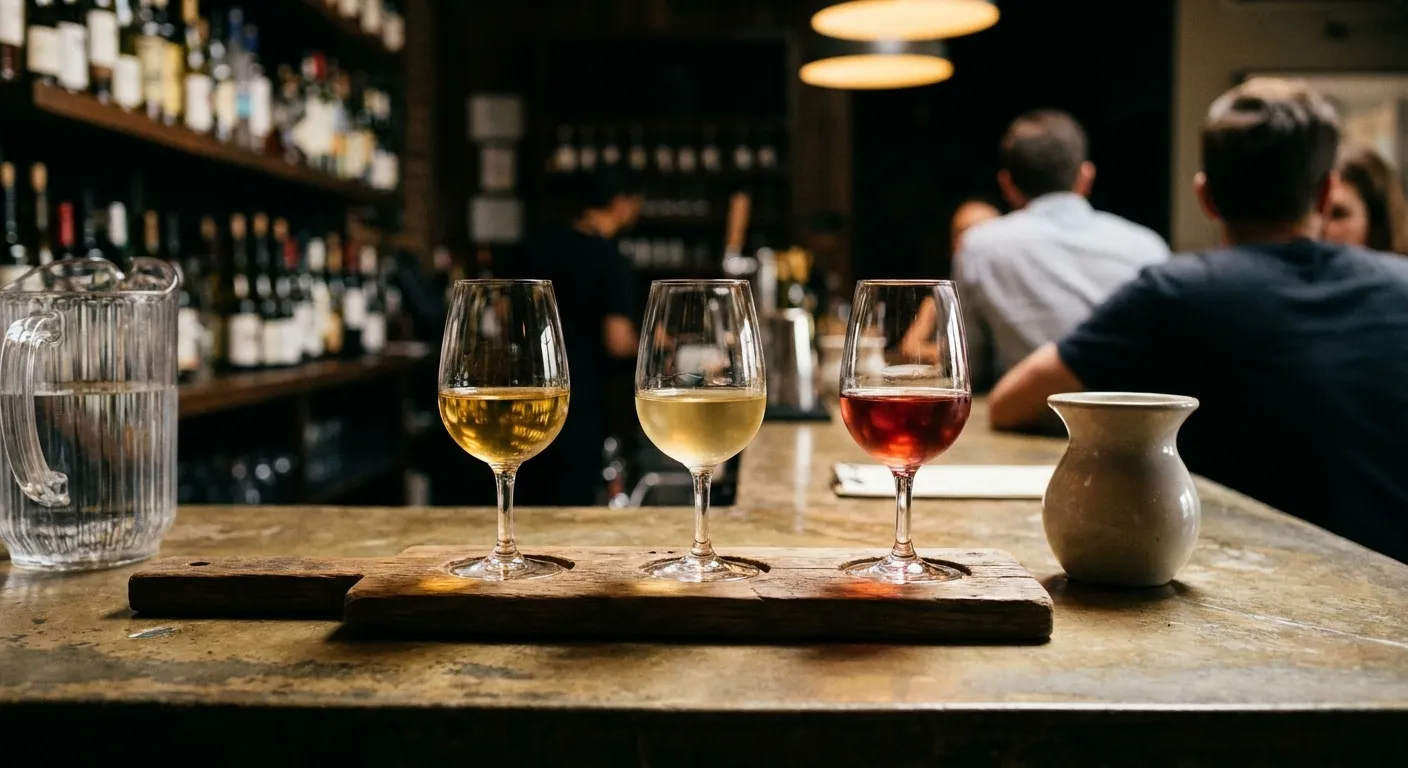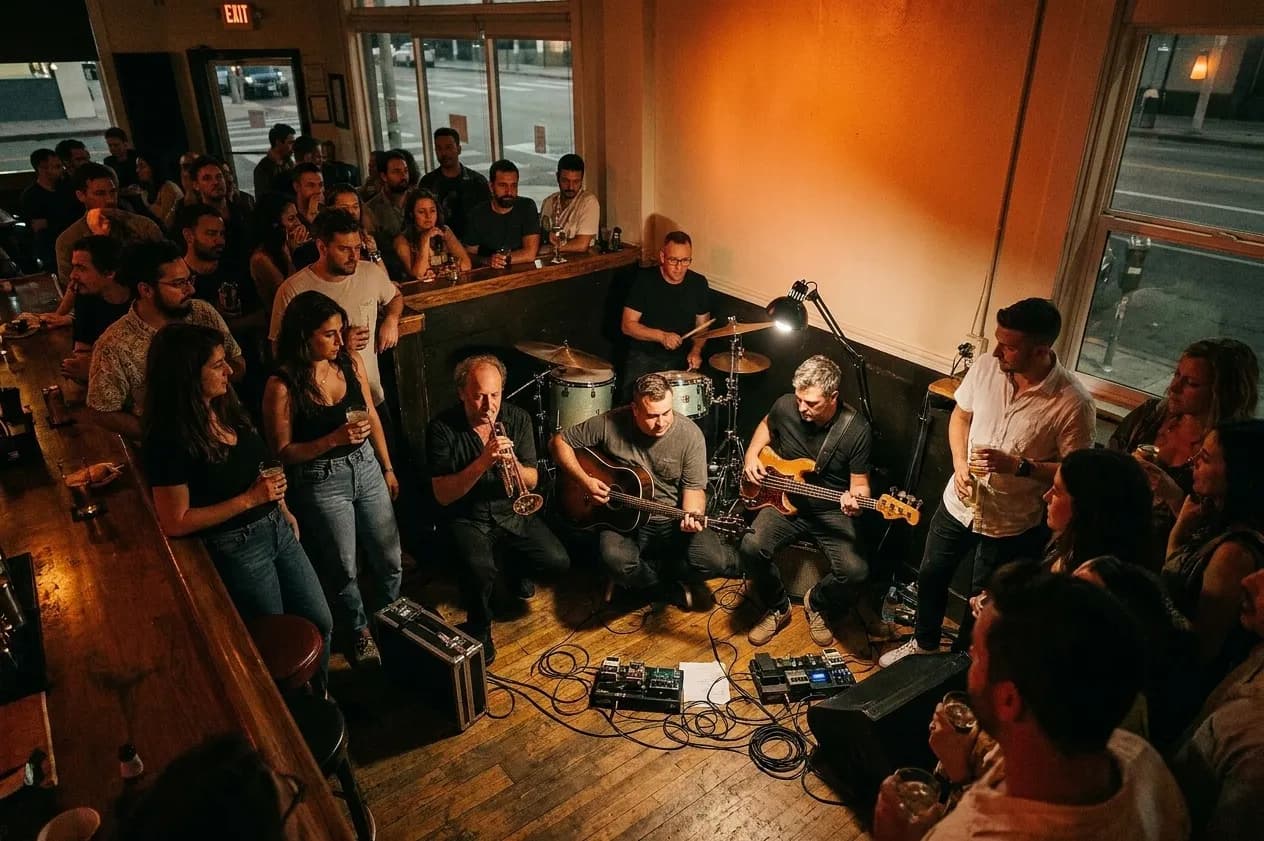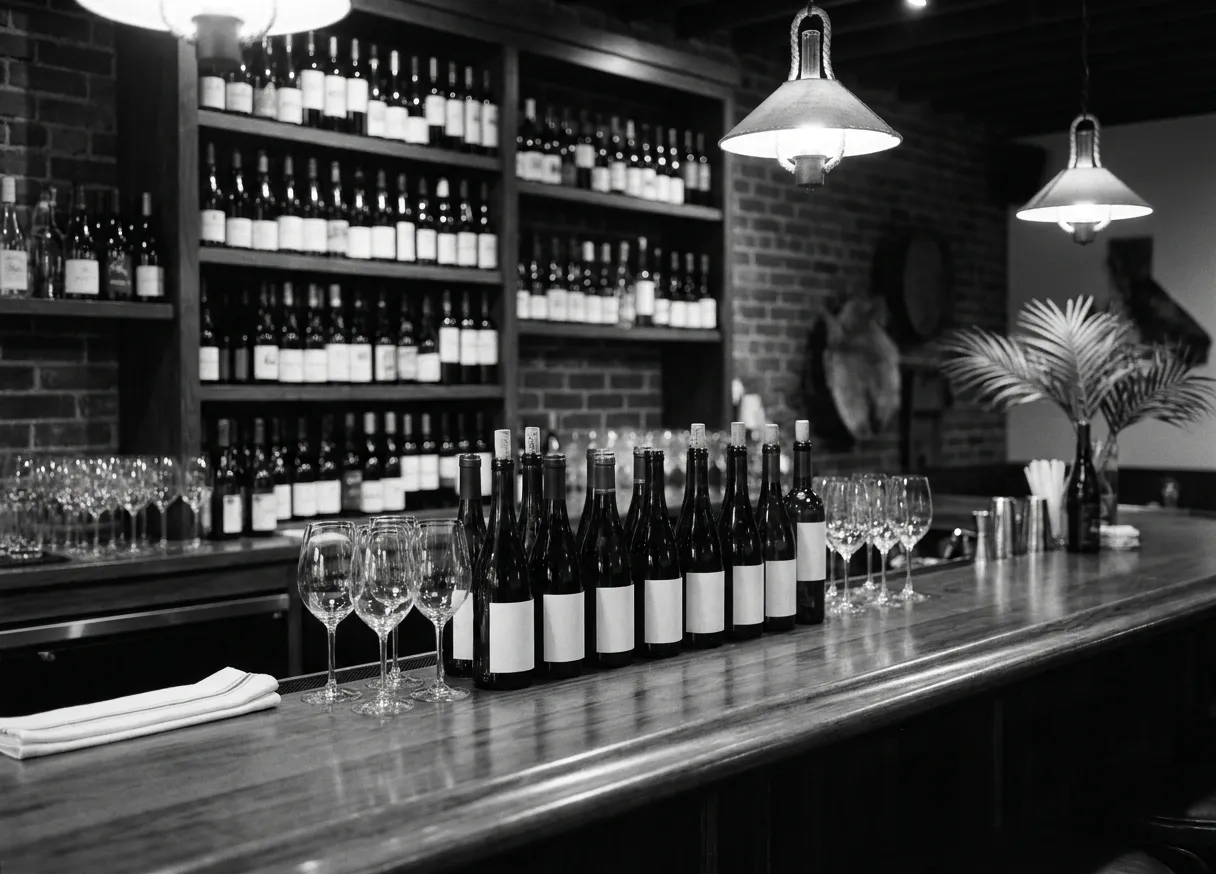
Natural wine took hold in Los Angeles later than in comparable cities and then spread further, and the reason is structural rather than fashionable. The format — small rooms, low-intervention bottles, food that is snacks rather than dinner, a bar you can sit at alone — fitted a city that already socialised in small neighbourhood rooms and did not want another restaurant. Wine tasting in Los Angeles now largely means this, and the good versions are genuinely good.
Most of these rooms are small and fill early. Ask Karpo which wine bars near you have space tonight.
What the category actually means
Loosely: wine made with minimal intervention — native yeasts, little or no added sulphur, nothing added or removed in the cellar. It is not a legal definition and there is no certification, which is why the term covers everything from rigorous farming to marketing. The useful version of the label is that it signals a certain kind of buying rather than a guarantee about the liquid.
What it means in practice for a drinker is more variation, more texture, and bottles that taste less uniform than conventional wine. Some of them are faulty and some people like the faults. A room with a good buyer will steer you past the ones you would not enjoy, which is the entire value of going to a bar rather than a shop.
Where the rooms are
The eastside corridor is the centre of gravity: Silver Lake, Echo Park, Highland Park, Frogtown and the surrounding blocks hold the highest density and the most interesting lists. These are small rooms, frequently converted from something else, and they operate as neighbourhood bars that happen to have unusual wine rather than as wine destinations.
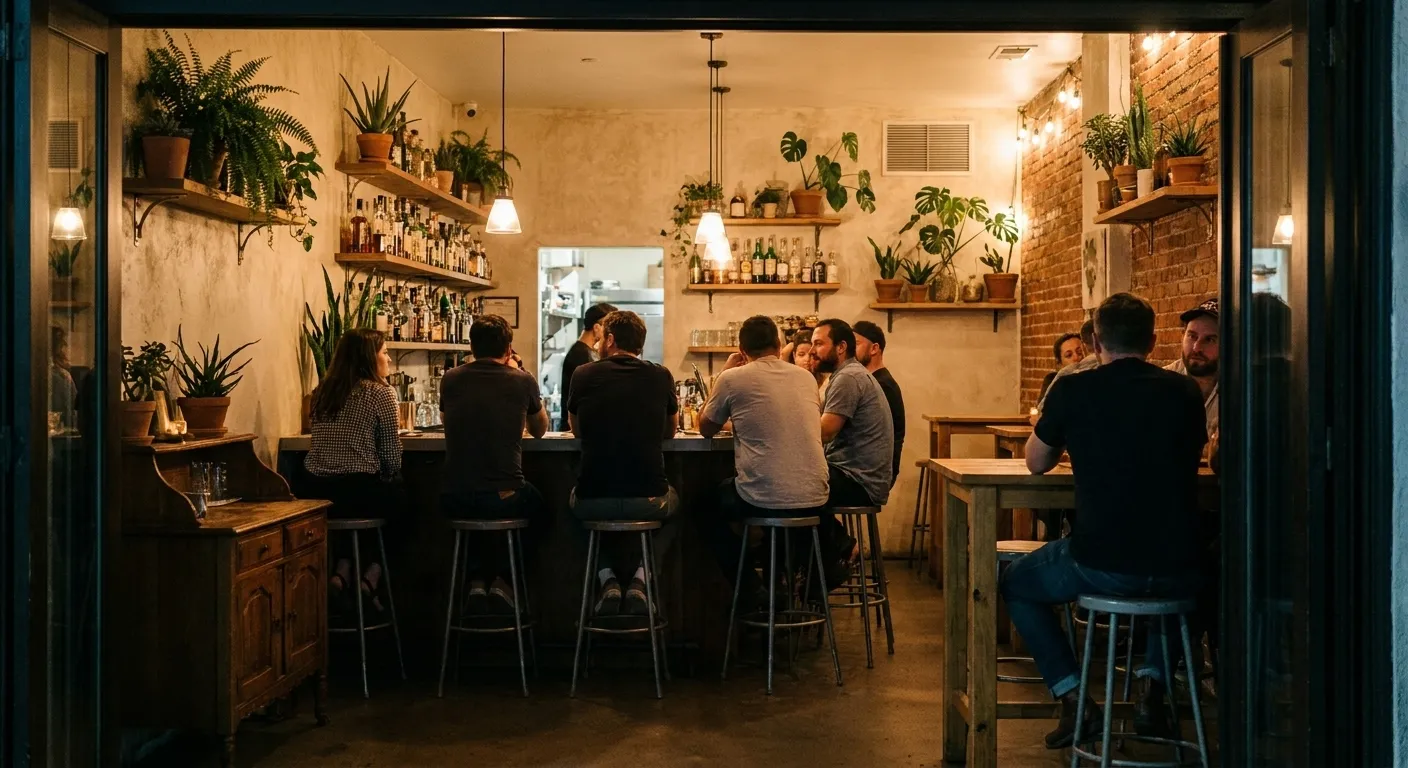
The westside has a smaller and generally more polished set, several attached to restaurants. Downtown and the arts district have a few in larger spaces. And there are increasingly good rooms in the valley and toward Long Beach, which are the ones locals in those areas are pleased about and nobody else has heard of.
The bottle-shop hybrid is the best format
The most common and most useful arrangement here is the shop that lets you drink on site for a small corkage. This is materially cheaper than a bar, gives you the whole shelf rather than a by-the-glass list, and the person selling it will talk to you about it. For two people it is the best-value wine drinking in the city by a wide margin.
It also solves the choice problem. Standing in front of two hundred bottles with someone who knows them and a budget in mind is a better way to find something you like than reading a list of unfamiliar producers in dim light. Say what you want to spend; nobody will think less of you and the recommendation improves.
How to order without performing
Describe what you like in ordinary terms. Light or full, crisp or soft, cold or room temperature, something you could drink two glasses of or something to think about. Every good buyer here can work with that, and none of them need you to name regions. The people who ask what the terroir is like are almost always having a worse time than the people who say something cold and sharp, please.
Order by the glass first if you are unsure, then commit to a bottle once you know the direction. Most of these rooms pour generously by the glass and several run a by-the-glass list that changes weekly, which is the low-risk way to work out what you actually like within a category designed to be unfamiliar.
The food question
These are snack rooms rather than restaurants and the food is usually better than that implies — tinned fish, bread, cheese, a few vegetable plates, occasionally something more substantial. Ordering some of it is advisable rather than optional, because the pours are large, the rooms are warm and the wine is frequently more alcoholic than it tastes.
The pattern that works is wine bar first, dinner after, at somewhere within walking distance. Several of the eastside clusters support exactly that, which is unusual in this city and is the main reason those particular blocks have become the default for an evening out among people who live nearby.
Timing, seats and the practical stuff
Small rooms with counters and a handful of tables, most taking few or no bookings, filling from about seven. Six thirty is a comfortable arrival and eight thirty is a wait. Sunday and Monday evenings are the quietest and are when the industry itself goes out, which makes them the most interesting nights to sit at a bar and talk to whoever is pouring.
And these are neighbourhood rooms, which means walking or transit is worth the effort. The whole appeal of the format is that you can have three glasses and wander home, and the version of the evening that involves driving across the city and monitoring your intake is a considerably worse one. Pick the room near where you are, not the one with the best reputation.
What to be sceptical about
Two things. Any room where the staff cannot tell you who made the wine or where, which suggests the list was bought as a category rather than chosen. And any bottle sold primarily on how unusual it is — cloudy, fizzy, orange — without anyone claiming it tastes good. Novelty is a real part of the appeal here and it is not a substitute for the wine being pleasant to drink.
The corollary is that a good natural wine bar will happily pour you something entirely conventional if that is what you want, and will not be sniffy about it. The rooms worth returning to are the ones where the enthusiasm is about the drinking rather than about the category, and that distinction is obvious within about five minutes of sitting down.
Tags: #LosAngeles #NaturalWine #WineBarsLA #SilverLake #EchoPark #HighlandPark #WineTastingLA #BottleShop #SocialLA #LANightlife #SoCal #DrinkLocal #EastsideLA
All trademarks are the property of their respective owners.
Ask Karpo first
Ask Karpo which wine bars near you in Los Angeles are open tonight, whether they take walk-ins, and if they do corkage on the shelf.