 Events Near Me in Gowanus: The Bell House's Trivia and Live Shows
Watch Parties
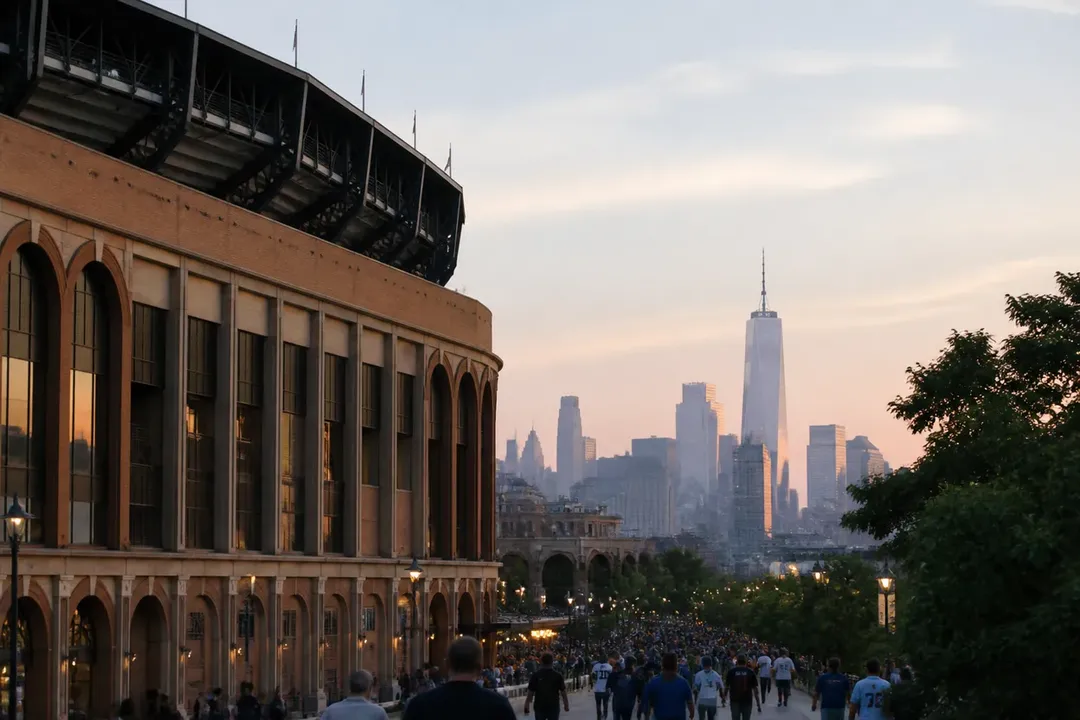
nationals vs phillies: NYC Baseball Viewing With Transit Backups
A practical NYC plan for nationals vs phillies viewing, built around confirmation, borough fit, seating expectations, and a calmer fallback nearby.
The phrase nationals vs phillies is a useful planning hook, not proof that a New York City bar, restaurant, hotel lounge, or public venue will carry the game when you walk in. The official NYC Tourism material supports a broad truth about the city: New York has constant energy, restaurants, nightlife, sports, activities, and five boroughs to explore. It does not confirm any specific watch party, broadcast setup, venue affiliation, screen policy, sound policy, reservation rule, cover charge, transit time, or public-safety condition for this matchup. Treat this as a local fact-checking checklist for building a better watch plan: confirm the screen first, choose the room by the kind of crowd you want, keep nearby alternatives in mind, and avoid making the second venue an afterthought.
Want a cleaner nationals vs phillies plan? Text Karpo before you go, and we can help check NYC screen confirmation questions, route fallback logic, seating fit, and a quieter nearby second stop.
Confirm what fans can actually watch
Start with the least glamorous step: ask the venue what will actually be on. A baseball search trend can tell you what people are interested in, but it cannot confirm that a local room has the game, will keep it on, or will put sound behind it. Use the exact phrase nationals vs phillies when you call or message, because staff may be juggling several sports requests, dining service, nightlife programming, and private events.
Keep the question specific without pretending the answer is already known. Ask whether the game can be shown, whether the screen is visible from the area where your group would sit or stand, and whether sound is possible. If the answer is vague, treat that as a planning signal. It may still be a good venue, but it should not be the only venue your group depends on.
Do not assume team affiliation from decor, neighborhood reputation, a crowd photo, or a listing page. The official extracts identify NYC as a place with sports, nightlife, restaurants, and citywide activity, but they do not identify any bar as a Nationals or Phillies home base. A venue can be lively, baseball-friendly, and still not be set up for this specific matchup on this specific night.
Choose the room by crowd energy
New York City has many ways to eat, drink, go out, and gather, but the right room depends on your group. A louder sports-focused room may work if the plan is standing, cheering, and moving around. A restaurant bar may work better if the plan includes dinner, conversation, and a clear seated view. A hotel lounge or neighborhood spot may suit visitors who want the game available without making the whole night feel like a full watch party.
Use the five-borough map as a planning frame, not as a guarantee. NYC Tourism describes New York City as having five boroughs: Manhattan, Brooklyn, Queens, the Bronx, and Staten Island. It presents Manhattan as an iconic, highly visited borough; Brooklyn as known for nightlife and cuisine; Queens as wide-ranging in tastes and experiences; the Bronx as packed with New York City history and culture, including baseball history connected to Babe Ruth; and Staten Island as the southernmost borough, with historic attractions, beach views, global dining, and ferry access.
Those official borough descriptions are useful for mood and location fit. They do not tell you which venue will show a game, how crowded a room will be, or whether a table will be available. Narrow the night by mood before narrowing it by address: central and busy, neighborhood and easier, food-first, screen-first, or quiet-first.
Call ahead about the exact screen and sound
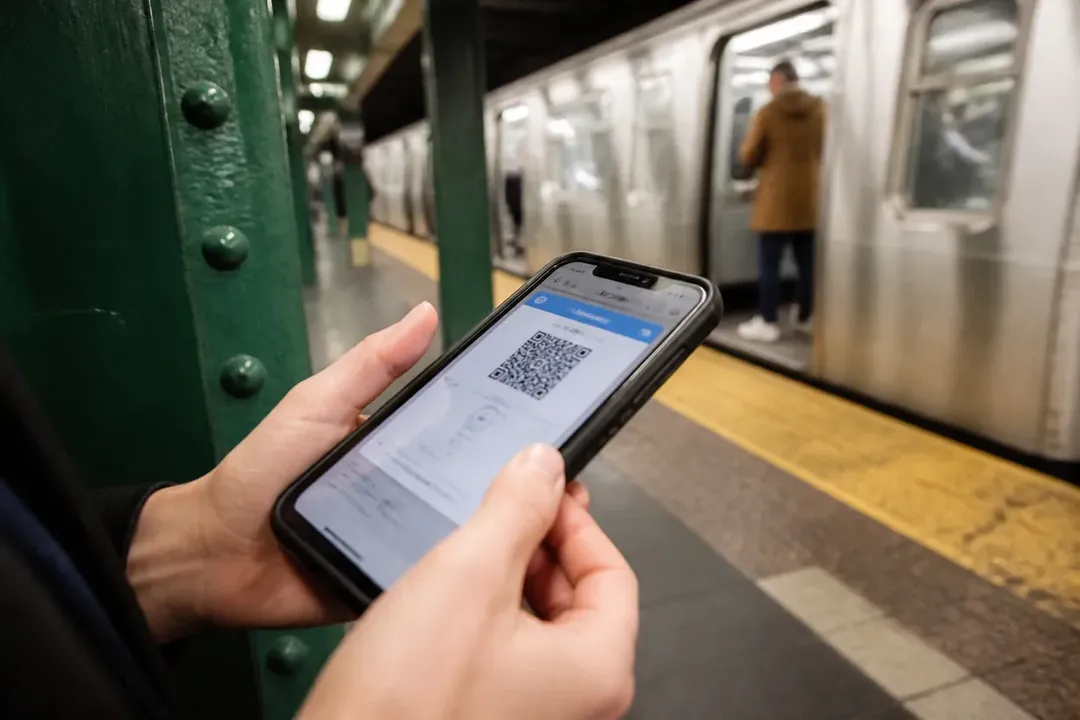
A useful call is short and concrete. Ask: “Are you showing nationals vs phillies, which screen would it be on, and will sound be available?” Then ask what the venue recommends if you want seats with a direct view. This keeps the conversation practical and avoids relying on assumptions that are not supported by the official extracts.
Sound is the detail most likely to create disappointment because it is not the same as video. A room can have televisions and still give audio priority to another event, music, or a private function. If sound matters, ask whether it is confirmed or only possible. If you are planning for a group, share the venue’s answer plainly so nobody mistakes “they have screens” for “this is a dedicated watch setup.”
Entry and seating details also need direct confirmation. Ask whether the area you want is seated or standing, whether a host stand controls tables, whether the bar area is separate from dining, and whether any event affects access. The supplied official extracts do not provide venue-level reservation rules, age restrictions, line policies, hours, prices beyond Restaurant Week, or game-specific access details, so those facts should come directly from the venue.
Use transit and seating as tiebreakers
Once two venues both say they can show the game, let location and seating break the tie. The NYC Tourism extract supports the idea that the city has subway-accessible stories and experiences, including a video series that begins at Times Square and reaches every borough. That supports using access as a planning factor, but it does not support any exact route, travel time, service status, or transfer claim.
Think in arrival paths. If friends are coming from different boroughs, choose the venue that seems easiest for the most people after checking current directions through a reliable route source. If visitors are staying in Manhattan, a central room may be practical, though not necessarily calm. If the group is already in Brooklyn or Queens, staying local may keep the night simpler, provided the screen is confirmed.
Seating matters as much as routing. A long bar with angled screens is different from high tops under one television, and neither setup should be assumed from a generic listing. Ask whether tables can see the screen, whether your group size is realistic, and whether dinner service affects where you can sit. One precise supported dining detail: NYC Restaurant Week Summer 2026 runs from July 20 through August 16, with 2-course lunches and 3-course dinners across all five boroughs starting at $30. Participation in that dining program and baseball viewing are still separate things to verify.
Keep a quieter second option nearby
The second venue should not be treated as a rescue mission after the group is already frustrated. Pick it before leaving. It should be close enough that people will actually use it if the first room is too loud, too full, or not showing the game clearly. The official extracts support NYC’s variety across restaurants, nightlife, sports, attractions, activities, and boroughs, but they do not guarantee any specific nearby fallback.
A quieter fallback does not need to be silent. It needs to solve the failure mode: clearer seating, easier conversation, less crowd pressure, food that fits the group, or a more predictable place to regroup. In New York terms, that may mean shifting from a high-energy avenue bar to a restaurant bar, from a packed central room to a neighborhood stop, or from a screen-first plan to a dinner-first plan where the game is secondary.
Do the same verification for the backup. Ask whether they can show the game, whether there is a visible screen, and whether arriving later changes the answer. A backup without confirmation is just a hope with an address. Keep the backup close, but keep it real: the official materials do not support making hard claims about specific walking times, subway times, wait times, or crowd levels.
Recheck the plan on game day
Game-day checking is not overkill. It is how you avoid stale information. Reconfirm the screen, sound, seating expectations, and any access details before people start traveling. If the venue cannot give a direct answer, move the backup to first position or choose a plan that does not depend on the game being central.
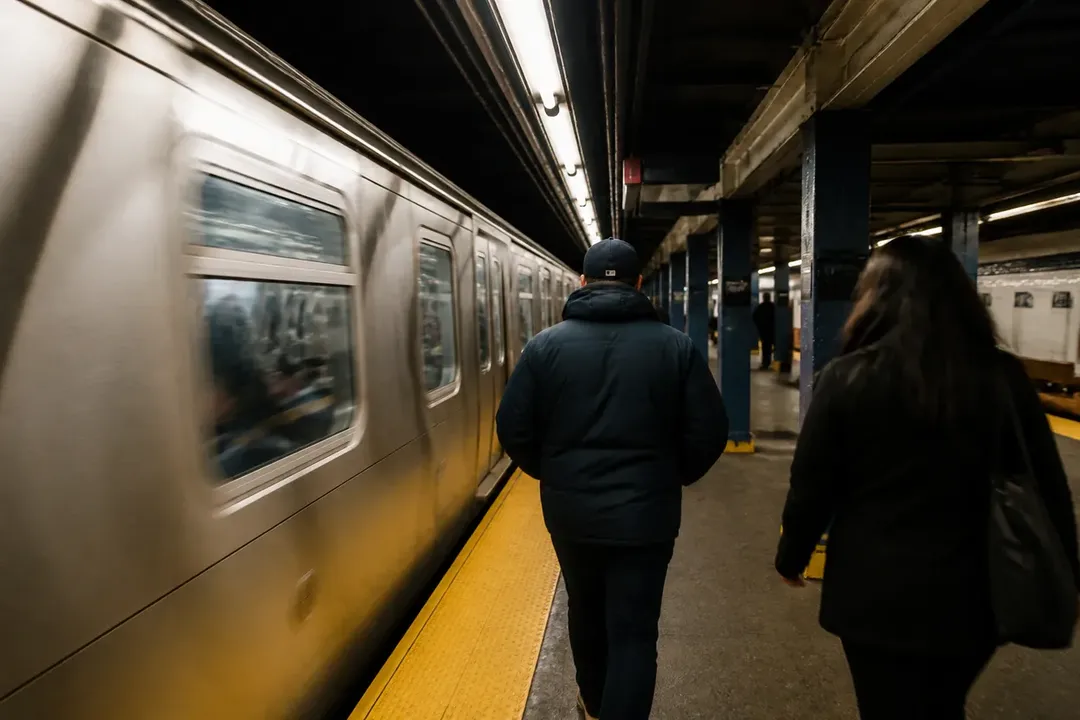
Recheck travel details close to departure through current route information rather than relying on yesterday’s plan. The supplied MTA extract only shows an access-denied page, so it cannot support any specific official transit instruction, schedule, service condition, or travel-time estimate here. For a group, share the exact venue name, borough, cross streets or nearby landmark if known, and one practical fallback location.
Finally, keep the plan humane. NYC can absorb a pivot because it has five boroughs, constant activity, restaurants, nightlife, sports, and many things to do. But the pivot still needs basic checking. The best nationals vs phillies viewing night is not the loudest or most optimized one. It is the one where the screen is real, the seats make sense, the route is workable, and the second option is close enough to matter.
Tags: #nationalsvsphillies #NYC #NYCBaseball #WatchPlanning #SportsBarNYC #BaseballViewing #Manhattan #Brooklyn #Queens #TheBronx #StatenIsland #RouteCheck #AskKarpo #BeforeYouGo
Sources consulted: nyctourism.com · new.mta.info · nyc.gov
All trademarks are the property of their respective owners.
Ask Karpo first
Ask Karpo first if your plan depends on a specific screen, sound, route, seating setup, or quieter second stop. We can help turn a vague nationals vs phillies idea into a checkable NYC plan before anyone commits to the trip.
Ask Karpo for more information.
Keep reading
- Events Near Me in Gowanus: The Bell House's Trivia and Live Shows
 McDonald's Near Me in the West Village: Corner Bistro's Cash-Only Burger
 Happy Hour Near Me in Hell's Kitchen: Rudy's Free Hot Dog With Beer