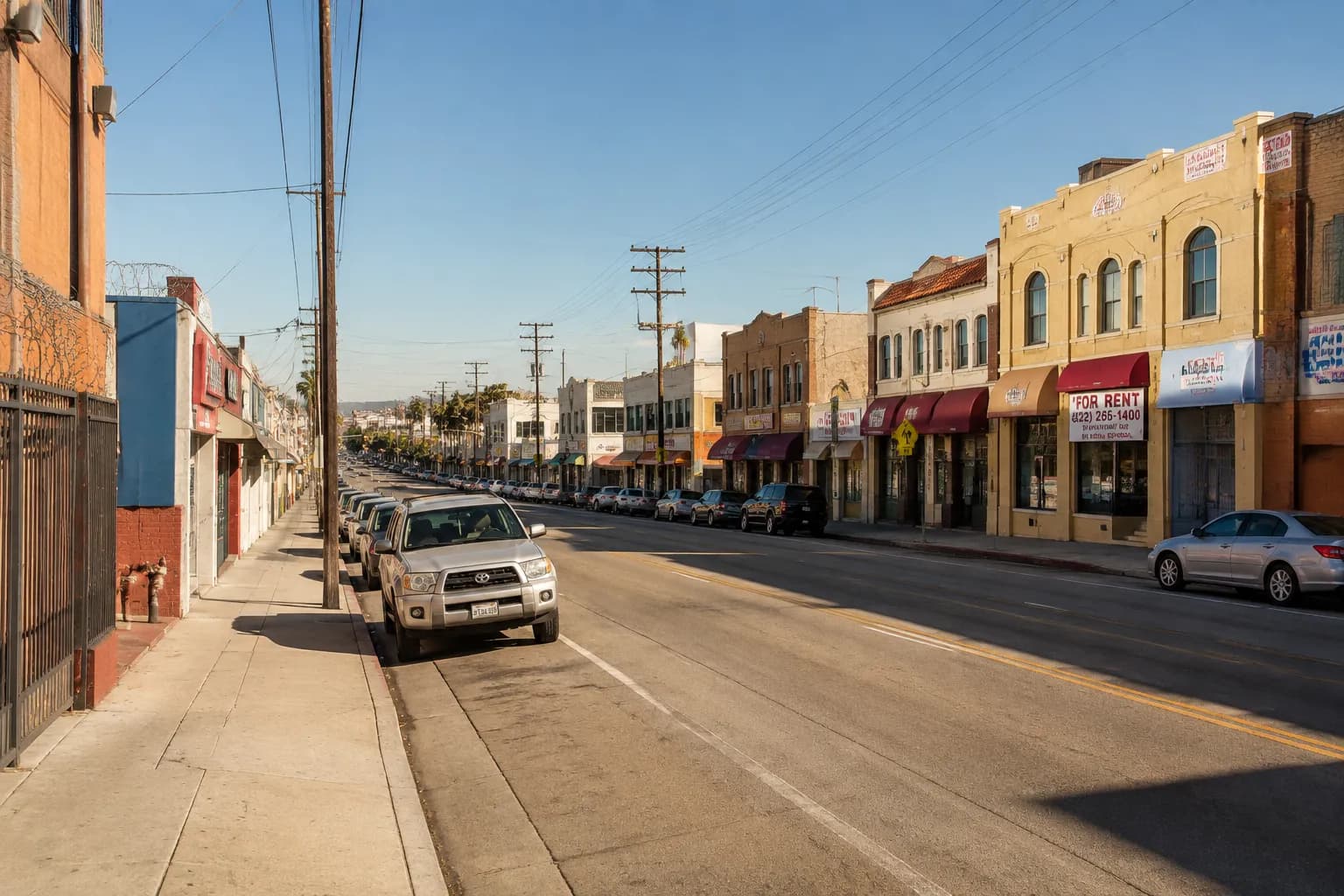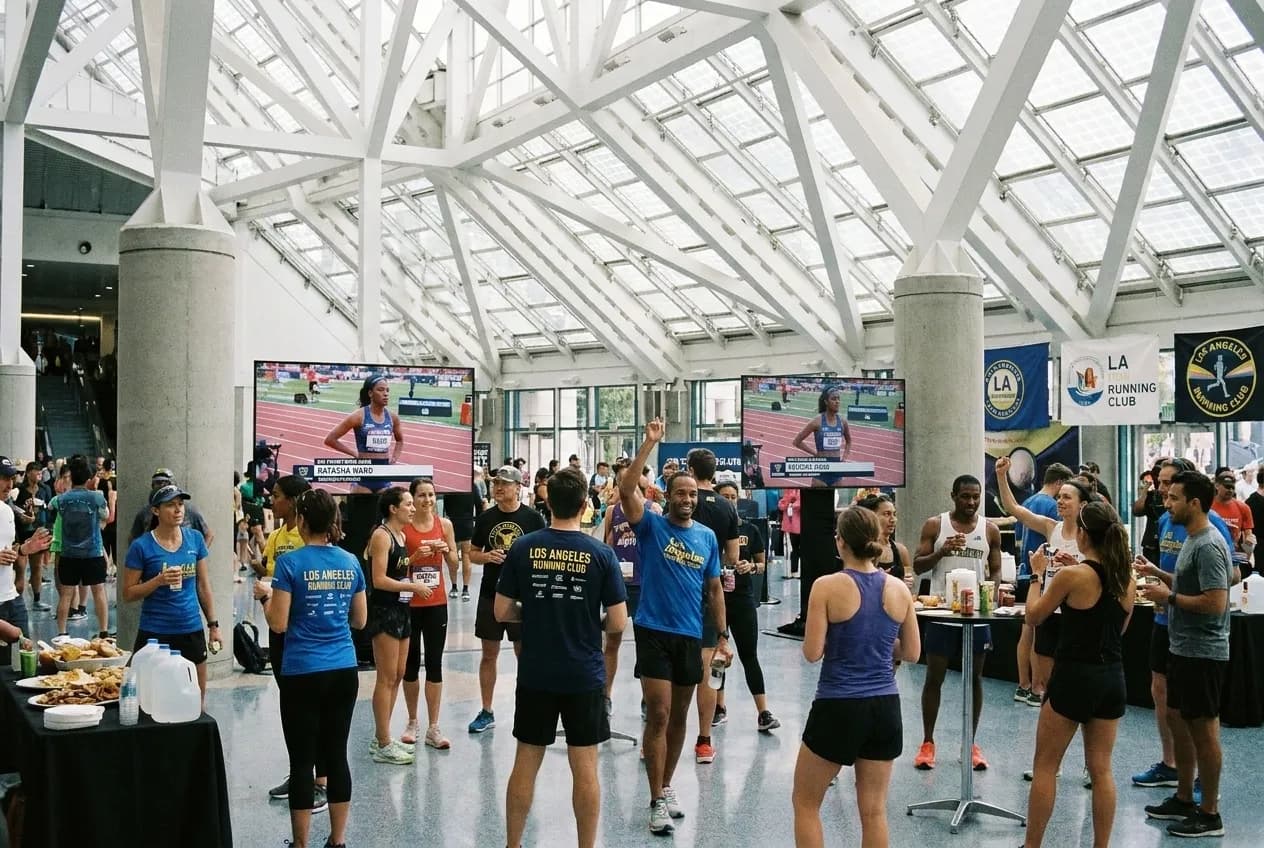
For runners in Los Angeles who follow elite competition, watching natasha ward track and field performances has evolved beyond solitary streaming. Several running clubs across the city now organize social viewing events during major international meets, creating spaces where intermediate and advanced runners gather to watch races together, then head out for post-competition group runs. These events blend athletic inspiration with community building, offering a structured way to connect training motivation with the excitement of professional track. The format typically involves streaming a morning or midday meet at a café, brewery, or club meetup point, followed by a discussion run through nearby routes. Because clubs operate independently with varying membership models, verifying current schedules, drop-in policies, and any associated fees requires direct contact with each organization.
Text Karpo your starting point, timing, group size, and priorities for a Los Angeles plan tailored to this exact situation, with one realistic backup before you leave.

Matching Your Fitness Level to Group Run Expectations
Most LA running clubs that host viewing events cater to intermediate fitness levels, meaning participants should be comfortable running 5-10 kilometers at a conversational pace after sitting for an hour or more. The post-viewing runs are typically social rather than competitive, but the group dynamic assumes baseline endurance and familiarity with pacing etiquette. If you're new to group running or returning from a break, confirming the expected pace range and distance beforehand helps avoid the awkward situation of either holding back faster runners or struggling to keep up. Some clubs offer multiple pace groups during regular runs but may consolidate for special events, so the usual structure might not apply on viewing days.
The intermediate designation also reflects the social context: participants often discuss race tactics, training periodization, and athlete performance with some technical vocabulary. While enthusiasm matters more than expertise, feeling completely lost in conversations about split times or qualifying standards can diminish the community experience these events aim to create. Attending a club's regular weekday run first provides a sense of the group's culture and typical pace before committing to a weekend viewing event that may involve membership fees or RSVP requirements.
Verifying Which Clubs Actually Stream Meets
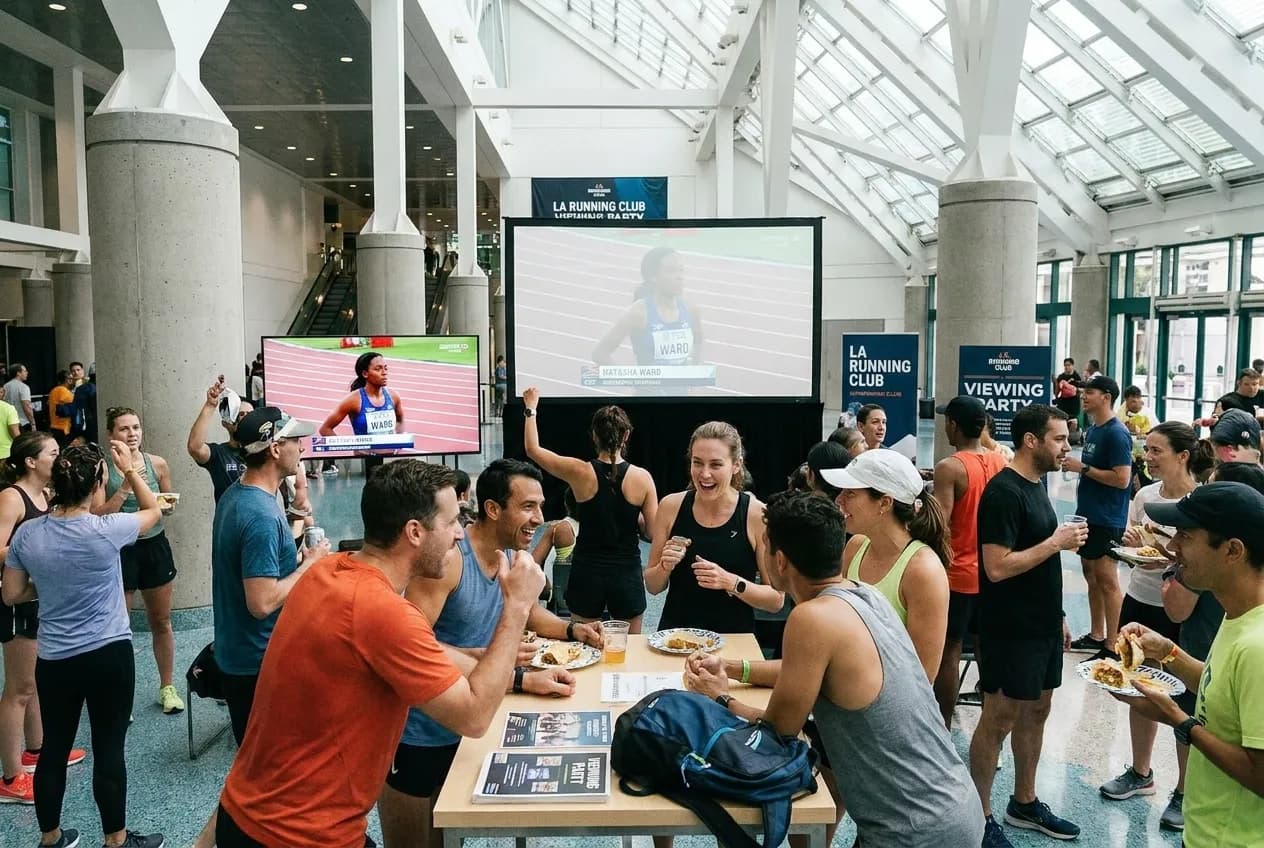
Not all running clubs that express interest in track and field actually organize regular viewing events, and social media announcements don't always translate to confirmed gatherings. The verification process involves checking club websites, Instagram stories, and member forums within a week of the competition you want to watch, since many clubs decide on viewing events based on meet schedules released only weeks in advance. Some clubs stream only championship finals or Olympic trials, while others focus on specific events like distance races or field competitions. Asking directly via email or at a regular club run about upcoming viewing plans yields more reliable information than assuming a club's general track enthusiasm means organized watch parties.
Streaming logistics also vary significantly. Some clubs secure café spaces with large screens and reliable internet, while others rely on laptop setups in public parks or member homes. The quality of the viewing experience—audio clarity, screen size, seating availability—can determine whether the event feels like a true community gathering or an improvised afterthought. Clubs that charge fees or require RSVPs typically offer more structured setups, but drop-in friendly groups provide lower-commitment entry points for testing whether this format suits your weekend routine.
Navigating Membership Versus Drop-In Access
LA running clubs operate under diverse models: some require annual or monthly membership fees that include all events, others charge per-event drop-in rates, and a few remain entirely free but request donations or expect participants to purchase food and drinks at host venues. Viewing events sometimes fall under special programming that costs extra even for members, particularly if the club rents private space or provides catered food. Understanding the financial structure before arriving prevents the uncomfortable moment of discovering an expected payment you hadn't budgeted for, especially since many clubs use apps or online payment systems rather than accepting cash on-site.
Drop-in access offers flexibility for runners who want to sample different clubs or only participate when schedule and interest align, but it may mean missing out on the deeper community bonds that develop among regular members. Some clubs reserve viewing event spots for members first, opening remaining spaces to drop-ins only days before the meet. If following a specific athlete like Natasha Ward motivates your interest, joining a club that consistently prioritizes track and field content may justify membership costs, whereas casual interest might be better served by attending only the biggest championship events as a drop-in.
Planning Transit and Post-Run Logistics
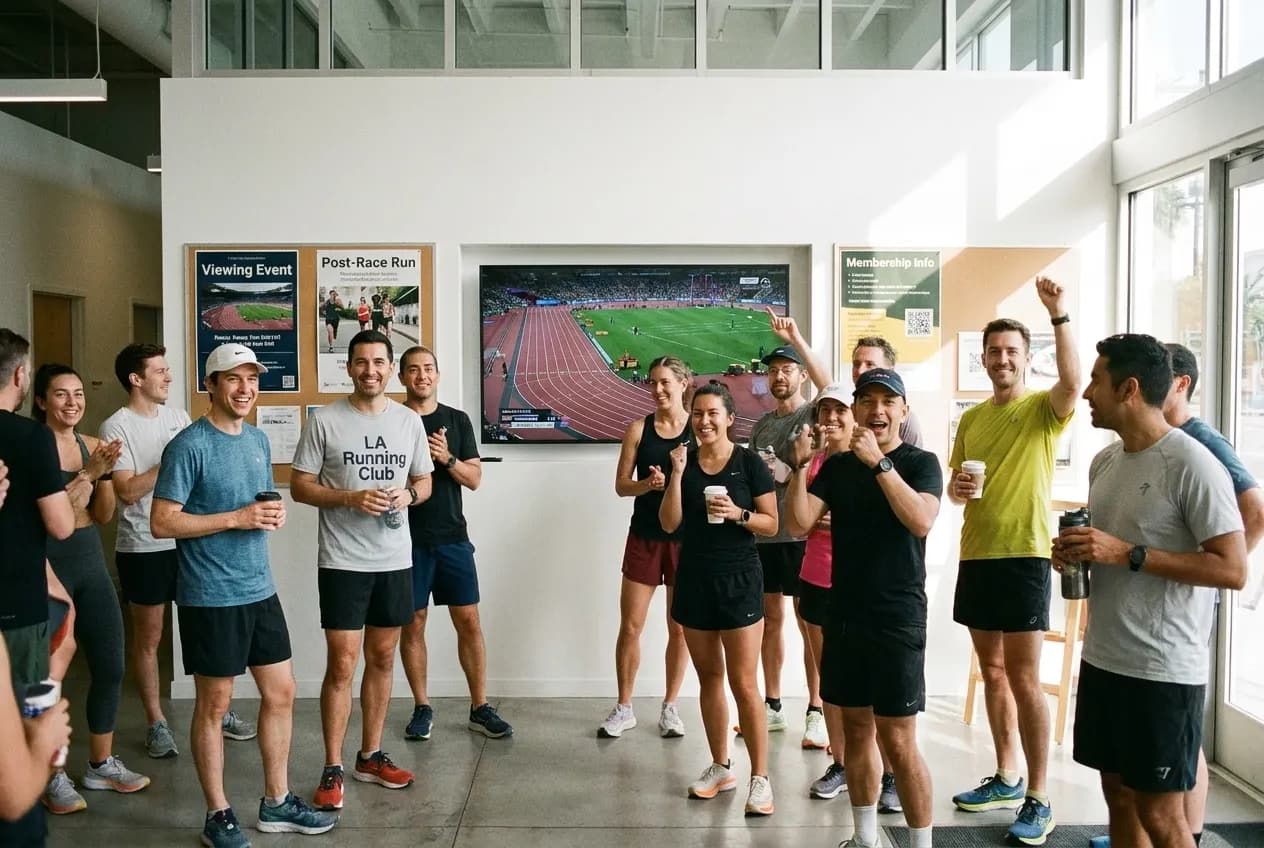
Weekend morning viewing events often start between 7 and 10 a.m. to align with international meet broadcasts, which can complicate transit planning depending on where the club gathers. Metro bus and rail service operates on weekend schedules with less frequency than weekday rush hours, so building in extra travel time prevents missing the opening races. The Metro system offers a $5 daily cap, meaning after three $1.75 rides you ride free for the rest of the day—useful if your route requires transfers or if you plan to explore the city after the group run concludes. Checking real-time arrivals through the LA Metro app helps manage connections, though some viewing locations in residential neighborhoods or hillside areas may require a bus-to-walk combination for the final approach.
Post-run logistics deserve equal consideration. Group runs from viewing events typically return to the starting point, but some clubs design one-way routes ending at breakfast spots or coffee shops, leaving participants to arrange their own return transit. Bringing a small pack with a transit card, phone, water, and perhaps a light layer makes the transition from sitting to running smoother, though excessive gear can feel cumbersome during the run itself. Clubs rarely provide gear check, so the tradeoff between preparedness and minimalism becomes a personal calculation based on distance from home and weather conditions.
Who This Format Serves Best
Social viewing events appeal most to runners who find solo training monotonous but feel intimidated by purely performance-focused club workouts. The structure provides built-in conversation topics and shared reference points, lowering social barriers compared to joining a group run cold. Runners who already follow professional track and field gain the added dimension of discussing races with others who noticed the same tactical moves or breakthrough performances, transforming passive watching into active analysis. The format also suits people whose weekend schedules accommodate mid-morning commitments but who want activities more engaging than standard coffee meetups.
Conversely, this format may frustrate runners seeking serious training stimulus or those who prefer watching sports in quiet focus. The social expectation to chat during and after races can detract from close attention to the competition itself, and the post-viewing run, while pleasant, typically lacks the intensity of structured workouts. Runners with very early or very late weekend obligations may find the timing inconvenient, and those living far from club gathering points face significant transit time for what amounts to a two-to-three-hour total commitment. The format works best as a supplement to regular training rather than a primary workout, offering community and inspiration rather than physiological adaptation.
Tags: #runningclubsLosAngeles #trackandfieldviewing #grouprunsLA #runningcommunity #weekendfitnessevents #socialsportswatching #intermediaterunning #LAMetroweekend #athleticsocialevents #runningclubmembership
Sources consulted: Source 1: laparks.org · Source 2: metro.net · Source 3: discoverlosangeles.com · Source 4: lacity.gov
All trademarks are the property of their respective owners.
Ask Karpo first
Ask Karpo to turn this Los Angeles idea into a current plan for your date, budget, companion, transit preference, and energy level. Karpo can narrow the route and flag what to verify before you go.