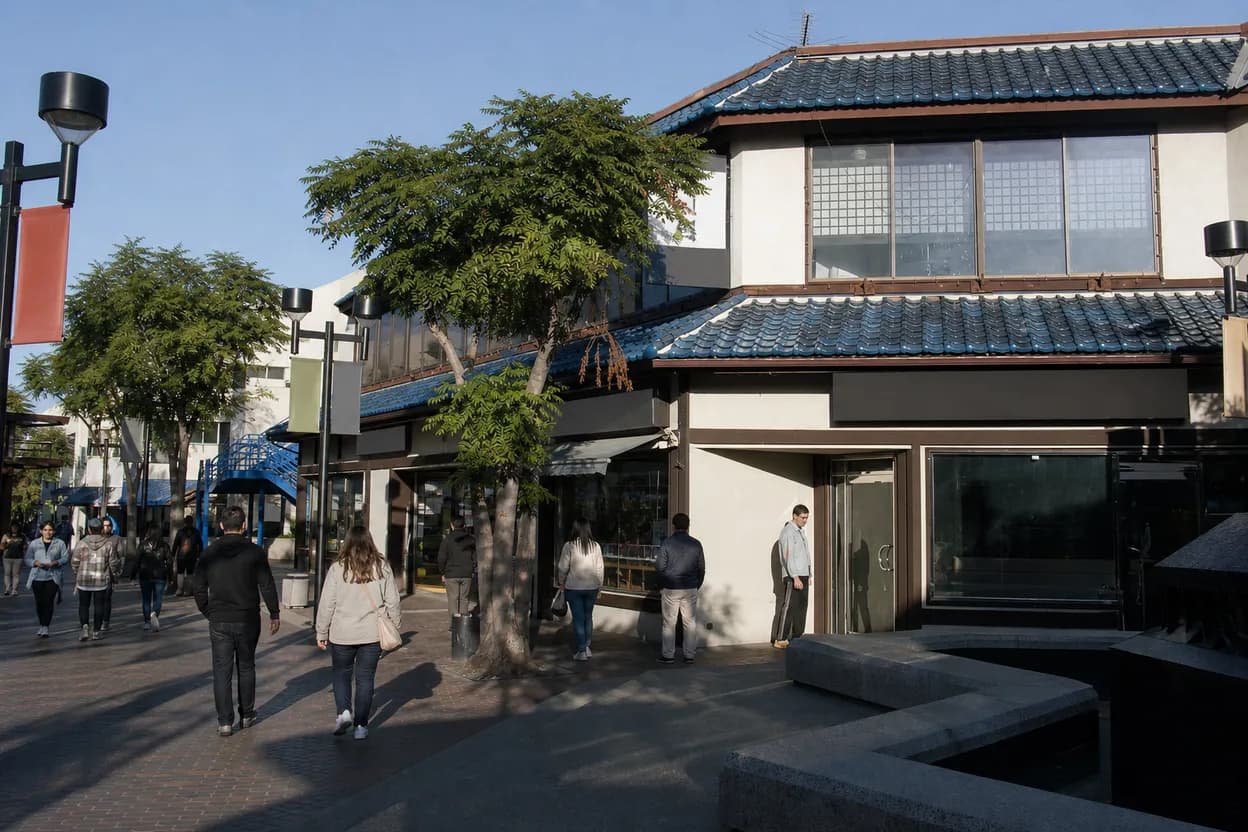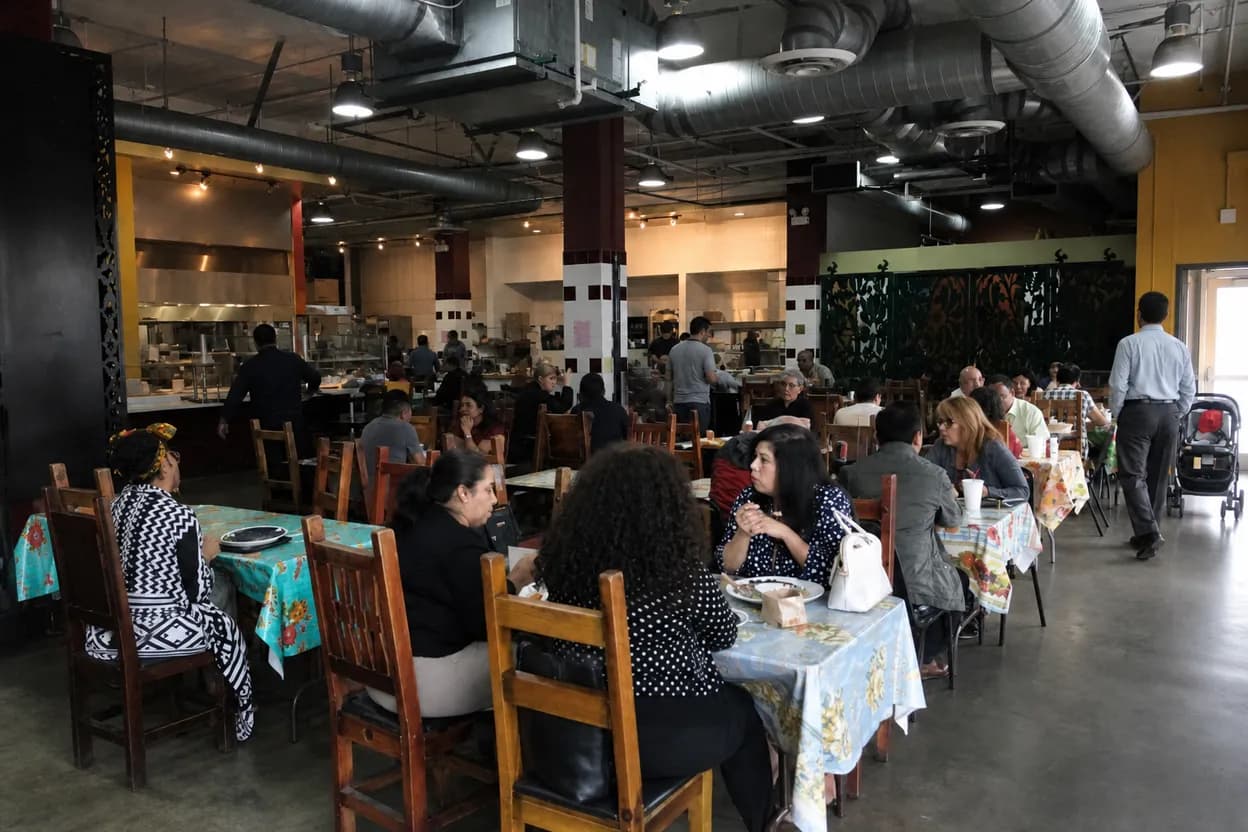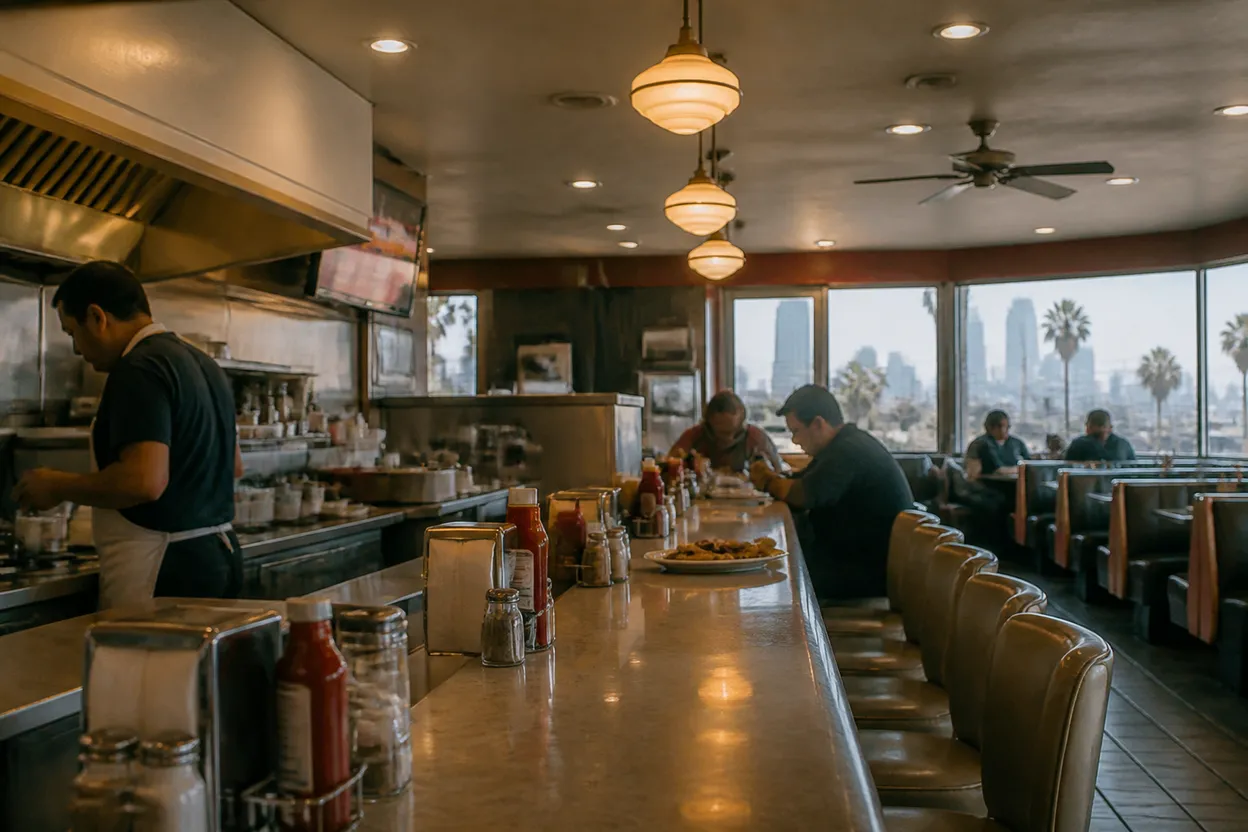
Los Angeles rewards people who plan by neighborhood instead of chasing a headline across the map. The phrase natasha ward track and field may be what brought you here, but the official extracts provided here do not confirm a local meet, appearance, team affiliation, stadium event, ticket, broadcast, or public athletics schedule connected to that search. Use the phrase as a planning hook instead. If your real goal is to be near sports culture, outdoor movement, museums, food, event listings, or transit-connected neighborhoods, the official Los Angeles tourism and Metro extracts give enough structure to build a careful day without adding unsupported claims. Discover Los Angeles presents the city through things to do, eat and drink, events, itineraries, tourism information, multicultural neighborhoods, museums, beaches, hiking, dining, and team-gear shopping. Metro adds the practical layer: arrivals, a trip planner, alerts, maps and schedules, the Official LA Metro App, fare payment updates, and D Line Extension station context.
Want a cleaner plan before you leave? Text Karpo to check Metro alerts, station choices, nearby LA neighborhood stops, and whether any athletics-related listing is actually official for this city plan.

Translate the headline into a neighborhood question
A search spike is not a schedule. If you are looking up natasha ward track and field from Los Angeles, the useful move is to turn curiosity into a grounded question: which part of LA are you trying to visit, and what kind of sports-adjacent or active day do you want? The official Los Angeles tourism extract points visitors toward Things to Do, Eat & Drink, Find Events, Itineraries, Where to Stay, Tourist Information, arts and culture, outdoors and wellness, beaches, hiking trails, dining, sports gear, and points of interest. That is enough to shape a day, but not enough to claim a specific athlete connection.
For a public sports-culture or active-city guide, start with the neighborhood purpose. Are you trying to shop for LA team gear, build in a museum stop, find a beach or hiking option, check an event listing, or keep the day close to transit? Discover Los Angeles lists itineraries including “3 Days of Streetwear and LA Team Gear,” “3 Days of LA’s Great Outdoors,” “3 Days of Arts and Culture in LA,” “3 Days of Dining in LA,” and “3 Days of Fabulous LA Film Locations.” Those categories are safer planning anchors than rumor because they describe official visitor content rather than an assumed appearance.
Choose the area by the actual task
Los Angeles is too spread out for vague plans. If the task is sports atmosphere, use official sports-gear or event resources as a starting point. If the task is movement, choose an outdoor route from official outdoors and wellness coverage. If the task is food, build around a dining district rather than forcing a cross-city detour. Discover Los Angeles describes LA as home to renowned museums, unique hotels, diverse experiences, and 75 miles of sunny coastline. It also says the best way to discover LA is by exploring vibrant multicultural neighborhoods. That supports a neighborhood-first plan, not a claim about a single unverified sports listing.
A practical sequence can stay inside one corridor: an official visitor itinerary idea, then food, then a transit-connected museum or outdoor backup. The Discover Los Angeles extract also includes Find Events and an Upcoming Events list with dated listings, such as Ed Sheeran on August 8, 2026, How to Train Your Dragon in Concert on August 9, 2026, and Dine LA Restaurant Week from August 14 to August 28, 2026. Treat these as examples of official event-listing structure, not proof that every listing will fit your plan. If an event matters to your day, verify its own official page before relying on time, entry, or location details.
This is especially important around major venues or crowded districts. The official extracts here do not provide stadium policies, prices, gates, athletics schedules, road closures, reservation rules, or venue entry requirements. A publication-ready plan should say that plainly: decide the neighborhood first, then verify the event-level facts from the relevant official source before you cross town.
Use transit exits as planning anchors
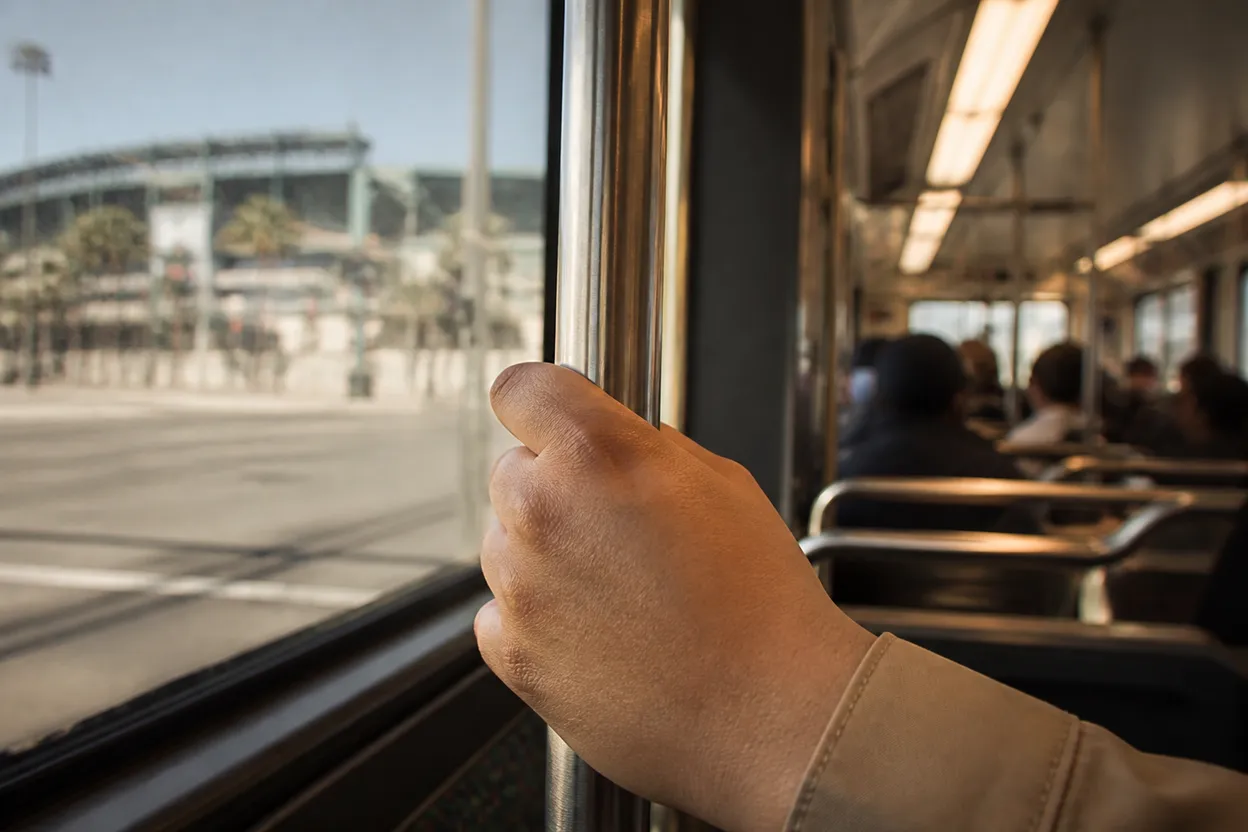
Metro is the practical spine of the plan because it reduces the number of guesses. The official Metro extract highlights Arrivals, Trip Planner, Alerts, Maps & Schedules, and the Official LA Metro App. It says the app provides real-time arrivals, step-by-step directions, and service alerts. For an LA active-neighborhood day, the first precise actionable detail is simple: check Metro alerts and real-time arrivals before committing to a transfer, final walk, or meeting point.
The second actionable detail is fare access. Metro states that riders can now pay fare with a credit or debit card, in plastic or digital form, by tapping on a bus or at train stations. That can simplify a visitor plan, but a cautious guide should still tell readers to confirm the payment option before departure, especially if they are coordinating a group, using multiple devices, or depending on one person’s card.
The third detail is station choice. Metro’s extract says new stations at La Brea, Fairfax, and La Cienega connect the cultural energy of Mid-Wilshire with Koreatown and Downtown LA. That does not make those stations the right answer for every sports-related search, but it does give a named corridor for a museum, food, or neighborhood backup. Transit exits are better anchors than vague neighborhood labels because they give everyone the same point to check in the Metro app, maps, schedules, and alerts.
Add one indoor and one outdoor backup
A good LA plan has a backup that still fits the day. For an indoor option, lean on the official tourism extract’s arts and culture coverage. Discover Los Angeles surfaces “The Guide to Summer Events at LA Museums,” “Discover LA’s Museum Row & More Car Free,” and “3 Days of Arts and Culture in LA.” Because exhibition hours, ticketing, reservations, and entry rules are not supplied in the extracts, use that information directionally: pick the district or itinerary theme, then verify the specific museum’s current details before you go.
For an outdoor option, use the city’s scale carefully. Discover Los Angeles highlights “The Best Beaches in Los Angeles,” with beaches from Malibu to the South Bay, plus “LA’s Best Hiking Trails” and “3 Days of LA’s Great Outdoors.” Those official references support an active backup, but they do not supply trail conditions, weather, parking, transit times, water access, or beach-specific safety rules. If your original plan becomes crowded, delayed, or unclear, an outdoor pivot can keep the day active without pretending there is a confirmed sports event tied to the trend.
The useful pairing is one indoor option near transit and one outdoor option that does not require a fragile chain of transfers. If you are already considering Mid-Wilshire, Metro’s La Brea, Fairfax, and La Cienega station names can help frame a cultural or food stop before branching elsewhere. If you are building around coastline or hiking, treat weather, route timing, and access details as same-day checks rather than fixed promises.
Avoid treating online attention as a local promise
The internet often collapses different things into one search: an athlete’s name, a city, a sport, a stadium, and a hope that something nearby is happening. That does not make a local event real. The phrase natasha ward track and field belongs in this guide because it is the search context, but nothing in the provided official Los Angeles, Metro, or LA Parks extracts confirms a Natasha Ward appearance, LA affiliation, public meet, ticketed event, broadcast, venue schedule, or official athletics listing.
That distinction protects the reader. It keeps a neighborhood guide from becoming a rumor amplifier. If you want to spend the day near sports energy or active-city culture, use official calendars, official visitor pages, Metro service information, and neighborhood resources. If the official sources do not say a person will appear, the article should not imply it with soft language like “expected,” “linked,” “set to,” or “appearing.”
This is also the more locally literate way to move through LA. The extracts support plans around events, museums, dining, beaches, hiking, team gear, and transit tools. They do not support hard claims about athletics schedules, event access, venue operations, reservations, prices, or broadcast availability. The practical question is whether your route, meeting point, backup stop, and source check are solid enough for the day you travel.

Verify conditions before crossing the city
Before you leave, run a short verification loop. Check Metro alerts and real-time arrivals in the Official LA Metro App or through Metro’s trip planning tools. Review Maps & Schedules if the route depends on a transfer. Confirm your payment method, since Metro describes tap-to-pay by credit or debit card at buses and train stations as a fare option. Recheck any official event listing if it affects your arrival time, because the extracts show dated event listings but do not guarantee every operational detail for your trip.
Then check the neighborhood sequence. If you are using Mid-Wilshire, note that Metro identifies La Brea, Fairfax, and La Cienega as D Line Extension stations connecting Mid-Wilshire with Koreatown and Downtown LA. If you are building a visitor day, Discover Los Angeles offers official paths into museums, outdoors, dining, sports gear, beaches, hiking trails, events, and multicultural neighborhoods. Keep the day tight enough that one missed connection does not wreck it.
Finally, separate excitement from evidence. A smart LA plan can begin with a sports search, but it should end with verified logistics: station, alert check, route, payment method, indoor backup, outdoor backup, and official source review. That is how you get a useful Los Angeles active-neighborhood day without overstating what the headline proves.
Tags: #AskKarpo #BeforeYouGo #LosAngeles #LATransit #MetroLA #NeighborhoodGuides #TrackAndField #SportsTravel #MidWilshire #KoreatownLA #DowntownLA #LAOutdoors #LAMuseums #DiscoverLA
Sources consulted: discoverlosangeles.com · metro.net · laparks.org
All trademarks are the property of their respective owners.
Ask Karpo first
Ask Karpo first when the plan depends on a headline, a station, or a long cross-city ride. Karpo can help separate online attention from official local details, check Metro planning points, and keep your Los Angeles active-neighborhood day tied to verifiable conditions before you go.