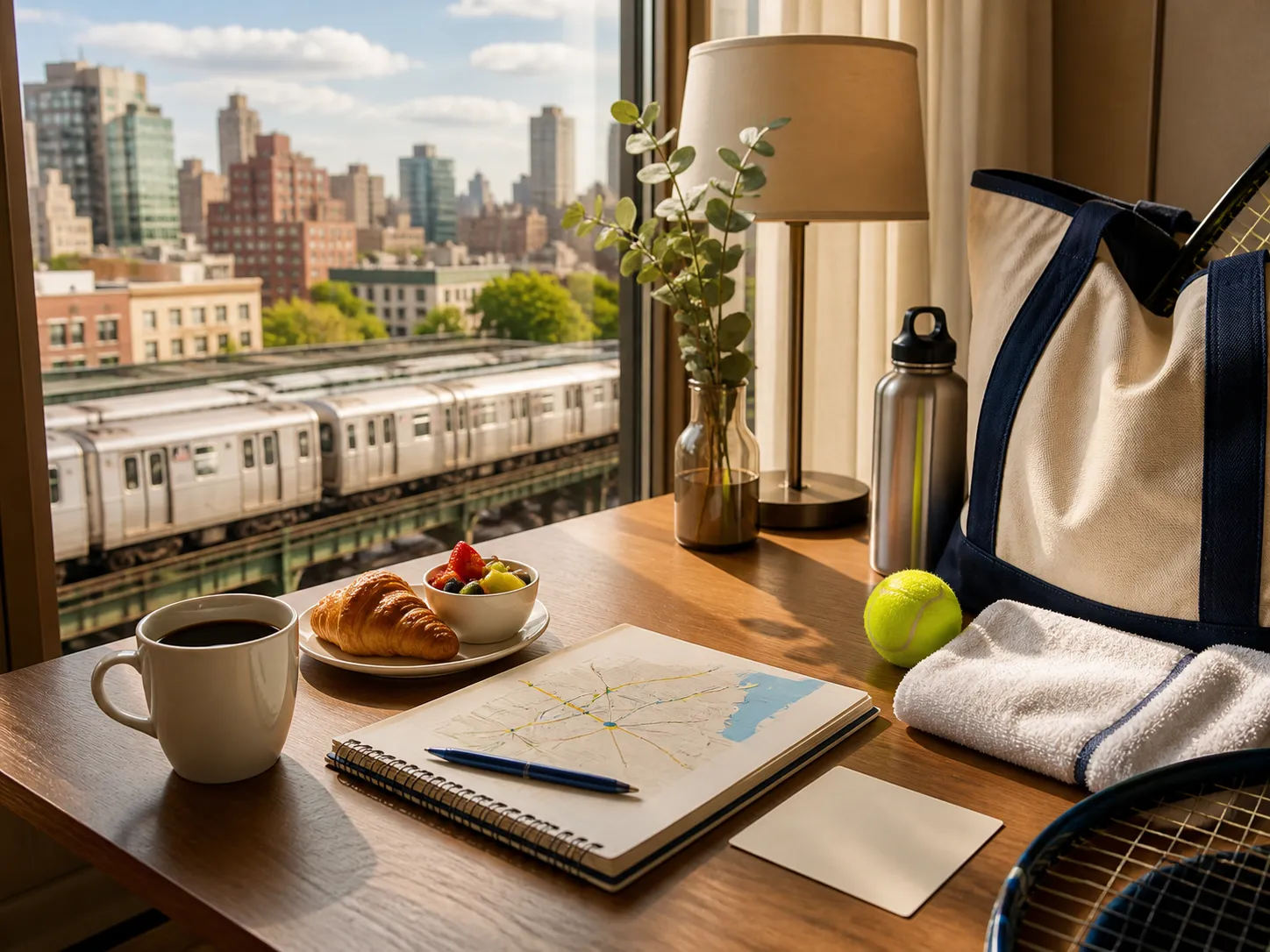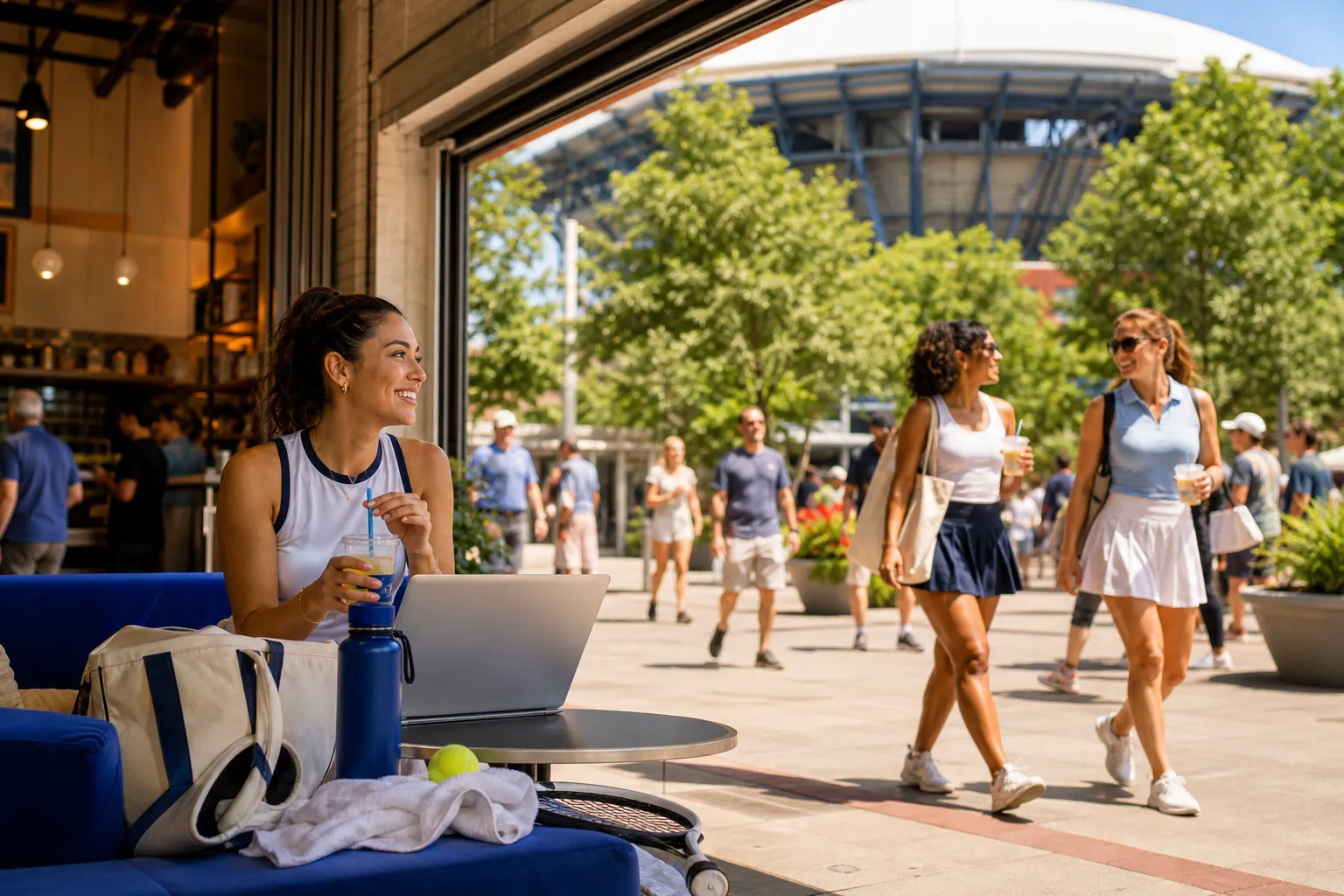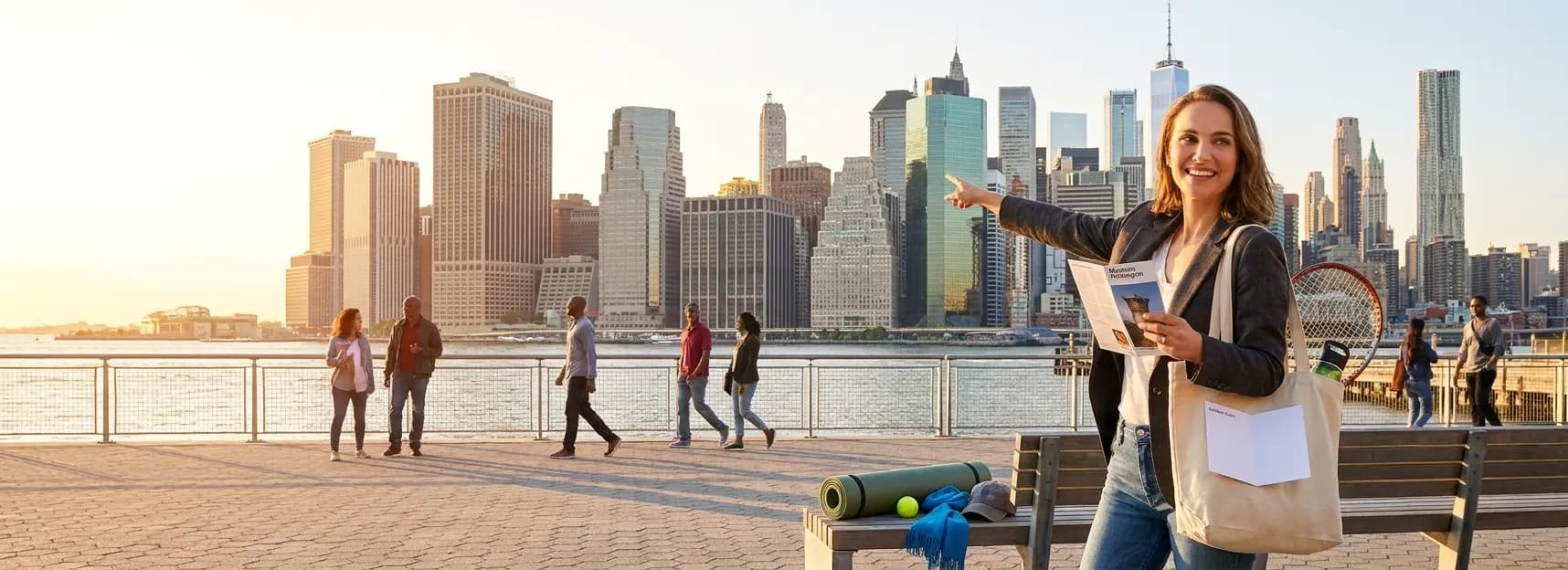
Natalie Portman's film work often explores New York settings, and that same cinematic curiosity makes a useful lens for planning daytime cultural stops in Queens before evening US Open sessions. The 2026 tournament runs late August through early September, with night sessions typically starting around 7 p.m. at the USTA Billie Jean King National Tennis Center in Flushing Meadows Corona Park. If you're holding an evening ticket, you have a full afternoon to explore the museums, galleries, public art, and neighborhood corners along the 7 train corridor—from Long Island City's waterfront institutions to Flushing's historic sites—before heading to the courts. This guide walks through practical pairings that respect your session start time, transit connections, and the rhythm of a long tournament day.
Text Karpo with your US Open session time and Queens starting point, and we’ll turn this film and art stops before night sessions into a practical local plan.
Understanding the Evening Session Window
The US Open's official event schedule, published at usopen.org, typically lists night sessions beginning at 7 p.m., though gates open earlier and warm-up matches or ceremonies may adjust the timeline. If you're planning a museum or gallery visit earlier in the day, work backward from a 6 p.m. arrival at the Billie Jean King National Tennis Center to allow time for security screening, bag checks, and the walk from the Mets–Willets Point station. That leaves a window from late morning through mid-afternoon for cultural stops, lunch, and a relaxed transit buffer. The MTA's official US Open transit guide at new.mta.info/guides/stadiums/us-open confirms that the 7 train runs express service during the tournament, and the station is directly adjacent to the tennis center. Checking the MTA service status page at new.mta.info/ on the day of your visit helps you adjust for any planned work or delays.
Long Island City: Waterfront Museums and Sculpture Parks
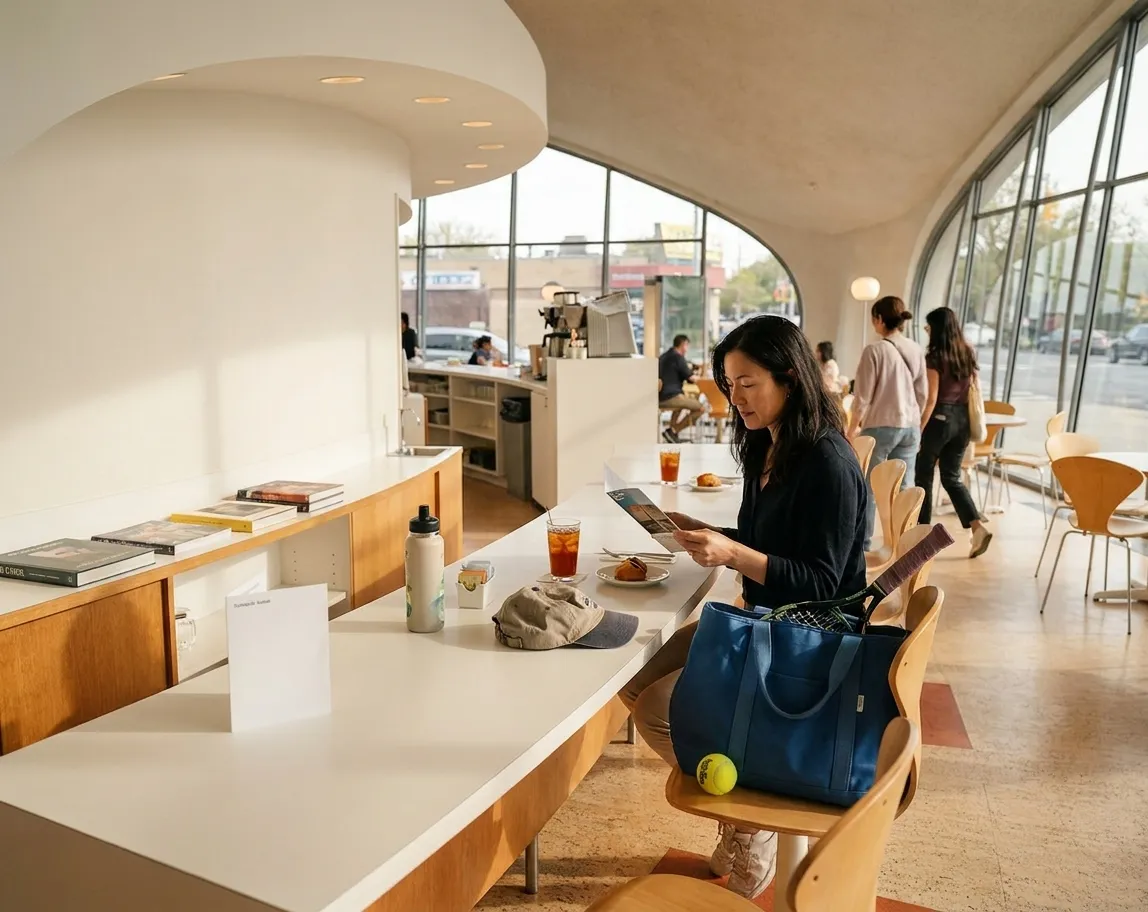
Long Island City, two stops from Grand Central on the 7 train, hosts several contemporary art institutions within walking distance of the Court Square and Hunters Point Avenue stations. MoMA PS1, the Noguchi Museum, and SculptureCenter all offer rotating exhibitions, and their websites publish current hours and admission policies. A morning visit to one or two venues, followed by a walk along the East River waterfront at Gantry Plaza State Park, gives you river views, public benches, and a chance to reset before the evening's tennis. Many visitors pair a gallery stop with lunch at one of the neighborhood's cafes or delis near Jackson Avenue, then board the 7 train eastbound toward Flushing Meadows by early afternoon. The ride from Court Square to Mets–Willets Point takes roughly fifteen minutes under normal service.
Flushing Meadows Corona Park: Public Art and Historic Landmarks
Flushing Meadows Corona Park, home to the US Open, is also a 1,255-acre public park with landmarks from the 1939 and 1964 World's Fairs. The Unisphere, Queens Museum, and New York Hall of Science all sit within the park boundaries, and the NYC Parks website at nycgovparks.org/parks/flushing-meadows-corona-park offers maps, historical context, and facility information. The Queens Museum, located near the Unisphere, houses the Panorama of the City of New York—a room-sized scale model—and rotating contemporary exhibitions. A midday visit to the museum, a walk around the Unisphere for photographs, and a pause at one of the park's picnic areas can fill two to three hours before you walk or take the park's internal paths toward the tennis center. The Hall of Science, a short walk north, appeals to visitors interested in interactive exhibits and design history. Both institutions publish their hours and admission details on their respective websites, and it's worth confirming any special closures or events during the tournament fortnight.
Jackson Heights and Corona: Neighborhood Galleries and Bookstores
Jackson Heights and Corona, both served by the 7 train, offer smaller-scale cultural stops: independent bookstores, community galleries, and historic theaters. The neighborhood's side streets are known for their garden apartment complexes, and a walk along 82nd Street or Roosevelt Avenue reveals murals, shop windows, and public seating. Some visitors use a late-morning or early-afternoon hour to browse a bookstore, pick up a snack from a local bakery, and sit in Travers Park or the Jackson Heights greenmarket before continuing east to the tennis center. These stops are less formal than museum visits but add texture to the day and respect the rhythm of a neighborhood that hosts thousands of tournament visitors each year. Checking individual business hours online or by phone close to your visit helps avoid closed doors.
Timing, Transit, and the 7 Train Corridor
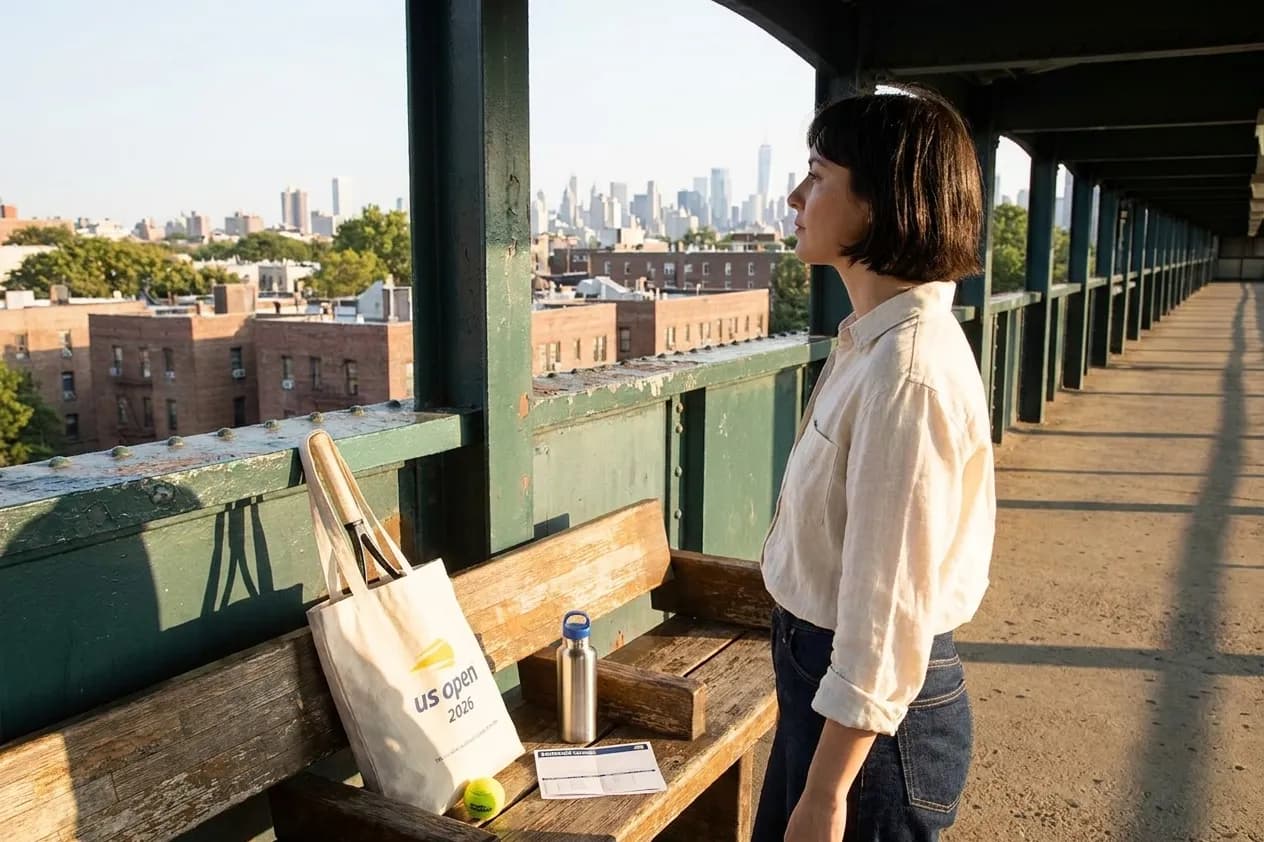
The 7 train is the primary transit artery for US Open visitors, and the MTA's official guide at new.mta.info/guides/stadiums/us-open details express service patterns, station accessibility, and connections to other subway lines and the Long Island Rail Road. During the tournament, the MTA often adds extra trains and staff to manage crowds, especially before and after evening sessions. If you're planning a museum stop in Long Island City or a gallery visit in Jackson Heights, allow at least thirty minutes of buffer time for unexpected delays, crowded platforms, or a slower walk than anticipated. The US Open's official transportation directions page at usopen.org/en_US/visit/transportation_directions.html also lists options for LIRR service to Mets–Willets Point and accessible routes for visitors with mobility needs. Carrying a printed or saved copy of your ticket, a portable phone charger, and a small bag that meets the tournament's prohibited-items guidelines—published at usopen.org/en_US/visit/prohibited_items.html—keeps the transition from museum to stadium smooth.
Practical Notes for Museum and Art Stops Before Night Sessions
- Check museum and gallery websites for current hours, admission fees, and any advance reservation requirements during the US Open fortnight.
- Plan to arrive at the Billie Jean King National Tennis Center by 6 p.m. for a 7 p.m. night session, allowing time for security screening and bag checks.
- Review the US Open's prohibited-items guide at usopen.org/en_US/visit/prohibited_items.html before packing; large bags, backpacks, and certain containers are not permitted.
- Use the MTA service status page at new.mta.info/ on the day of your visit to check for planned work or delays on the 7 train.
- Carry a portable phone charger, a refillable water bottle (empty before security), and a light layer for air-conditioned museum spaces and evening outdoor seating.
- Consider a late lunch or early dinner in Long Island City, Jackson Heights, or Corona rather than relying solely on stadium concessions.
- Save digital or printed copies of your US Open ticket, museum confirmations, and transit directions in case of low phone battery or connectivity issues.
Respecting the Rhythm of a Tournament Day
Pairing a museum visit with an evening tennis session requires balancing curiosity with stamina. A morning gallery stop, a midday walk through Flushing Meadows, and a relaxed transit buffer create a day that feels full without feeling rushed. The US Open's official visitor A-Z guide at usopen.org/en_US/visit/a_z.html covers everything from accessible seating to water-bottle refill stations, and reviewing it before your visit helps you anticipate what's available inside the grounds. Many visitors find that a single focused cultural stop—one museum, one park walk, one neighborhood browse—leaves energy for the evening's matches and the late-night subway ride home. Queens rewards that kind of pacing, and the 7 train corridor offers enough variety that you can tailor the day to your interests without overcommitting.
US Open, USTA, Billie Jean King National Tennis Center, MTA, New York City Parks, MoMA PS1, Noguchi Museum, Queens Museum, and New York Hall of Science are trademarks of their respective owners. This article is not sponsored by, endorsed by, or affiliated with any trademark holder, the United States Tennis Association, the Metropolitan Transportation Authority, or any museum, gallery, or cultural institution mentioned.
Ask Karpo First
Tags: #USOpen2026 #Queens #FlushingMeadows #KarpoFinds #Karpo #natalieportman #NewYorkLocal #TennisTravel #NYCLocalLife #TennisTravel
Sources consulted: usopen.org — Official event schedule · usopen.org — Official visitor A-Z guide · usopen.org — Official transportation directions · usopen.org — Official prohibited-items guide · MTA — Official US Open transit guide · NYC Parks — Flushing Meadows Corona Park · NYC Tourism — Queens · MTA — Service status
All trademarks are the property of their respective owners.
Ask Karpo first
Want to know what is actually open, how to time the trip, and where to pause around Queens? Ask Karpo for the latest public US Open context, a respectful visitor plan, and a live route around Flushing Meadows before you head out.