If naomi osaka brought you here, treat it as a search cue, not a rumor. San Francisco rewards people who check the room, the route, and the fallback before they commit to dinner. The city’s Department of Public Health says it handles food safety education, inspection, permitting, and restaurant health scores, while SFMTA gives riders a trip planner, Muni routes, bike, walk, drive, taxi, and accessibility options. That combination is enough to build a real plan: pick a place that fits your group, confirm how you will get there, and make sure the official page still matches the clock before you head out.
Want a cleaner San Francisco dinner plan? Text Karpo and we’ll help you verify transit, restaurant health scores, and a practical backup before you leave the house.

Use the trend as a dinner conversation hook
The smart way to use naomi osaka in San Francisco is to treat it like a conversation starter, not a destination clue. A search spike can help you notice what is moving in the moment, but it does not tell you whether a room is open, whether the route is reliable, or whether the place even fits your group. In a city where dinner plans can change fast, verification beats hype every time.
Start with the official pages that actually govern the trip. SFDPH says it protects and promotes public health and specifically covers food safety education, inspection, permitting, and health scores for restaurants. SFMTA, meanwhile, gives you trip planning, route lookup, accessibility info, and travel modes beyond driving. If you remember nothing else, remember this: the trend may get your attention, but the city pages should make the decision.
Choose the room before choosing the menu
In San Francisco, the room matters as much as the menu. A restaurant can look perfect on paper and still fail the real-life test if the entry is awkward, the seating is cramped, or the environment is too loud for your group. That is why a verification-first plan starts with the public pieces you can actually check: health score information, the establishment’s official page, and the basic logistics of how the visit will work.
SFDPH’s restaurant-related pages are the place to begin when you want something more reliable than hearsay. Use them to confirm the public health side of the visit, then look at the restaurant’s own site for any current notes that could change the experience. If a place looks busy, trendy, or hard to enter, do not assume it is the best choice. Choose the room that makes the night easier, not the one that only sounds impressive.
Match the market or hall to the group
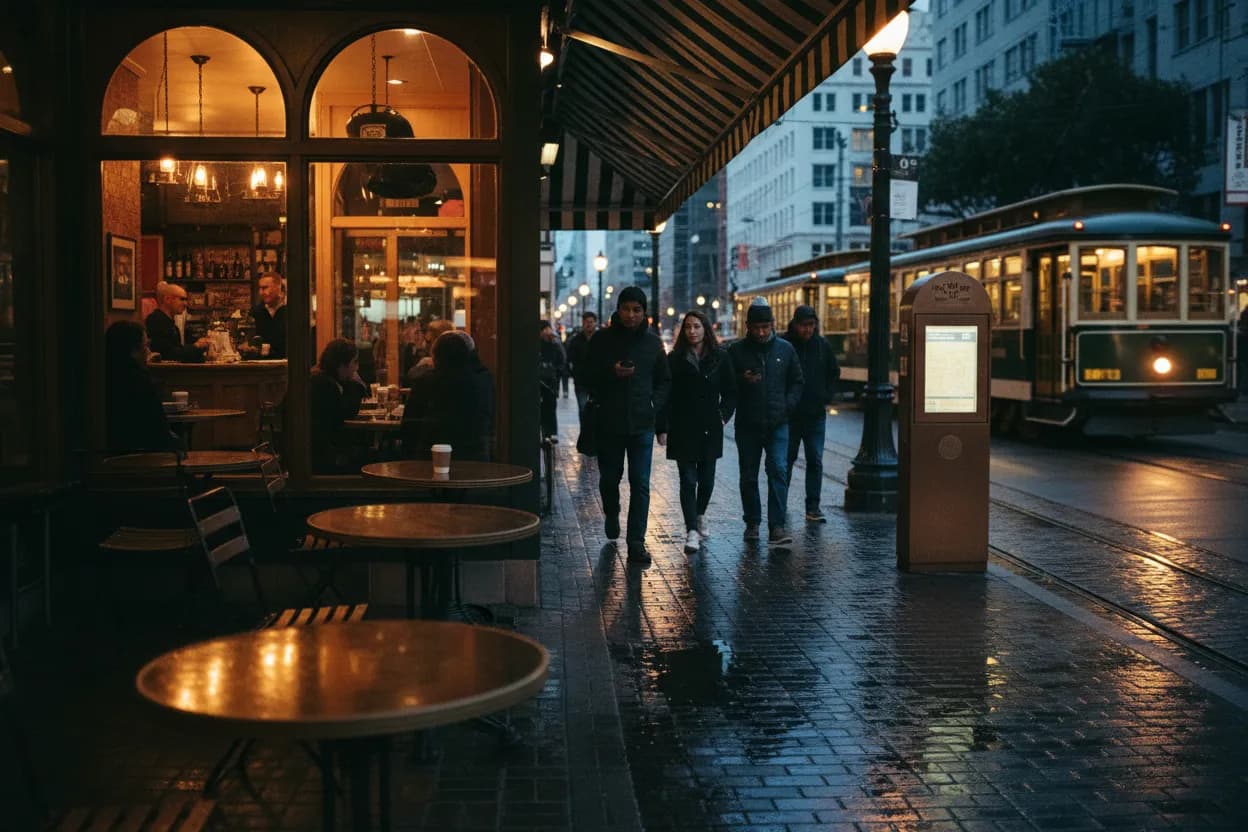
A market or food hall can work better than a sit-down restaurant when your group is mixed. One person wants a quick bite, another wants to linger, and somebody else only cares about getting in and out without friction. SFMTA’s trip planner is useful here because it lets you compare Muni, bike, walk, drive, and taxi options before you lock in the plan. That is the practical part people skip when they are chasing a name instead of a workable evening.
Accessibility should decide the format as much as appetite does. SFMTA specifically points visitors to accessibility information, neighborhoods, and multiple ways to move around the city. If a hall or market is the easier fit, verify the route first, then confirm the layout on the venue’s official page. A good match is not just about food variety; it is about whether everyone can actually get there and stay comfortable once they arrive.
Keep the first stop easy to reach
The easiest dinner plans in San Francisco usually begin with the easiest first stop. If the opening leg of the night is simple, the whole outing feels lighter. Use SFMTA’s Muni Routes & Stops and For Visitors pages to find a stop or corridor that reduces walking, transfers, or guesswork. That matters even more if your group includes someone who prefers transit over driving or wants the shortest possible path from stop to table.
Do not rely on memory for service conditions. SFMTA posts alerts and travel updates, and the current site shows live service information that can change quickly. The page also notes that Muni service changes start Aug. 29, 2026, which is another reminder to verify before leaving. A restaurant plan is stronger when the first stop is reachable without drama, because the evening should begin with movement, not uncertainty.
Save a nearby option for long waits
Crowds are one of the most common reasons a dinner plan falls apart, especially when everyone arrives at the same time. The fix is simple: keep a second option nearby, ideally in the same corridor or neighborhood cluster, so a long wait does not force you to rebuild the whole night. This is not a promise that your first choice will be available; it is a way to avoid wasting the trip if it is not.
Your backup should be easier, not fancier. If the main place looks packed, or if the transit connection is less clean than expected, shift to the nearer option and keep moving. SFMTA’s route and trip tools make that easier because you can compare whether a quick pivot still works by Muni, on foot, or by another verified mode. A backup only helps if it saves time instead of adding a second problem.
Verify vendor hours before leaving
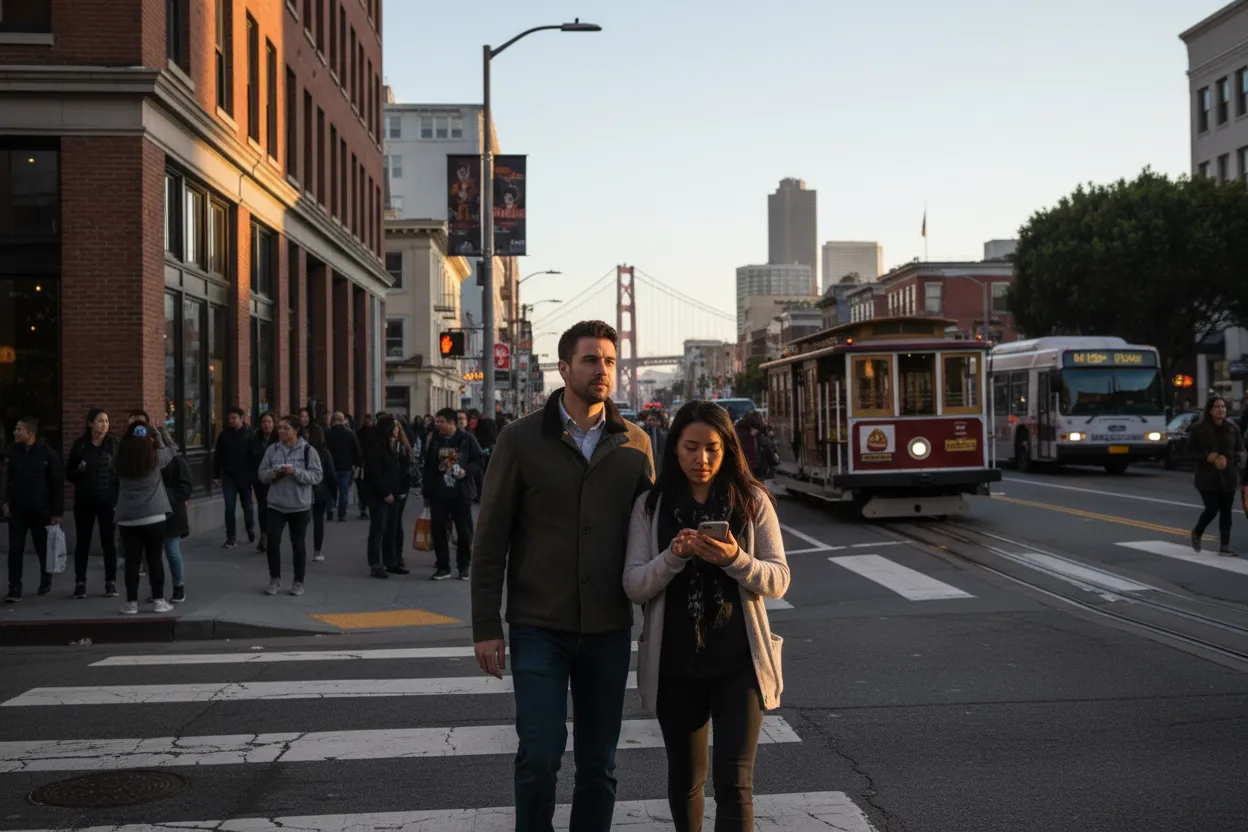
Hours are one of the most changeable parts of any restaurant plan, and none of the official extracts here give a stable schedule you should trust without checking again. That means the last confirmation belongs on the restaurant’s own official page, or on the market or hall page if that is where you are heading. If the venue publishes hours, treat them as the source of truth until you are standing at the door.
Use the same rule for transit. Check SFMTA right before you leave, especially if you are depending on a specific line, stop, or transfer. The city pages are built for exactly this kind of verification: health safety on one side, transportation on the other. When the plan is simple enough to survive a last-minute check, you are far more likely to have an actual dinner instead of a scavenger hunt.
Tags: #AskKarpo #BeforeYouGo #SanFrancisco #SFRestaurants #FoodSafety #HealthScores #SFMTA #Muni #TransitCheck #DiningPlan #BayAreaEats #Accessibility #RestaurantGuide #CityGuide
Sources consulted: sftravel.com · sfdph.org · sfmta.com
All trademarks are the property of their respective owners.
Ask Karpo first
Ask Karpo first if you want a San Francisco restaurant plan that stays practical: we can help you check the public health-score page, line up the easiest SFMTA route, and keep a slower, closer fallback ready in case the room or the ride looks wrong.