my life with the walter boys season 3: A Useful Miami City Guide starts with a boundary: this is not a claim that the series, cast, producers, or any related event is in Miami tonight. Treat the phrase as an easy icebreaker for a group chat, then plan the actual night around public information you can verify. Miami is built for nightlife decisions that change by neighborhood, weather, music program, transit status, and crowd mood. The official Greater Miami & Miami Beach visitor site frames the destination around beaches, food, arts, culture, events, and nightlife energy, while Miami-Dade Transit asks riders to check alerts, service updates, trip planning, and real-time tracking. That is the useful part: verify first, then go out.
Want a tighter Miami night-out plan before you leave the hotel, beach, or dinner table? Text Karpo with your neighborhood, sound preference, transit comfort, and backup needs.

Use the topic as the night’s conversation starter
A search hook is useful only if it does not become a false promise. If someone in the group brings up my life with the walter boys season 3, let it open the night: which character would survive South Beach, which friend would choose Wynwood, who would insist on Downtown, who wants music rather than a velvet-rope scene. Then stop there. Do not build your plan around unverified cast sightings, secret parties, private access, or supposed filming locations. The official visitor information for Greater Miami & Miami Beach supports a broad night-out frame: food, drink, arts, culture, beaches, music, and neighborhood variety. It does not give you permission to assume a specific celebrity tie-in.
That skepticism keeps the night usable. Miami rewards people who decide what kind of evening they want before chasing noise. A group that only says “somewhere fun” can lose an hour in rides, lines, weather, and mismatched expectations. A group that says “one conversational drink, one higher-energy room, public transit checked before departure, backup nearby” has a plan. The TV phrase can be the social spark; the city plan still needs verification.
Choose sound level before cocktails
For a Miami bars night, choose sound level first: conversation, live music, dance floor, or late-night electronic set. The official visitor site highlights Miami’s dynamic arts and culture, live music, theater, dance, festivals, and music events. It also lists featured events that can include performances on a specific date, such as contemporary dance, a touring singer-songwriter performance, and a late-night electronic music set. Those listings are useful clues, not guarantees for your exact outing. Before leaving, open the official event page for the venue or organizer and confirm the program, age/access rules, arrival guidance, and whether anything has changed.
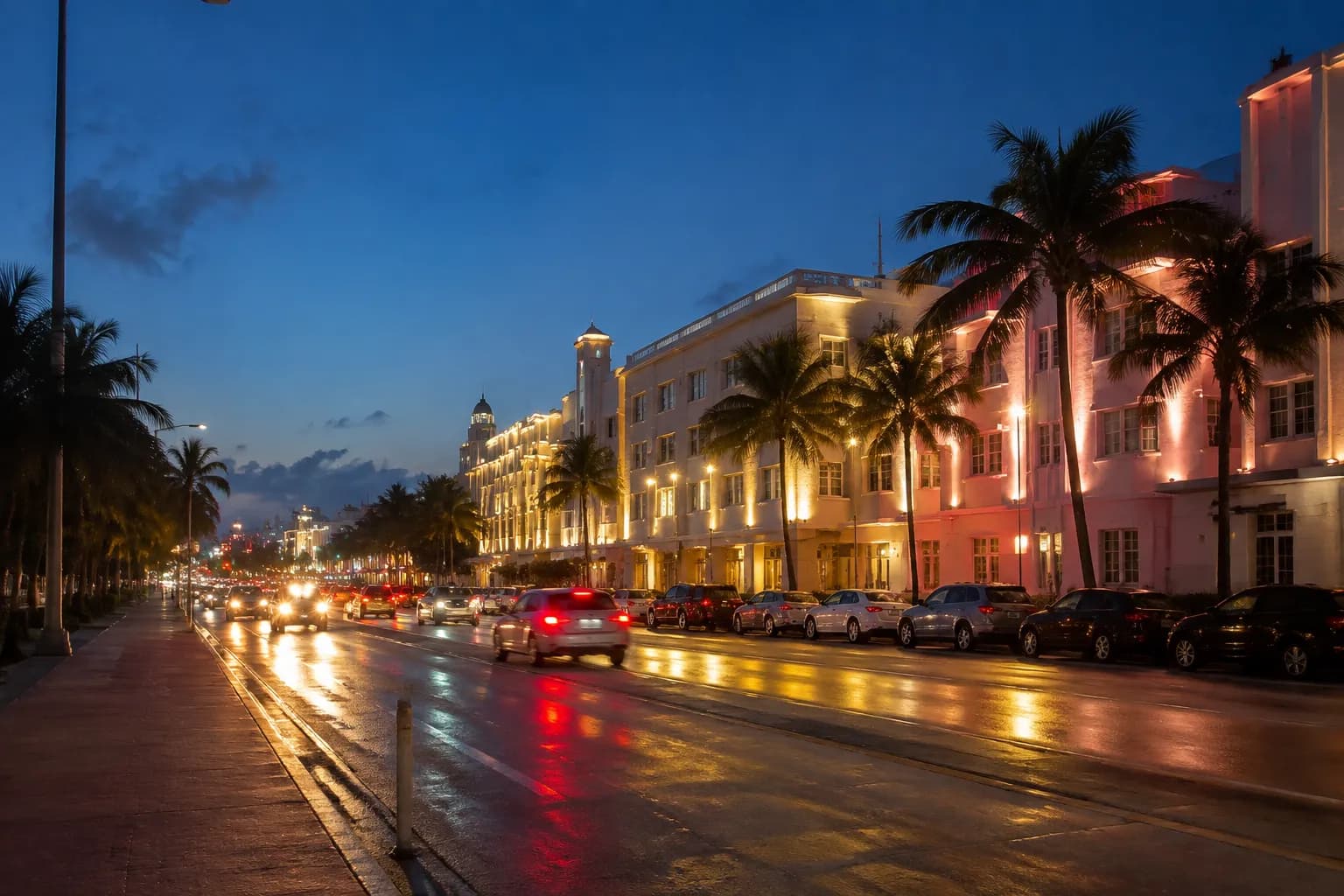
This matters because Miami nightlife is not one volume. South Beach may suit a visitor who wants iconic scenery and a louder after-dinner mood. Downtown can make sense for someone pairing an event with transit access. Wynwood is often chosen by visitors looking for creative energy, public art context, and a bar-to-bar feel, but you should still verify the specific place you intend to enter. Little Havana can be better for a culturally rooted evening if the group wants music, food, and conversation rather than a club-first plan. Pick the sound before the first cocktail, or the loudest person in the group will pick it for everyone.
Build a walkable two-stop route
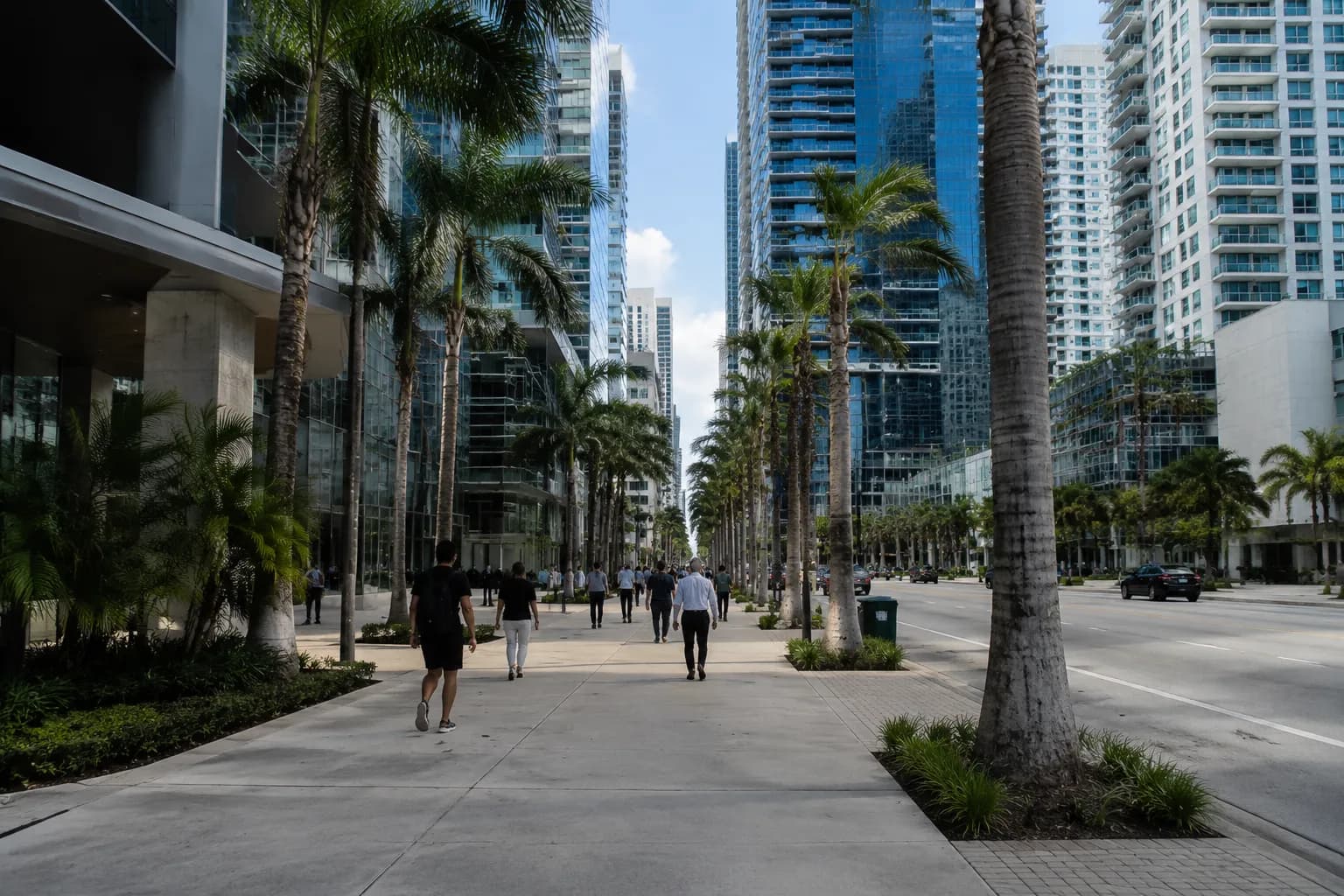
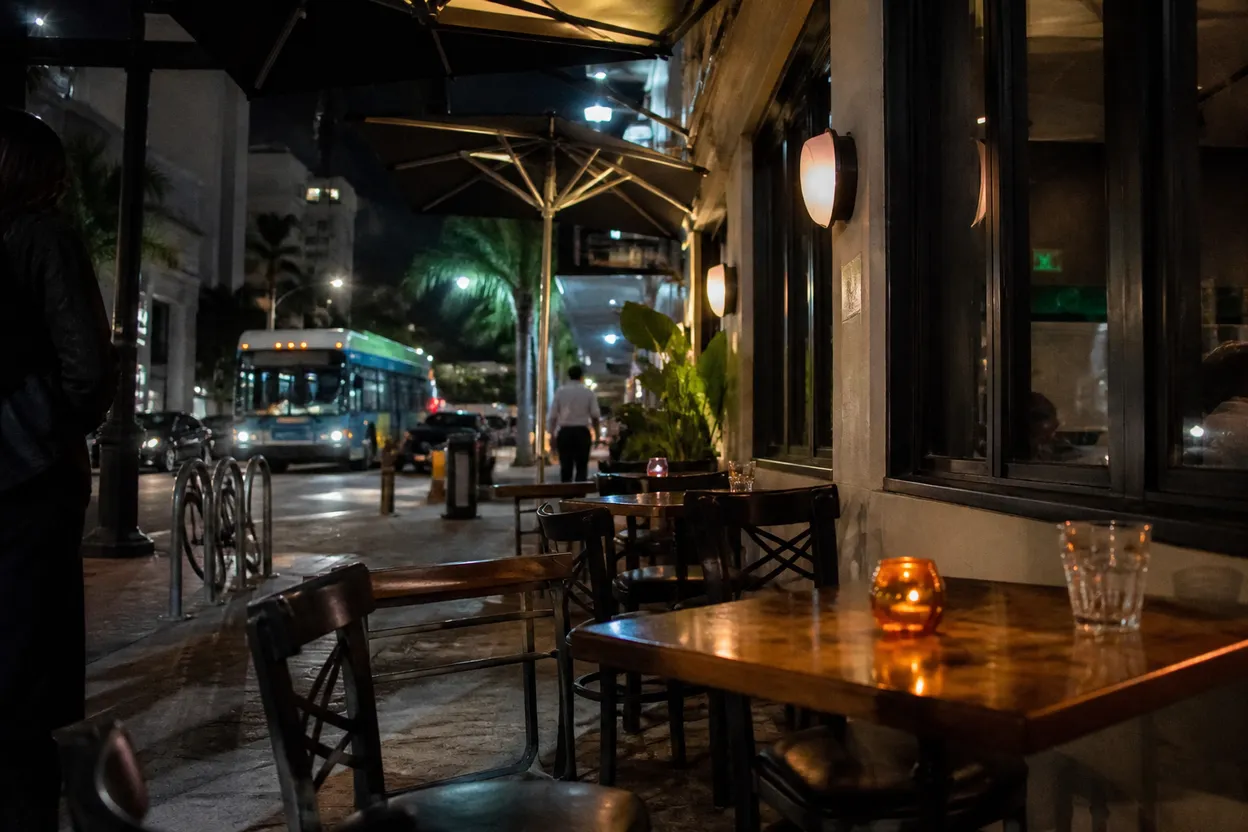
A useful night-out route in Miami should be small enough to survive heat, rain, delays, and disagreement. Build a two-stop route inside one area rather than a fantasy tour of South Beach, Wynwood, Downtown, and Little Havana in one night. The official visitor site presents Greater Miami and Miami Beach as a collection of cities and neighborhoods with distinct charm, cultural richness, lively energy, and coastal serenity. Use that as a planning principle: choose one neighborhood identity for the evening, then select a first stop and a second stop within a practical walking or short-ride radius after confirming both places are open and accessible.
The first stop should be the “talking room.” That is where the group can settle the night’s pace, compare plans, and decide whether the trending topic stays a joke or becomes a full debate. The second stop can be louder, more music-focused, or more scenic. If you are near the beach, remember that the official visitor site emphasizes South Beach’s white-sand beach and Miami Beach’s visitor appeal, but beachfront popularity also means crowd risk. If you are Downtown, pair the plan with transit checks. If you are in Wynwood, treat the creative setting as a reason to walk deliberately, not drift without a backup.
Keep food and late transit in the plan
Food is not optional logistics in Miami; it is crowd control. The official visitor site points visitors to Miami’s rich culinary scene and notes Miami Spice runs August through September with specially priced three-course meals at participating top eateries. Do not assume a specific restaurant is available, discounted, or taking walk-ins. Use the official Miami Spice and restaurant pages to verify dates, participation, meal periods, menus, and booking rules before making it the anchor. If your night begins with dinner, set a departure time from the table before ordering another round, especially if your second stop has a program you care about.
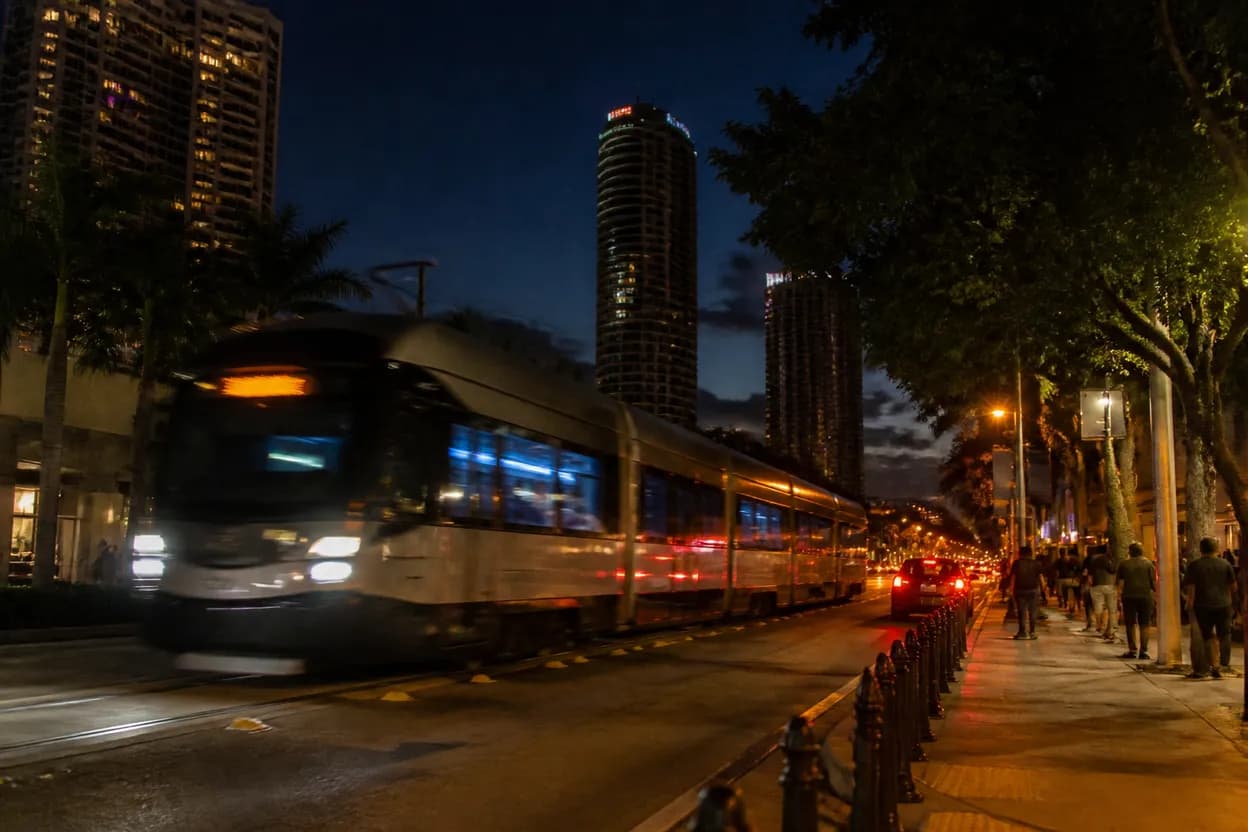
Transit needs the same discipline. Miami-Dade’s Department of Transportation and Public Works says riders can plan trips, view rider alerts and service updates, and track buses and trains in real time. Its public transportation network includes Metrobus, BRT Metro Express, Metrorail, Metromover, MetroConnect microtransit service, and Special Transportation Service. The official page also notes that Metromover is operating a modified Inner Loop, with trains running on the same track as the Brickell and Omni Loop, and tells riders to look inside the train to confirm loop designation. That is exactly the kind of detail to check before a late move, not after the group is tired.
Know when to switch to the backup room
Your backup is not a failure; it is the adult version of a good night. Switch when the line is longer than your group’s patience, the sound level is wrong, the weather changes the walking plan, transit alerts make the next move awkward, or the room does not match the access needs of someone with you. Miami-Dade Transit provides an elevators and escalators status tool, and the department states that accommodations are made for people with disabilities to access and ride transit. For any venue, verify accessibility directly on the official page or with the venue before you commit.
A smart backup stays in the same neighborhood category. If the original plan was a music-forward night, your backup should still offer music or an event-adjacent atmosphere after verification. If the original plan was conversation near dinner, do not replace it with the loudest room in the city. If the group wants a scenic Miami feel, consider whether a public area featured by the visitor site, such as South Beach, Lincoln Road, Ocean Drive, Downtown, or a bayfront context, helps reset the evening. The key is to avoid a long cross-county rescue mission. Backup choices should reduce friction, not add a second commute.
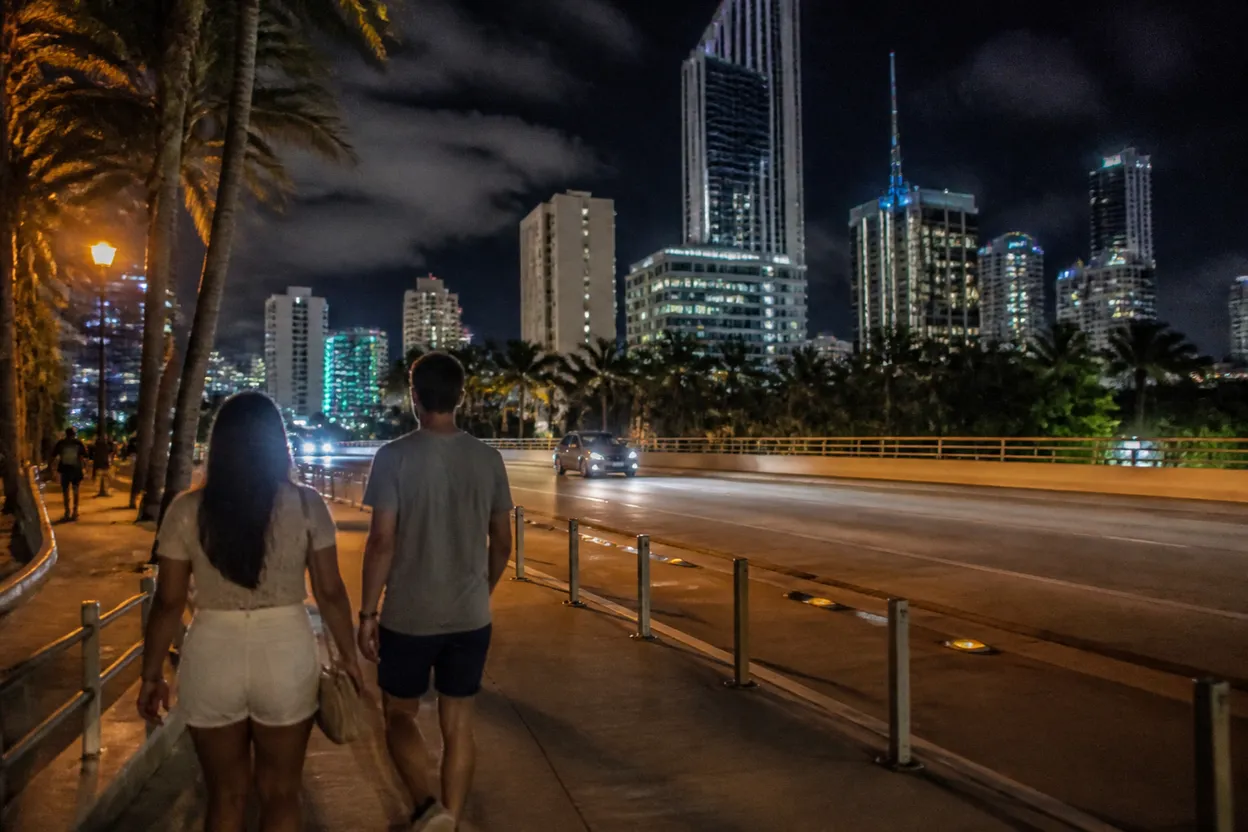
Verify the night’s program before leaving
Make the final verification pass 60 to 90 minutes before departure. Open the official visitor events page if you are using an event as your anchor, then open the official page for the venue or organizer. Confirm the date, location, start time if posted, entry requirements, accessibility information, and any advisory the organizer publishes. The Greater Miami & Miami Beach site’s “What’s Happening Now” and events areas can point you toward current arts, culture, music, seasonal dining, and August events, but the last word for a specific room should always be the official event or venue source.
Then check transportation. Use Miami-Dade Transit’s trip planner, rider alerts, service updates, and real-time tracking tools before leaving, especially if you expect to use Metrorail, Metromover, Metrobus, Metro Express, or MetroConnect. If the Metromover is part of the plan, remember the official notice about the modified Inner Loop and confirm the loop designation inside the train. Screenshot the route, save the backup address, and agree on the exit point before the night gets loud. The best Miami night is not the one with the biggest rumor; it is the one that still works when the first plan changes.
Tags: #Miami #MiamiNightlife #BarsNightsOut #SouthBeach #DowntownMiami #Wynwood #LittleHavana #MiamiBeach #MiamiTransit #MiamiEvents #MiamiSpice #NightOutPlan #AskKarpo #BeforeYouGo
Sources consulted: miamiandbeaches.com · miamidade.gov · miamidade.gov
All trademarks are the property of their respective owners.
Ask Karpo first
Ask Karpo first before you chase a rumor across Miami. Send your starting neighborhood, preferred sound level, mobility needs, dinner status, and how late you want to stay out. Karpo can help turn public, verifiable options into a tighter first stop, second stop, and backup.