Nestled in upper Manhattan's Inwood neighborhood, Muscota Marsh presents a distinct urban wetland experience for those seeking a tranquil detour from city life. This one-acre public park, a product of collaboration between Columbia University and NYC Parks, offers a unique blend of ecological restoration and public access. Situated on the Spuyten Duyvil Creek tidal estuary, it connects the Hudson River to the Harlem River Ship Canal, creating a dynamic habitat for local wildlife. Visitors can anticipate a compact yet rich encounter with Manhattan's natural edge, where tidal waters ebb and flow beside significant bridge infrastructure.
Want to ensure a smooth visit to this Manhattan marshland gem, understanding current access and optimal timing? Text Karpo NYC for real-time verification and personalized planning advice.
Navigating to Muscota Marsh: A Compact Waterfront Edge
Muscota Marsh is located in upper Manhattan, specifically at West 218th Street and Indian Road in the Inwood neighborhood. This precise location is crucial for accurate navigation, especially since the park is a modest one acre in size. Its compact nature means that a visit can encompass a variety of experiences—from wetland views to waterfront edges and birdwatching—all within a relatively short timeframe, making it an efficient stop for those with limited time.
The marsh's strategic position on the Spuyten Duyvil Creek tidal estuary means it acts as a critical link between the Hudson River and the Harlem River Ship Canal. This ecological connection contributes to its rich biodiversity, offering a glimpse into Manhattan's natural history and ongoing restoration efforts. The immediate vicinity also includes the larger Inwood Hill Park and Columbia’s Baker Athletics Complex, suggesting opportunities to combine a marsh visit with broader park explorations or athletic activities.
A Restored Habitat: Tidal and Freshwater Wetlands
Muscota Marsh represents a successful ecological restoration project, initiated through a partnership involving Columbia University and New York City Parks. The primary goals of this collaboration, which culminated in the park's opening in late 2013 or early 2014, included enhancing public waterfront access, improving habitat quality, boosting biodiversity, and implementing effective stormwater management strategies. The marsh showcases both tidal and freshwater wetland elements, a combination that supports a diverse range of plant and animal life.
The distinction between salt marsh and freshwater wetland components within the park contributes significantly to its ecological value. This dual-habitat system allows for a wider array of species to thrive, making it a valuable site for environmental education and observation. The presence of these varied wetland types within such a small urban footprint underscores the importance of such restoration efforts in dense metropolitan areas, providing vital green infrastructure and ecological services.
Birding and Boardwalks: Observing Wildlife in Inwood
Muscota Marsh has gained recognition as a notable birding destination, offering opportunities to observe various species within a unique urban setting. The restored tidal habitat, combined with the freshwater wetland areas, creates an appealing environment for migratory and resident birds. Visitors can expect to find boardwalks and walking paths that facilitate access to different viewing points without disturbing the sensitive marsh ecosystem, making it an accessible spot for birdwatchers of all experience levels.
The design of the park, with its emphasis on pedestrian access and habitat preservation, allows for an immersive experience. The presence of both boardwalks and tidal flats means that visitors should consider appropriate footwear for their exploration, especially if they intend to venture closer to the water's edge or during different tidal conditions. This thoughtful integration of infrastructure and natural elements enhances the visitor's ability to engage with the marsh's wildlife and landscapes.
Proximity to Inwood Hill Park and Columbia Athletics
Muscota Marsh's location right beside Inwood Hill Park and Columbia University’s Baker Athletics Complex offers unique opportunities for combining activities. For visitors keen on extending their outdoor experience, integrating a visit to the marsh with a longer walk or hike through Inwood Hill Park is a natural fit. This allows for a diverse itinerary that transitions from a compact, restored wetland to a more expansive natural park landscape.
The adjacency to Columbia’s athletic facilities also means the marsh can serve as a contemplative counterpoint to more active pursuits. Whether attending an event at the Baker Athletics Complex or simply exploring the area, the marsh provides a tranquil spot for reflection and a connection to nature. This strategic placement enhances its appeal as more than just a standalone destination, but rather a component of a larger recreational and ecological corridor in upper Manhattan.
The Spuyten Duyvil Creek Tidal Estuary
The ecological significance of Muscota Marsh is intrinsically linked to its position on the Spuyten Duyvil Creek tidal estuary. This waterway acts as a dynamic conduit, connecting the Hudson River to the Harlem River Ship Canal and the Harlem River. The tidal forces at play in this estuary create a constantly changing environment, influencing the types of flora and fauna that can thrive here and offering visitors a chance to observe the natural rhythms of a coastal ecosystem within a city.
Understanding that Muscota Marsh is part of a larger tidal system highlights the importance of its role in regional ecological health. The ebb and flow of these waters contribute to nutrient cycling and provide crucial habitat for various aquatic species, which in turn support the birdlife observed at the marsh. This makes the site not just a local park, but a small yet vital component of the broader aquatic network surrounding Manhattan.
Planning Your Visit: Footwear and Tidal Awareness
When planning a visit to Muscota Marsh, practical considerations around footwear are essential due to the nature of the terrain. Descriptions of the park emphasize both boardwalks and tidal flats, suggesting that sturdy, comfortable shoes are advisable. Depending on recent weather or the tide schedule, certain areas might be damp or muddy, particularly near the tidal flats, making waterproof or water-resistant footwear a sensible choice for a more comfortable exploration.
Awareness of tidal conditions can also enhance the visitor experience, especially for those interested in birding or observing the full extent of the marsh's ecology. While specific tide charts are not provided here, understanding that the marsh is a tidal habitat means its appearance and accessibility can change throughout the day. Observing the marsh at different tidal states could offer varied perspectives on its wildlife and landscape, from exposed mudflats attracting shorebirds to higher water levels showcasing different aspects of the wetland.
Practical notes and Current Access Verification
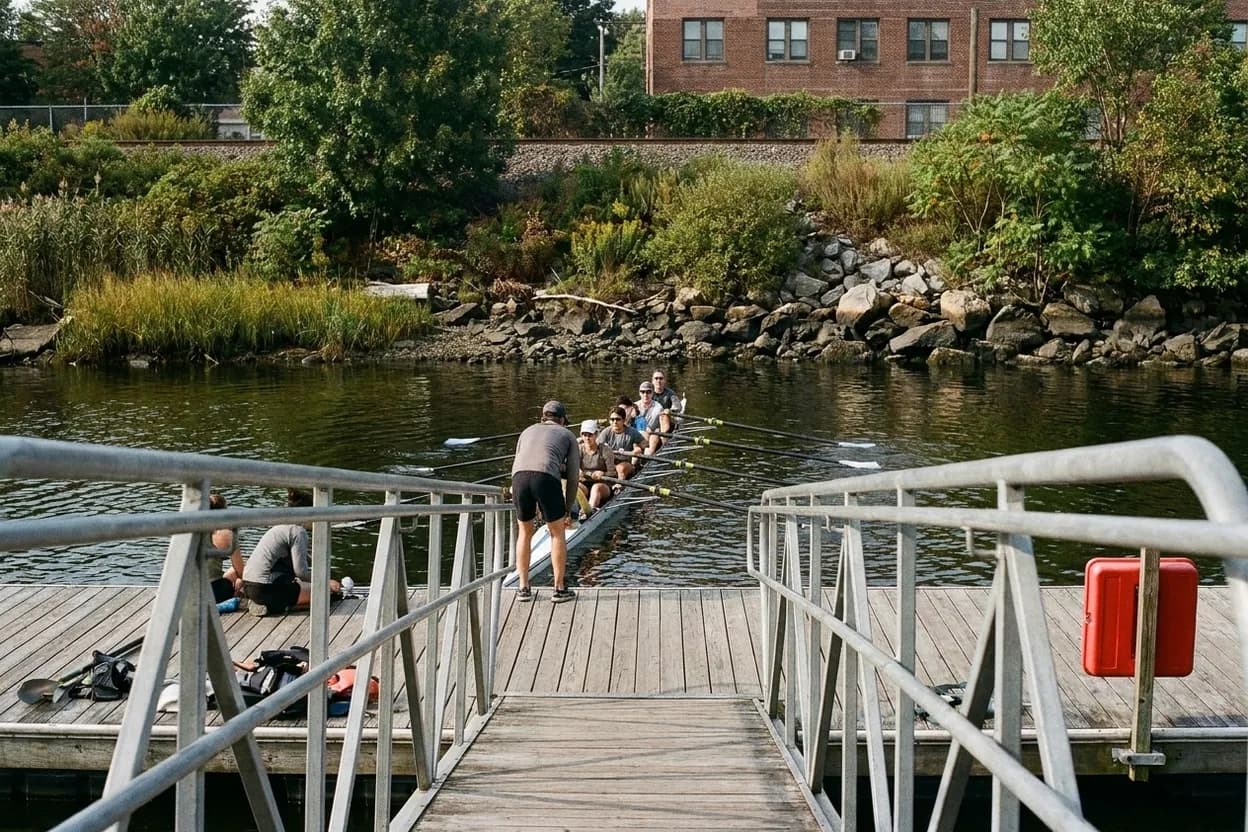
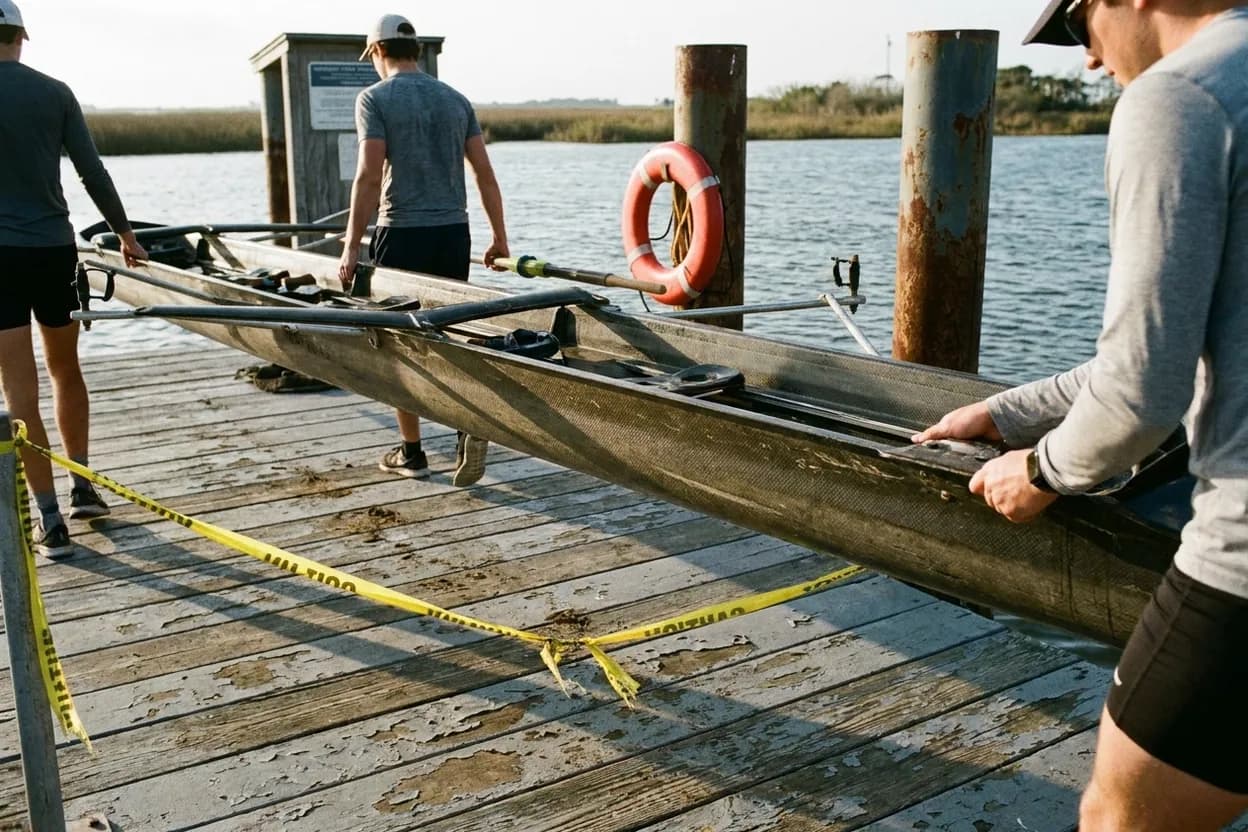
Before departing for Muscota Marsh, it is advisable to verify current access conditions directly with NYC Parks. As of now, the East Dock at Muscota Marsh is temporarily closed for repairs. For those planning boating activities, NYC Parks directs visitors to alternative boat launches at Inwood Hill Park or Sherman Creek while the repairs are underway. This specific detail is critical for boaters to avoid inconvenience upon arrival.
While general public access for pedestrian visitation and birding is implied by official and secondary descriptions, specific day-of access conditions, including exact open hours or any unforeseen closures, cannot be confirmed from the provided sources alone. It is always recommended to check the official NYC Parks website for Muscota Marsh or contact them directly to ensure the most up-to-date information on operating hours and any potential seasonal restrictions or reservation requirements before your visit.
Tags: #AskKarpo #BeforeYouGo #MuscotaMarsh #InwoodNYC #UrbanWetland #NYCGreenSpaces #BirdingNYC #ManhattanNature #ColumbiaUniversity #NYCParks #TidalEstuary #HarlemRiver #HudsonRiver #ExploreNYC
Sources consulted: Source 1: nycgovparks.org · Source 2: magazine.columbia.edu · Source 3: fieldoperations.net · Source 4: natureandhealthalliance.org · Source 5: newyork.thecityatlas.org · Source 6: nytimes.com · Source 7: rei.com · Source 8: en.wikipedia.org
All trademarks are the property of their respective owners.
Ask Karpo first
Tell Karpo your date, group size, budget, and starting neighborhood. We’ll check current access, timing, transit, and the cleanest plan for Muscota Marsh before you head out.