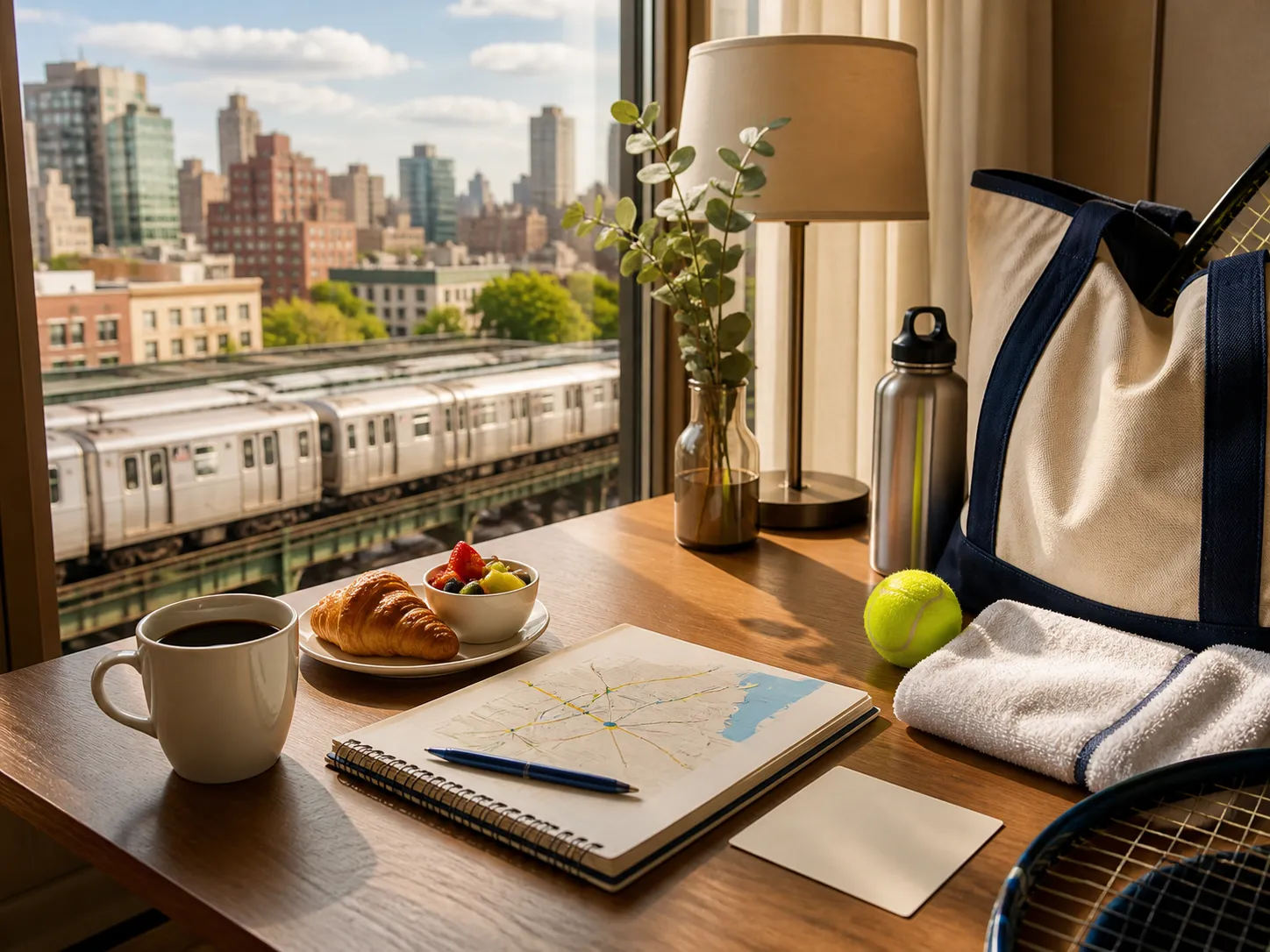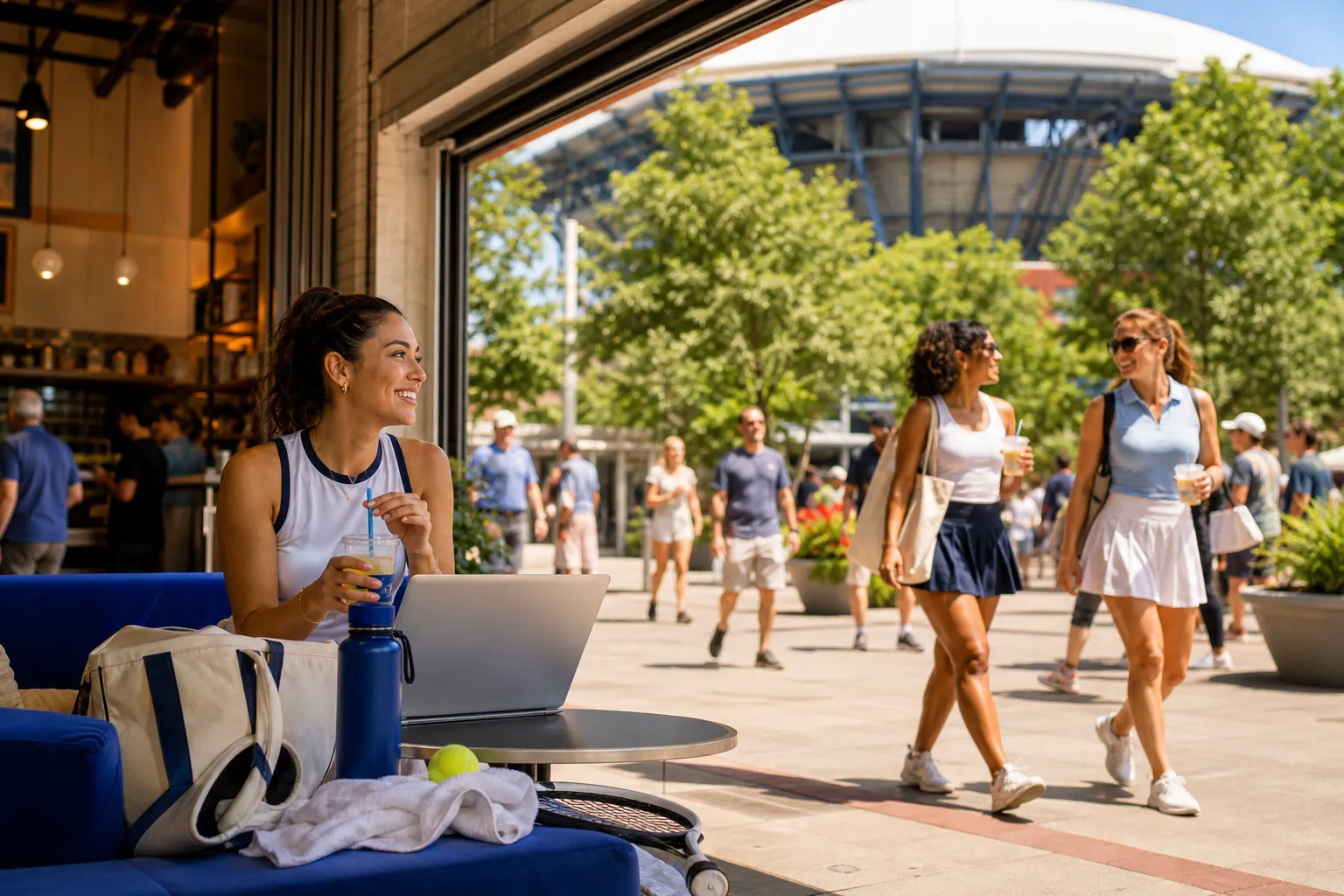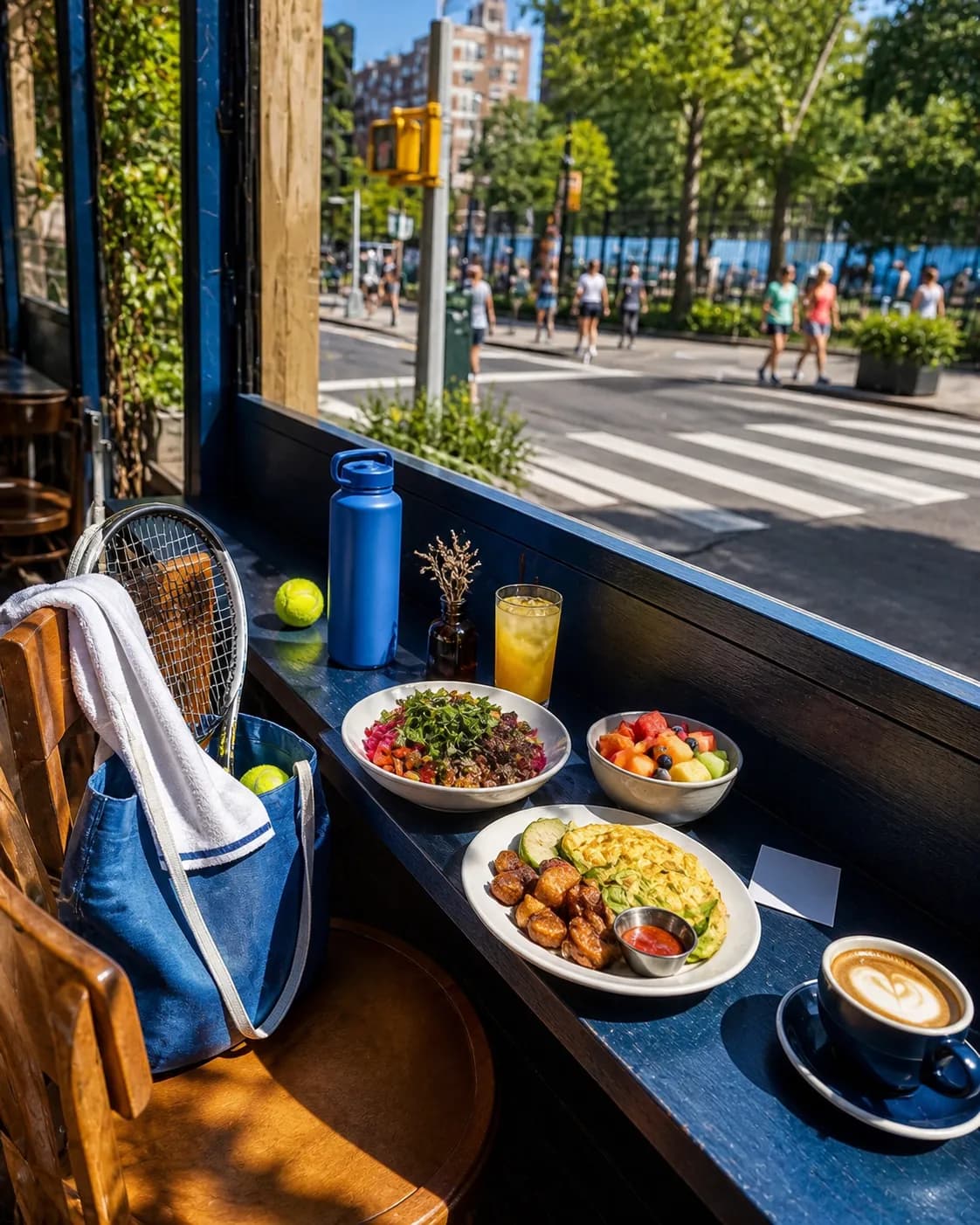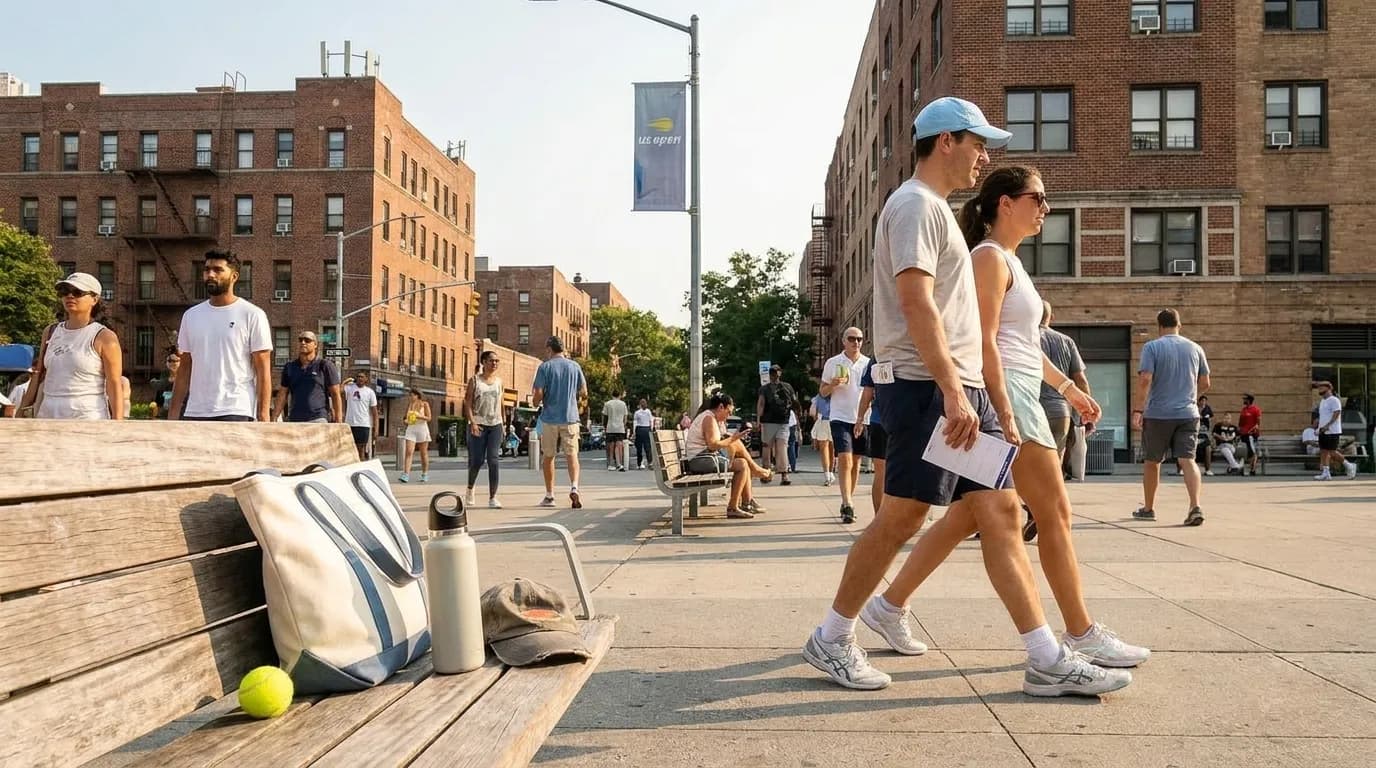
When the 2026 US Open returns to Flushing Meadows at the end of August, thousands of visitors will ride the 7 train into Queens carrying day bags, sunscreen, and spending plans that can unravel faster than a first-round upset. The phrase "msft stock" trends online as people search for market context and portfolio discipline, but the same budgeting principles—tracking categories, setting limits, reviewing totals—apply just as well to a weekend at the Billie Jean King National Tennis Center. This article offers a practical framework for managing US Open expenses across transportation, food, gear, and spontaneous purchases, using the same clarity you'd bring to any other financial tracking exercise. No stock tips, no investment advice—just a local-life lens on keeping your Queens tennis weekend within bounds.
Text Karpo with your US Open session time and Queens starting point, and we’ll turn this budget discipline without financial advice into a practical local plan.
Why Budget Discipline Matters During Tournament Fortnight
The US Open runs for two weeks, typically late August into early September, with day sessions, night sessions, and weekend crowds that fill the 7 train platforms from Times Square to Mets–Willets Point. Each visit involves transit fares, gate admission (if you're attending), food and drink inside or outside the grounds, and the temptation of official merchandise, pop-up vendors along Roosevelt Avenue, and post-match meals in Flushing or Corona. Without a clear spending framework, a single Saturday can exceed what you planned for the entire fortnight. Borrowing vocabulary from portfolio tracking—categories, limits, daily reconciliation—gives you a repeatable system that works whether you're attending five sessions or watching from a bar in Astoria and budgeting for travel, drinks, and tips.
Setting Category Limits Before You Board the 7
Start by dividing your US Open budget into fixed and variable categories: transit (MetroCard or OMNY taps), tickets (if applicable), food and drink, merchandise, and contingency. Assign a dollar ceiling to each category for the day or the fortnight, then write it down—notes app, envelope, or a simple spreadsheet. This mirrors the discipline of setting position limits in a trading account, except you're tracking subway fares and iced-coffee runs instead of equities. Before you leave your apartment in Long Island City or Jackson Heights, you know exactly how much you're willing to spend on a US Open polo, how many drinks you'll buy at the grounds versus bringing a sealed water bottle (permitted under the official prohibited-items guide), and whether you'll eat inside or walk to a Flushing dumpling house afterward.
Tracking Spending in Real Time
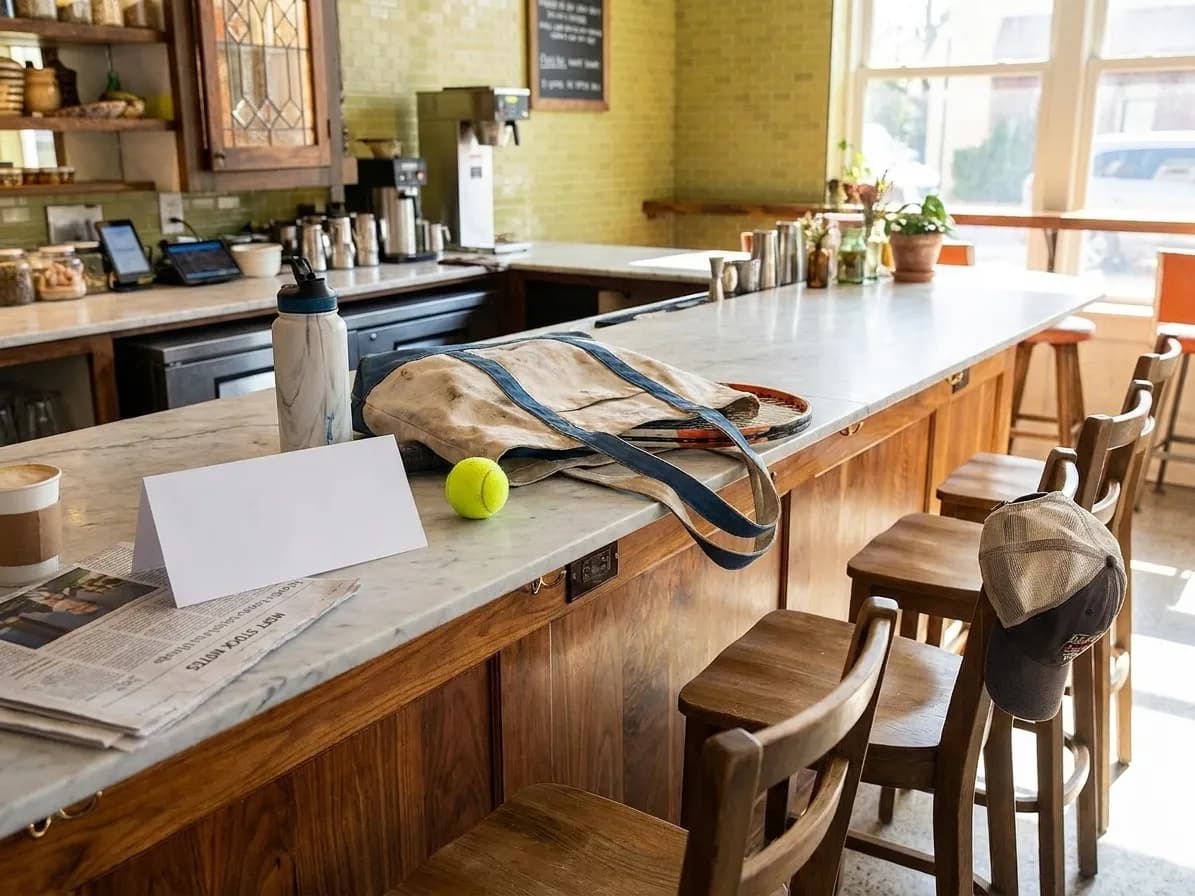
Once you're at Flushing Meadows, keep a running tally. Every time you tap your card for the subway, buy a pretzel, or pick up a tournament program, log the amount immediately. Use your phone's notes, a budgeting app, or even a paper ticket stub tucked into your wallet with a pen mark. Real-time tracking prevents the end-of-day surprise when you realize you spent forty dollars more than planned because you didn't count the second round of drinks or the impulse visor purchase. This habit—borrowed from day-traders who reconcile positions before the close—keeps you honest and lets you adjust on the fly. If you're over budget by mid-afternoon, you can skip the souvenir stop and grab a dollar slice on Roosevelt Avenue instead of a fifteen-dollar sandwich inside the grounds.
Building in Contingency Without Lifestyle Creep
A good budget includes a contingency line—ten or twenty percent of your total—for the unexpected: a sudden rain delay that pushes you into a longer session, a friend who suggests splitting an Uber back to Astoria, or a pop-up art installation in Flushing Meadows Corona Park that charges a small suggested donation. Contingency is not permission to overspend; it's a buffer that keeps one surprise from derailing your entire plan. If you don't use it, roll it into the next day's budget or bank it for a future weekend. The key is to name the contingency explicitly, so it doesn't become invisible lifestyle creep—the same trap that turns a modest portfolio allocation into a series of unplanned trades.
Free and Low-Cost Alternatives Around the Grounds
Not every US Open experience requires a ticket or a credit card. Flushing Meadows Corona Park itself is free to enter, and you can walk the perimeter, watch the Unisphere, and soak up the tournament energy without spending a dollar. The Queens Public Library branches in Flushing and Corona offer air-conditioned seating, restrooms, and free Wi-Fi if you need a break between sessions or want to stream a match on your device. The 7 train corridor is lined with bakeries, fruit stands, and taquerias where five dollars buys a full meal. If you're traveling with friends, suggest a picnic on the park lawn before or after the session, using groceries from a Flushing market instead of paying grounds prices. These alternatives don't diminish the experience—they extend it, giving you more time in Queens and more control over your spending.
Reviewing Your Totals After Each Session
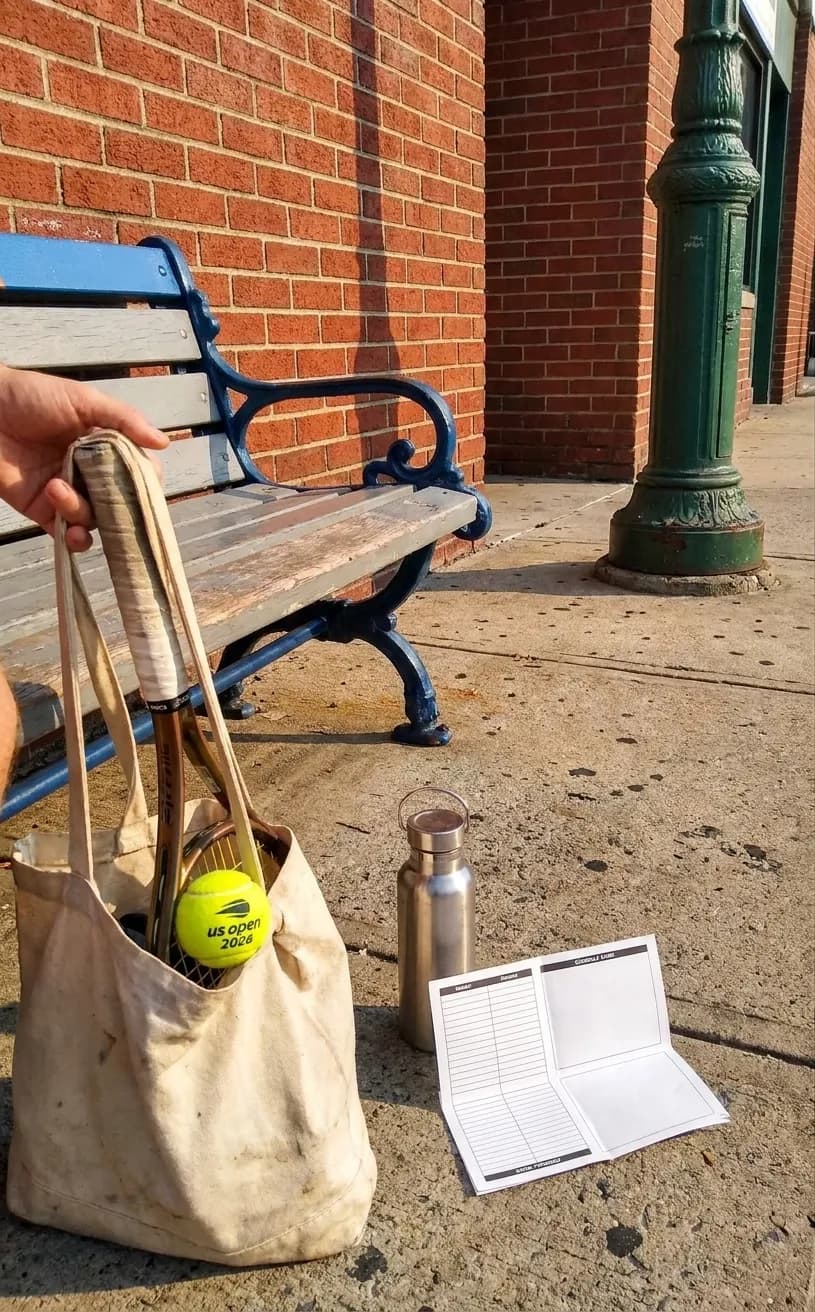
At the end of the day—whether you're back in your apartment or sitting in a booth at a Jackson Heights diner—review your spending against your category limits. Did you stay within transit? Did food creep over? Was the merchandise splurge worth it, or do you regret the impulse? This daily reconciliation, familiar to anyone who tracks a brokerage account, turns budgeting from a vague intention into a concrete feedback loop. Over the two-week tournament, you'll spot patterns: maybe you overspend on Saturdays but stay disciplined on weekday evenings, or maybe the night sessions push you into late-night cab rides that blow your transit budget. Recognizing the pattern lets you adjust the plan for the next weekend, the next tournament, or the next big event in Queens.
Practical Notes for US Open Budget Discipline
Connecting Budget Discipline to Everyday Queens Life
The same framework that keeps your US Open spending in check works for any recurring event or routine in New York: weekly grocery runs in Flushing, monthly museum visits, or summer evenings at Citi Field. By naming categories, setting limits, tracking in real time, and reviewing totals, you build a habit that travels with you across neighborhoods and seasons. The US Open fortnight is simply a high-visibility, high-temptation test case—a chance to practice discipline when the crowds are thick, the energy is high, and every vendor is calling your name. Master it here, and you'll carry the skill into quieter weeks, smaller budgets, and everyday decisions that add up over time.
msft stock, US Open budget, Queens spending plan, Flushing Meadows budget, 7 train US Open, budget discipline New York, US Open 2026 planning, Queens local life
US Open®, Billie Jean King National Tennis Center®, and all related marks are trademarks of the United States Tennis Association. MTA, OMNY, and MetroCard are trademarks of the Metropolitan Transportation Authority. Microsoft and MSFT are trademarks of Microsoft Corporation. This article is not endorsed by or affiliated with the USTA, MTA, Microsoft, or any official tournament, transit, or financial entity.
Ask Karpo First
Tags: #USOpen2026 #Queens #FlushingMeadows #KarpoFinds #Karpo #msftstock #NewYorkLocal #TennisTravel #NYCLocalLife #TennisTravel
Sources consulted: usopen.org — Official event schedule · usopen.org — Official visitor A-Z guide · usopen.org — Official transportation directions · usopen.org — Official prohibited-items guide · MTA — Official US Open transit guide · NYC Parks — Flushing Meadows Corona Park · Queens Public Library · MTA — Service status
All trademarks are the property of their respective owners.
Ask Karpo first
Want to know what is actually open, how to time the trip, and where to pause around Queens? Ask Karpo for the latest public US Open context, a respectful visitor plan, and a live route around Flushing Meadows before you head out.