Some museums demand an afternoon. Mmuseumm asks for three minutes and rewards close attention. Tucked into a Tribeca alley that smells faintly of rain and old brick even in dry weather, this freight-elevator-turned-vitrine is one of the city's most committed exercises in miniature curation. Sixty square feet of thematic objects—arranged with the care of a jeweler's window—rotate monthly behind glass. No admission fee, no gift shop, no café. Just the quiet pleasure of looking closely at things someone thought worth preserving, and the odd satisfaction of knowing you found it at all.
The unmarked approach
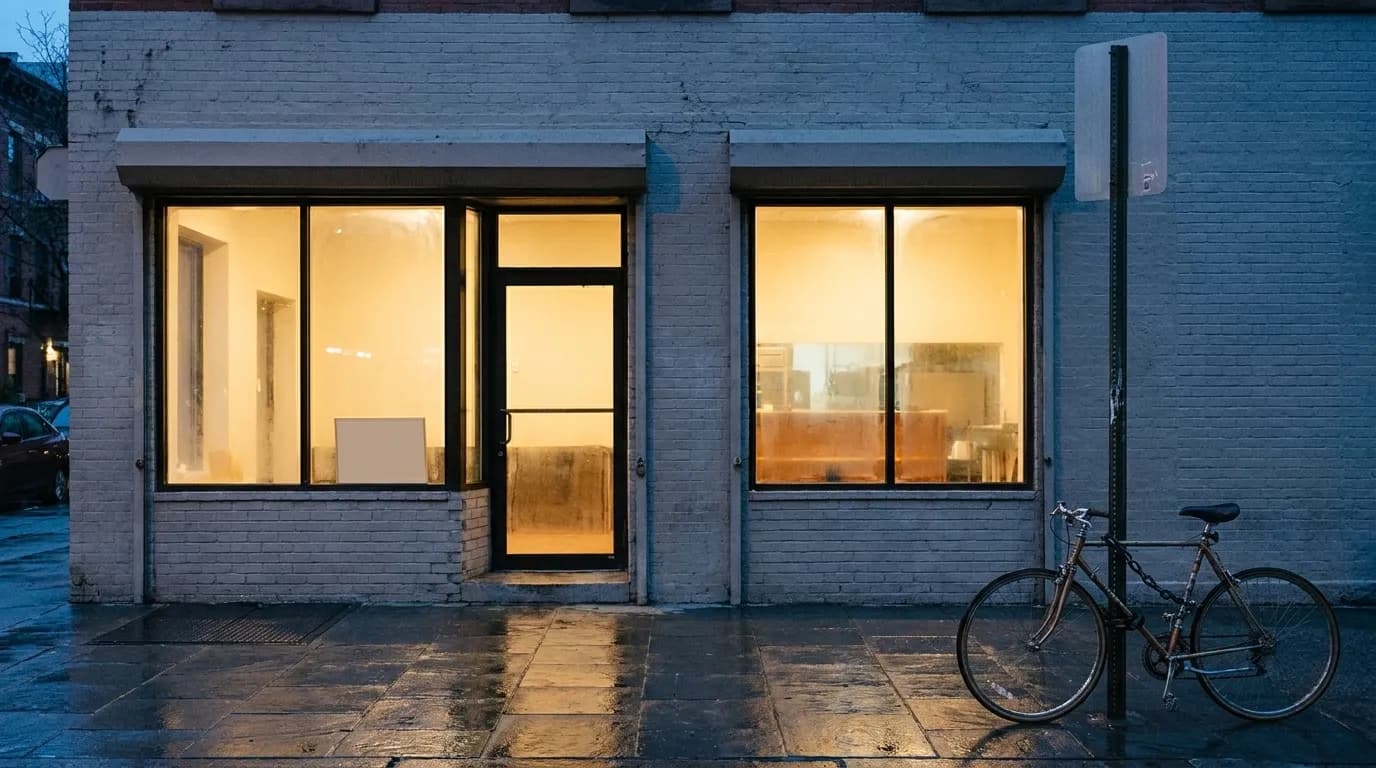
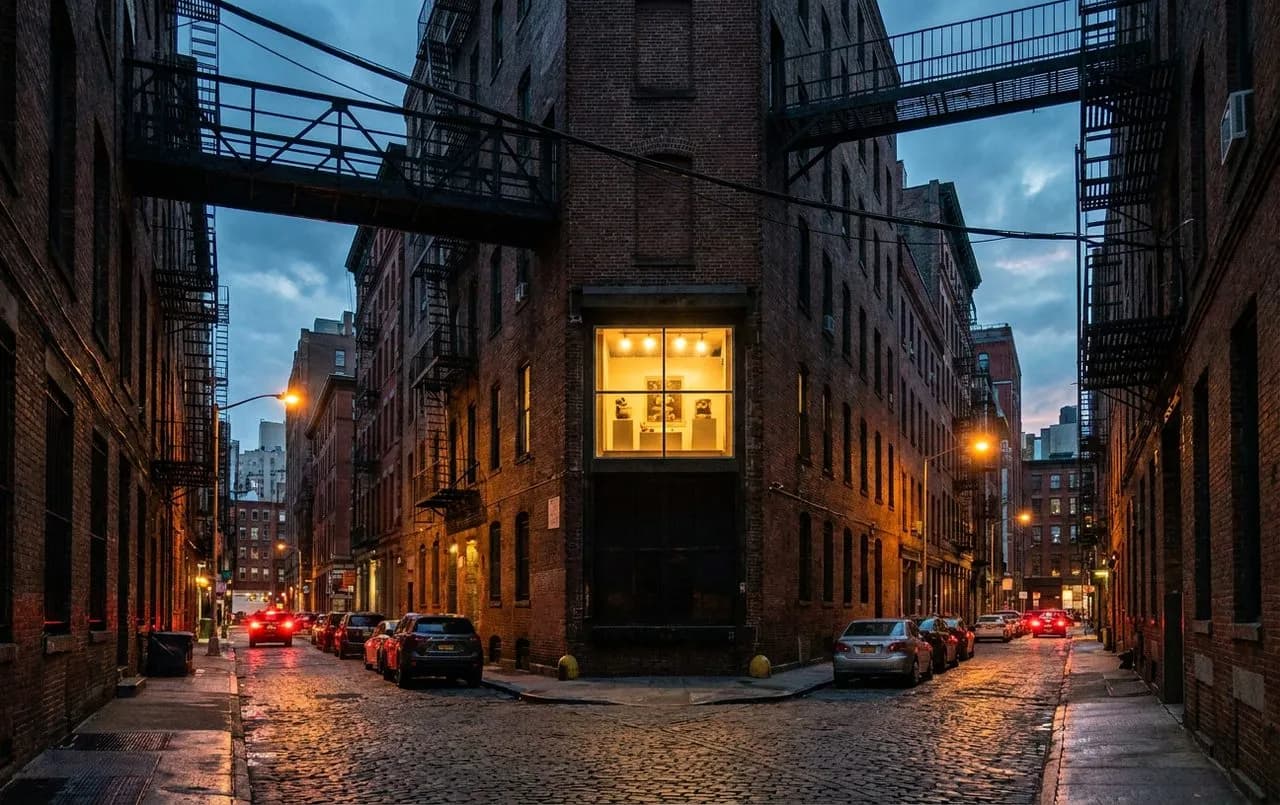
Cortlandt Alley runs parallel to the noise and foot traffic of Broadway, but you'd never know it from the quiet. The entrance to Mmuseumm is unmarked—no sandwich board, no placard, no breadcrumb trail of Instagram geotags to guide the uninitiated. Your best bet is to approach from Canal Street and walk south into the alley, scanning the east side for the vitrine. for a glass-fronted installation that glows softly even on overcast late-2026 afternoons. The building itself is weathered brick, industrial in the way Tribeca still remembers how to be, before the lofts all turned into showrooms.
First-timers often walk past it twice. The vitrine is recessed just enough to blend with the alley's shadows, and there's a particular urban camouflage that comes from expecting museums to announce themselves. But once you spot the glass, the elevator door frame, the careful lighting inside, you feel the small thrill of discovery that makes this one of the city's better free things to do on a weekend when you're tired of crowds and curation-by-committee.
A shaft repurposed
The space measures five feet by twelve feet—a former freight elevator shaft converted in 2012 after the building's cargo service ended and the machinery was stripped out. What remains is a vertical slot of space, just wide enough for one person to stand inside when the door slides open on weekends, just tall enough to feel like a cabinet of wonders rather than a closet. The walls are white, the lighting deliberate, the floor scuffed in a way that suggests decades of heavy loads and hurried deliveries.
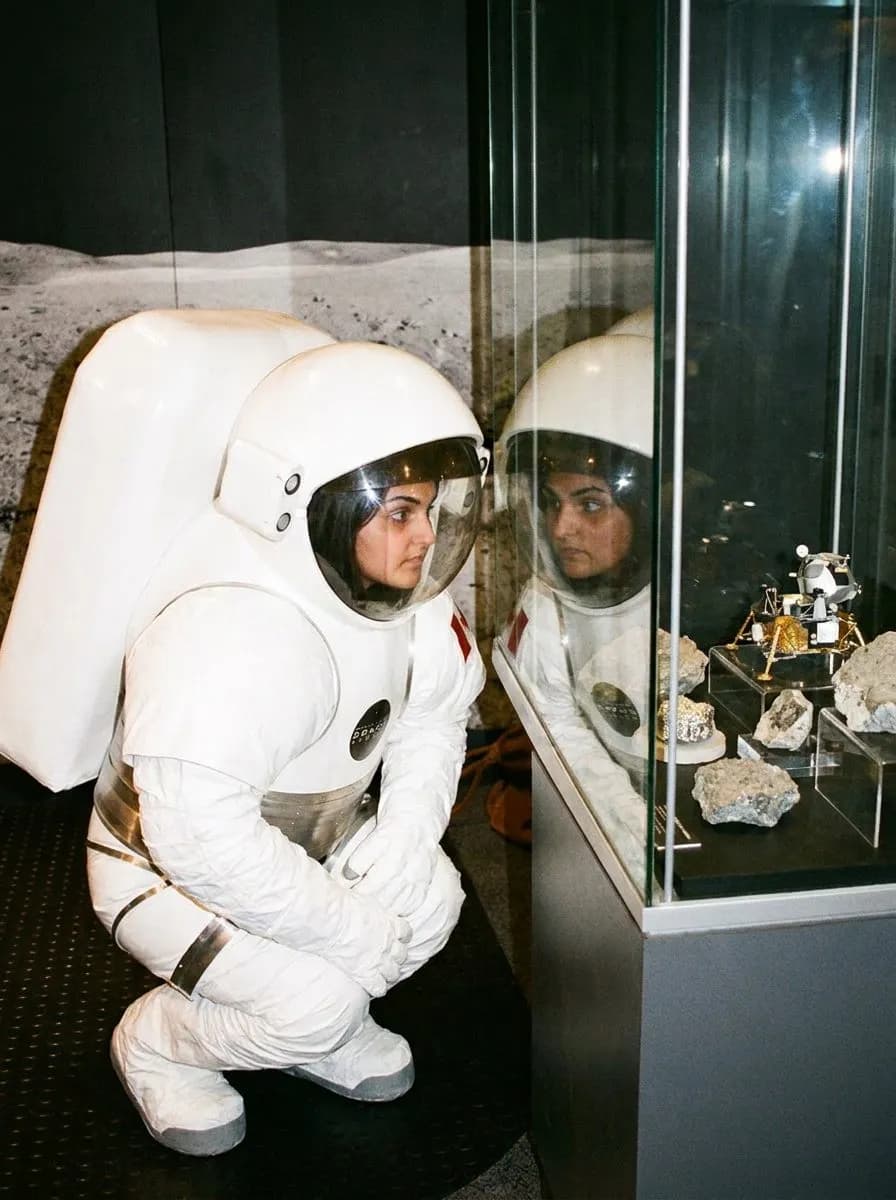
It's difficult to convey how strange and satisfying it is to peer into this sliver of curation. The objects change with each rotation—tiny shoes, counterfeit bills, love letters, protest signs, ephemera from lives lived and discarded—but the scale remains radically intimate. You're not walking through galleries. You're looking into a single frame, a diorama that asks you to slow down and notice the way light catches a cracked plastic toy or the way handwriting degrades over decades. The elevator's industrial bones are still visible: metal tracks, rivets, the ghost of a pulley system.
The first Saturday ritual
Object rotations happen periodically; verify the current rotation schedule before visiting. This is the window when the curator is occasionally present, fielding questions from the handful of visitors who've timed their visit to coincide with the changeover. There's no fanfare, no ribbon-cutting—just the careful removal of one thematic collection and the installation of the next. If you arrive mid-rotation, you might see the curator crouched in the shaft, adjusting a label or repositioning a specimen under the overhead bulb.
It's one of the few moments when Mmuseumm feels less like a static installation and more like a living practice. The curator—often dressed in jeans and a work jacket, tools in hand—will answer questions about provenance, about why this object and not another, about the thematic threads connecting a Bulgarian candy wrapper to a protest button from Oakland. The conversations are brief, respectful of the alley's quiet, and surprisingly generous. You get the sense that the project is sustained not by grants or patronage but by stubborn affection for the act of arranging meaning in small spaces.
Weekend hours and the sliding door
Mmuseumm is open weekends only, and even then the hours can shift with the season and the curator's schedule. When the door is open—literally, physically open, the metal panel sliding back to reveal the vitrine's interior—you're invited to step inside, one at a time, and stand within the collection. The experience is almost devotional. You're alone with the objects, the alley noise muted, the city reduced to a narrow frame of brick and sky above.
When the door is closed, you're left peering through the glass, which is its own kind of pleasure. The vitrine becomes a cabinet, a shadow box, a reliquary. Condensation sometimes fogs the interior in cooler weather, and you'll see visitors wiping the glass with a sleeve to get a better look. There's no velvet rope, no security guard. Just the implicit understanding that you're here because you care enough to look closely, and that's permission enough.
Thematic threads and curatorial voice
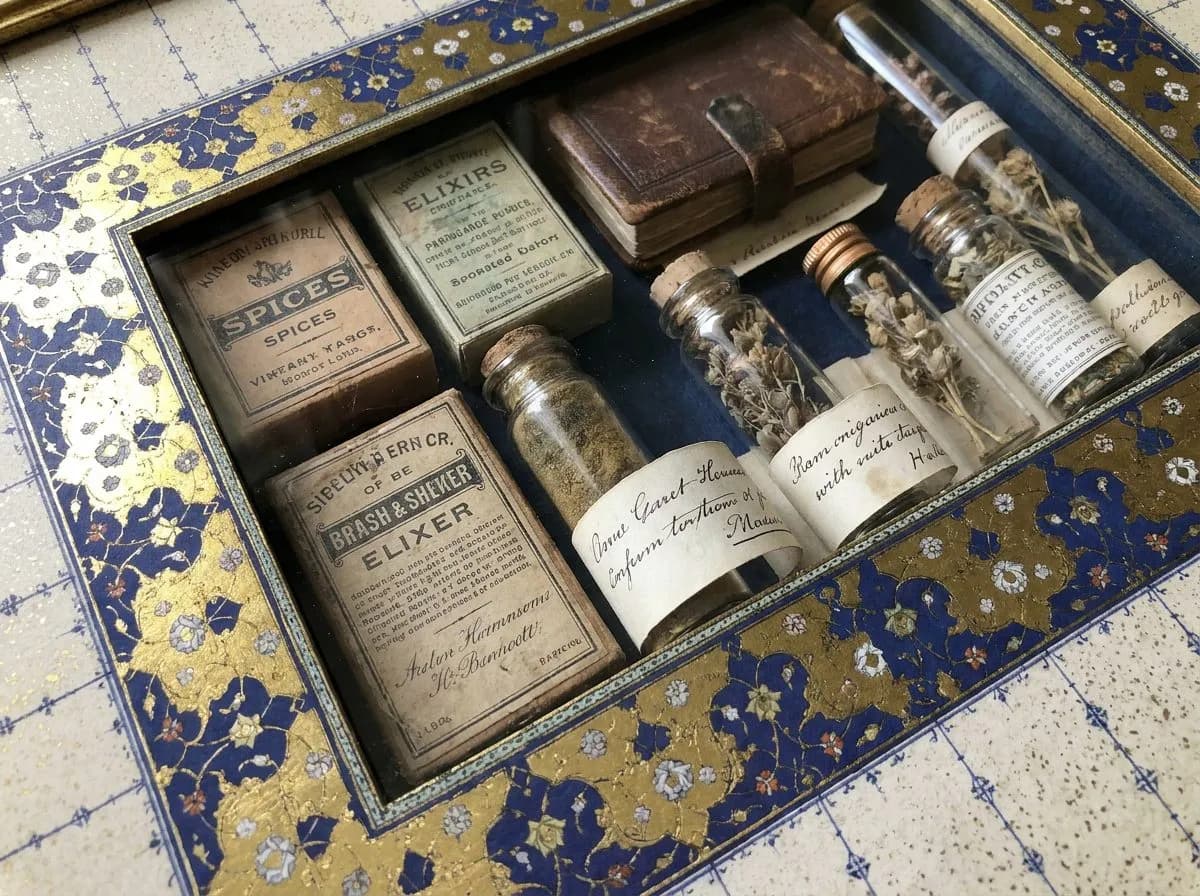
The collections rotate by theme—"Pieces of Walls," "Objects Incorrectly Called the Wrong Name," "Things People Believed Would Protect Them"—and the curatorial voice is deadpan, curious, occasionally melancholy. There's no didactic text, no wall labels explaining why you should care. Instead, each object is presented with a brief note, a date, a place of origin. The juxtapositions do the work. A horseshoe next to a rabbit's foot next to a TSA-approved pocket knife. The logic is associative, not encyclopedic, and it trusts you to draw your own connections.
By late 2026, the museum's archive has grown dense enough that repeat visitors start to notice recurring motifs—borders, belief systems, the small dignities of everyday survival. It's a museum of the overlooked, the discarded, the things that didn't make it into the Met or MoMA but carry their own strange gravity. You leave thinking differently about the objects in your own pockets, the ephemera accumulating on your desk.
The alley as frame
Cortlandt Alley is as much a part of the experience as the vitrine itself. The alley has appeared in dozens of films—gritty, atmospheric, perpetually damp-looking—and walking its length feels like stepping onto a back-lot set. Fire escapes zigzag overhead. Dumpsters hunker against brick. The light is always indirect, filtered through the gaps between buildings, and the acoustics muffle street noise into a low hum.
Mmuseumm benefits from this frame. The alley sets expectations low, then the vitrine exceeds them. You're not in a marble-floored institution; you're in a service corridor, a leftover space, and the museum's modesty feels like a deliberate rebuke to the city's louder cultural attractions. It's a reminder that curation doesn't require a board of trustees or a capital campaign. Sometimes it just requires a shaft, a light, and someone willing to arrange objects with care.
Practical notes
Mmuseumm is located in Cortlandt Alley, accessible from Franklin Street in Tribeca. The nearest subway is Canal Street (1 train). Street parking is limited; metered spots along West Broadway are your best bet. Hours are weekend-only and variable; check ahead before visiting. The vitrine is at ground level and visible from the alley; stepping inside requires navigating a single threshold when the door is open. Bring a curiosity about small things and patience for the occasional crowd during rotation Saturdays. No admission fee. Verify current hours directly before planning your visit.
Tags: #MmuseummNYC #TheOddEdit #TribecaSecrets #MicroMuseum #CortiandtAlley #FreethingsNYC #CuratedObjects #HiddenNewYork #WeekendWanderings #UrbanCuriosity #FallInNYC #ArtInAlleys #IntimateSpaces #QuietDiscoveries #CityEdits
Sources consulted: Tribeca, Manhattan · Cabinet of Curiosities · NYC Tourism – Tribeca · Atlas Obscura – New York
All trademarks are the property of their respective owners.