
When mlb trades today dominate baseball headlines, Los Angeles fans face a geographic puzzle: which neighborhoods deliver the highest concentration of sports bars with reliable MLB Network coverage and walkable distances between venues. Trade deadline afternoons demand more than a single screen—serious fans need the ability to move between establishments as breaking news shifts, compare crowd reactions in real time, and access multiple television feeds when conflicting reports emerge. This neighborhood guide examines sports bar density patterns across Los Angeles, evaluates public transit connections using Metro's $1.75 base fare system, and identifies which districts support solo immersion versus group viewing strategies. The goal is not to recommend specific bars—hours and coverage change without notice—but to map the structural advantages each neighborhood offers for fans seeking community-driven trade deadline experiences.
Text Karpo your starting point, timing, group size, and priorities for a Los Angeles plan tailored to this exact situation, with one realistic backup before you leave.

Downtown LA's Vertical Density Advantage for Multi-Screen Hopping
Downtown Los Angeles concentrates sports bars within a compact walkable grid, particularly along Figueroa Street and the blocks surrounding LA Live and Crypto.com Arena. This vertical density means fans can visit three to five establishments within a 15-minute walk, comparing screen sizes, crowd energy levels, and audio feed choices without committing to a single venue for the entire afternoon. The tradeoff involves navigating pedestrian traffic and verifying which bars prioritize MLB Network over other sports programming—basketball and soccer often dominate large screens even during baseball trade windows. Fans should plan to check multiple entrances, as some venues reserve MLB coverage for secondary rooms or patio areas rather than main bars.
Metro accessibility strengthens Downtown's appeal for solo fans or small groups arriving from different parts of the county. The Red, Purple, Blue, and Expo lines all converge at 7th Street/Metro Center, with the $5 daily fare cap ensuring unlimited movement if fans decide to expand their route to other neighborhoods later in the day. The district's density also means backup options exist if a preferred bar reaches capacity or shifts programming unexpectedly—a common occurrence when multiple sports events overlap. Fans should verify that establishments allow entry without food purchase minimums, as some Downtown venues enforce spending thresholds during peak afternoon hours.
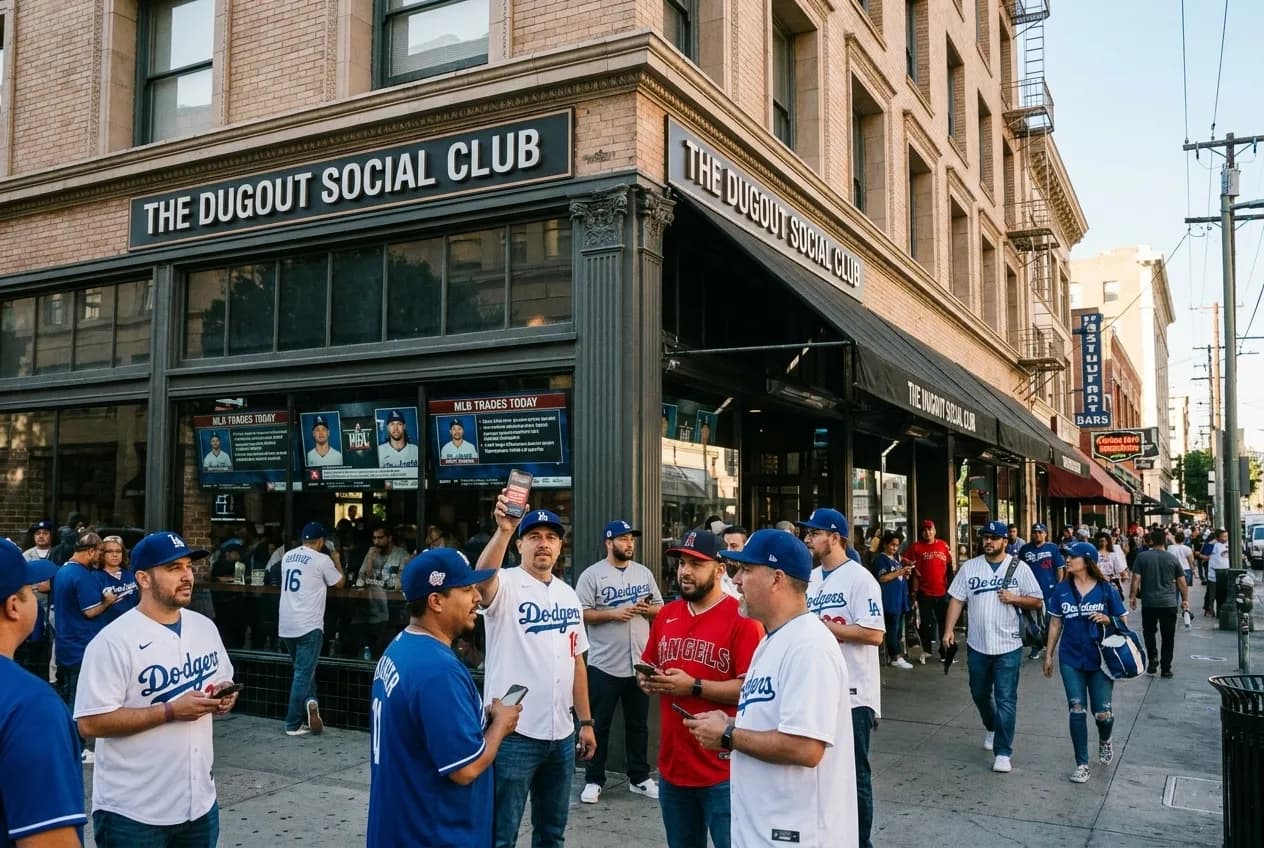
Santa Monica and Venice Beach Tradeoffs: Atmosphere Versus Concentration
The beach neighborhoods offer a fundamentally different trade deadline experience—fewer sports bars per square mile but significantly more relaxed atmospheres and outdoor viewing options. Santa Monica's Third Street Promenade and Venice's Abbot Kinney Boulevard each host two to three sports-oriented establishments within a half-mile stretch, requiring longer walks between venues but delivering ocean breeze access and less crowded interiors compared to urban cores. The primary risk involves MLB Network prioritization: beach bars frequently cater to casual tourists rather than dedicated baseball fans, meaning trade deadline coverage may compete with generic highlight reels or muted audio in favor of background music.
Metro's Expo Line terminates in Santa Monica, making the beach accessible via the $1.75 base fare, though the final approach from the station to prime bar clusters requires a 10-to-15-minute walk or connection to local Big Blue Bus routes. Fans traveling solo may find beach neighborhoods less conducive to spontaneous group discussion compared to denser districts—the laid-back vibe discourages the urgent energy that characterizes trade deadline afternoons. However, these neighborhoods suit fans who prefer monitoring trades via mobile devices while enjoying a more ambient sports bar presence, using televisions as secondary confirmation rather than primary news sources.
Hollywood and West Hollywood's Mixed-Use Density Patterns
Hollywood Boulevard and Sunset Boulevard through West Hollywood present a middle-ground density option—more sports bars than beach neighborhoods but more spread out than Downtown's concentrated grid. The corridor between Highland Avenue and La Cienega Boulevard hosts approximately six to eight establishments with sports programming, though fans must verify MLB Network availability on a venue-by-venue basis. The mixed-use character means sports bars share blocks with music venues, comedy clubs, and restaurants, creating competition for foot traffic and sometimes resulting in divided screen attention during overlapping entertainment events. Fans should expect to walk 5-to-10-minute intervals between bars, making this route suitable for those who want movement variety without Downtown's intensity.
The Red Line subway serves Hollywood/Highland and Hollywood/Vine stations, while multiple bus routes traverse Sunset and Santa Monica Boulevards, maintaining the $1.75 fare structure with free transfers within two hours. West Hollywood's sports bar scene skews toward establishments with broader entertainment programming, meaning MLB trade coverage may share screen space with other content or shift to smaller monitors during peak dinner service. This neighborhood works best for fans comfortable with a more casual monitoring approach—checking phones for breaking news while using bar televisions for visual confirmation and crowd reaction gauges rather than exclusive trade deadline immersion.

San Fernando Valley's Suburban Spread and Parking Considerations
The San Fernando Valley—particularly Studio City, Sherman Oaks, and Burbank—distributes sports bars across a wider geographic area, requiring fans to plan driving routes or accept longer intervals between venues. This suburban pattern favors fans with vehicles who can park near a primary establishment and make strategic moves to one or two backup locations if crowd size or screen availability becomes problematic. The advantage lies in generally larger parking lots and less pedestrian congestion compared to urban neighborhoods, though this comes at the cost of walkability and spontaneous venue changes. Valley sports bars often cater to neighborhood regulars, potentially offering more consistent MLB Network access and knowledgeable staff who understand trade deadline importance.
Metro's Orange Line bus rapid transit serves the Valley's east-west corridor, with the Red Line extending to North Hollywood, maintaining the same $1.75 base fare and transfer policies. However, reaching individual sports bars from transit stops typically requires additional bus connections or significant walks, making the Valley less practical for fans relying exclusively on public transportation. The neighborhood suits fans who prioritize parking ease and established local sports bar relationships over the ability to rapidly compare multiple venues—a tradeoff that works when fans identify a single reliable establishment in advance rather than planning a multi-stop immersion route.
Verification Steps and Real-Time Adaptation Strategies
Regardless of neighborhood choice, fans tracking MLB trades today must verify television programming before committing to extended stays at any establishment. Calling ahead to confirm MLB Network availability proves essential, though staff responses may not account for last-minute programming changes or screen allocation shifts when the bar fills. Fans should prepare backup plans—identifying at least two alternative venues within their chosen neighborhood and noting Metro routes or walking distances between options. The $5 daily fare cap on Metro makes neighborhood pivots economically feasible if initial choices prove disappointing, though time lost in transit can mean missing breaking trade announcements during the move.
Solo fans benefit from bringing mobile devices with MLB apps or social media access, using bar televisions as supplementary visual feeds while monitoring text-based breaking news for speed. Group dynamics change the equation—larger parties sacrifice mobility for seating availability, making advance scouting and early arrival more critical. Fans should also consider time-of-day patterns: bars near office districts fill rapidly between 4-6 PM as workers arrive, while beach and residential neighborhoods maintain steadier afternoon crowds. The most successful trade deadline immersion routes combine neighborhood density research with flexible adaptation—knowing when to stay put versus when to move based on crowd energy, screen access, and the pace of actual trade news breaking across the league.
Tags: #MLBtrades #LosAngelessportsbars #neighborhoodguides #tradedeadline #baseballfans #LAMetro #DowntownLA #SantaMonica #Hollywood #SanFernandoValley #sportsbardensity #walkableroutes #publictransit #MLBNetwork #communityviewing
Sources consulted: Source 1: laparks.org · Source 2: metro.net · Source 3: discoverlosangeles.com · Source 4: lacity.gov
All trademarks are the property of their respective owners.
Ask Karpo first
Ask Karpo to turn this Los Angeles idea into a current plan for your date, budget, companion, transit preference, and energy level. Karpo can narrow the route and flag what to verify before you go.


