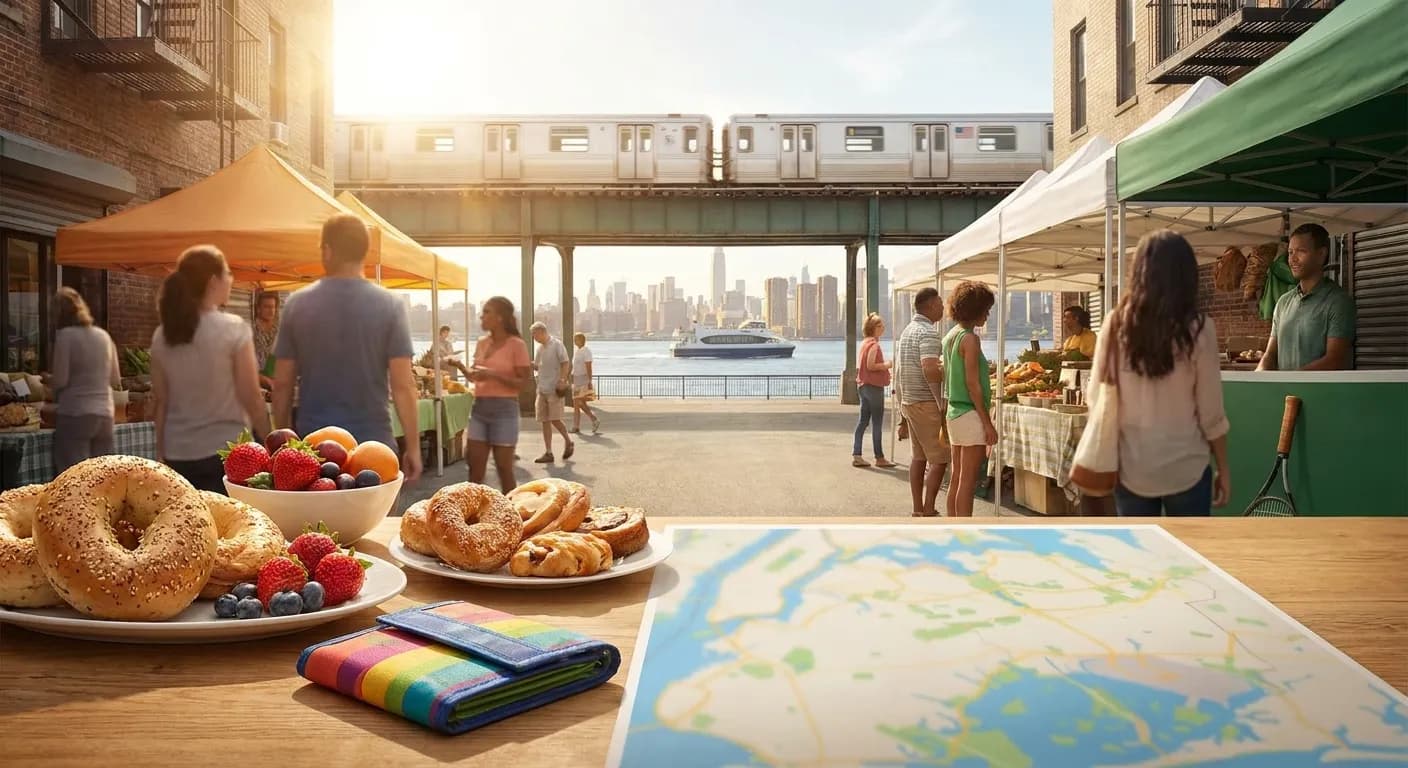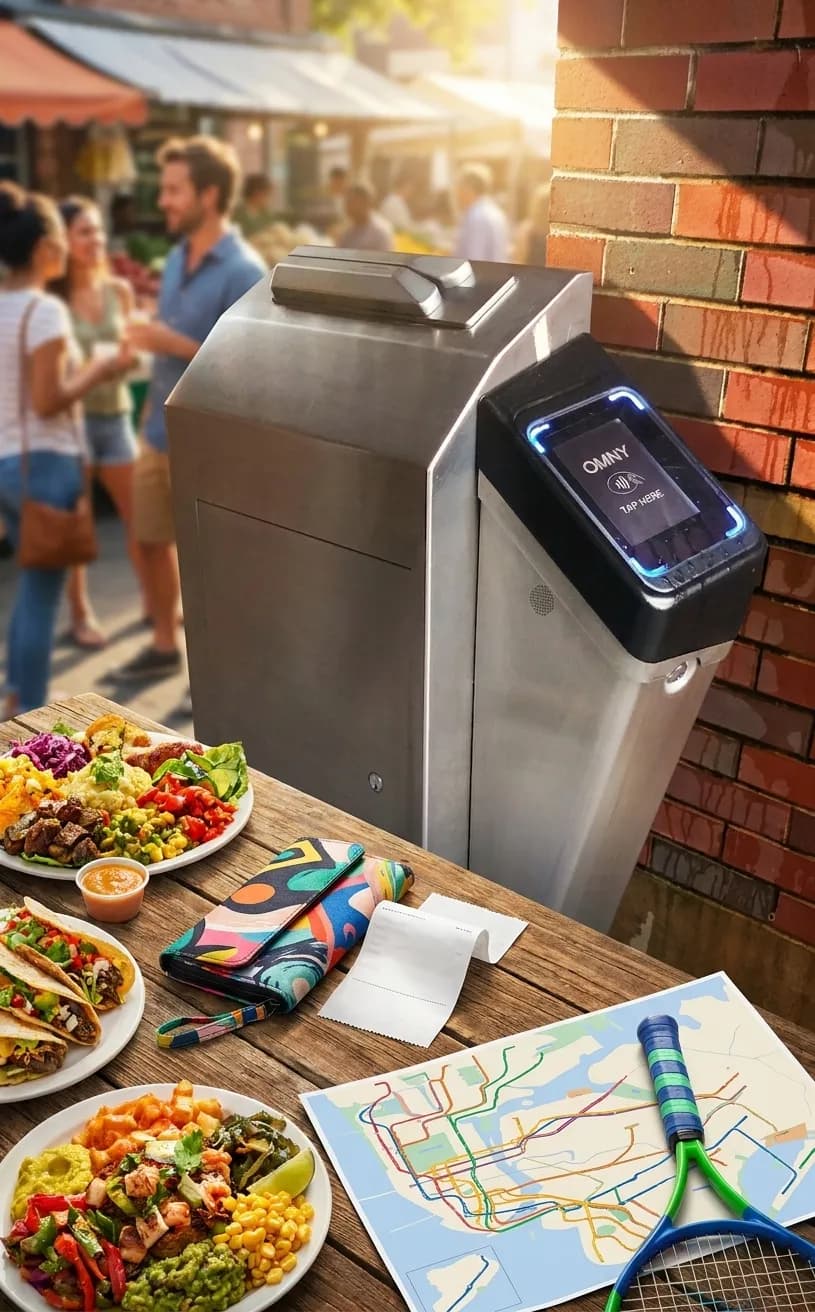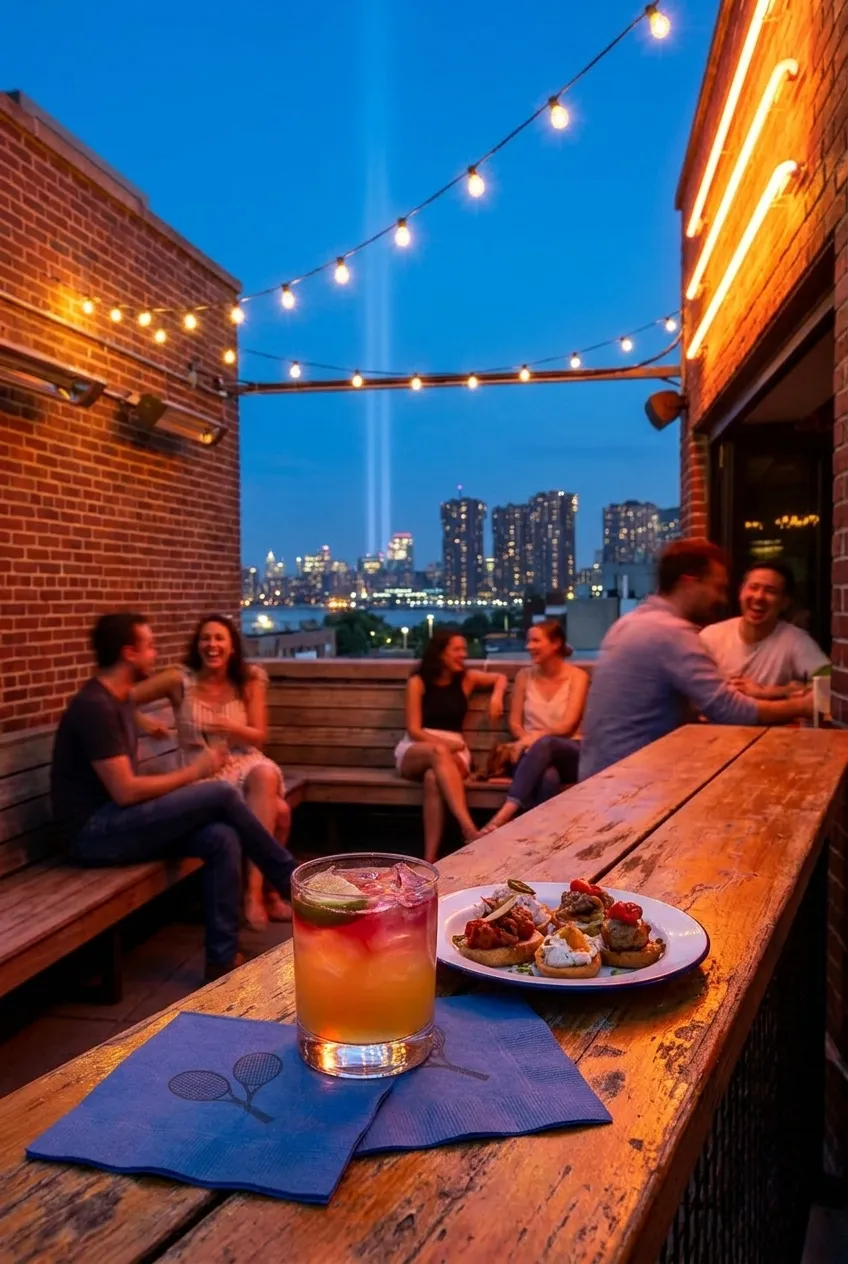
The US Open's two-week run in late August and early September places tennis fans in Queens during the final stretch of baseball's regular season, when playoff races intensify and roster decisions carry weight. Neighborhood taverns near the 7 train corridor fill with crowds debating both Grand Slam results and baseball's pennant push, creating a layered sports atmosphere that reflects New York's year-round engagement with multiple leagues. This guide helps you plan a US Open visit that includes time at Queens bars where baseball conversation provides texture to your tennis day.
Text Karpo with your US Open session time and Queens starting point, and we’ll turn this sports-bar conversations idea into a practical local plan.

The US Open typically runs for two weeks starting the last Monday in August, with day and evening sessions scheduled according to the official event calendar. Late August and early September mark baseball's transition from trade-deadline aftermath to playoff positioning, when teams finalized in July begin to show their new roster shapes and September call-ups arrive. Queens sports bars become natural gathering spots for fans tracking both storylines, especially when local teams are in contention and the borough's diverse baseball loyalties—Mets, Yankees, and transplants following clubs from across the league—converge in shared spaces.
This seasonal overlap matters for planning because it shapes bar crowds, television programming choices, and the tone of conversations you'll encounter. A day-session tennis ticket gives you afternoon freedom to explore Queens neighborhoods before or after your matches, while evening-session attendees often look for pre-match dining and post-match decompression spots. Knowing that baseball will be a prominent topic helps you choose venues and timing that match your interest in both sports or your willingness to absorb the ambient energy of playoff-race discussions.
The 7 train connects Manhattan to Flushing Meadows Corona Park via the Mets-Willets Point station, serving as the primary transit route for US Open attendees according to official transportation guidance. This same line runs through neighborhoods with established tavern scenes—Jackson Heights, Woodside, Elmhurst, Corona, Flushing—where baseball and tennis conversations naturally mix during the tournament fortnight. Bars near 7 train stops see increased foot traffic as tennis fans move between sessions and accommodations, and many adjust their television lineups to accommodate visitors who want to catch match highlights or follow early-round play they missed while in the stadium.
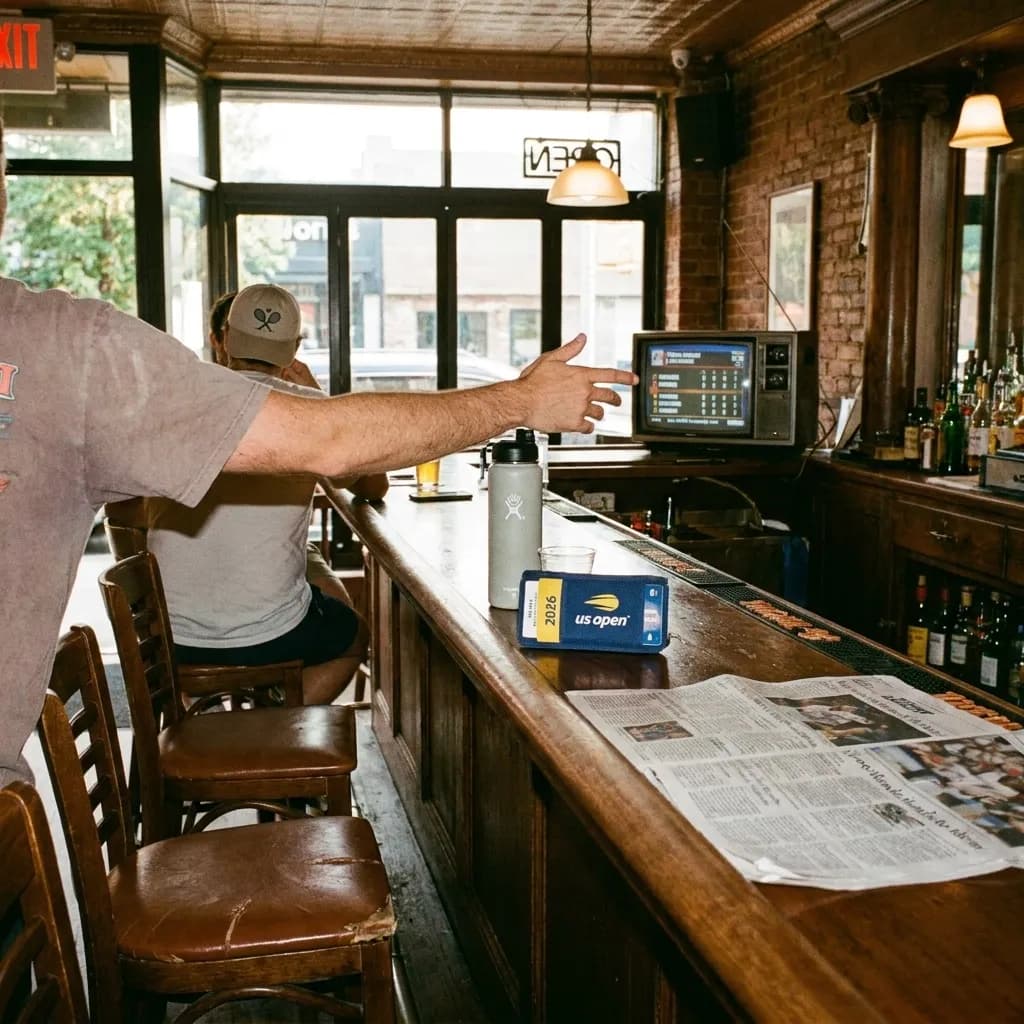
Planning around the 7 train means you can build a logical route: start in western Queens neighborhoods for lunch and early baseball games, take the train east to Mets-Willets Point for your tennis session, then return along the same line for post-match food and conversation. Check the MTA official service status page for planned work or service changes that might affect this routing, particularly important during the tournament when crowds are heavier and delays have larger ripple effects on your day.
Queens bars attract a mix of Mets loyalists, Yankees fans from across the city, and transplants following teams from other markets, creating richer baseball conversations than you might find in more homogeneous neighborhoods. Late-season discussions touch on roster construction philosophy, bullpen management, platoon advantages, and competitive windows—topics that resonate in a borough known for its working-class sports culture and informed skepticism toward front-office narratives. When these conversations happen alongside US Open coverage, you get a snapshot of New York's layered sports identity and the way different leagues occupy mental space simultaneously rather than sequentially.
The baseball calendar's structure creates natural conversation peaks that align with your tennis visit. Late-season games carry playoff implications, making every pitching change and lineup decision feel consequential. Bars with knowledgeable regulars offer running commentary that helps casual fans understand why a defensive substitution or bullpen sequencing matters more than box-score statistics suggest. This educational aspect makes sports bars valuable even if you're primarily in Queens for tennis, offering a window into how locals parse the sport's strategic layers.
Day-session tickets give you flexibility for late-afternoon and evening bar visits after you leave the tennis center. Evening-session attendees have morning and early afternoon free, ideal for catching day baseball games or extended pre-match meals at taverns that open for lunch service. The US Open's official visitor guide notes policies around outside food and beverages; neighborhood bars provide an alternative to on-site dining when you want a fuller meal or a break from tournament crowds and pricing structures.
Flushing serves as both the US Open's home and a year-round residential and commercial neighborhood with its own rhythms independent of the tennis calendar. Bars here experience the most dramatic crowd shifts during the tournament, with regulars sharing space with international tennis fans and day-trippers from other boroughs. This mix creates opportunities for conversations that range beyond baseball—you might discuss tennis in Mandarin, Spanish, Korean, or other languages depending on who's nearby—but the baseball talk provides a common language for New Yorkers of varied backgrounds, a sport whose local history and current storylines offer shared reference points.
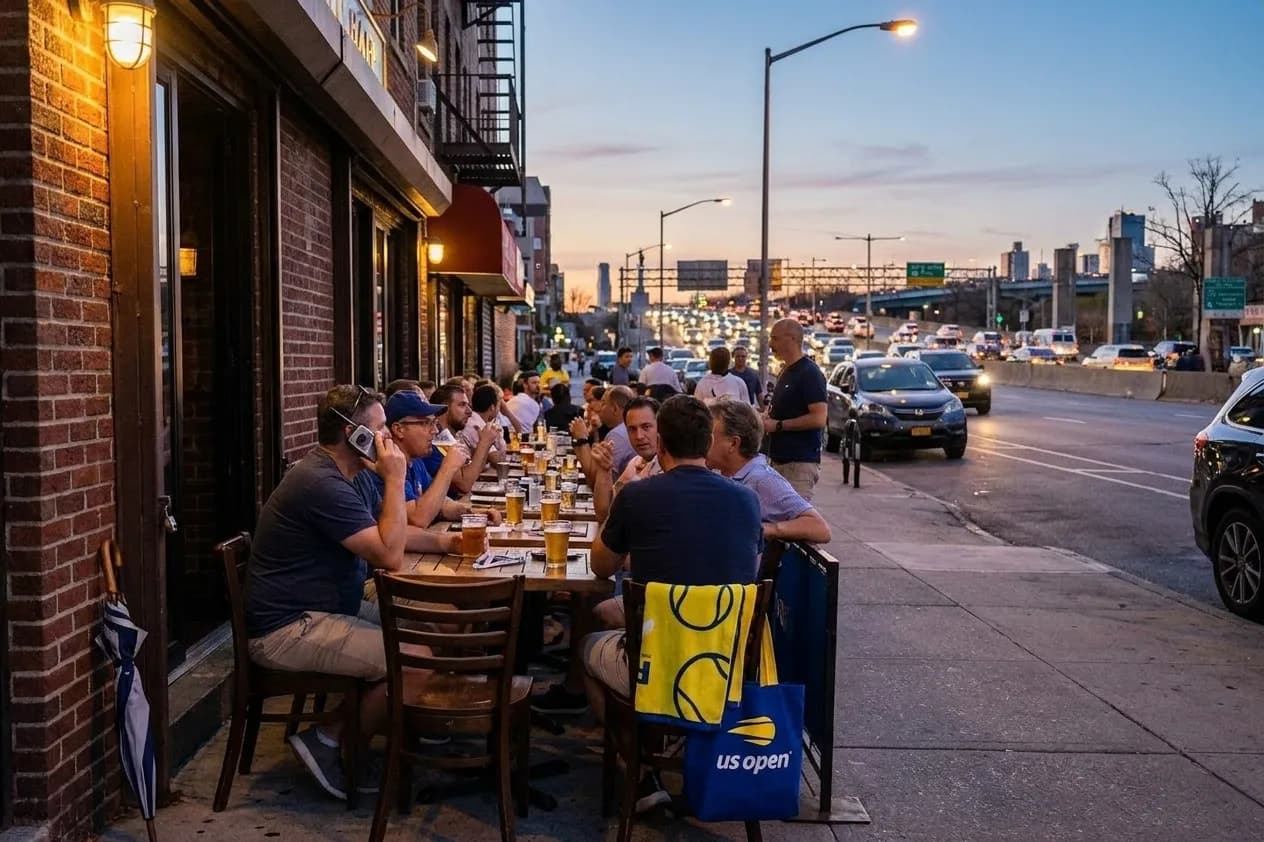
The NYC Tourism Queens overview highlights the borough's cultural diversity and food scene, both of which extend to its bars and taverns. You'll find venues that specialize in particular cuisines or cater to specific communities, with sports viewing as a secondary rather than primary function. This means you might watch baseball unfold on a screen above a menu of regional Chinese dishes, Latin American specialties, or South Asian flavors, adding culinary discovery to your sports-bar experience and illustrating how Queens integrates rather than segregates its cultural offerings.
Building Flexible Days Around Fixed Tennis Times
The most successful US Open days balance structured elements—your ticketed session time, transit connections—with flexibility for spontaneous discoveries. Allocate specific hours for tennis, but leave gaps for extended bar conversations, neighborhood walks, or unplanned stops at venues that catch your attention. Baseball games provide natural time markers—first pitch, middle innings, final outs—that help you pace your day without rigid scheduling, allowing you to move when a game reaches a natural break rather than watching the clock.
Consider starting your day at a tavern that opens for lunch, watching a few innings while you eat, then heading to the tennis center for your session. After tennis, return to a different neighborhood along the 7 train for dinner and the late baseball game. This approach gives you multiple Queens experiences rather than anchoring you to a single location, and the baseball conversation thread connects your stops thematically even as the settings, menus, and crowds change. You'll notice how the same playoff race looks different through the lens of different communities and their particular team loyalties.
If you're traveling with companions who have different sports interests, this structure accommodates varied priorities. One person can extend a bar visit while another explores nearby shops or parks, then reconvene for the tennis session. The 7 train's frequent service during daytime and evening hours makes it practical to split up and rejoin without elaborate coordination, though you should confirm current service patterns on the MTA status page as your visit approaches.
What to Verify Closer to Your Visit
Sports bars operate in a dynamic environment where ownership, hours, and programming priorities can shift between seasons. Do not assume any specific bar will be open or showing particular games; verify current operations for any venue you plan to visit by checking direct contact information or recent social media activity closer to your US Open dates. The MTA service status page should be consulted the morning of your visit for any subway changes affecting 7 train service, and the official US Open transportation page may add shuttle or access updates as the tournament approaches.
Baseball schedules are set months in advance but remain subject to weather postponements and occasional flex scheduling for broadcast purposes. If you're planning your bar visit around a specific game, confirm the start time within 24 hours of your intended visit. Tennis match times are even more fluid, with evening sessions sometimes starting earlier or later depending on day-session results and court assignments. Build buffer time into your plans so that schedule shifts don't eliminate your bar-visit window entirely or force you to choose between activities you hoped to combine.
Weather during late August and early September in New York ranges from warm and humid to cooler and rainy as summer transitions toward fall. The US Open includes a retractable roof over Arthur Ashe Stadium, but outdoor courts remain subject to rain delays that cascade through the schedule. Bar visits provide flexible backup plans when weather disrupts tennis, allowing you to stay engaged with sports while remaining comfortable. Check the National Weather Service forecast for New York as your visit approaches, and have indoor options identified if predictions show unsettled conditions.
Why This Combination Works
Pairing US Open attendance with Queens sports-bar visits works because both activities reward sustained attention and benefit from local knowledge. Tennis matches unfold over hours with shifting momentum; baseball games follow a similar rhythm of patience punctuated by decisive moments. Bar regulars who've followed their teams all season offer context that enriches your understanding of what you're watching, much like experienced tennis fans can explain the significance of a particular matchup or playing style. Both environments value the social dimension of sports—the shared experience of watching, debating, and processing what unfolds.
Queens itself rewards this approach because the borough resists easy categorization. It's residential and commercial, diverse and neighborhood-specific, accessible by subway yet distinct from Manhattan's rhythms. Spending time in its taverns during baseball season while attending a global tennis event gives you multiple entry points into understanding how the borough functions, how its communities interact, and how sports serve as both common ground and expression of particular identities. You're not just passing through on your way to the tennis center; you're participating, however briefly, in the ongoing life of the neighborhoods that host the tournament.
This guide provides a framework, not a fixed itinerary. Your actual experience will depend on which session you attend, which neighborhoods you explore, which bars you choose, and which baseball games happen to be playing when you walk in. The goal is to help you see the US Open not as an isolated event but as something that happens within and alongside Queens' regular patterns, including its late-summer baseball conversations and the tavern culture that sustains them year-round.
Tags: #USOpen2026 #Queens #FlushingMeadows #KarpoFinds #Karpo #mlbtradedeadline #NewYorkLocal #TennisTravel
Sources consulted: usopen.org — Official event schedule · usopen.org — Official visitor A-Z guide · usopen.org — Official transportation directions · usopen.org — Official prohibited-items guide · NYC Tourism — Queens · MTA — Official service status
All trademarks are the property of their respective owners.