A trending search for mitch mcconnell senate absence can make federal politics feel immediate in New York, especially when housing funds, transit grants, health programs, immigration services, or disaster money may be in the same news cycle. The useful question is narrower: did a Senate absence actually change a vote, delay a bill, affect a nomination, or alter funding that NYC agencies rely on? As of July 27, 2026, the safest workflow is to verify the legislative record first, then check city-facing channels for practical consequences. This guide is built for a solo New Yorker with limited time, a concerned mood, and a need to act without amplifying uncertain claims.
Want a calm read on whether a Washington headline matters for your block? Text Karpo before you call an office, reshare a claim, or change plans.

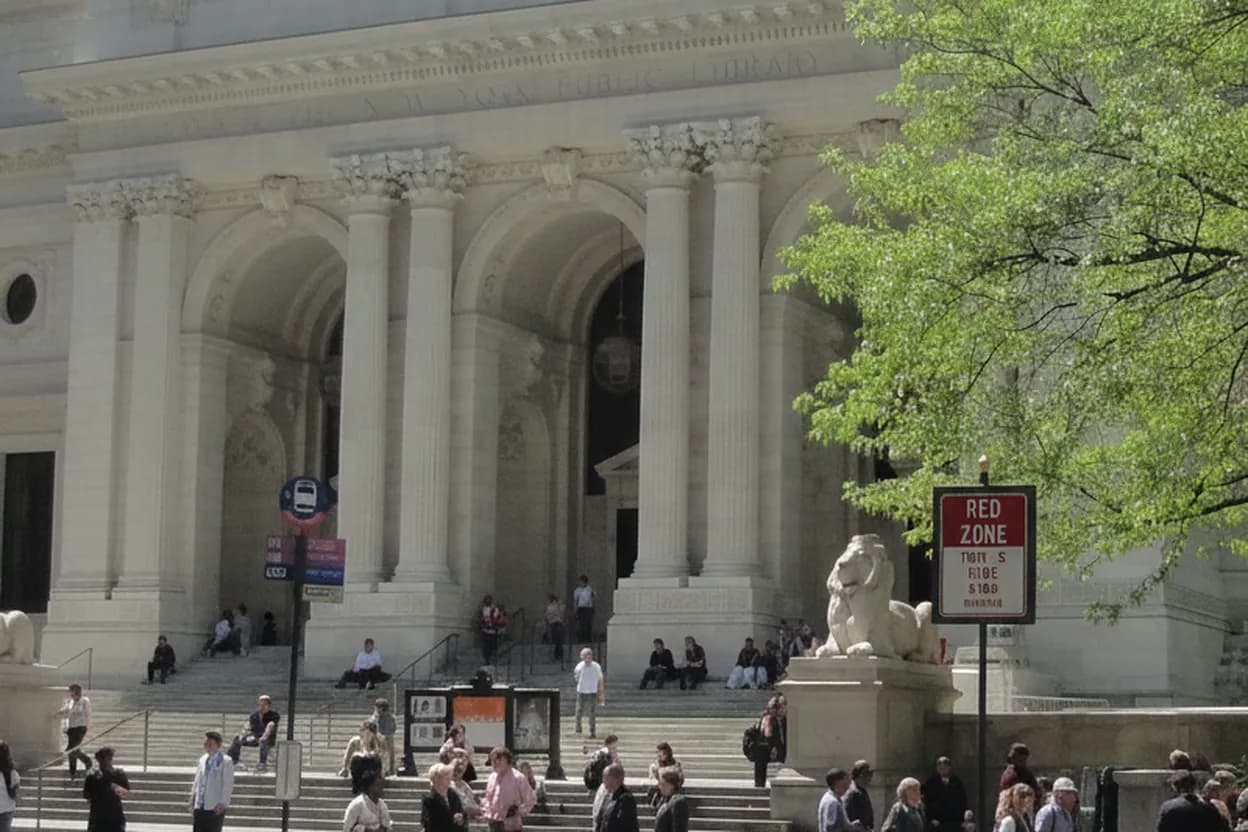
Start at NYPL's Stephen A. Schwarzman Building for Source Triage
The Stephen A. Schwarzman Building is the strongest first stop if you want a quiet, source-based read instead of a social feed spiral. NYPL lists the building at Fifth Avenue and 42nd Street, with public research use and Ask NYPL assistance when you are unsure which division fits your question. That matters for federal legislation because the first task is not interpretation. It is naming the bill, nomination, vote number, committee, or Congressional Record entry behind the headline.
Use the library when you need space, databases, or staff direction, not when you need instant breaking news. NYPL notes that some reading rooms are open for research without an appointment, while some collections require advance consultation or appointments. The practical failure mode is arriving with only a politician's name and no document trail. Bring the article link, search term, bill number if available, and the specific NYC concern: transit money, SNAP, housing vouchers, courts, health funding, or agency staffing.
Use Congress.gov Before Treating a Headline as Legislation
Congress.gov is the clearinghouse for bills, amendments, committee materials, the Congressional Record, nominations, and member information. Its search tools cover the 119th Congress, which runs through 2026, and let you search titles, summaries, actions, sponsors, and full text when available. For a McConnell-related absence claim, do not start by asking whether a politician was present. Start by asking whether the relevant item exists, what chamber it is in, and what formal action has happened.
The tradeoff is that Congress.gov can feel dense if you are reading on a phone. Use it for confirmation, then read news analysis second. If a post says an absence killed or saved something for NYC, verify the bill status, latest action, committee, and whether both chambers acted. A Senate delay does not automatically mean a city program changed today. If the record has no bill number, no vote, and no cited action, treat the claim as unconfirmed until a primary record appears.

Check the Senate Votes Page for the Actual Roll Call
The Senate votes page is where absence claims become measurable. It lists recent roll call votes with date, vote number, tally, result, question, and issue. On July 27, 2026, the page showed recent votes from July 22 and July 23, with links to vote details and related Congress.gov items. That is the place to test whether one senator's absence plausibly changed an outcome, or whether the margin was too large for the claim to hold.
Read the tally before reading commentary. A 51-46 cloture vote, for example, means the missing votes and thresholds matter differently than a 49-44 confirmation vote or a rejected motion. The failure mode is confusing a missed vote, a procedural motion, and final passage. For NYC impact, write down three things: what the vote question was, whether it passed or failed, and what federal program or legal authority it touched. If that chain is missing, slow down.
Use Senate Contact Pages When a New York Senator Is the Right Office
If the issue is Senate action, contact New York's two U.S. senators through their official Senate-linked websites, not a random petition page. The Senate's contact guidance says public policy questions, legislation, and requests for help should go to the senators from your state. It also notes that web forms are available on senators' sites, postal addresses can be found there, and the U.S. Capitol Switchboard can connect callers to Senate offices at 202-224-3121.
This is useful when the verified issue is still live: a pending vote, committee action, nomination, or federal program decision. It is less useful when you are asking a city service question, such as a delayed permit, shelter placement, street condition, or library access. Keep the message short, identify yourself as a constituent, name the bill or vote, and describe the NYC consequence you want them to examine. Do not send personal data unless the office requests it for casework.
Use House.gov and NYC311 to Find the Office That Can Actually Respond
Many federal issues that affect NYC also involve your House member. House.gov's Find Your Representative tool matches a ZIP code to the current congressional district and member website. The page also warns that redrawn district boundaries and election results may not change current representation until the next Congress starts, which for the current Congress is January 2027 unless a vacancy changes the seat. That detail matters in 2026 because campaign news and current constituent service can point to different people.
For city-side routing, NYC311's elected officials page can connect residents with contact information for City Council members, borough presidents, state legislators, U.S. senators, and House representatives. NYC311 also notes that appointments are often required to meet with a representative. The backup logic is simple: federal bill or Senate vote, contact federal offices; city service delivery, contact 311 or the agency; district-specific confusion, verify through House.gov or NYC311 before sending the same complaint everywhere.
Watch C-SPAN Only After You Know What Proceeding You Need
C-SPAN can be useful for seeing hearings, floor debate, and public proceedings in context, but it should not be your first verification step. A live clip can show what someone said; it does not by itself prove whether a bill moved, a vote threshold was met, or a city program changed. Use the Senate vote number, committee name, or bill number from official records before searching video. That keeps a long broadcast from becoming a time sink.
The pacing choice depends on urgency. If a Senate vote has already happened, the roll call is faster than replaying video. If a hearing is underway and the practical question is testimony, agency commitment, or quoted language, video may help. The failure mode is mistaking debate for enactment. For accessibility, use captions or transcripts where available, and switch back to written records if the player, schedule page, or livestream is unavailable.
Before Visiting Offices, Check MTA Status and Make a Verification Note
If you plan to visit NYPL, a district office, City Hall-area offices, or a civic meeting, check transit just before leaving. The MTA app help page says the Status tab provides live subway and bus service information, planned service changes, and elevator or escalator outages. That is especially relevant for a daytime solo trip across boroughs, where one elevator outage or reroute can turn a simple verification errand into a missed appointment.
End with a written verification note: source checked, date checked, bill or vote number, office contacted, and what remains unconfirmed. If the changing fact cannot be confirmed, say so plainly in your decision: wait for the Senate roll call, check Congress.gov later, call the office, or use Ask NYPL. The best outcome is not always an immediate answer. Sometimes it is knowing that the headline has not yet become a verified NYC consequence.
Tags: #AskKarpo #BeforeYouGo #NYC #KarpoNYC #CivicNYC #CongressGov #SenateVotes #NYPL #NYC311 #FederalLegislation #MediaLiteracy #TransitCheck #LocalGovernment #NewsGuide
Sources consulted: Source 1: congress.gov · Source 2: senate.gov · Source 3: senate.gov · Source 4: house.gov · Source 5: portal.311.nyc.gov · Source 6: web.nypl.org
All trademarks are the property of their respective owners.
Ask Karpo first
Tell Karpo your date, group size, budget, and starting neighborhood. We’ll check current access, timing, transit, and the cleanest plan for NYC Public Library, C-SPAN, local government offices before you head out.