 Best Breakfast Near Me in DTLA: Nickel Diner Built a Maple Bacon Doughnut
Coffee & Dessert
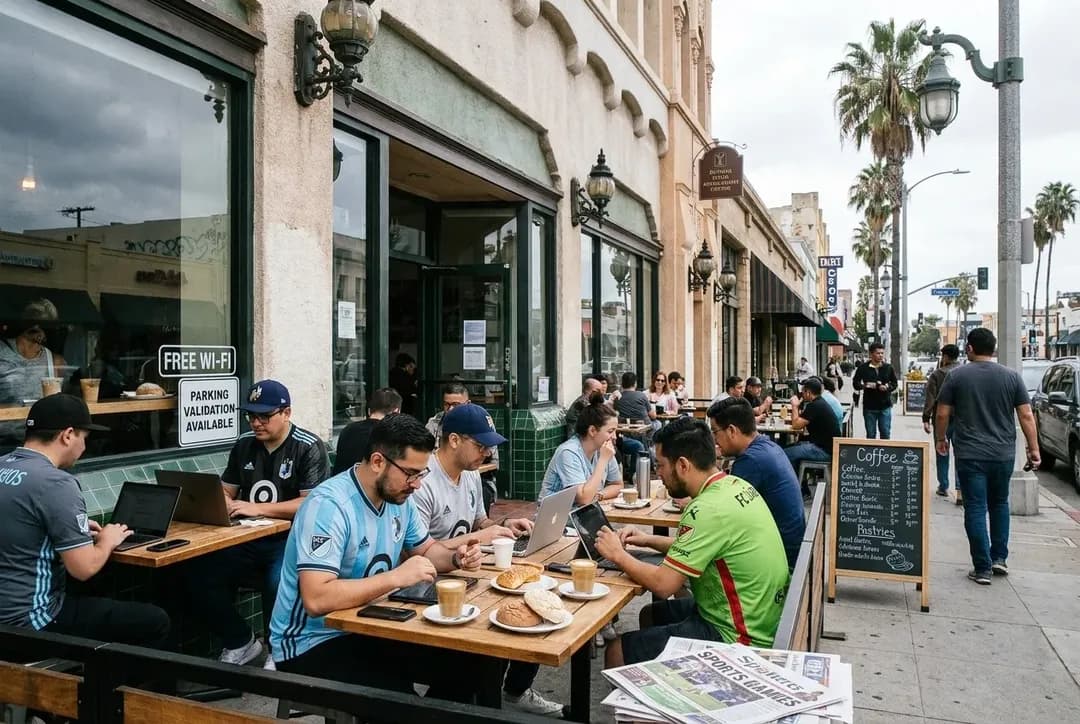
minnesota vs juarez: LA Caf s Near Soccer Bars With
Pre-match caffeine stops near soccer bars help MLS and Liga MX fans fuel lineup debates before kickoff. Verify Wi-Fi access and parking validation to maximize your 45-minute fueling window.
When the minnesota vs juarez match draws MLS and Liga MX fans to Los Angeles soccer bars, the hours before kickoff become prime time for strategic fueling. A Saturday morning 45-minute café stop within walking distance of your chosen viewing venue lets you secure caffeine, claim table space for pregame lineup debates with your partner or solo ritual, and test streaming connections before crowds arrive. The tradeoff: proximity to bars often means limited seating and fluctuating Wi-Fi quality during peak hours, so arriving early shifts the odds in your favor. This route suits fans who treat anticipation as part of the event—those who'd rather sip a cortado while parsing formation changes than rush directly to a barstool.
Text Karpo your Los Angeles starting point, timing, companion, and priorities for a current pre-event fueling route inspired by minnesota vs juarez, with one realistic backup before you leave.
Mapping the Café-to-Bar Walking Corridor
Soccer bars cluster in neighborhoods served by Metro rail and bus lines, making the café search a question of which transit stop anchors your plan. According to Metro's official rider information, regular fare runs $1.75 with a daily cap at $5 after three rides, and transfers between buses and trains stay free within two hours when you tap a TAP or credit card. Fans arriving from outside the immediate neighborhood can ride to a station near their target bar, then walk a three-to-five-block radius to find cafés with outdoor seating or large communal tables. The decision point: do you prioritize a café that opens early enough to claim space before the 9 a.m. pastry rush, or one that sits directly between your Metro exit and the bar entrance, even if it means tighter quarters?
Public park plazas and pedestrian-friendly blocks often host both independent coffee roasters and soccer-friendly bars within sight of each other, but summer heat changes the calculation. Metro's extreme heat safety guidance recommends reviewing your travel route to avoid long outdoor waiting times, since bus stops and outside transit platforms can get hot; standing in the shade becomes essential. If your café lacks air conditioning or shaded sidewalk tables, a 45-minute stop in August may feel less like strategic fueling and more like endurance training. Check whether the café allows you to move between indoor and outdoor zones without losing your table, and whether the bar next door opens its doors early enough to offer a cooler backup if needed.
Wi-Fi, Streaming, and the Pregame Show Dilemma
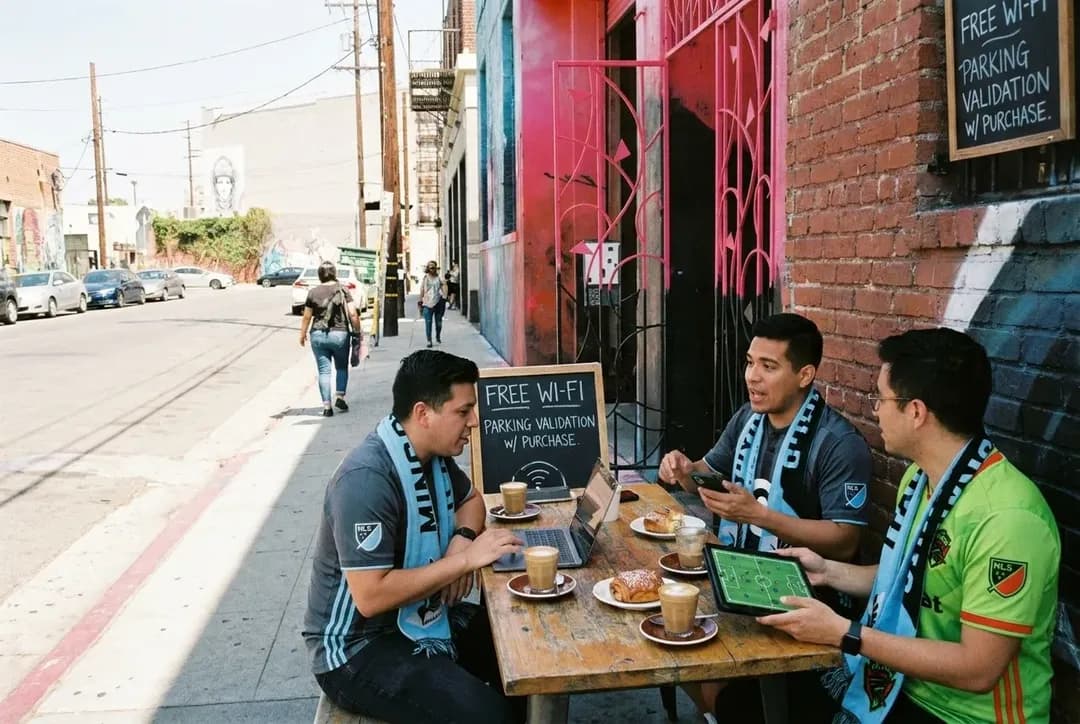
Confirming Wi-Fi availability before you order separates a productive fueling stop from a frustrating one. Many cafés post network names on chalkboards or receipt printouts, but bandwidth during Saturday morning peak hours can throttle video streams to buffering loops. The verification step: ask the barista whether the network handles live video, or whether it's configured for light browsing only. If you plan to stream pregame analysis or catch early-match commentary from another league, test the connection with a short clip before settling in—switching cafés after you've ordered and claimed a table costs you the time buffer you built into your 45-minute window.
Some fans solve the bandwidth question by downloading pregame podcasts or match previews on home Wi-Fi, then using the café's connection only for live score updates or lineup announcements. This approach reduces your dependence on the café's network quality and lets you focus on the cortado and pan dulce without glancing at a loading spinner. The tradeoff: you lose the spontaneity of live commentary and the ability to react in real time if a key player gets scratched from the lineup. Solo fans may prefer the downloaded-content route for uninterrupted focus, while partners or small groups benefit from shared screens and live debate, making reliable Wi-Fi non-negotiable.
Parking Validation and the Two-Location Puzzle
Parking validation policies vary widely among LA cafés, and the question becomes urgent when you plan to stay at the adjacent bar for hours after your coffee stop. Some cafés validate for their own lot or nearby structures if you make a minimum purchase, but that validation may not extend to the bar's parking arrangement. The decision matrix: do you park once at a paid lot that serves both venues and accept the flat rate, or do you park at the café, validate, then move your car to the bar's lot before kickoff? The first option costs more but eliminates the mid-morning scramble; the second saves money but eats into your 45-minute café window and risks losing your bar-adjacent parking spot to another early arrival.
Metro's park-and-ride options at select rail stations offer a third path—leave your car at a transit hub, ride to the café-bar neighborhood, and eliminate parking validation questions entirely. This route works best for fans comfortable with a 10-to-15-minute train ride each way and willing to carry any purchases (extra pastries, a laptop, a scarf in team colors) on public transit. The limitation: park-and-ride lots fill early on event Saturdays, and if your return train after the match faces delays, you'll stand on a hot platform longer than you planned. Weighing parking cost against transit time and heat exposure defines the easy-versus-easiest calculation for your specific start and end points.
Menu Choices That Match Pre-Match Energy
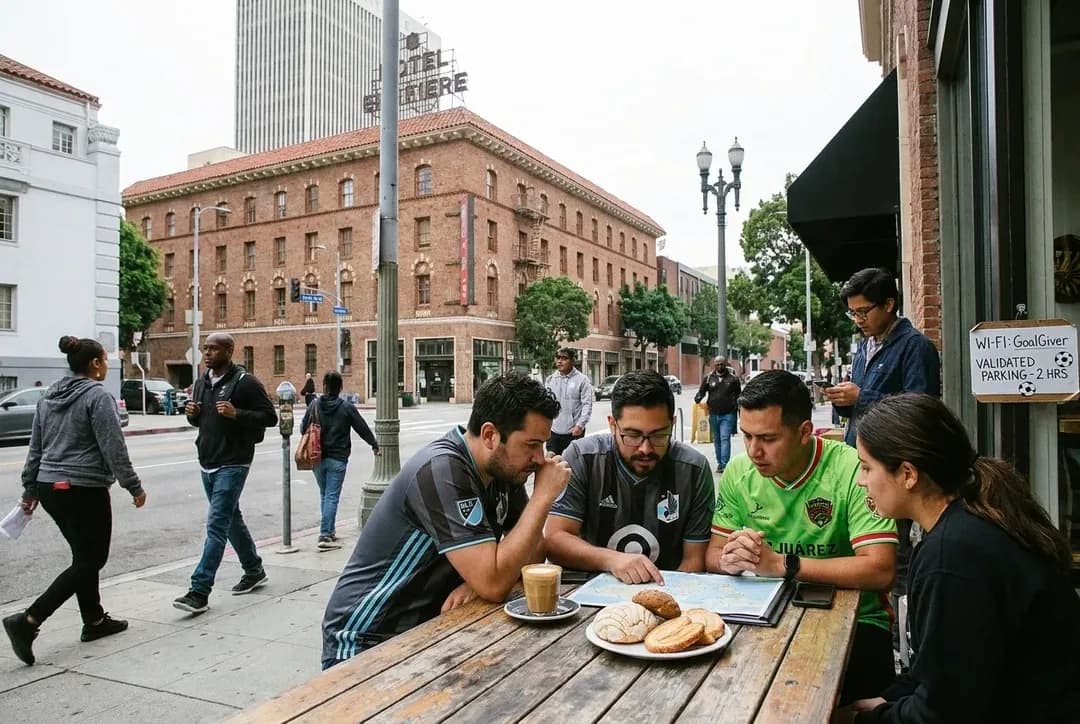
Cortados and pan dulce anchor the café fueling strategy because they deliver quick energy without the post-pastry crash that derails focus during the match's opening minutes. A cortado's balanced espresso-to-milk ratio provides caffeine in a smaller volume than a latte, leaving room for a pastry without feeling overfull when you transition to the bar. Pan dulce—conchas, cuernos, orejas—offers carbohydrate fuel and a visual cue that you're in a café with ties to the same cultural traditions that make Liga MX matches communal events. The menu decision: do you order a second cortado to extend your table claim, or switch to water and save your appetite for bar snacks during the match?
Cafés near soccer bars often stock empanadas, tamales, or breakfast burritos that turn a coffee stop into a full meal, but eating a heavy breakfast shifts your energy curve. Fans who plan to order food at the bar during the match may prefer a light café snack, while those who know the bar's kitchen opens late or serves limited options might treat the café as their primary fueling stop. The anticipation emotion plays a role here—some fans find that a substantial breakfast calms pre-match jitters, while others prefer the edge that comes from caffeine and sugar alone. Testing this balance during a lower-stakes match gives you data for the minnesota vs juarez morning.
Who This Route Fits and Who It Doesn't
This café-to-bar fueling route suits fans who treat the hours before kickoff as part of the event's emotional arc—those who want to arrive at the bar with caffeine in hand, a mental list of talking points about formations, and enough time to claim a good sightline to the screen. Partners who enjoy low-key debate over coffee before joining a louder crowd will find the 45-minute window sufficient for connection without rush. Solo fans who use the café stop as a centering ritual before the social intensity of a packed bar also benefit, especially if they choose a café with single-occupancy tables or counter seating that doesn't require sharing space.
The route fits less well for fans who prefer to maximize sleep on Saturday mornings and arrive at the bar just as the broadcast starts, or for groups of four or more who struggle to find café seating together without advance planning. Families with young children face a different calculation—cafés with table space for strollers and high chairs exist, but they're rarely the same cafés that sit steps from soccer bars, and the 45-minute timeline tightens when you're managing multiple schedules. Fans driving in from distant neighborhoods may find that the parking and transit variables consume too much of the morning, making a direct-to-bar route simpler even if it sacrifices the anticipatory café ritual. The key is matching your companion type, time cushion, and energy preferences to the two-location structure rather than forcing it to fit.
Tags: #LosAngelescafs #soccerbarsLA #MLSwatchparties #LigaMXfans #prematchcoffee #Metrotransittips #parkingvalidation #cortadoandpandulce #Saturdaymorningroutine #WiFistreaming #DowntownLA #walkableneighborhoods #anticipatoryrituals
Sources consulted: Source 1: metro.net · Source 2: discoverlosangeles.com · Source 3: lacity.gov · Source 4: lapl.org
All trademarks are the property of their respective owners.
Ask Karpo first
Ask Karpo to turn this Los Angeles idea into a current plan for your date, budget, companion, transit preference, and energy level. Karpo can narrow the route and flag what to verify before you go.
Ask Karpo for more information.
Keep reading
- Best Breakfast Near Me in DTLA: Nickel Diner Built a Maple Bacon Doughnut
 Coffee Near Me in Venice: Menotti's Pours Steps from the Boardwalk
 Coffee Near Me in Chinatown: Endorffeine Is a One-Man Bar