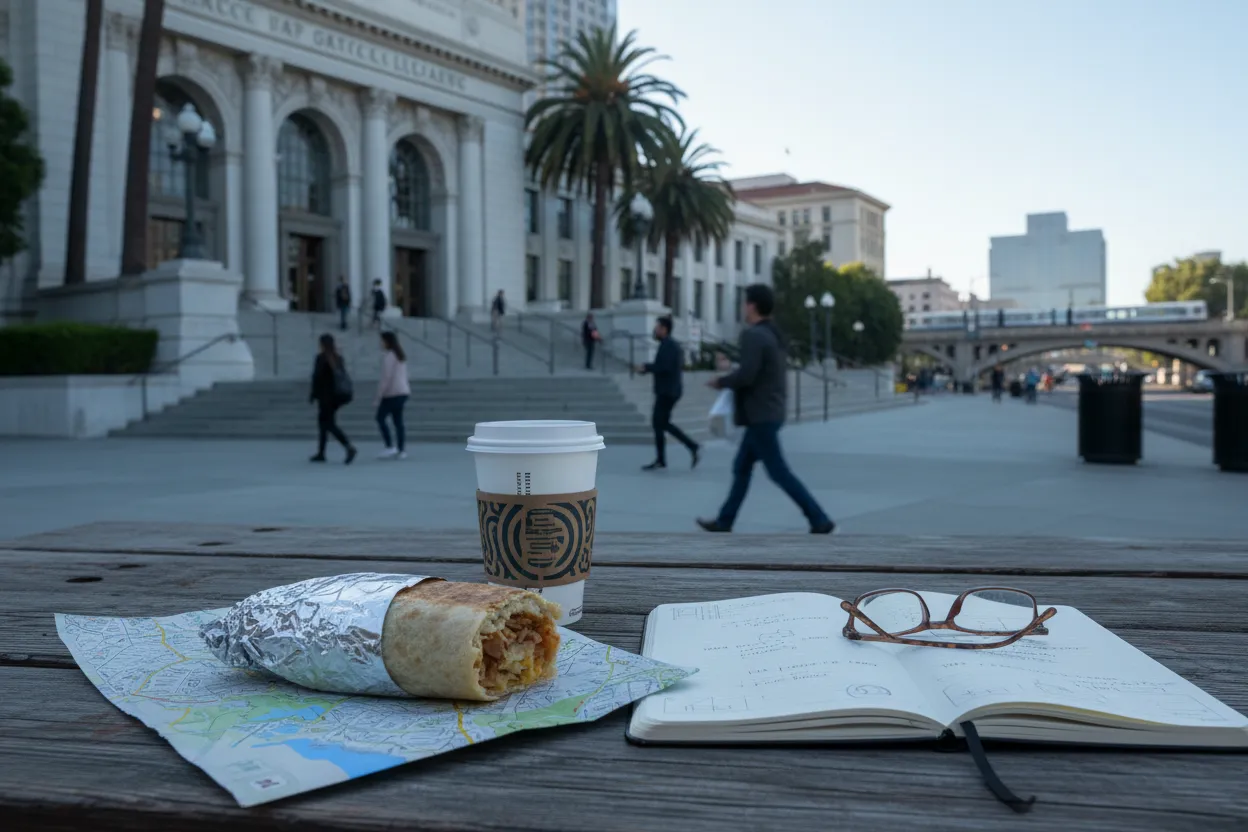
The locked search phrase minnesota primary 2026 may point to politics outside Los Angeles, but it can still be useful for a local back-to-school routine: teaching students how to slow down, verify sources, and turn a fast-moving topic into a manageable research task. On Wednesday, August 12, 2026, the smarter Los Angeles move is not to chase rumors, private access, or promised events. It is to build a public plan around the Los Angeles Public Library, the City of Los Angeles website, and Metro’s own trip-planning tools. Treat the phrase as a prompt, not a destination. Your goal is to practice asking better questions, comparing official pages, checking access, and leaving room for a backup stop if crowds, service alerts, or changing hours get in the way.
Want a quick route check before you leave home? Text Karpo with your neighborhood, study goal, and preferred transit mode, and ask for a public-source-first plan.

Turn curiosity into a research question
Start by writing the exact phrase at the top of the page: minnesota primary 2026. Then separate what you know from what you only assume. The phrase is not a Los Angeles event, a local endorsement, or a promise that anyone connected to it will appear here. For a student, that distinction matters. A useful research question could be: “How do I verify election-related information when the topic is outside my city?” Another could be: “Which public institutions in Los Angeles help residents learn how to research civic information?”
Keep the task narrow enough to finish in one sitting. A parent, teen, or college student can use a 90-minute window to define terms, identify official pages, save citations, and compare one city source with one library resource. If the work becomes a debate before the sources are checked, pause. The back-to-school value is the habit: verify first, react second.
Start with a reliable public resource
For a Los Angeles study base, the Los Angeles Public Library is the cleanest first stop because its official site is built around reading, borrowing, research, technology, and student support. The LAPL homepage includes account access, library card information, catalog and website search, branch locations, events, services, and a Research section. It also highlights Student Success resources for students and families returning to school.
Central Library is listed at 630 W. Fifth St. in Downtown Los Angeles, and the system also provides branch search tools. Do not assume a seat, computer, room, or service will be available just because you have used it before. Before leaving, check the official LAPL page for the branch or Central Library details most relevant to your trip. If the assignment requires teen reading, the LAPL site also highlights Back to School Reads for Teens, which can be a useful reset after a heavy civic-research session.
Compare primary reporting before opinions
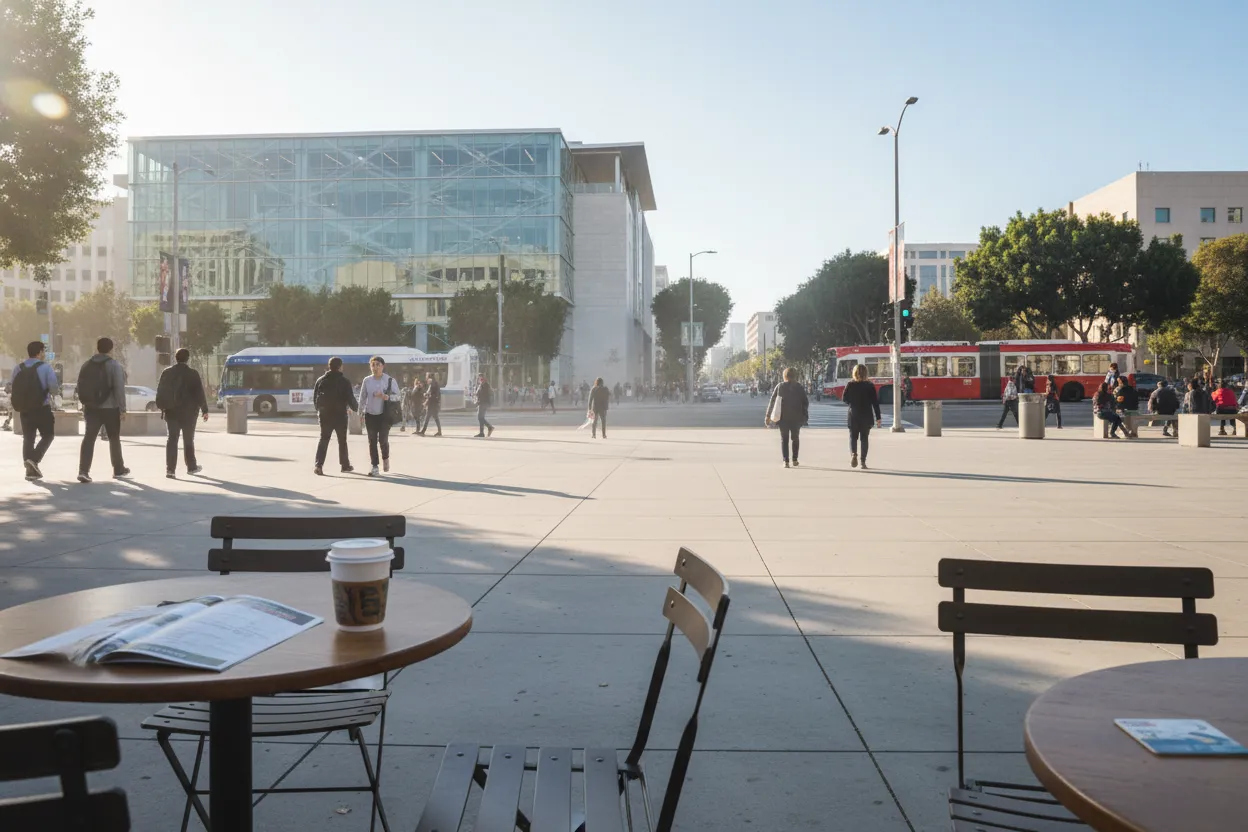
Once the library plan is set, use official civic pages to practice source comparison. The City of Los Angeles website identifies itself as the official website of the City of Los Angeles and groups public tools under city services, city directory, residents, business, visitors, jobs, government, TV, translate, accessibility, and search. It also links to request city services, meetings and agendas, a city directory, and neighborhood information.
That structure gives students a simple test: is a claim traceable to a public agency page, meeting agenda, directory listing, or official update? The City site lists 200 N. Spring St. as the City of Los Angeles address and provides 311 or 213-473-3231, plus TDD service through 7-1-1. Those are contact pathways, not shortcuts to instant answers. Use them when the question is genuinely about Los Angeles city services or departments, not to confirm out-of-state political rumors.
Choose a study stop that fits the task
Pick the stop based on the work, not the aesthetic. If the assignment needs catalog searches, reading, digital resources, or a structured research environment, LAPL is the anchor. If the assignment asks how city government information is organized, the City of Los Angeles website can be reviewed from home, school, or a library computer. If the assignment requires movement across town, Metro becomes part of the research plan rather than an afterthought.
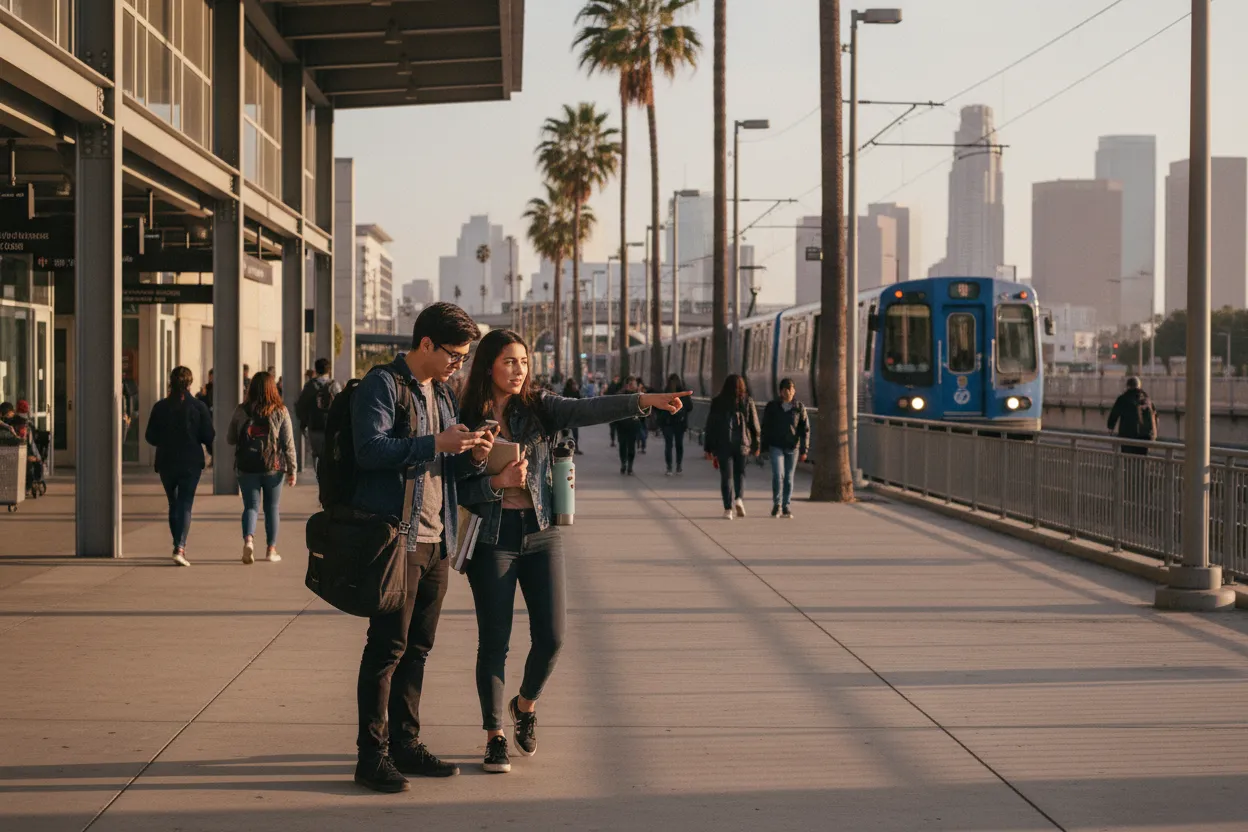
Metro’s official site offers a trip planner, arrivals, alerts, maps and schedules, and the Official LA Metro App for real-time arrivals, step-by-step directions, and service alerts. The same Metro page says riders can pay fare with a credit or debit card in plastic or digital form by tapping on buses or at train stations. Because transit conditions can change, verify the route and alerts immediately before departure, especially if you are connecting between a school pickup, library stop, and home.
Add one low-cost reset nearby
A good back-to-school plan includes a reset that does not turn the afternoon into an expensive production. LAPL’s official site points to free or public-facing resources such as reading lists, articles, videos, podcasts, literacy services, New Americans resources, and Discover & Go museum and attraction passes. Availability, eligibility, and access details should be checked on the library’s official pages before anyone promises a child or classmate a specific outing.
The reset can be simple: browse a teen book list, read a short library blog post, or use the branch visit to identify one future resource. The point is to help the student leave with momentum rather than screen fatigue. If Central Library is part of the route, remember that LAPL notes Central Library is 100 in 2026 and is marking the milestone. Treat any related program details as check-before-you-go items on the official event page.
Verify hours and access before leaving
Before the door closes behind you, run a final access check. Open the LAPL page for the specific location or service you plan to use. Confirm the City of Los Angeles page only if your question involves city services, departments, meetings, agendas, or neighborhood information. Open Metro’s trip planner, arrivals, alerts, maps, schedules, or app for the exact trip you intend to take. Screenshotting an old route is weaker than checking live information.
Build a backup choice into the plan. If the preferred library location is crowded, if a computer is not available, or if transit alerts complicate the trip, switch to a nearer branch search, a home-based official website review, or a shorter reading task. The practical lesson is not that every plan works. It is that public information works best when you verify timing, access, transit, and purpose before investing the whole afternoon.
Tags: #AskKarpo #BeforeYouGo #LosAngeles #BackToSchool #LAPL #LosAngelesPublicLibrary #LAMetro #CivicResearch #StudentSuccess #PublicResources #SourceCheck #LibraryLife #TransitPlanning #LocalLife
Sources consulted: lapl.org · lacity.org · metro.net
All trademarks are the property of their respective owners.
Ask Karpo first
Ask Karpo first if the plan depends on timing, access, or transit. Send the starting neighborhood, the student’s research task, and whether you prefer library, city website, or Metro-first planning. Karpo can help turn the question into a public-source checklist before you go.