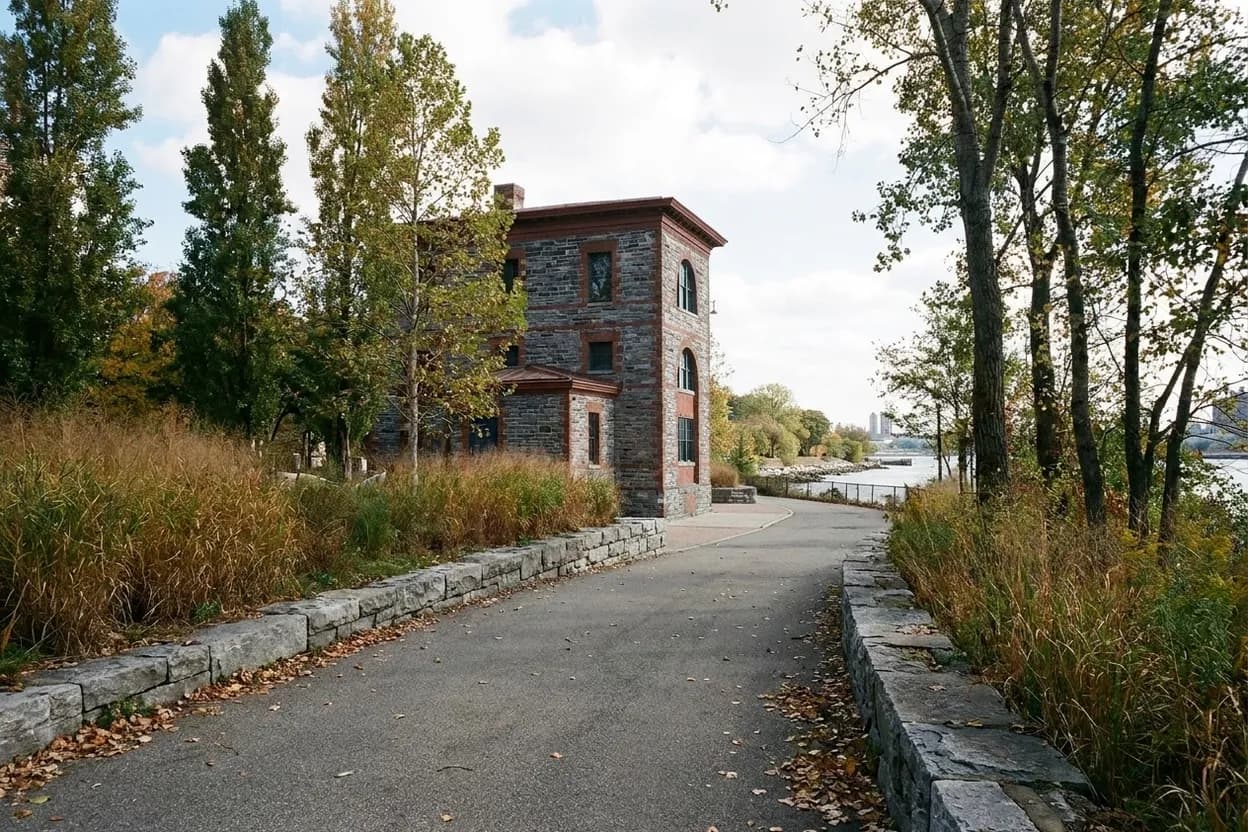
Nestled in New Dorp, Staten Island, Miller Field offers a distinctive blend of military history and natural tranquility. Once a bustling grass airfield and a significant site in aviation's past, this 187-acre expanse now provides a vast, open landscape unlike typical urban green spaces. Part of the National Park Service's Gateway National Recreation Area, it invites visitors to explore its sprawling fields, historic remnants, and serene shoreline. This guide helps you navigate a visit to this often-overlooked gem, ensuring a rewarding experience of its unique character.
Want to explore Miller Field's expansive grounds and uncover its history? Text Karpo for a personalized itinerary that maximizes your visit.

A Landscape Forged by History and Nature
Miller Field's origins trace back to farmland acquired by Cornelius Vanderbilt in 1836, with his family owning much of the area by 1843. This property was eventually sold to the federal government in 1919, destined to become a crucial military airfield. The site’s historical significance is profound, having been the last grass runway in New York City before its deactivation as a U.S. Army airfield in 1969.
Today, the National Park Service manages Miller Field as part of the Gateway National Recreation Area, established in 1972. While the seaplane hangar, documented in Library of Congress materials, was demolished in 1976, the sprawling open fields and shorefront remain, inviting contemplation of its past. The large-scale landscape, distinct from standard city parks, is ideal for those seeking expansive views and a sense of historical continuity.
Finding Respite in Open Spaces
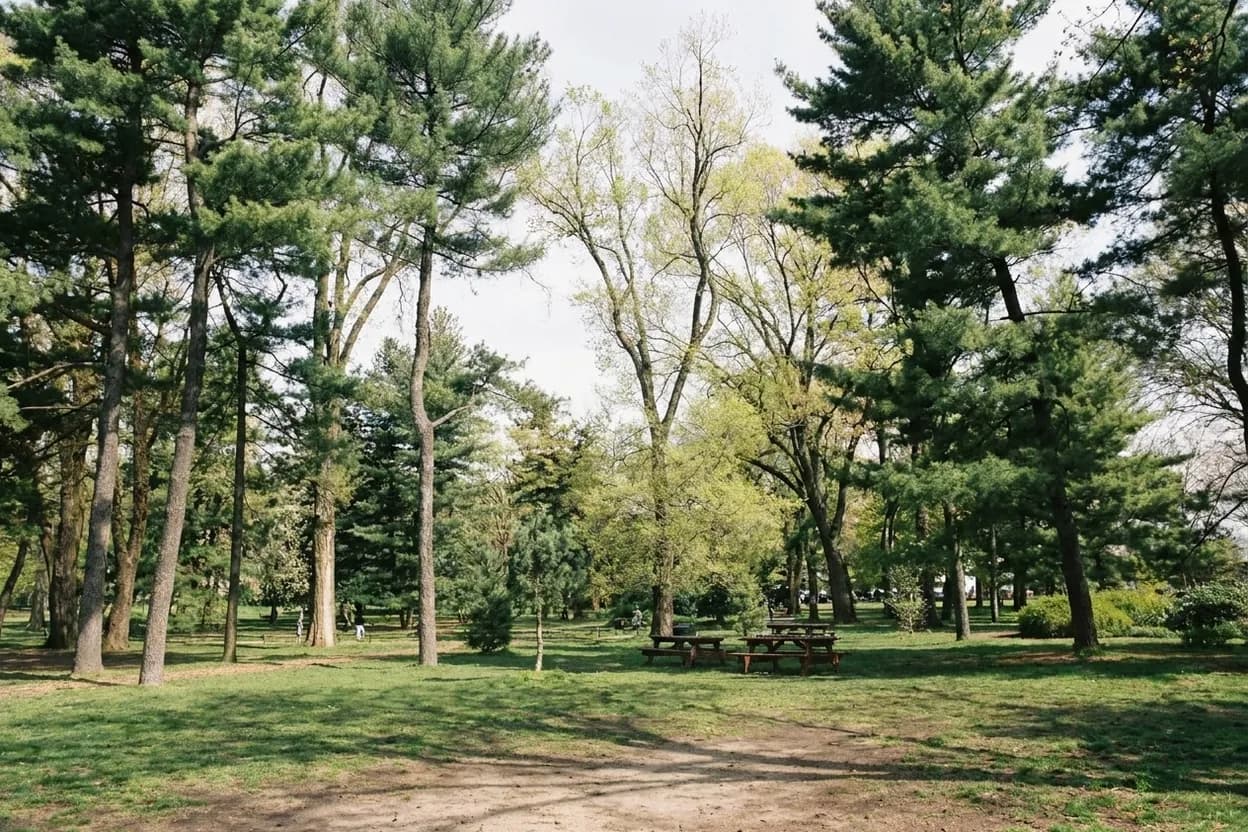
Miller Field, encompassing 187 acres, provides a diverse array of recreational opportunities within its historical framework. The site features multiple playing fields for baseball, cricket, softball, and soccer, alongside a bocce court and designated picnic areas. For those interested in a structured activity, these amenities offer a chance to engage in sports or enjoy an outdoor meal amidst a unique backdrop.
Beyond organized sports, the park offers an unguarded beach and a walking path that circles the entire site. This path is particularly useful for orienting a visit around the open landscape, allowing for a loop-style walk that contrasts with the grid-like layouts of many urban parks. The sheer scale of the open space provides an immediate sense of calm and freedom, encouraging exploration at one's own pace.

Shoreline Serenity and Natural Habitats
The shoreline at Miller Field presents a quiet contrast to the more active playing fields. While the beach is unguarded, it offers a peaceful setting for those seeking a moment by the water. Visitors can enjoy the coastal breeze and expansive views, making it a suitable spot for reflection or a leisurely stroll along the sand. It is advisable to verify specific conditions and regulations regarding beach use with the official park service before your visit.
Within the park's boundaries lies the Swamp White Oak Forest, a distinct natural area noted for its ecological value. This forest provides a habitat for various bird species, making it an interesting spot for nature enthusiasts and birdwatchers. The presence of such a specific ecological feature adds another layer to the park's offerings, moving beyond just historical and recreational aspects to include a focus on natural preservation.
Pacing Your Visit Through History
A visit to Miller Field can be paced to suit various interests, from a quick walk to a full afternoon of exploration. For those keen on history, dedicate time to appreciating the sheer scale of the former airfield and imagining its past as a functional military base. The preserved relationship between the open fields and aviation history is a key element, recalling the site's role as New York City's last grass runway.
If your interest lies more in recreation or nature, plan for ample time to utilize the playing fields or to explore the walking path and the Swamp White Oak Forest. Given the park's size, wearing comfortable footwear is recommended, especially if you intend to complete the full loop. Consider bringing binoculars for birdwatching in the forest or a picnic blanket for lunch in one of the designated areas.

Connecting with Aviation's Past
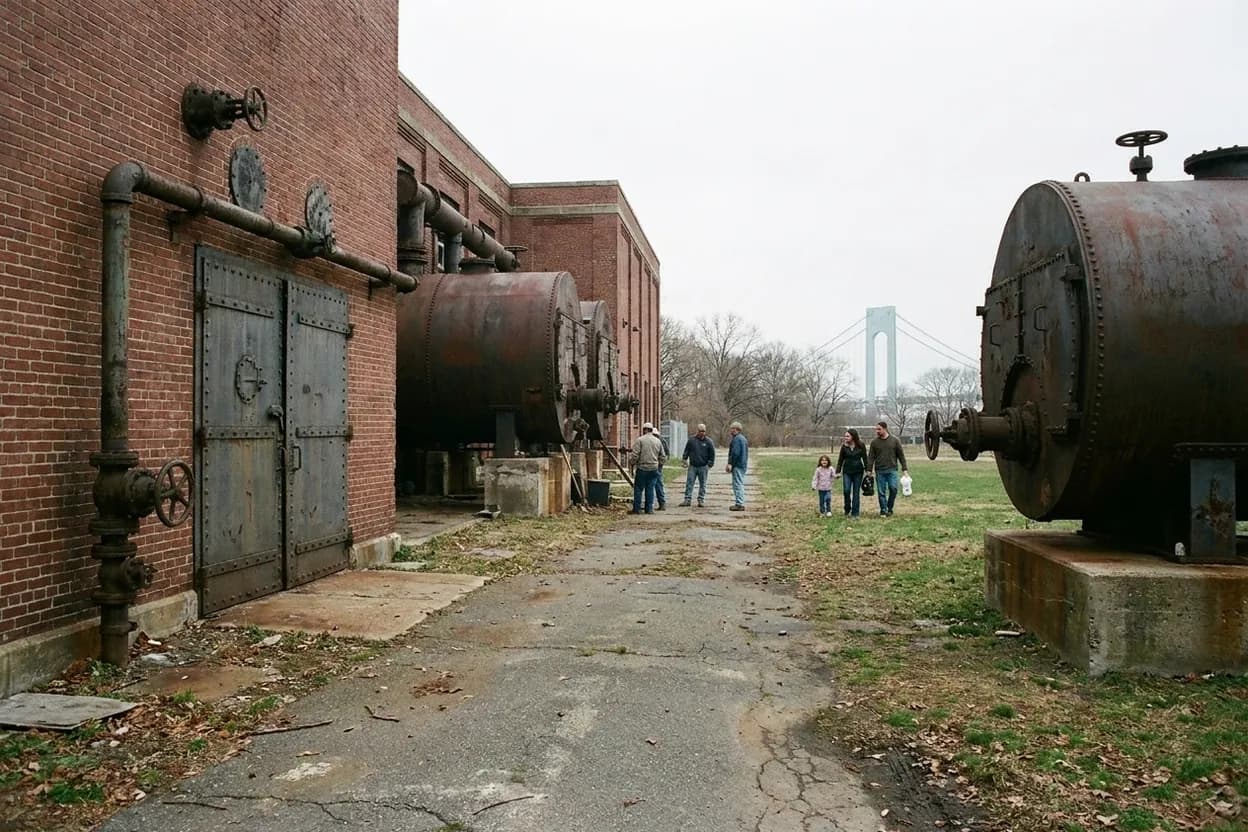
Miller Field holds a significant place in New York City's aviation history. It began as a federal property for military use in 1919, eventually becoming an active airfield. For decades, it served various military functions, playing a role in both air defense and training. The closure of the airbase in 1969 marked the end of an era, transforming the site from a functional military installation into a public park.
Although the seaplane hangar was demolished in 1976, the site's identity as a former grass airfield is central to its character. Understanding this past enriches the experience of walking its expansive grounds, allowing visitors to connect with the historical movements and technological advancements that once defined this space. It's a tangible link to a different time in the city's development and military strategy.
Who This Plan Suits
This plan is particularly well-suited for individuals or families seeking a large, open space away from the typical urban bustle. It appeals to those with an interest in military and aviation history, as well as nature enthusiasts and recreational athletes. The park's quiet, expansive nature offers a distinct experience compared to more manicured or densely populated city parks, making it ideal for those desiring solitude or room to roam.
Visitors who appreciate a blend of historical context and natural beauty will find Miller Field rewarding. Its appeal lies in its ability to offer both active recreation and peaceful contemplation within the same setting. This is not a destination for high-energy entertainment but rather for a discerning exploration of a unique historical and environmental landscape.
Practical notes for Miller Field
Miller Field is generally open daily from 6 a.m. to 9 p.m. For wayfinding, use the New Dorp Lane and Mill Road area. Parking to fish after hours requires a permit, so plan accordingly if this is part of your intended activities. No reservation is stated for general park access, nor are seasonal restrictions for ordinary access confirmed in available sources. Always consult the official National Park Service website for Miller Field before your visit to verify current hours, any specific regulations, or potential alerts that might affect your plans.
The beach is described as unguarded, and details regarding lifeguard service, swimming rules, or seasonal beach operations are not confirmed in the provided information. If beach activities are a primary focus, it is essential to check the official NPS site for the most up-to-date guidelines. Remember that the site explicitly offers various sports fields and a walking path, allowing for diverse activities within the park's operating hours.
Tags: #MillerField #StatenIsland #GatewayNationalRecreationArea #NYCHistory #ShorelinePark #FormerAirfield #QuietWaterfront #OutdoorNYC #NationalParkService #NewDorp #NYCExploration #AskKarpo #BeforeYouGo #HistoricalSites
Sources consulted: Source 1: nps.gov · Source 2: nps.gov · Source 3: nps.gov · Source 4: loc.gov · Source 5: nyctourism.com · Source 6: silive.com · Source 7: en.wikipedia.org · Source 8: tile.loc.gov
All trademarks are the property of their respective owners.
Ask Karpo first
Tell Karpo your date, group size, budget, and starting neighborhood. We’ll check current access, timing, transit, and the cleanest plan for Miller Field before you head out.