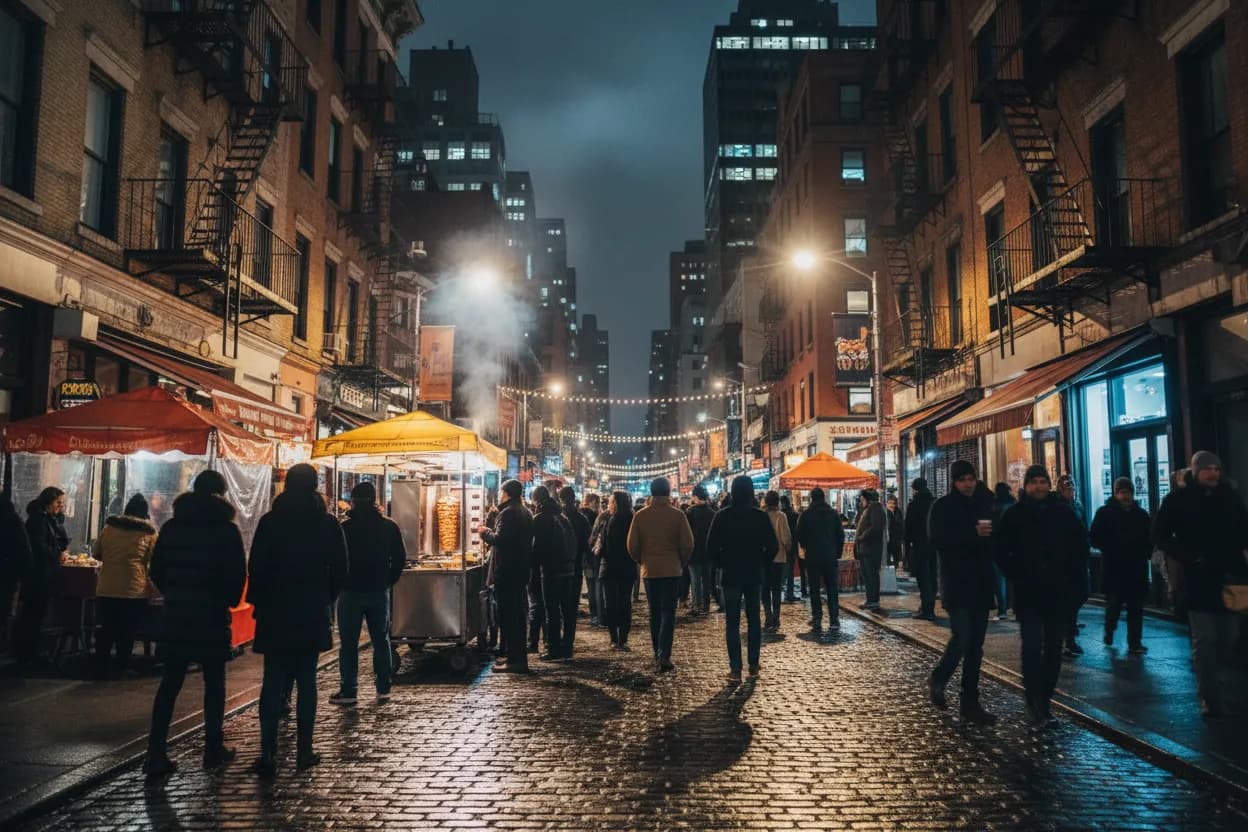
In NYC, a phrase like middle east can send people searching for a cuisine, a neighborhood, a market stall, or simply a place to talk over dinner. Treat it as a starting point, not proof that anything special is happening locally. The safer move is to build a public, verifiable meal plan: pick a room that fits the group, check the restaurant or market’s own page before leaving, look at official city tourism listings for neighborhood and accessibility filters, and keep a backup close enough that a long wait does not ruin the night. NYC Tourism describes the city’s food scene as stretching across every borough, with local fare and global flavors tucked throughout the city. That abundance is useful only if you plan with timing, transit, and access in mind.
Want a second set of eyes before you head out? Text Karpo with your neighborhood, group size, access needs, and food preferences, and we’ll help pressure-test the plan.

Use the trend as a dinner conversation hook
The phrase middle east may be timely, but your dinner plan should not depend on hype. Use it as a conversation hook: maybe the group wants shawarma, seafood, flatbreads, wine, or a market-style crawl. Then separate the idea from the logistics. A searchable phrase does not confirm a local event, a chef appearance, a limited menu, or a guaranteed seat.
Start with public facts. NYC Tourism’s restaurant directory is built around borough, neighborhood, accessibility, dietary needs, and cuisine filters. That makes it more useful than a social clip when you are deciding where to send four people after work or where to meet visitors who do not know the city. If a restaurant’s description sounds promising, continue to the restaurant’s official page for current hours, reservations, access notes, and menu details.
Choose the room before choosing the menu
In New York, the room can matter as much as the food. A date, a family meal, and a post-theater catch-up need different noise levels, seating expectations, and arrival windows. NYC Tourism’s listings show how varied the city’s dining rooms are: The Dutch in Soho is described as New American with local, seasonal produce and comfort food, while The Terrace and Outdoor Gardens in the Times Square/Theatre District is described as a casual, all-day eatery inspired by French brasseries and American chophouses.
That does not mean either is the right answer for your group. It means you should define the use case first. Do you need an easy conversation table, an all-day format, a lower-pressure casual room, or a place near a specific theater, office, hotel, or subway stop? Once the room type is clear, the cuisine decision becomes less chaotic.
Match the market or hall to the group
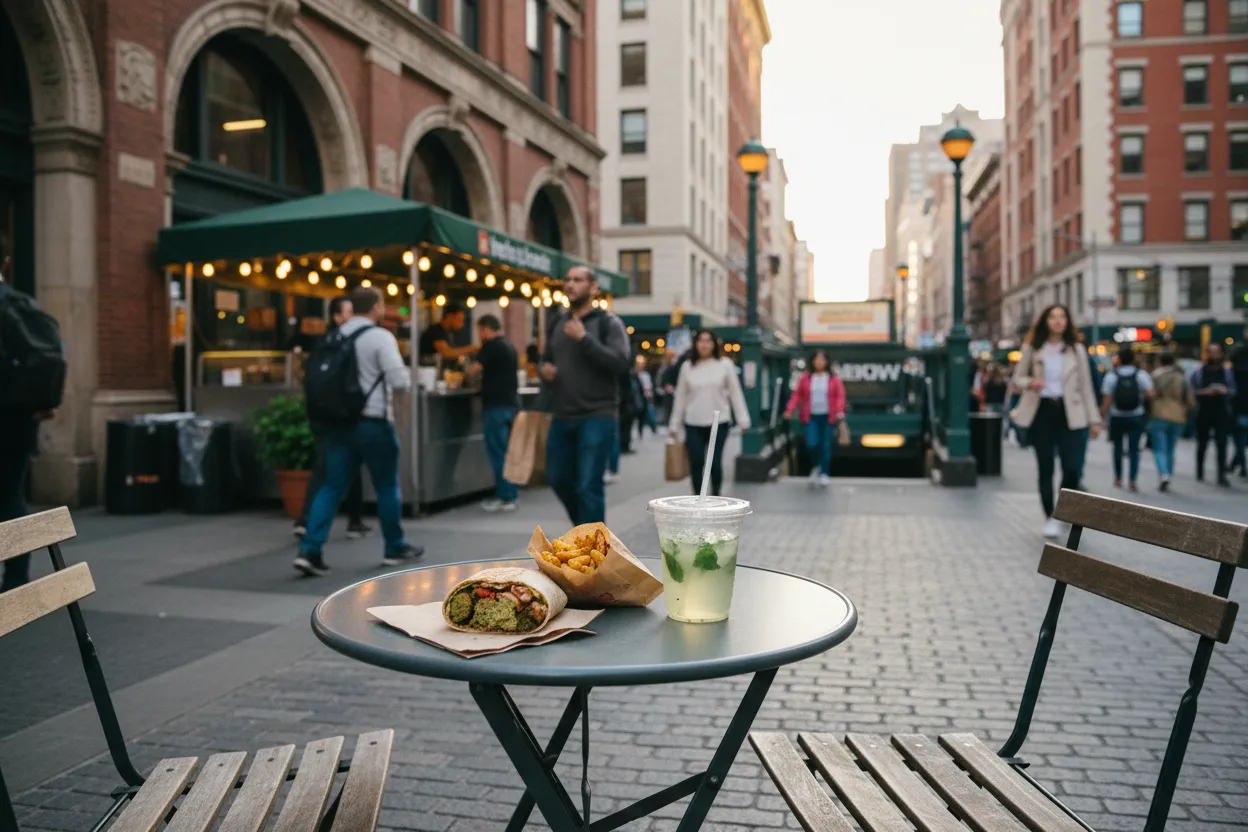
A market or food hall can solve the classic NYC group problem: one person wants seafood, another wants vegetarian-friendly options, someone else needs a quick bite, and nobody wants to negotiate a full reservation. The tradeoff is that public seating, vendor hours, and crowd levels can change. Before committing, check the official market or hall page and, when possible, each vendor’s own page.
For a restaurant rather than a hall, use official descriptors to narrow the field without overreading them. NYC Tourism notes The Fulton in the Seaport as a Jean-Georges Vongerichten celebration of fresh seafood. Junoon in the Flatiron District is listed with a name meaning “passion” or “obsession.” Jade Eatery & Lounge in Forest Hills is described as serving favorite Pan-Asian and southeast Asian dishes along with creative innovations. These descriptions are starting points, not full operating guides.
If dietary needs matter, do not assume from cuisine labels. NYC Tourism’s directory includes a dietary needs filter, but the final check should still happen on the restaurant’s current official menu or by contacting the business. Menus, ingredients, and kitchen practices can change.
Keep the first stop easy to reach
The best first stop is usually the one the whole group can reach without a heroic transfer. NYC is rich in restaurants, but cross-borough enthusiasm fades quickly when someone is late, tired, or carrying work bags. Choose a neighborhood everyone understands, then verify the route on the official transit source before leaving. If the official site is unavailable or your connection fails, do not guess; use another reliable way to confirm current service before committing.
For visitors, Midtown, Herald Square, Times Square, the Seaport, Soho, Flatiron, Koreatown, and Forest Hills all appear in NYC Tourism restaurant listings, but each creates a different night. A Times Square/Theatre District plan may be useful around a show. A Herald Square stop can suit someone near Macy’s. A Seaport plan feels very different from a Koreatown or Flatiron plan. Pick based on movement, not just appetite.
Build the timing backward. Decide when the group must be seated, then account for walking time, station exits, elevator needs, weather, and the possibility that a first-choice venue is busier than expected. If anyone has mobility or sensory access needs, make the access check before the group is already outside.
Save a nearby option for long waits
A backup is not pessimism; it is local literacy. NYC restaurants can be calm at one hour and packed the next, especially near offices, theaters, shopping corridors, and waterfront destinations. Do not make the backup a different borough unless the night is meant to be a crawl. The practical backup is within a short walk or simple ride from the first stop.
Use official listings to create a two-stop map. If the first idea is in the Times Square/Theatre District, nearby official listings include The Terrace and Outdoor Gardens and Pasta Lovers, which NYC Tourism describes as a casual Italian restaurant offering sandwiches, pastas, pizza, chicken, veal, and fresh fish dishes. If the plan is around Herald Square, Rowland’s Bar & Grill is listed on the lower level at Macy’s Herald Square with American gastropub cuisine in a comfortable, modern atmosphere.
The point is not to crown a winner. It is to prevent a group chat spiral on the sidewalk. Before leaving, save the addresses, official pages, and phone numbers where available. If reservations, waitlists, or walk-in policies are offered, verify them directly with the venue because those details can change.
Verify vendor hours before leaving
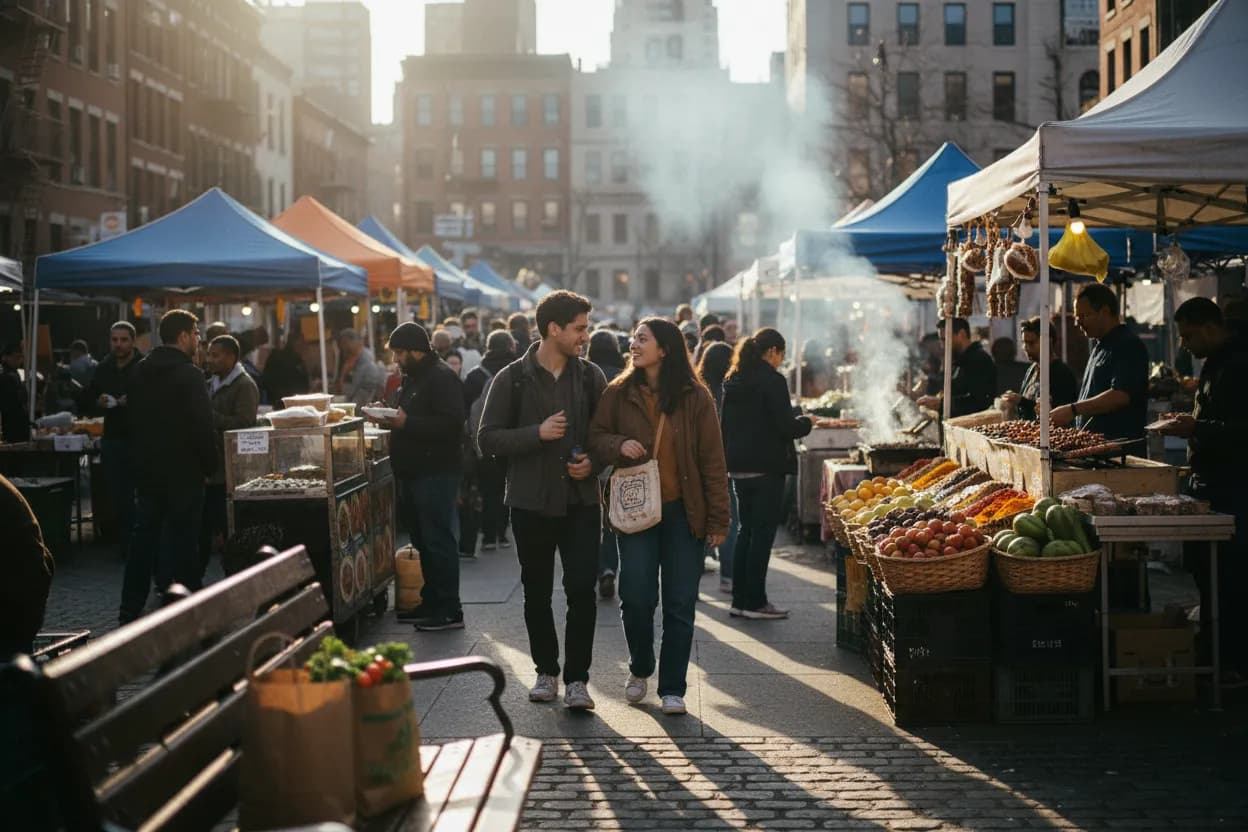
The final check should happen the same day. Restaurant pages, market vendor pages, and official city listings can help, but operating details may shift for holidays, staffing, private bookings, weather, maintenance, or other reasons. Never rely only on an old screenshot, a short video, or a friend’s memory from last month.
Run a simple pre-departure checklist: current hours, reservation status, address, transit route, accessibility needs, dietary needs, payment expectations if posted by the venue, and backup choice. If you are choosing from NYC Tourism’s restaurant directory, use its borough, neighborhood, accessibility, dietary needs, and cuisine filters as the first layer, then confirm the details with the business.
That is how to turn a broad search interest into a workable NYC restaurant night. The trend can start the conversation, but the official checks decide whether dinner is smooth, reachable, and fair to everyone in the group.
Tags: #AskKarpo #BeforeYouGo #NYCRestaurants #NYCDining #NYCFoodHalls #NYCMarkets #NYCEats #RestaurantPlanning #DinnerInNYC #LocalNYC #TransitCheck #AccessCheck #FoodGuide #Karpo
Sources consulted: nyctourism.com · nyc.gov · new.mta.info
All trademarks are the property of their respective owners.
Ask Karpo first
Ask Karpo first if your plan depends on timing, access, or a hard-to-please group. Send the neighborhood, preferred cuisine, budget comfort level without guessing prices, mobility needs, and backup radius. We’ll help you turn the idea into a public, verifiable NYC dinner plan.


