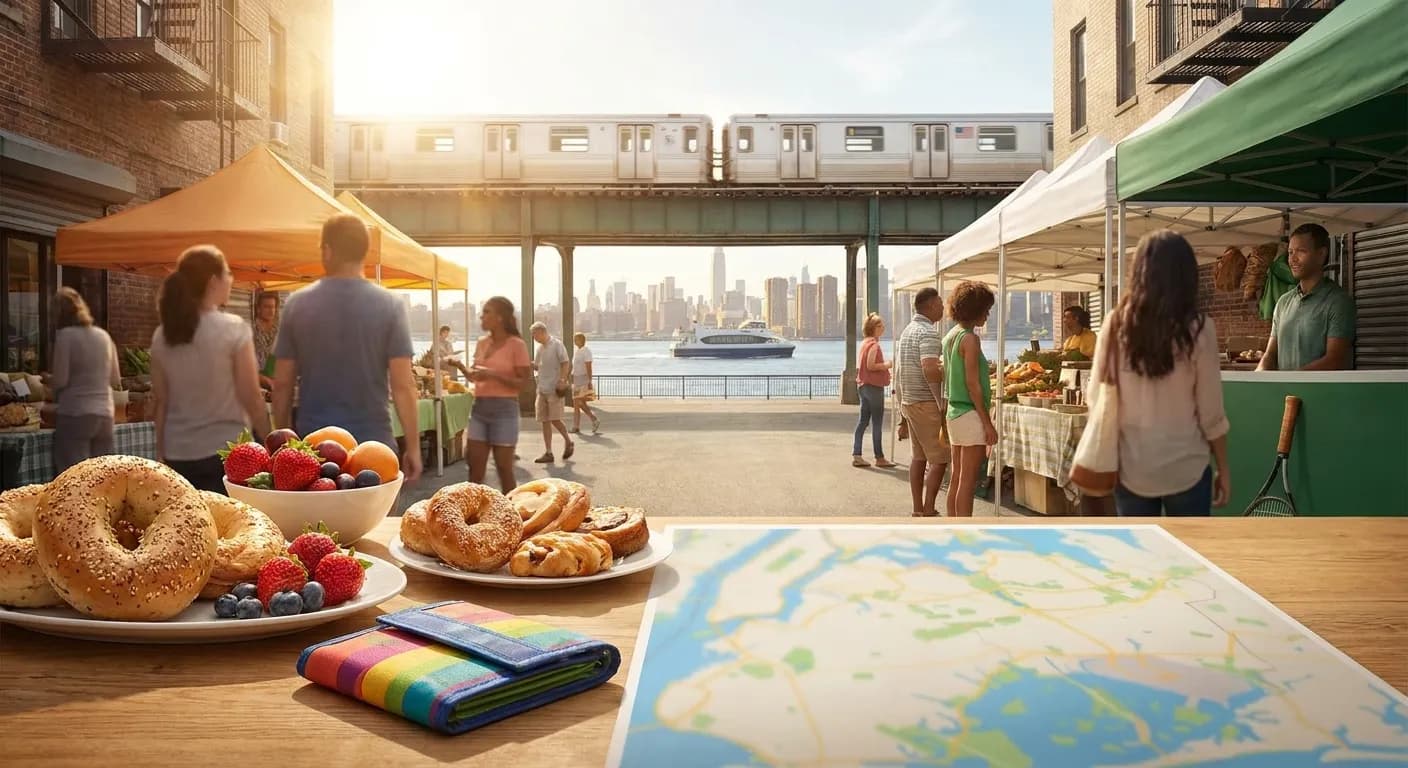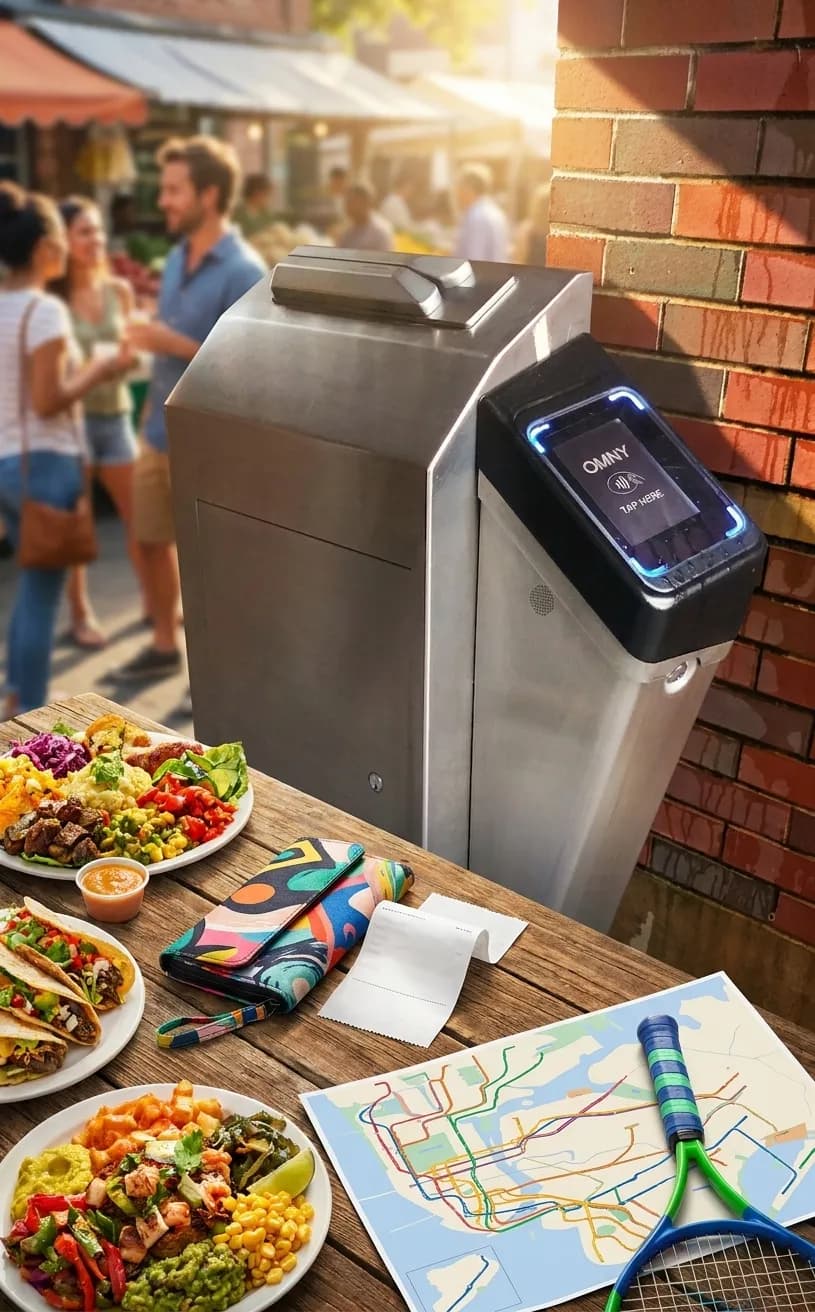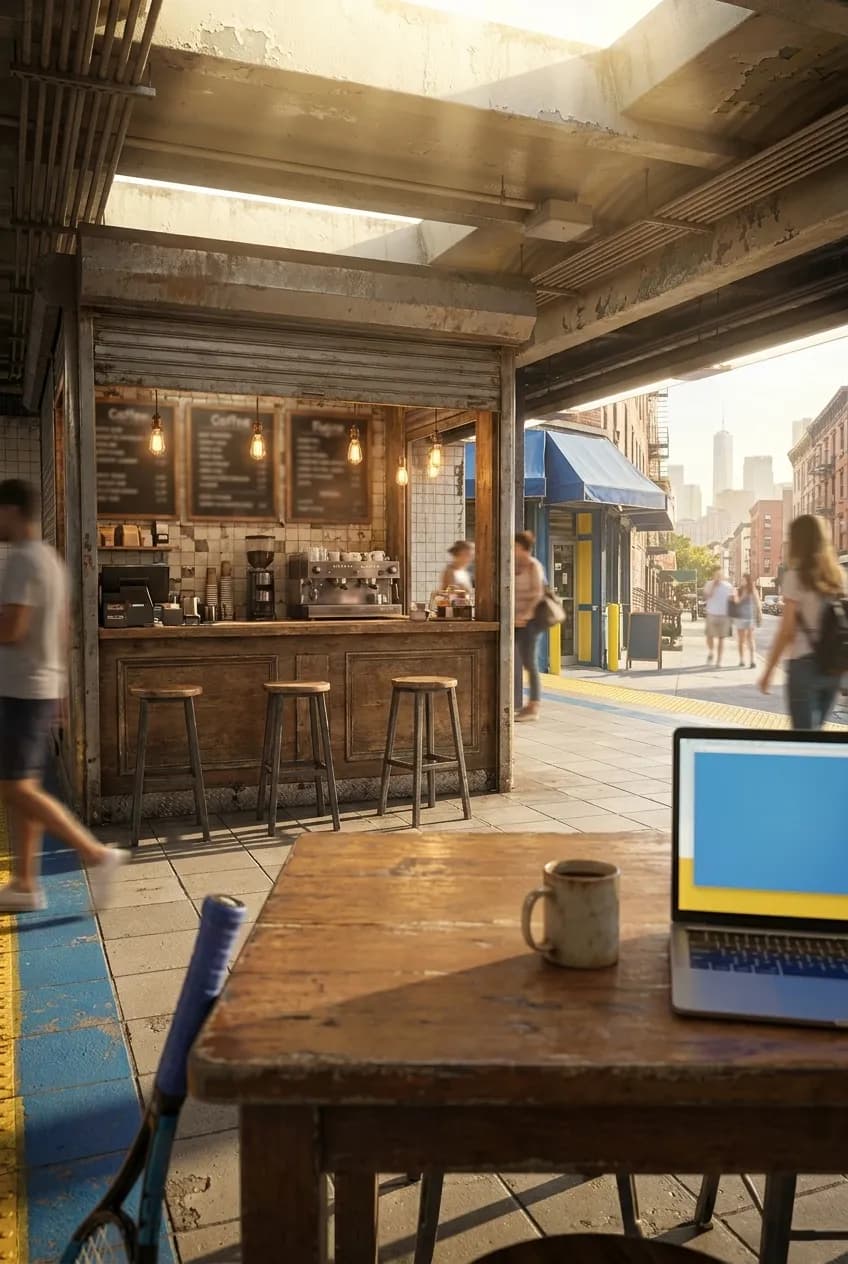
When cloud productivity tools experience disruptions—whether email, collaboration platforms, or file sync—remote workers across New York quickly learn which neighborhoods offer reliable fallback options. During the US Open, that question becomes more urgent in Queens, where tens of thousands of tennis fans converge on Flushing Meadows Corona Park and the 7 train swells with tournament traffic. If you're planning to work remotely near the US Open in 2026, or simply need a café strategy that survives both crowded transit and occasional tech disruptions, this guide maps out practical choices along the corridors that connect Manhattan, western Queens, and the Billie Jean King National Tennis Center.
Text Karpo with your US Open session time and Queens starting point, and we’ll turn this remote-work cafes idea into a practical local plan.

Cloud service disruptions—whether affecting Microsoft, Google Workspace, Slack, or Zoom—remind remote workers that productivity depends on more than a laptop and a latte. You need offline-capable apps, downloaded files, local notes, and a café with enough table space and power outlets to ride out a few hours without cloud access. During US Open weeks, the same preparedness applies to transit: the 7 train and Long Island Rail Road branches serving Flushing Meadows can become standing-room-only during sessions, and cell service inside crowded subway cars isn't always reliable. Choosing a café with a predictable seat, strong local Wi-Fi for when services return, and a location that lets you avoid peak tennis commute times makes both scenarios easier to navigate.
Flushing's downtown core, centered on Main Street and Roosevelt Avenue, offers a dense concentration of cafés, bakeries, and tea shops. Many establishments cater to students and freelancers with long hours, table seating, and power access, though specific amenities vary by business and day. The neighborhood sits one stop east of Mets–Willets Point on the 7 train, making it a natural pre- or post-match work zone if you're attending a US Open session. The Long Island Rail Road's Port Washington Branch also stops at Flushing Main Street, providing a less crowded alternative to the subway during tournament hours. When planning a work session here, confirm café hours and seating policies directly, especially on weekends when family dining traffic peaks.
Jackson Heights, particularly along Roosevelt Avenue and 37th Avenue, and Corona, near the junction of Roosevelt and Corona avenues, offer café and bakery options that reflect the area's South Asian, Latin American, and East Asian communities. These neighborhoods lie west of Mets–Willets Point on the 7 train, close enough to reach the US Open quickly but far enough to avoid the heaviest pedestrian and transit surges. If you're working offline during a cloud disruption, the slower pace and lower real-estate pressure in these areas often translate to more relaxed seating policies and fewer laptop-hostile café designs. Check transit apps before your session: express 7 trains skip several local stops, and knowing which trains stop where helps you time your commute around tournament crowds.
Long Island City and Astoria sit on the western edge of Queens, connected to Flushing Meadows by the 7 train and, in Astoria's case, by the N and W lines that meet the 7 at Queensboro Plaza. These neighborhoods have seen significant café growth in the past decade, with a mix of independent coffee roasters, co-working-friendly spots, and bakeries that welcome laptop users. The trade-off is distance: you'll spend time on the train to reach the US Open, and during peak tournament hours that ride may be crowded. The advantage is proximity to Manhattan and a café scene less affected by tennis traffic. If your workday includes client calls or video meetings that require quiet, these western Queens neighborhoods often provide more predictable acoustic environments than spots directly on the 7 train's eastern corridor.
Whether you're working through a cloud service disruption or simply riding the 7 train through a tunnel, offline capability matters. Before you leave home, download any files you'll need, sync cloud documents for offline editing, and queue up tasks that don't require live internet—writing, spreadsheet analysis, design work, or code review. Many productivity apps, including Microsoft Office, Google Docs, Notion, and Obsidian, offer offline modes, but you must enable and test them before connectivity drops. Carry a portable battery pack and charging cable; café outlet availability is never guaranteed, and a dead laptop turns any disruption into a forced break. If your work depends on real-time collaboration, plan your café session for off-peak hours when Wi-Fi and cellular networks are less congested, and keep a mobile hotspot as a backup if the café's network falters.
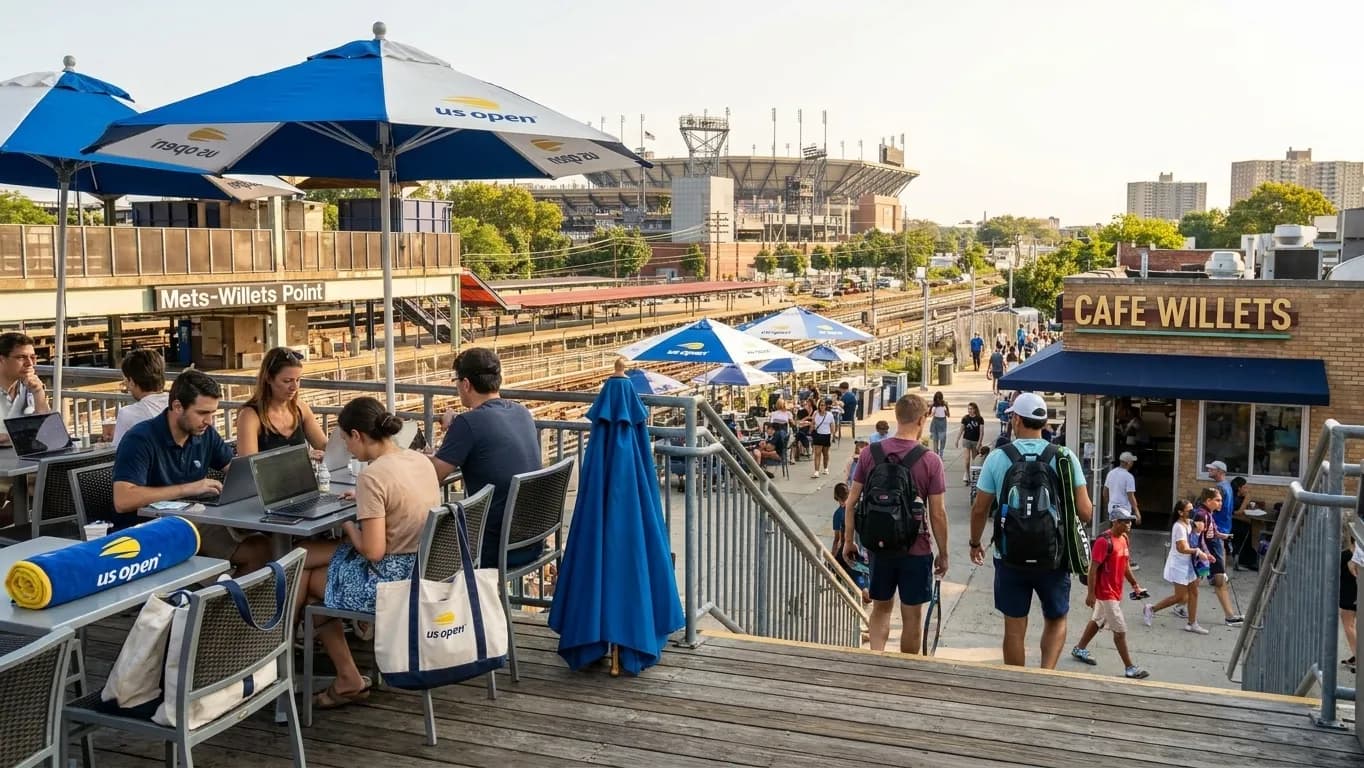
The US Open typically runs from late August through early September. Check the official event schedule for session times, as these vary by tournament phase and court. The 7 train and LIRR see the heaviest inbound crowds in the late morning and early evening, with outbound surges following the end of sessions. If you're planning a café work session on a match day, aim for mid-afternoon when transit is quieter and café seating is easier to secure. Alternatively, work early in the morning before tournament crowds mobilize, then head to the tennis center for a later session. Always check the official US Open schedule and MTA service status on the day of your visit; rain delays, high-profile matches, and unplanned service changes can all shift crowd patterns.
Packing light is essential when you're combining a work session with a trip to the US Open. The tournament's prohibited-items list restricts bag sizes and types, so plan accordingly. A slim laptop sleeve, a small crossbody bag, or a clear tote can hold your computer, charger, phone, battery pack, headphones, and a water bottle. If you're working in a café before the match, consider using a locker service or checking your work bag at your hotel if you're visiting from out of town; carrying a full remote-work setup through security and crowded grounds is cumbersome. Download your US Open tickets and any transit passes to your phone in advance, and keep a paper or screenshot backup in case your battery dies or connectivity drops. Review the official prohibited-items guide before your visit to confirm current bag policies.
Practical checklist for remote work near the US Open
- Confirm café seating policies and hours directly, especially on weekends and during US Open weeks when neighborhood traffic patterns shift.
- Enable offline modes in your productivity apps and download files before leaving home; cloud disruptions and subway tunnels both interrupt connectivity.
- Carry a portable battery pack and charging cable; café outlets are not guaranteed, and your phone is your transit and ticketing lifeline.
- Check MTA service status and the official US Open schedule on the day of your visit; rain delays and service changes affect both work timing and commute planning.
- Use the LIRR Port Washington Branch as a less crowded alternative to the 7 train during peak tournament hours.
- Pack light and review the US Open prohibited-items list before combining a café work session with a match visit; bag size and type restrictions apply.
- Plan café sessions for mid-afternoon or early morning to avoid the heaviest inbound and outbound tennis crowds on the 7 train and surrounding streets.
Tags: #USOpen2026 #Queens #FlushingMeadows #KarpoFinds #Karpo #microsoftoutage #NewYorkLocal #TennisTravel
Sources consulted: usopen.org — Official event schedule · usopen.org — Official visitor A-Z guide · usopen.org — Official transportation directions · usopen.org — Official prohibited-items guide · MTA — Official US Open transit guide · MTA — Official service status
All trademarks are the property of their respective owners.