Michelin returned to California in 2019 with a statewide guide, and Los Angeles has been covered by it since. What the guide means here is less obvious than in Paris or Tokyo, because the city's best eating is distributed across strip malls, trucks and family kitchens in a way the star system was never designed to capture. The guide has adapted — it lists taco stands — but reading it correctly means understanding what each of its designations is actually for.
Star lists change every year and availability changes every morning. Ask Karpo which of these rooms near you has a table and what the real total will be.
The three designations, and which one to use
A star is awarded for the food on the plate, judged against a very specific idea of technique and consistency. One star means a very good restaurant in its category; two means worth a detour; three means worth a journey. The Bib Gourmand is a separate award for good value — a full meal, at the time of writing judged against a price ceiling the guide sets each year — and it is by a wide margin the more useful list for anyone who is not planning a special occasion.
There is also a plain listing, sometimes shown as a plate symbol, which simply means the inspectors thought the restaurant was worth including. In Los Angeles this category includes a substantial number of taquerias, Thai rooms and strip-mall kitchens, and it is the closest thing the guide has to an honest map of how the city actually eats. If you take one thing from the guide here, take the Bib Gourmand and plain listings rather than the stars.
What a starred meal costs
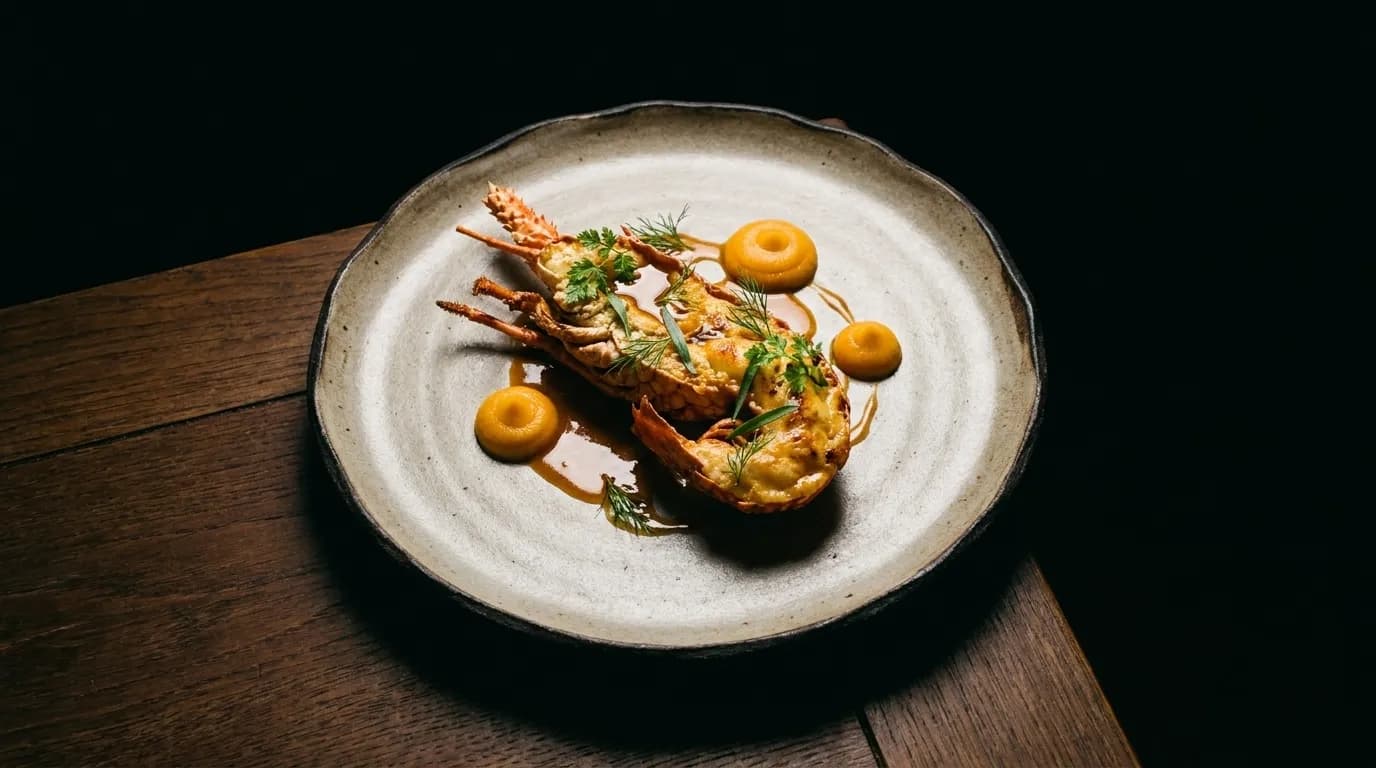
At the one-star level in Los Angeles you are generally looking at a tasting menu in the region of a couple of hundred dollars a head before wine, service and tax, with à la carte available at some rooms and not at others. At two stars the tasting menu is the only option at most, and the figure moves substantially higher. Wine pairings typically add between half and the full cost of the food again.
The numbers that catch people out are the ones after the menu price. Los Angeles restaurants at this level commonly add a service charge of eighteen to twenty per cent, and some add a separate kitchen or benefits charge on top. County sales tax applies to the whole. Between them these can add a third to the menu price, so a two-hundred-dollar tasting menu is realistically a three-hundred-dollar evening per person with a modest amount of wine. Ask when you book what is included; every restaurant at this level will tell you plainly.
Booking, deposits and the counter
Most starred rooms in Los Angeles release tables on a fixed rolling window — commonly thirty days — at a set time in the morning, and most take a deposit or a full prepayment. Cancellation deadlines are typically forty-eight to seventy-two hours, and missing one costs real money. Put the deadline in a calendar the moment you book.
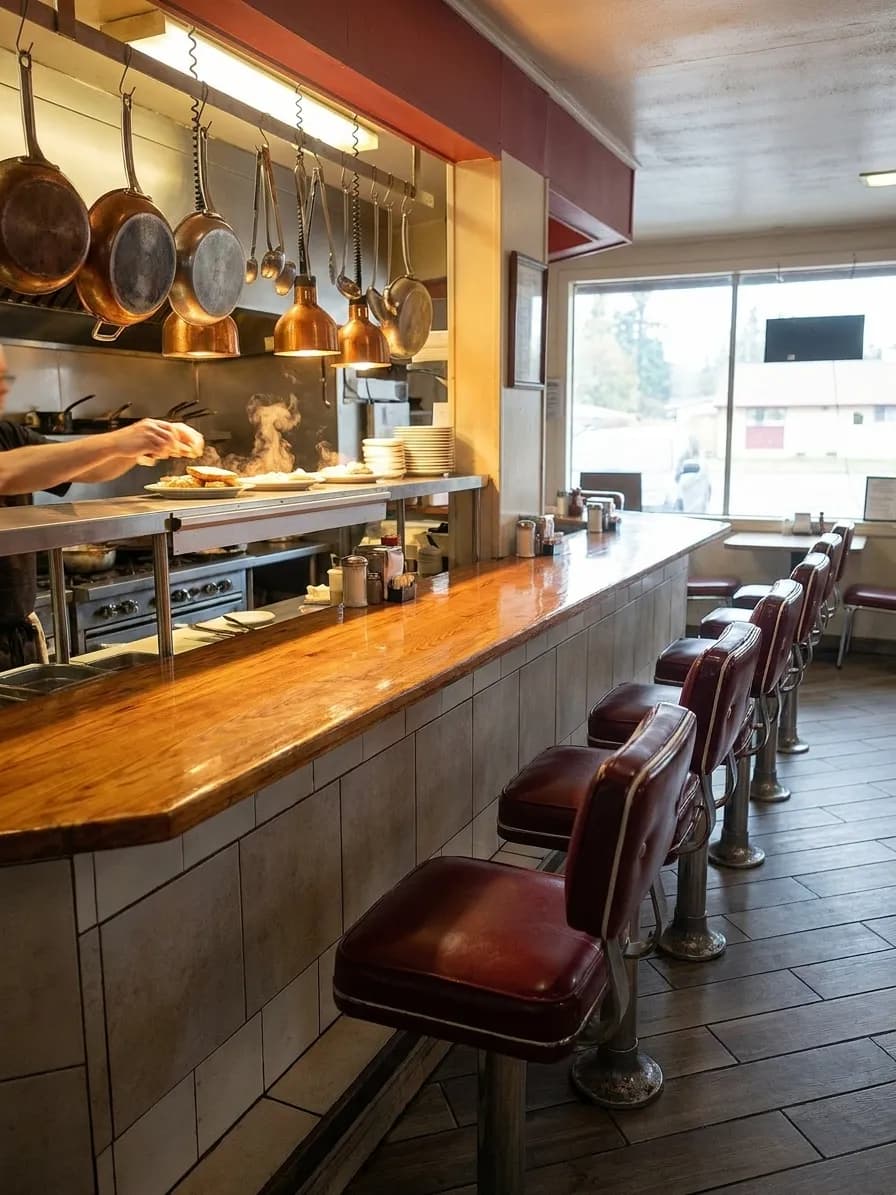
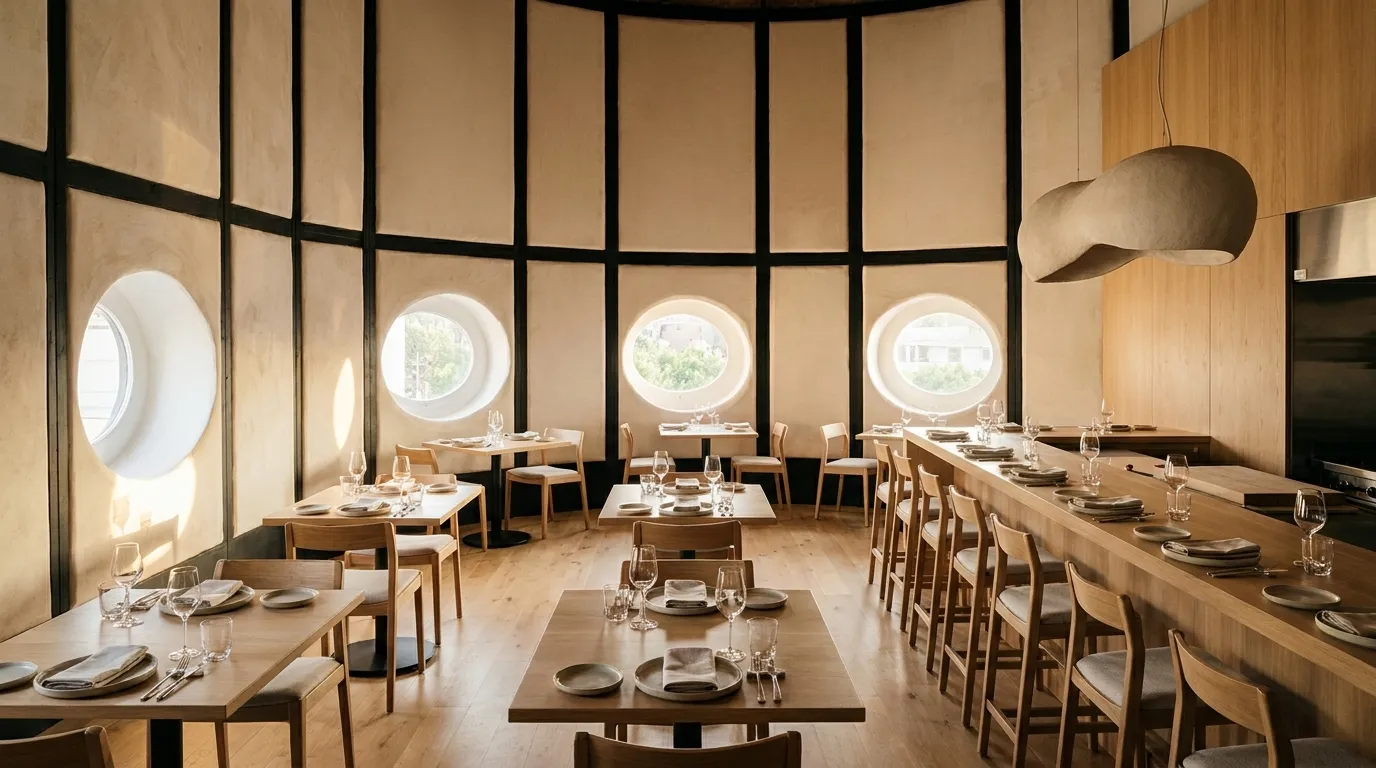
The counter is the workaround worth knowing. Several rooms at this level keep a small number of counter or bar seats, sometimes released later than the dining room and sometimes held for walk-ins, and a solo diner or a pair willing to eat at five-thirty or nine-thirty has a meaningfully better chance than a four-top at eight. Joining the waitlist is also more effective than it looks, because prepaid tables get cancelled at the deadline in a predictable wave.
The Bib Gourmand argument
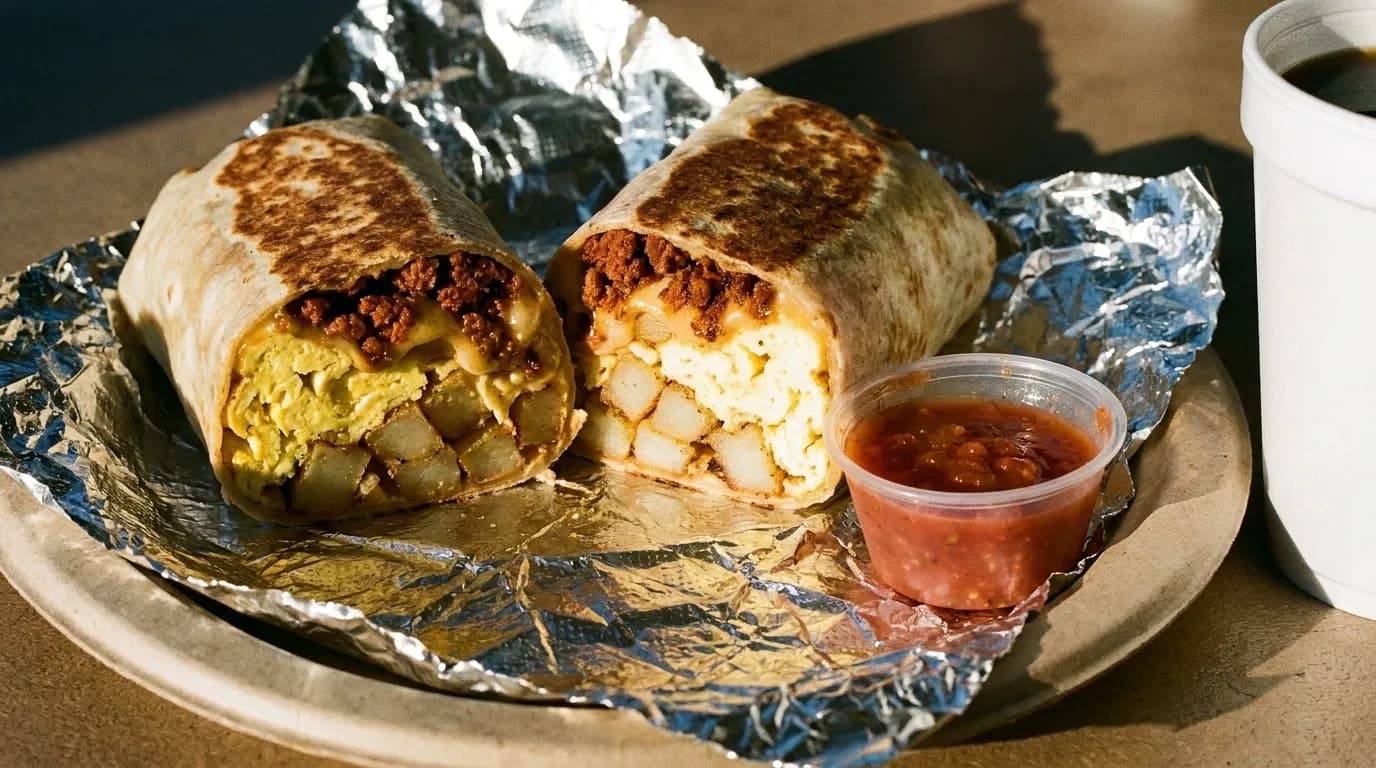
For most people, most of the time, the Bib Gourmand list is the better guide to Los Angeles. It is where the guide acknowledges the city's actual strengths — regional Chinese cooking in the San Gabriel Valley, Thai in East Hollywood, Mexican across the east side, Korean in Koreatown — at prices that let you eat at three of them for the cost of one starred dinner. The cooking is not a lesser version of the starred cooking; it is a different proposition entirely, and frequently a more interesting one.
The practical use is to treat the star list as an occasion tool and the Bib list as a working list. One starred dinner a year, booked thirty days out, is a genuinely memorable thing. A dozen Bib Gourmand dinners over the same year will teach you more about Los Angeles.
Where the stars actually are
The geography is worth knowing before you plan an evening. Starred rooms in Los Angeles cluster in three places: the Westside from Santa Monica through Beverly Hills, the central corridor around Hollywood and Melrose, and downtown. That is not where the city's best eating is distributed generally, and it means a starred dinner is usually a drive from wherever you are and almost always a valet situation at the other end. Build the traffic into the plan — a seven-thirty booking downtown on a weeknight means leaving the Westside at six, which is the part of the evening nobody accounts for.
Practical notes
Dress codes at this level in Los Angeles are looser than in most cities but not absent; smart casual is safe almost everywhere and jackets are rarely required. Ask about dietary restrictions when booking rather than on the night, because tasting menus are built days in advance and a late request may not be possible. Parking is usually valet and usually charged, so add it to the budget. Many rooms are closed Sunday and Monday and several close for a week or two in late summer. And if the total is the constraint, ask whether the restaurant serves a bar menu or a shorter counter menu, which several of the best rooms in the city do at a fraction of the price.
Tags: #LosAngeles #LAFood #MichelinStar #FineDining #BibGourmand #TastingMenu #Koreatown #SanGabrielValley #DowntownLA #FoodNearMe #LAEats #SpecialOccasion #LARestaurants
All trademarks are the property of their respective owners.
Ask Karpo first
Want to know which starred and Bib Gourmand rooms near you have availability, what the total actually comes to after service, and whether there is a counter seat tonight? Ask Karpo before you put down a deposit.