 Wynwood Domino Set Gift Browsing Walk: Acrylic Designs
Hidden Gems & Odd Finds
Gray & Sons watch repair shop: Vintage Service Surfside
Gray & Sons at 9595 Harding Avenue in Surfside pairs luxury watches with repair expertise. Plan a careful Miami service visit with this guide.
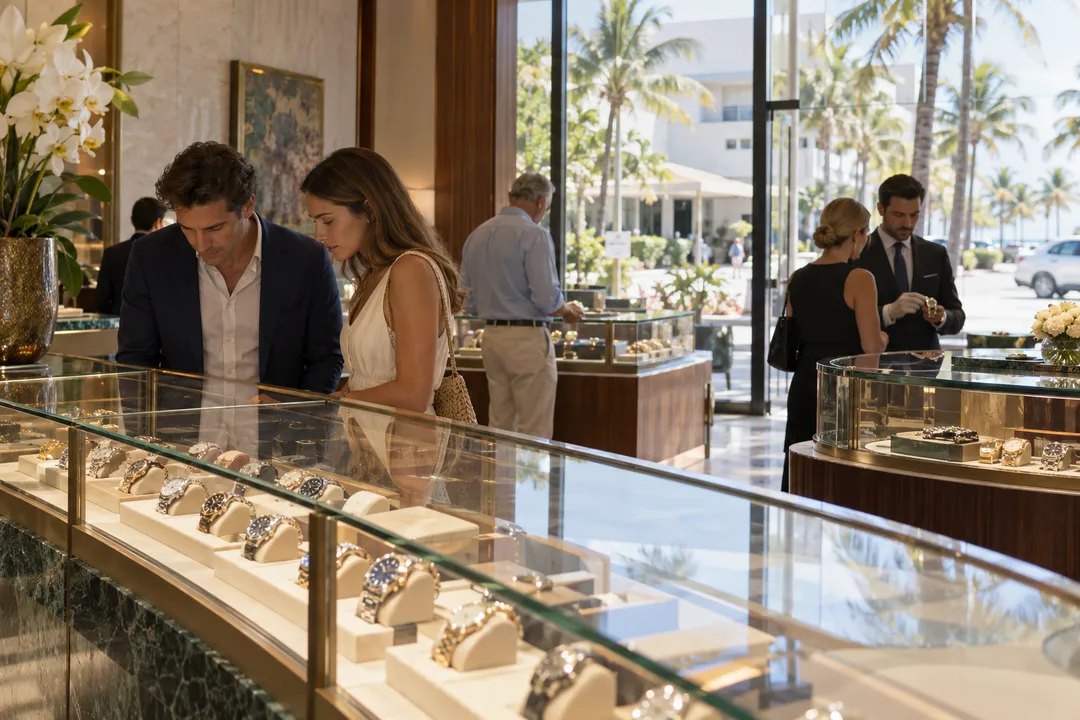
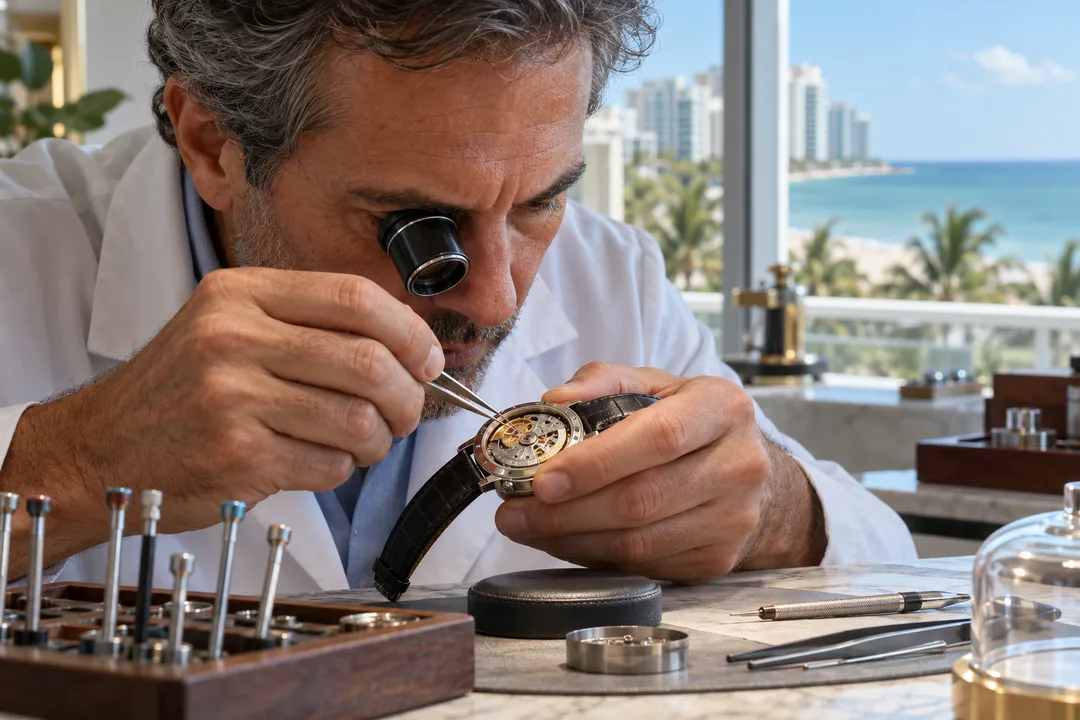
Gray & Sons Jewelers is at 9595 Harding Ave in Surfside, Florida. A Miami watch repair shop visit here should begin with the watch’s ownership story, recent exposure, and exact symptom, especially when the piece is pre-owned or valuable. Bring the watch and its service records, keep it out of a hot car, and use grayandsons.com as the official starting point for current contact details.
Make the First Minute Useful
Write down the last time the watch worked normally. Add whether it gained or lost time, stopped after a knock, showed moisture, or developed a problem with the crown, date, clasp, or bracelet. Photograph the exterior before the visit. This information is not a substitute for inspection, but it lets the service conversation start with observable details rather than an anxious guess about what failed.
For a luxury or vintage piece, explain what you want preserved. Some owners care most about reliable daily timekeeping; others want original hands, dial, case edges, or period-correct parts protected. Say whether polishing is welcome, forbidden, or undecided. A repair estimate becomes easier to compare when mechanical work, replacement parts, water-resistance testing, and cosmetic changes are treated as separate choices.
Separate Repair From Restoration
Repair and restoration are not the same conversation. Repair aims to return dependable function; restoration may involve historically sensitive decisions about finish and parts. Ask which category the proposed work belongs to and what the watch will look like afterward. If the watch is sentimental, mention that at intake. The staff can then record the emotional priority alongside the technical symptom instead of treating every case as a generic service ticket.
A sensible service plan also accounts for South Florida conditions. Mention beach, pool, rain, perspiration, or storage in humidity, even if the watch is marketed as water resistant. Do not leave it on a dashboard while you run errands. If water may have entered the case, stop winding and setting it. The safest next step is a protected handoff and a clear explanation of what happened.
Bring Every Relevant Part
Pack the watch with its extra links, original buckle, warranty card, prior invoices, and any box or paper that identifies the piece. Keep the parts together in a small pouch and photograph the contents before leaving home. If the bracelet is separate, say so. A careful intake record should make clear what arrived, what is being serviced, and which components are expected back with the watch.
Ask how an estimate will change if the first inspection reveals another fault. Useful answers identify the contact method, approval point, possible parts issue, and expected update rather than promising an exact completion date without seeing the movement. For a pre-owned watch, ask whether the recommendation assumes prior modifications. That question can prevent an owner from mistaking a replacement part for an original specification.
A Surfside Buffer After Drop-Off
Harding Avenue works well as a short buffer after an appointment. Use the nearby streets for a measured walk, write down the promised follow-up, and keep the intake paperwork with you rather than in a shopping bag. The practical goal is to leave the area remembering the scope, not to fill time with a grand itinerary. If you cannot wait for an update, ask where the watch can be safely collected later. Use that pause to check the practical details while they are fresh. Write down the watch reference, the symptom, the promised contact method, and whether the estimate is preliminary. If another person may collect the watch, ask what receipt or identification they will need. Those notes keep a high-value service handoff organized when the work lasts longer than an afternoon and the owner is not the person answering the next call. The walk after drop-off is a good time to separate urgency from pressure. If you are waiting for a call, decide in advance which work is essential, which work is optional, and what budget or originality limit you will not cross. Write those priorities in your notes instead of trying to make the decision while a staff member is describing several possible faults. If the watch is an heirloom, send a photograph of the intake record to the family member who cares about its history. If you are the only decision-maker, keep the record anyway. A clear note protects you from confusing a recommendation with an approval and makes any later question easier to answer.
One honest judgment: do not choose the fastest-sounding option when the watch has water exposure, impact damage, or a valuable original finish. Speed matters for a simple need, but a rushed scope can create a second decision later. If the proposed work feels broader than the symptom, pause and ask for the functional reason for each line item. A clear explanation is worth more than a vague promise of convenience.
Practical Notes
Keep the official address as 9595 Harding Ave, Surfside, FL 33154, and check Gray & Sons Jewelers’ own website before setting out. If the watch is not running, has moisture under the crystal, or contains a complicated movement, contact the business before treating the visit as a casual walk-in. A prepared call can clarify intake expectations and spare the watch an unnecessary trip through heat or rain.
When the watch is ready, test the functions named on the intake record. Check winding, setting, date change, chronograph controls, crown feel, bracelet fit, clasp security, and any water-resistance discussion that was part of the scope. Ask what the watchmaker found and what behavior to avoid. Keep the invoice and returned parts with the service history so the next visit starts with better evidence. Do not leave the showroom until the watch feels like the watch you handed over. Check the crown, hands, date, pushers, clasp, and bracelet links, then compare the exterior with the intake description. Ask how often to wind or wear it, whether water exposure should be avoided, and what symptom would justify a follow-up. Good collection practice protects the repair and gives the service team useful information if a question appears later. Collection deserves the same attention as drop-off. Check the watch in the order that makes sense for its problem: crown and winding first, then setting and date, then chronograph controls or alarm functions, then the bracelet and clasp. Look at the case edges, crystal, dial, and hands under ordinary light. If something is different, ask whether the change was part of the approved scope before leaving. For a watch that went through a water-related inspection, ask what the result does and does not guarantee. A pressure test is useful information, not permission to treat every older watch like a modern dive instrument. Put the invoice, service notes, removed parts, and next-maintenance advice together. That packet becomes the starting point for a better conversation the next time the watch needs attention.
Ask About the Handoff
A good handoff ends with three facts in writing: what was observed, what was approved, and when the next update should arrive. For a collector, add the originality decisions and disposition of removed parts. For a daily wearer, add the care routine and any warning signs that should bring the watch back. These details make a service relationship more useful than a single price conversation. A clear service brief is even more important when the watch was bought pre-owned. Write down where and when you acquired it, whether the seller described a recent service, and whether any warranty or return period still matters. Bring that paperwork, but do not assume a seller’s claim replaces a watchmaker’s inspection. Mention aftermarket straps, replacement crystals, non-original buckles, or a previous polish if you know about them. These details can affect both the recommendation and the owner’s expectations about originality. If the watch is still running, do not keep testing it for hours before the appointment; record the behavior once and let the bench examine it. If it stopped after moisture or impact, protect the case and describe the event in plain language. At the estimate stage, ask which work is required to restore function, which work reduces future risk, and which work is purely cosmetic. You can approve those categories separately. A written staged plan is useful for a family heirloom, a newly acquired vintage piece, or a luxury watch whose service history is incomplete because it turns a broad repair conversation into a sequence of decisions you can actually evaluate.
Make the Return Visit Count
Gray & Sons Jewelers is at 9595 Harding Ave, Surfside, FL 33154, with grayandsons.com as its official website. Protect the watch from heat and moisture, describe its history honestly, and separate essential repair from optional restoration. If the scope is unclear, ask before approving; the best Miami watch repair shop visit leaves you with a record you can use later. The useful result is not simply a repaired object; it is a clear record of what was found, what was changed, and how to care for the watch next. A good Miami watch repair shop visit leaves you less anxious because the next decision is documented, not because someone made a promise without inspecting the watch.
Ask Karpo for more information.
Keep reading
- Wynwood Domino Set Gift Browsing Walk: Acrylic Designs
 Coral Gables Domino Set Gift Browsing Walk: Wood Sets
 Little Havana Domino Set Gift Browsing Walk: Clay Tiles