 Wynwood Domino Set Gift Browsing Walk: Acrylic Designs
Hidden Gems & Odd Finds
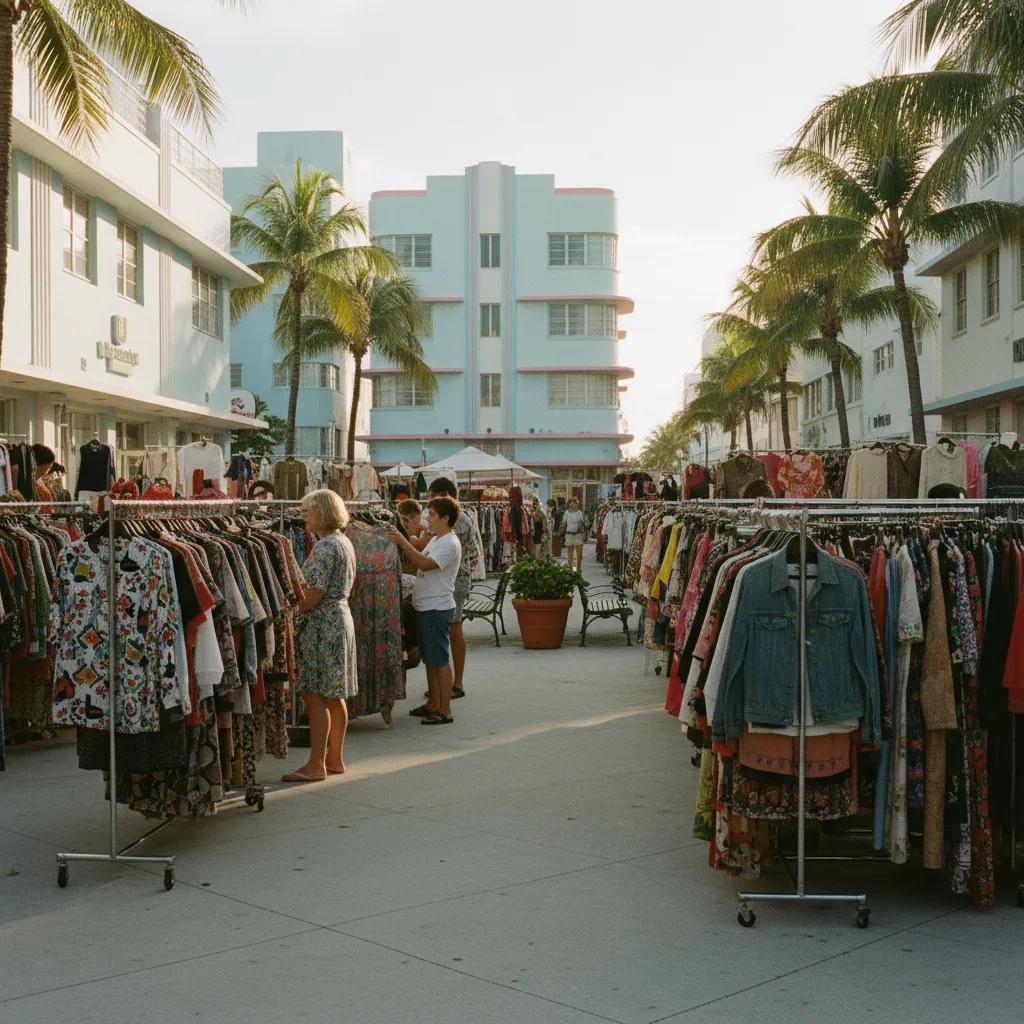
South Beach Vintage Clothing Market: Lincoln Road Stroll
Explore vintage clothing market routes along South Beach, discovering Art Deco walking corridors, breezy retro fashion racks, and oceanfront park benches.
South Beach, Miami, offers a unique tapestry for the vintage clothing enthusiast, blending celebrated Art Deco architecture with a vibrant market atmosphere. This guide navigates the iconic street corridors, emphasizing the sensory experience of discovering historical garments amidst the tropical ambiance. We delve into the tactile evaluation of textiles, from robust denim to delicate silk, while also integrating practical advice for comfortable exploration and efficient transit. Prepare for an immersive journey through the sartorial history embedded within this dynamic coastal locale, where every find tells a story of a bygone era.
Morning Stroll: Lincoln Road, Pennsylvania Avenue, and Ocean Drive
Our vintage market exploration begins with a ride on the South Beach Trolley, disembarking at the Lincoln Road & Collins Avenue stop. This central location immediately plunges you into the heart of South Beach's pedestrian promenades, framed by the celebrated pastel hues and geometric patterns of Art Deco architecture. The morning air, typically warm and humid, carries the faint scent of salt and tropical flora as you observe the initial stirrings of market activity. Pedestrian traffic steadily increases, a mix of early risers, casual shoppers, and other vintage enthusiasts beginning their day's hunt along these iconic avenues, observing the various pop-up stalls and curated racks appearing.
Navigating east along Lincoln Road, a renowned open-air pedestrian mall, allows for an unhurried appreciation of both the architectural setting and the nascent market displays. Turning south onto Pennsylvania Avenue, and then east again towards Ocean Drive, reveals further opportunities for discovery, with vendors often setting up near Lummus Park. The abundant palm gardens provide welcome pockets of shade, offering respite as you scan the evolving streetscape for promising collections. The rhythm of the morning market, marked by vendors arranging their wares, provides an authentic and unhurried introduction to the South Beach vintage scene, prior to the midday rush.
Unearthing History: Vintage Denim and Workwear Textiles
The true joy of vintage hunting lies in the in-hand physical garment inspection, particularly when examining robust materials like denim and workwear canvas. Seek out original selvedge weaves, identifiable by the clean, finished edge typically found on the outseam of jeans, indicating a shuttle loom production from an earlier era. Inspect copper rivets for authentic maker's marks and any signs of hand-setting, which can signify pre-1950s construction. The presence of union tags, often found stitched into pockets or waistbands, provides invaluable clues regarding the garment's manufacturing origins and historical period.
Focus your attention on the intricate details of chainstitching, especially along hems and major seams, a durable technique less common in modern mass production. Examine the weight and texture of workwear canvas, noting any areas of natural wear and patina that tell a story of past utility and resilience. Observe the indigo fade patterns on denim, genuine vintage denim often exhibits unique, high-contrast fades that are difficult to replicate. The tactile sensation of these well-aged textiles, with their distinct hand-feel and characteristic imperfections, confirms their historical authenticity and enduring quality, offering a direct connection to previous generations of wearers.
Embracing Elegance: Knitwear, Silks, and Leather Patinas
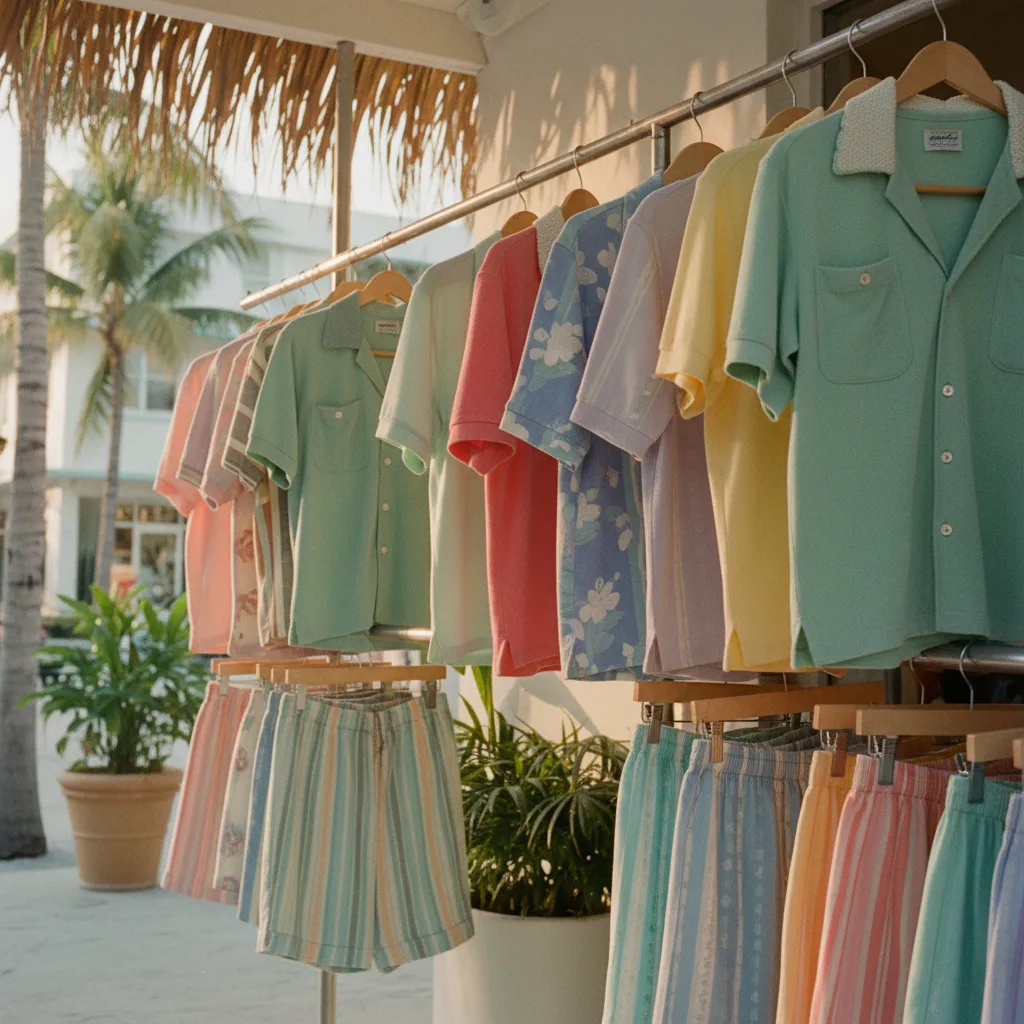
Beyond durable workwear, the South Beach vintage market frequently showcases a rich array of knitwear, delicate silk scarves, and classic retro cardigans. When evaluating knitwear, feel for the fiber content, look for natural materials like wool, cashmere, or high-quality cotton that retain their shape and softness. Examine the construction of retro cardigans for precise buttonhole stitching and the presence of original horn buttons, which possess a unique density and often exhibit subtle variations in color and grain. Note any hand-finishing details that speak to artisanal craftsmanship.
Silk scarves offer a window into various design eras, inspect the hand-rolled edges, vibrant color saturation, and intricate patterns that characterize authentic vintage pieces. For leather jackets, run your hand over the surface to assess the supple patina, which develops naturally over decades of wear, giving each piece a distinct character. Look for signs of robust stitching, quality linings, and functional zippers or buckles. The collective tactile experience, from the smooth glide of silk to the lived-in comfort of aged leather, elevates the search beyond mere shopping into a sensory appreciation of textile history and enduring style.
Peaceful Pauses: SoundScape Park & Lummus Park Respite
After an intensive period of market browsing and physical garment inspection, stepping away for a peaceful interlude becomes essential for reviewing your morning finds. SoundScape Park, adjacent to the New World Center, offers open green spaces and serene spots to sit and gather your thoughts. The acoustic respite from the surrounding urban traffic allows for a moment of quiet contemplation, where you can spread out your newly acquired vintage pieces and re-evaluate their potential fit within your existing wardrobe. Enjoying a coffee purchased from a nearby vendor enhances this reflective pause.
Alternatively, Lummus Park, stretching alongside Ocean Drive, provides another excellent location for a tranquil break. With its swaying palm trees and ocean breezes, it offers a picturesque backdrop for reviewing garments. Sitting on a park bench allows you to physically try on items, assess their drape in natural light, and consider any necessary alterations. This designated period of acoustic calm and visual relaxation is crucial for preventing fatigue and making well-considered decisions about your vintage textile acquisitions, ensuring a more deliberate and satisfying shopping experience before resuming your market exploration.
Prepared for Discovery: Miami Market Essentials
Dressing appropriately for Miami's climate is paramount for a comfortable and productive vintage market excursion. Adaptable layers are highly recommended, starting with light, breathable fabrics like linen or cotton allows you to manage temperature fluctuations as the day progresses from cooler mornings to warmer afternoons. Comfortable walking shoes are an absolute necessity, as you will cover significant distances traversing the pedestrian corridors and market stalls. Opt for sneakers or sturdy sandals that provide ample support for prolonged walking on varied urban surfaces.
Always carry a retractable measuring tape, this indispensable tool enables accurate sizing of vintage garments, which often do not adhere to modern standardized sizing. This prevents guesswork and ensures a proper fit for unique historical pieces. Additionally, bring several reusable canvas tote bags. Not only are these environmentally conscious, but their sturdy construction provides a reliable way to carry your vintage finds, protecting them from damage and making your purchases easier to transport throughout your continued market exploration. These practical preparations significantly enhance the efficiency and enjoyment of your vintage hunting adventure.
Seamless Navigation: South Beach Trolley and Digital Tools
Connecting your vintage market experience with efficient transit is key for a comprehensive exploration. The South Beach Trolley, particularly the Lincoln Road & Collins Avenue stop, serves as a crucial hub for accessing different market zones and connecting pedestrian loops. The trolley system offers a convenient and free way to navigate the expansive South Beach area, allowing you to easily revisit promising stalls or transition to new market sectors without the fatigue of constant walking. Observe the trolley routes and schedules, which are often displayed at stops and on the transit authority's website.
For a truly self-guided and optimized experience, leverage digital navigation tools like the Karpo APP. This application allows you to save favorite vintage market spots, precisely map out your desired walking routes between different vendors and architectural landmarks, and accurately time neighborhood transit connections. Utilizing such an app on your smartphone ensures that you maximize your exploration time, minimize unnecessary backtracking, and maintain a seamless flow between market areas, public parks, and transit points. This integration of physical exploration with digital planning creates a highly effective and enjoyable vintage shopping journey.
Ask Karpo for more information.
Keep reading
- Wynwood Domino Set Gift Browsing Walk: Acrylic Designs
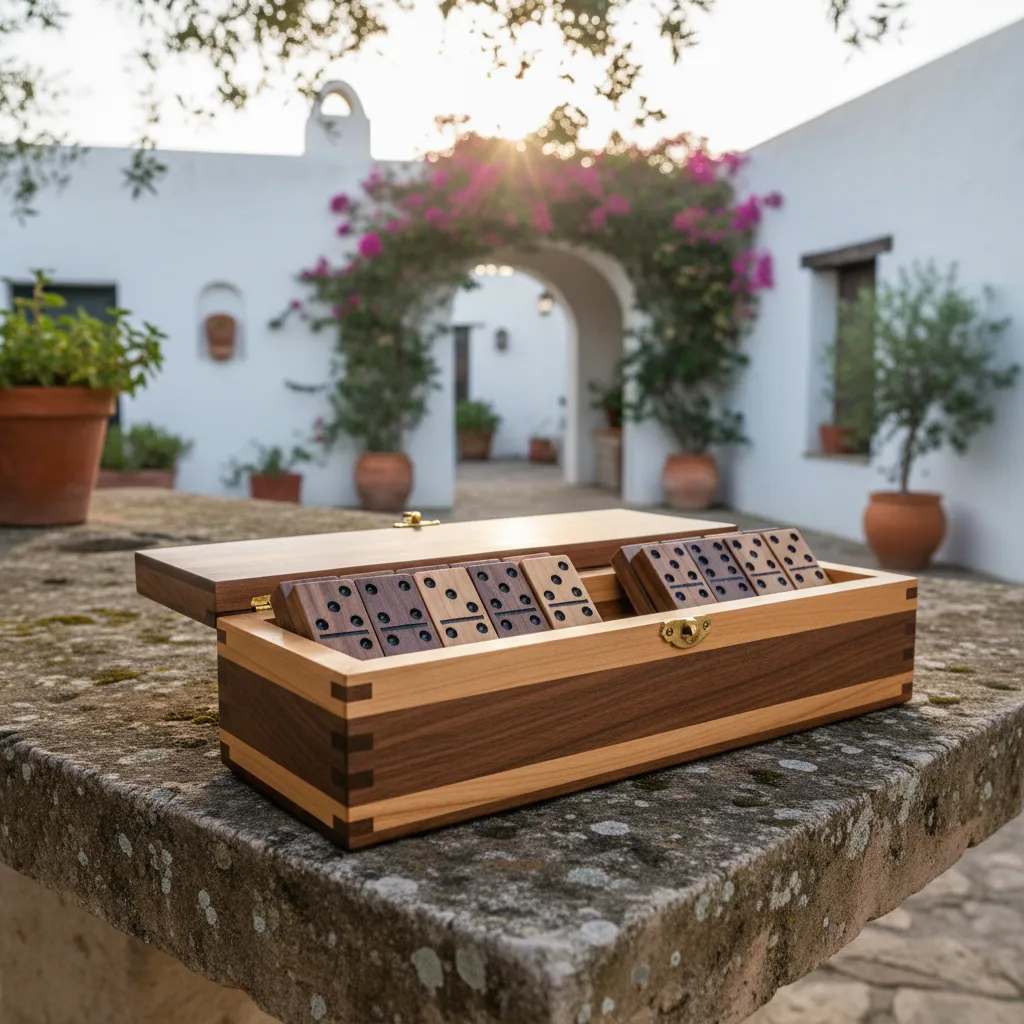 Coral Gables Domino Set Gift Browsing Walk: Wood Sets
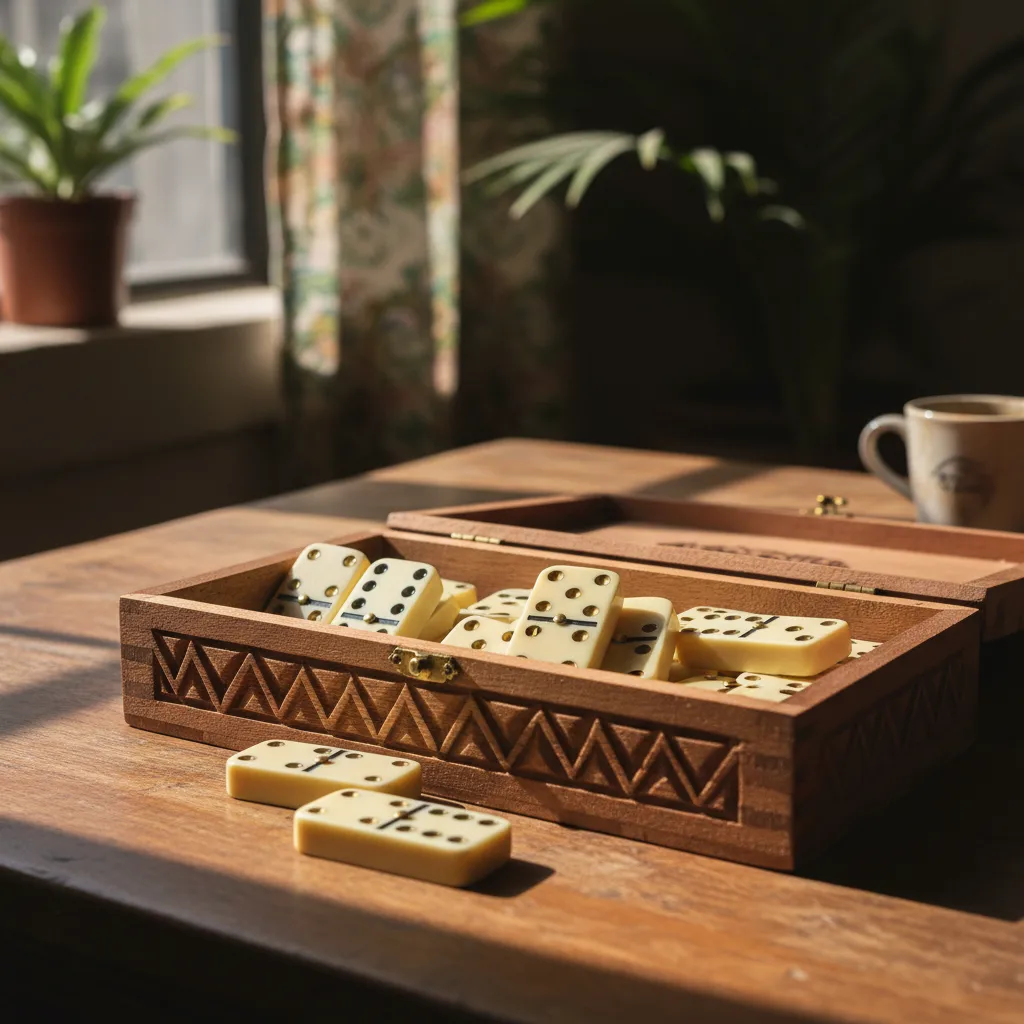 Little Havana Domino Set Gift Browsing Walk: Clay Tiles