 Chrono Sky watch repair shop in Downtown: Free Estimates
Hidden Gems & Odd Finds
Uber Eats in Miami: Hidden Local Gems That Deliver
Real neighborhood kitchens worth ordering from when you're tired of the same corporate carousel on delivery apps.
You open Uber Eats at your Coconut Grove apartment after a long afternoon dodging sudden storms, and the grid shows you the identical lineup: corporate bowls, franchise tacos, the same burger logos you'd see in Kansas City. The algorithm prioritizes high-volume kitchens with fast prep times and consistent ratings, which means small family operations with irregular hours or handwritten menus get buried six swipes deep. Miami has hundreds of independently owned kitchens that deliver, but the app's default sort pushes them below the fold.
Text Karpo right now for a live check on what's actually open and delivering to your block tonight, plus backup spots if your first choice has a long wait or sudden closure.
Why the same fifteen chains keep appearing
The odd truth is that many of the best things arriving at Miami doorsteps come from places with fewer than fifty reviews, unlabeled storefronts on side streets, or kitchens operating out of shared commissary spaces near the airport. These aren't ghost kitchens in the venture-capital sense—they're real restaurants with dining rooms or takeout counters, just without the ad budget to buy top placement. Finding them requires scrolling past the sponsored tiles, filtering by cuisine type instead of rating, or searching by neighborhood name rather than dish.
Causeway traffic and bridge timing mean that delivery radius matters more here than in grid cities. A kitchen in Little Havana might be three miles from Brickell but forty minutes away during evening rush. Uber Eats shows estimated delivery time, but it doesn't account for the MacArthur Causeway backup at 6 p.m. or the parking nightmare outside a Coral Way strip mall. The hidden gems that actually work are the ones within a realistic drive radius for your specific block, not the citywide darlings everyone screenshots.
Two ways to dig past the default grid
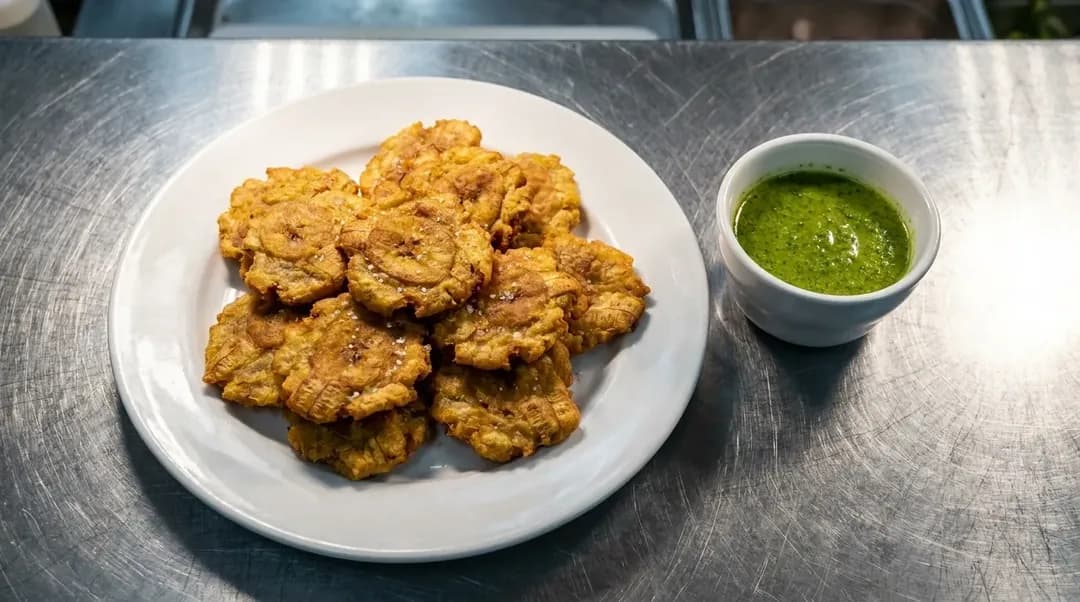
The first method is to search by specific cuisine terms that corporate chains don't use: "Nicaraguan," "Peruvian ceviche," "Cuban frita," "Colombian bandeja." Uber Eats miami hidden local gems that deliver often lack English menu descriptions or use regional dialect terms that don't match the app's autocomplete. A search for "ropa vieja" will surface different results than "shredded beef," and "tostones" pulls up spots that "fried plantains" misses. The app's search isn't smart about synonyms, so you have to think like the kitchen, not the algorithm.
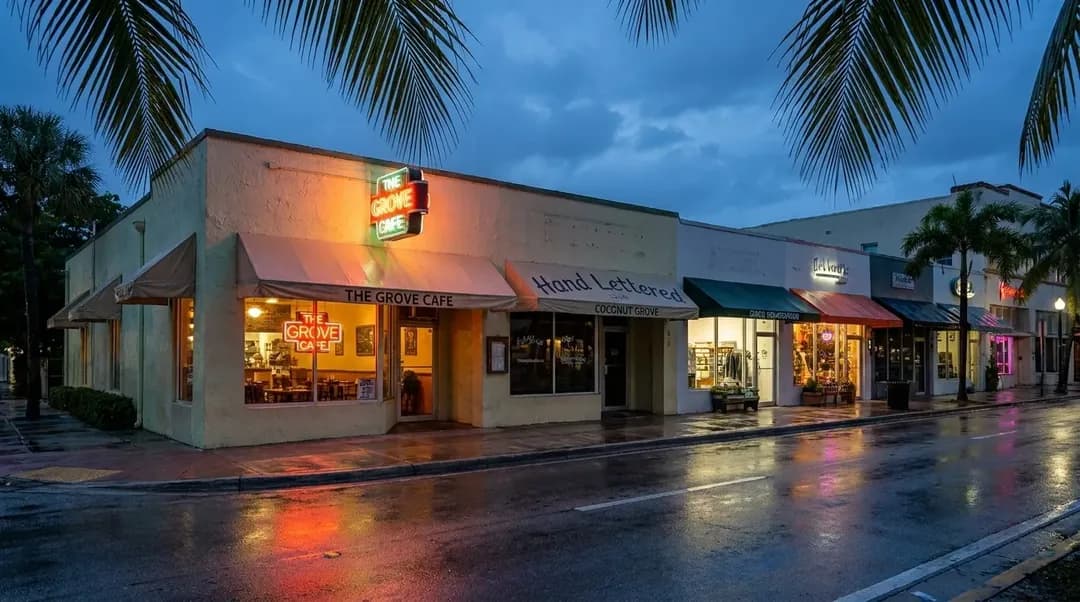
The second route is to filter by neighborhood and sort by distance, then scroll until you hit places with fewer than a hundred ratings. Coconut Grove has half a dozen family-run spots on Grand Avenue and Main Highway that do steady lunch business but barely register on the app because they don't chase reviews. Look for listings with photos that show actual plated food on real tables, not stock images or logo graphics. If the restaurant photo is a blurry snapshot of a handwritten chalkboard menu, that's often a better signal than a professional hero shot.
Check the restaurant's listed address on Google Maps before you order. If it's a residential street or a generic office-park suite number, it might be a ghost kitchen using a borrowed name and stock photos. Real neighborhood spots have storefronts you can visit, even if the dining room is tiny. Uber eats listings don't always make this clear, but a quick map check will show you whether you're ordering from a decades-old Cuban counter or a commissary kitchen that launched last month.
What the delivery math actually looks like
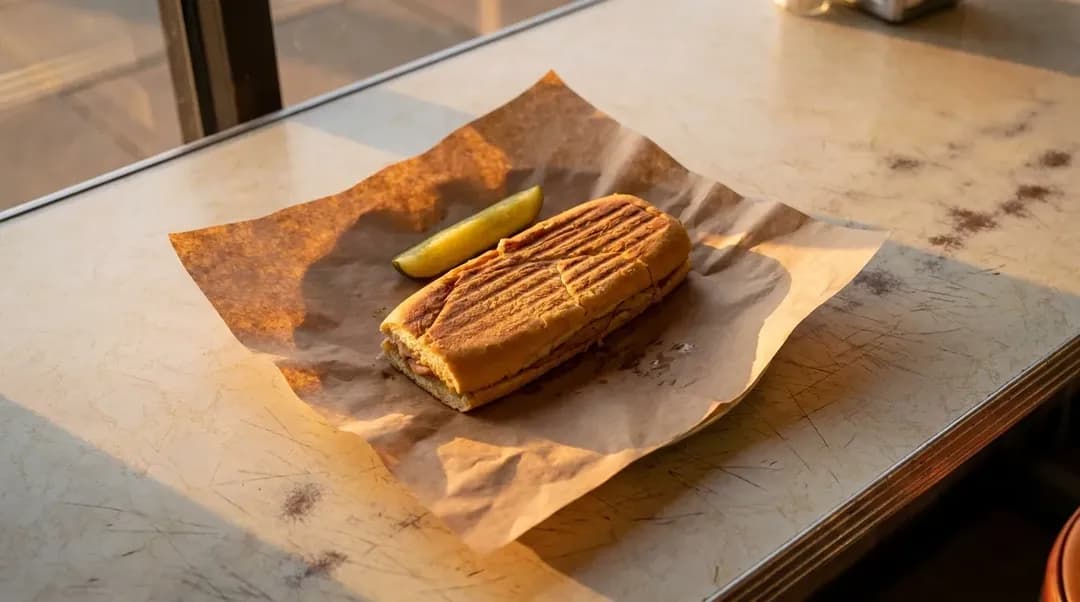
Delivery fees on Uber Eats in Miami typically run between $2 and $6, but the app adds a service fee (usually 10-15% of the subtotal), a small-order fee if you're under $10, and then there's the tip. A $12 lunch easily becomes $20 after fees. The hidden local gems that deliver don't control those fees—Uber does—but smaller kitchens often have lower menu prices than chain equivalents, which can offset some of the markup. A Cuban sandwich from a Flagler Street counter might list at $8 on the app versus $13 for a corporate "Cuban-inspired" wrap, and after fees they land near the same final price.
Minimum order requirements vary by restaurant. Some independent spots set a $15 or $20 floor to make delivery worth the kitchen's time, especially during slow hours. If you're ordering solo, that might mean adding a side or a drink you didn't want, or splitting an order with a roommate. Chain restaurants rarely set minimums because they're optimized for high-frequency single-item orders, but neighborhood kitchens are often cooking to order, not pulling from a heat lamp.
Delivery time estimates on the app are just that—estimates. A spot in Coral Gables might promise thirty minutes, but if the driver has to circle for street parking or wait for the kitchen to finish frying tostones, it stretches to fifty. Afternoon rain between May and October adds another fifteen minutes to nearly every route as drivers slow down and visibility drops. The app doesn't adjust the estimate in real time for weather, so if you're ordering during a 4 p.m. storm cell, assume the high end of the window.
What to do before you confirm the order
Verify the restaurant's current operating status outside the app. Uber Eats doesn't always update when a small kitchen closes early for a private event, runs out of a key ingredient, or takes an unscheduled day off. A quick Google search or a glance at the restaurant's own Instagram story can save you from placing an order that gets auto-canceled twenty minutes later. Independent spots are more likely to post real-time updates on social media than to notify third-party apps.
Read the most recent reviews, not the top-rated ones. Sort by newest and look for mentions of delivery packaging, portion size, or missing items. Small kitchens sometimes struggle with the logistics of sealing containers or including utensils, and you won't know until you open the bag. If three people in the past week mention that the rice arrives separated from the beans, plan accordingly. The app's overall star rating doesn't distinguish between dine-in and delivery experience.
Check whether the restaurant offers its own direct delivery or pickup option. Some neighborhood spots list on Uber Eats for visibility but prefer you call them directly to avoid the platform's commission. You won't always save money—the menu price might be the same—but the kitchen keeps more of it, and you might get better communication about timing or substitutions. A phone call also confirms that a real person is taking your order, not an automated system that might misfire.
Have a backup plan for long waits or cancellations. If you're ordering during peak dinner hours on a Friday, the app might show a sixty- to ninety-minute delivery window, or the restaurant might cancel because they're slammed. Knowing a second option in the same radius—ideally something that doesn't require frying or slow-cooking—means you're not starting the search over at 8 p.m. when you're already hungry. Karpo can surface that backup in real time based on what's actually open and moving fast right now.
Practical notes
- Delivery fees and service charges typically add 30-50% to your subtotal; check the breakdown before confirming.
- Afternoon storms between May and October add 15-20 minutes to most delivery windows.
- Search by specific cuisine terms ("Nicaraguan," "Colombian") to surface spots the algorithm buries.
- Verify the restaurant's address on Google Maps to distinguish real storefronts from ghost kitchens.
- Check the restaurant's own social media for real-time closures or menu changes before ordering.
- Have a backup spot ready if your first choice shows a wait over an hour or cancels mid-order.
Tags: #karpo #miami #ubereats #miamifood #coconutgrove #hiddengems #localfood #miamieats #fooddelivery #theoddedit #miamilocal #deliveryapp #neighborhoodfood #miamidelivery #realfood
Sources consulted: Uber Eats · City of Miami
All trademarks are the property of their respective owners.
Ask Karpo first
Text Karpo to check which neighborhood kitchens are open and delivering to your block right now, with current wait times and a live route that accounts for bridge traffic or weather delays. It'll also suggest a backup if your first pick is slammed or closed.
Ask Karpo for more information.
Keep reading
- Chrono Sky watch repair shop in Downtown: Free Estimates
 Sugar Factory Halloween Candy Shop: Ocean Drive Treats
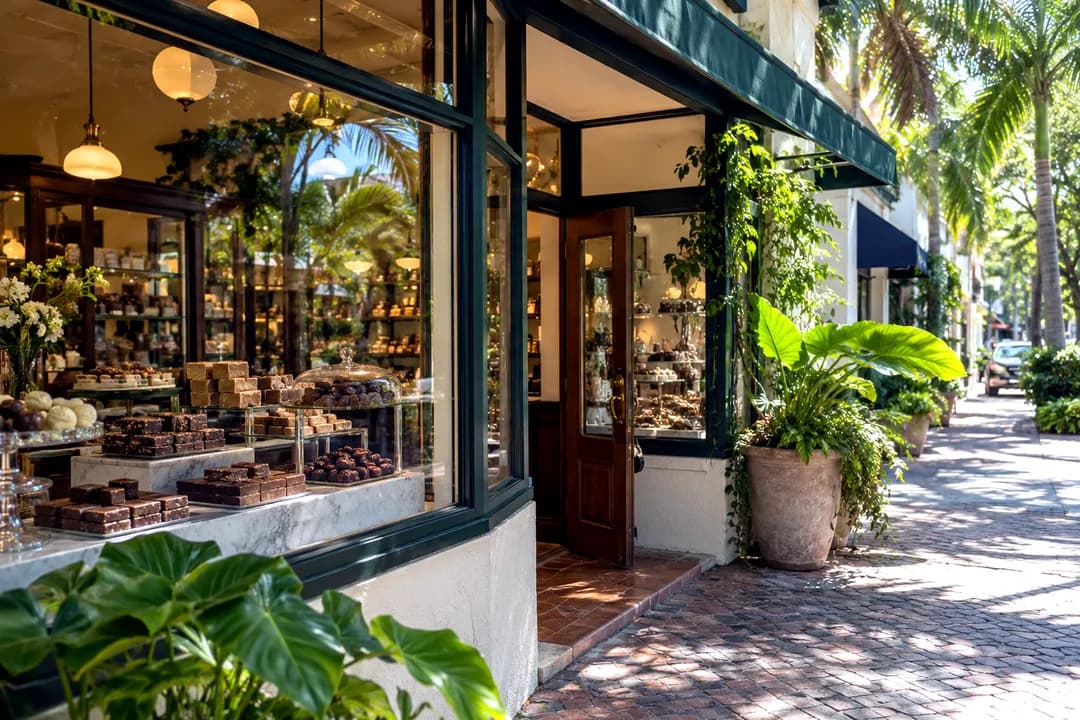 Kilwins Halloween Candy Shop: Coconut Grove Fresh Fudge