
Miami residents do not need a Midwestern basement to take tornado alerts seriously. Fast-moving bands from tropical systems, severe thunderstorms over Biscayne Bay, or cells crossing Kendall, Little Havana, Brickell, Hialeah, and Miami Beach can compress decision time into minutes. The key is knowing what changes when the alert changes: a watch means conditions can produce a tornado, while a warning means one is indicated or reported and protective action should start immediately. As of Wednesday, July 29, 2026, Miami-Dade and City of Miami emergency guidance still points residents toward layered alerts, an interior shelter area, family communication, and official updates before going back outside.
Want a Miami-ready storm check before the next alert sounds? Text Karpo for a quick local prompt that helps compare warnings, family needs, shelter rooms, and county updates in one place.
Miami-Dade Alerts on Every Family Phone
Start with the alert path, because Miami storms can outrun casual checking. Miami-Dade Alerts lets residents and visitors receive emergency texts or emails about public safety issues, protective actions, and weather emergencies, including tornado warnings issued by the National Weather Service. That does not replace Wireless Emergency Alerts, NOAA Weather Radio, local TV, or trusted weather apps. It gives your family one more official channel when cell service is crowded, rain noise is high, or someone is away from home.
The tradeoff is notification fatigue, especially during hurricane season, but silencing alerts is the wrong fix. Put emergency alerts on the phones used by adults, older teens, caregivers, and anyone who may pick up children or relatives. If a message is unclear, do not crowdsource the meaning in group chats first. Check Miami-Dade’s emergency activation page, weather.gov/mfl, local broadcast updates, or 311 guidance when phone service allows, then act on the most protective verified instruction.
Interior Hallway Plan for Brickell Condos
In high-rise neighborhoods such as Brickell, Downtown, Edgewater, and Miami Beach, a tornado warning vs watch decision feels different because there may be no basement and elevators may be a poor choice during severe weather. Under a watch, identify the lowest practical interior area you can reach quickly without going outside. Under a warning, move away from glass, balconies, exterior walls, and wide lobby windows. A small interior hallway, bathroom, stairwell landing, or closet is usually better than a view-facing room.
Failure mode matters here: residents often move toward windows to look for a funnel, or downstairs too late. Do neither. If warning language names your area or radar shows rotation nearby, crouch low, cover your head and neck, and use padding such as pillows, a mattress, bike helmet, or thick blanket. For accessibility, decide ahead who assists wheelchair users, older relatives, children, and pets, because storm noise and power interruptions can make last-minute instructions hard to hear.
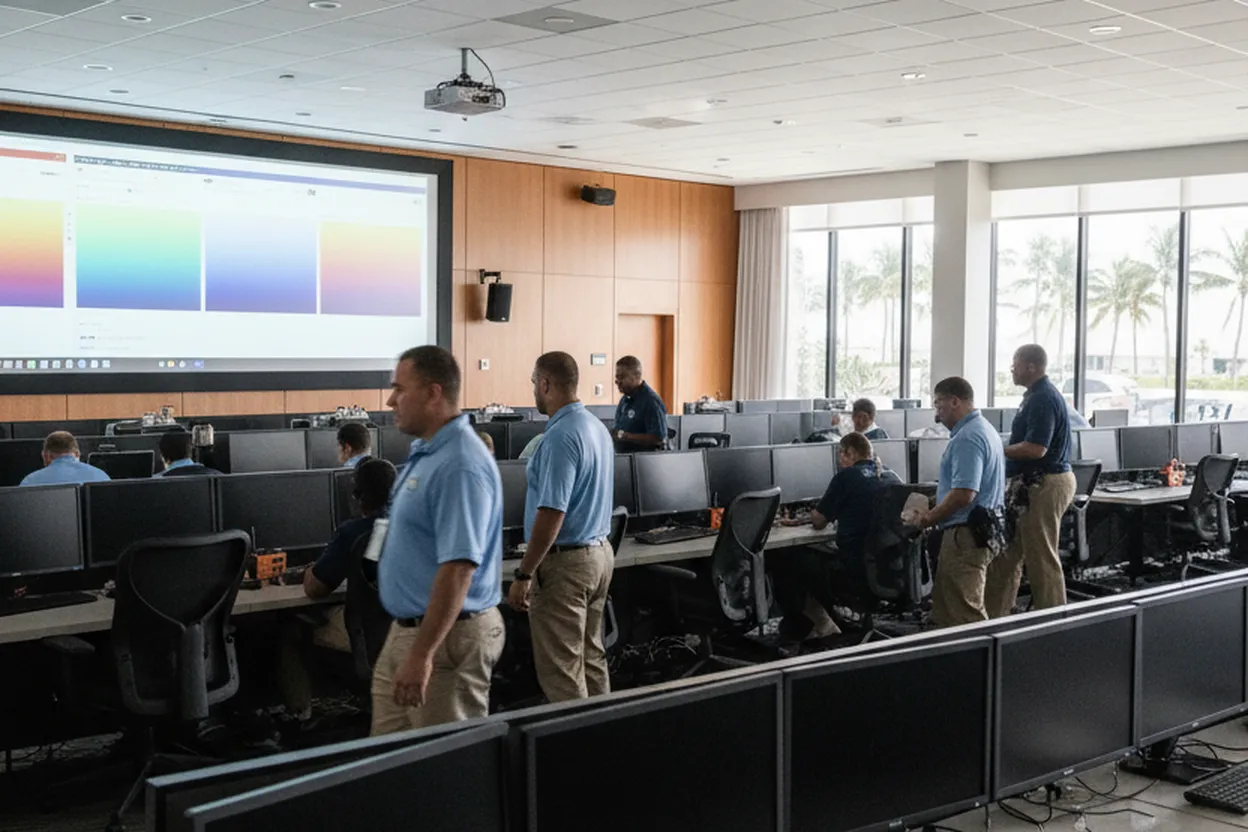
Kendall Garage Kit Beside the Water
A useful Miami kit is not a warehouse project; it is a reachable container that works in heat, rain, and power disruption. Miami-Dade shelter-in-place guidance says to bring an emergency supply kit into the shelter area. For tornado conditions, prioritize shoes, flashlight, charged power bank, whistle, first-aid basics, medications, pet leash or carrier, water, and copies or photos of essential documents. Keep it near the chosen room, not buried behind holiday boxes in a hot garage.
Families in Kendall, Westchester, Doral, and Homestead should also plan for the wet aftermath: standing water, downed branches, broken glass, and traffic signals out. Add spare glasses, hearing-aid batteries, infant supplies, and a written contact card for anyone who may not remember phone numbers under stress. If a supply detail cannot be confirmed during an active alert, choose the simpler action: take the kit you have, shelter now, and improve the kit after the all-clear.
Metrorail, Trolley, and Bus Stop Choices
Transit riders need a different script because a warning can arrive while you are between home and work. If you are on Metrorail, Metromover, a bus, trolley, or rideshare when severe weather escalates, avoid open platforms, exposed sidewalks, tree-lined stops, and waterfront waiting areas when there is time to move inside. A sturdy building interior beats a vehicle or glass shelter. If you cannot reach a building, get as low and protected as conditions allow, away from windows.
Do not assume transit is running normally after a warning just because an app still shows scheduled service. Storms can affect roads, signals, debris clearance, bridge access, and station conditions before public feeds catch up. After sheltering, verify Miami-Dade Transit, City of Miami trolley notices, county emergency updates, or direct operator information before sending a family member across town. The practical tradeoff is delay, but delay is better than standing outside during a second warned cell.
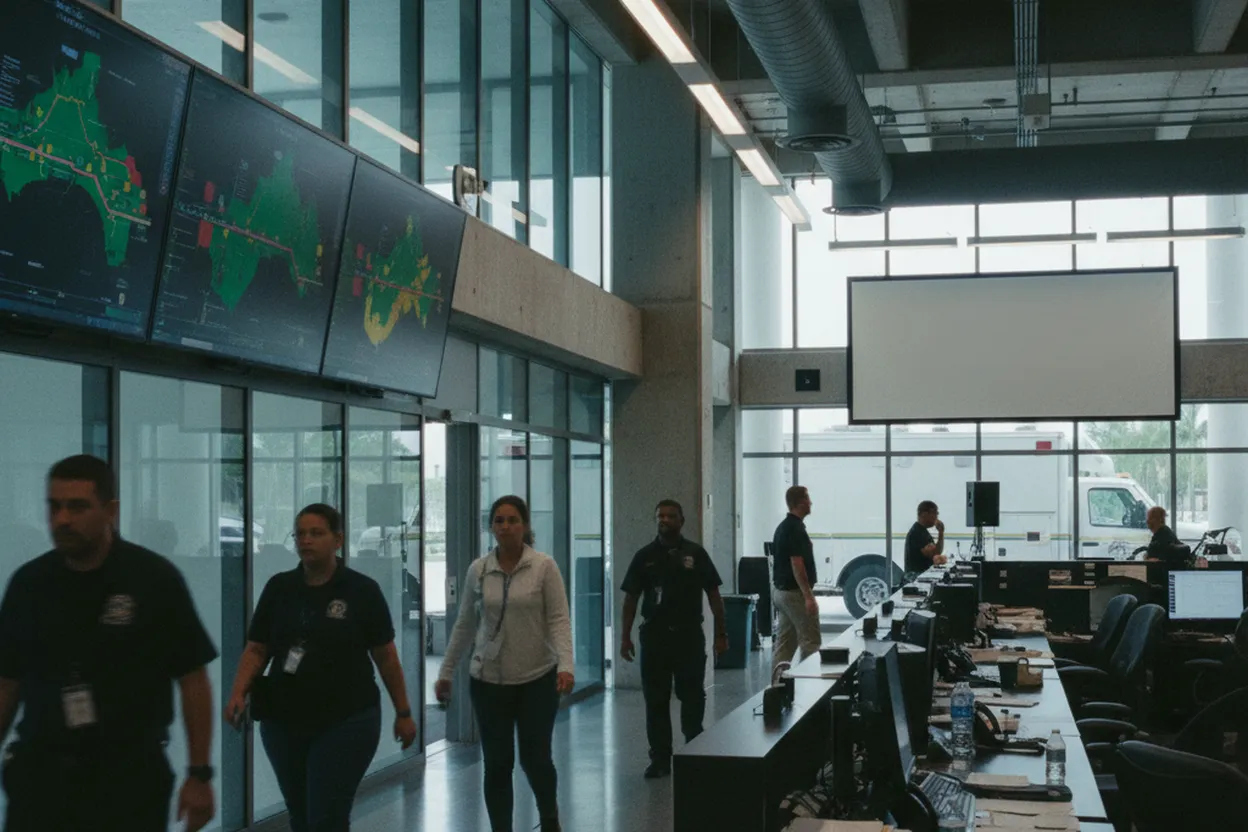
Miami-Dade County Emergency Operations Center Updates
The Miami-Dade County Emergency Operations Center is not a walk-up advice desk during a storm; it is part of the coordination system residents should monitor through public channels. Miami-Dade’s emergency activation page posts county status, service and closure updates when available, storm resources, damage reporting links, and reminders to use official weather sources. City of Miami emergency management guidance also describes coordination with the county EOC when activation levels rise during severe events.
Use that structure to pace decisions. During a watch, review county and city pages, charge devices, and identify where each person will shelter. During a warning, stop refreshing and move. After the warning, check whether the county has issued protective actions, all-clear language, damage reporting instructions, or power-line cautions. If the page has no relevant update, treat that as absence of a posted change, not proof that your block is clear.
Coconut Grove Window and Tree Hazard Check
Coconut Grove, Coral Way, Shenandoah, and older canopy neighborhoods add a familiar Miami risk: large trees, older windows, patio furniture, and loose outdoor items. Under a watch, bring in lightweight balcony or yard objects if it is safe and quick. Close interior doors, move family members away from rooms with large panes, and pick a shelter spot with few or no windows. Under a warning, leave outdoor cleanup alone; flying debris can turn a short errand into the main hazard.
After sheltering, the first impulse may be to inspect the roof, car, or street. Slow that down. Miami-Dade’s emergency information points residents to official updates, 311 for certain local issues, and emergency reporting for life-threatening hazards. Downed power lines, unstable trees, flooded intersections, and broken glass are not family inspection tasks. Photograph damage only from a safe location, keep children and pets inside, and wait for verified instructions before opening a gate or moving a vehicle.
One Last weather.gov/mfl Check Before Moving
The final verification action is simple: before leaving shelter, check the active alert status from the National Weather Service Miami office at weather.gov/mfl, plus Miami-Dade Alerts or the county emergency page if available. A tornado warning can expire, be replaced, or be followed by another severe thunderstorm warning with damaging wind. Local TV and radio remain useful backups when mobile data slows, batteries fade, or a family member needs audio rather than small-screen text.
Make the all-clear decision conservative and shared. One adult verifies the official status, another accounts for people and pets, and nobody exits because a neighbor stepped outside first. If internet, power, and cell service fail, stay in the interior room until broadcast information, alert tones, or local officials indicate the threat has passed. Then move deliberately: shoes on, flashlight first, no elevators if power is unstable, and no driving until roads and routes are confirmed.
Tags: #Miami #MiamiDade #TornadoSafety #SevereWeather #StormPrep #EmergencyPlan #ShelterInPlace #WeatherReady #ReadyMDC #FamilySafety #AskKarpo #BeforeYouGo #PublicSafety #FloridaWeather
Sources consulted: Source 1: miamidade.gov · Source 2: miamidade.gov · Source 3: miamidade.gov · Source 4: miami.gov · Source 5: weather.gov · Source 6: miamidade.floridahealth.gov
All trademarks are the property of their respective owners.
Ask Karpo first
Tell Karpo your date, group size, budget, and starting point. We’ll check current access, timing, transit, and the cleanest Miami plan for Miami-Dade County Emergency Operations Center before you head out.


