 Wynwood Domino Set Gift Browsing Walk: Acrylic Designs
Hidden Gems & Odd Finds
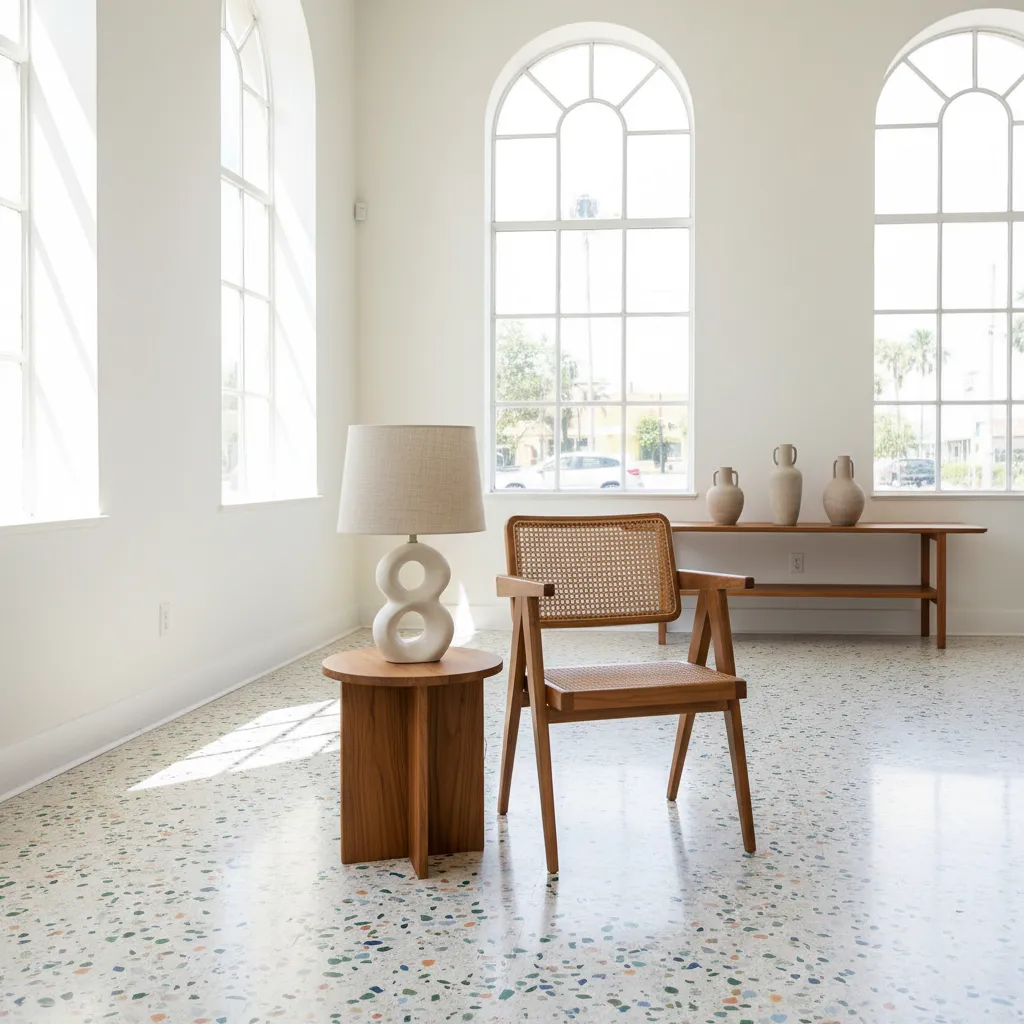
Design District Thrift Store Crawl Planner: Lamps and Chairs
Plan a Design District thrift crawl for design lovers: train your eye on the street, judge secondhand lamps and chairs by build, then hunt ceramics and glass.
The Miami Design District grew out of an old warehouse and furniture showroom quarter into a walkable neighborhood of galleries, architecture, public art and design shops. Most of what sits in its glass storefronts is far from thrift prices, but the area is one of the best classrooms in the city for learning what good design looks like. This thrift store crawl planner uses the district as your training ground, then sends you into nearby resale and consignment shops to hunt lamps, chairs and small objects with a sharper eye.
Use the District as Your Design Classroom
Start with a slow walk through the district's streets and courtyards before you shop. Notice the facades with unusual patterns, the sculptures tucked into corners and the way benches, railings and lights are shaped. Good design tends to share a few traits: clear lines, honest materials and careful details where parts meet.
Take photos of shapes you love, like a lamp base that curves just so or a chair with legs that taper elegantly. You are not trying to buy those pieces. You are building a mental library, so that when you see a dusty lamp in a resale shop later, you can spot the same quality in a cheaper form.
Set a Small Goal for the Day
A design crawl works best with a narrow focus. Pick one room or one corner of your home and list what it needs, such as a reading lamp, a single accent chair and a few objects for a shelf. Measure the space and note the colors already in it, so your finds will fit instead of fighting what you have.
Bring a soft tape, a small flashlight for looking under furniture and a cloth bag for small pieces. Plan for transport too. Chairs and larger lamps may need a car or a delivery, so check how you will get them home before you fall in love with something heavy.
First Stop: Judging Secondhand Lamps
Lamps are among the most rewarding thrift finds, because a good base can last for decades while shades and wiring are easy to replace. Look first at the shape and weight. Solid ceramic, metal, glass or wood bases tend to feel heavy and stable, while hollow plastic bases often tip over easily.
Check the cord and plug for cracks, fraying or brittle insulation, and plan to have old lamps rewired by a repair shop if anything looks worn. Look at the socket and switch, and make sure the harp and finial threads are intact. Ignore an ugly shade. Replacing it with a simple linen drum can transform a lamp completely.

Second Stop: Sitting in Every Chair
Chairs tell you a lot about craftsmanship. Turn a chair over and look at where the legs meet the seat. Good joints fit tightly, often with wood pegs, dovetails or solid brackets, rather than staples and glue alone. Sit down, lean back and shift your weight. A well-built chair should stay quiet and steady.
Look for clues of quality like bentwood curves, molded plywood shells, cane seats or solid metal frames. Wobbly legs can often be fixed with new glue, but cracked frames are harder. Upholstered chairs should be smelled and pressed. Musty odors or crunchy foam mean you will need new padding, which can still be worth it if the frame is excellent.
Third Stop: Ceramics, Glass and Small Objects
Finish the shopping with smaller objects, where some of the best bargains hide. Look for handmade ceramics with interesting glazes, art glass vases with strong color and wooden bowls with clean shapes. Run a finger around rims to feel for chips, and hold glass up to the light to spot cracks.
Group objects by color or material when you style them at home. Three pieces in similar tones on a shelf look intentional, while a random mix can feel cluttered. Turn objects over and look at the base. A maker's mark or signature can be interesting, but buy for beauty and quality first, since many lovely pieces are unsigned.
How to Tell Good Design From Look-Alikes
Famous designs are copied widely, so you will often see chairs and lamps that look like icons but are not. That is fine if you love the piece and it is well made. The problem comes when a copy is flimsy. Compare the weight, the joints and the finish to what you saw in the district's showrooms and galleries.
Good proportions matter more than names. A plain chair with a well-balanced back and seat can be more beautiful than a poorly made copy of a famous one. Trust what your eye learned on the morning walk, and buy pieces that feel solid, look balanced and suit your home.
Take a Break and Read the Public Art
Midway through the crawl, head back to the district for a rest. There are cafes and shaded courtyards where you can sit, and many of the neighborhood's public art pieces sit in open spaces you can visit freely. Look at how artists use scale, color and material, and compare that to the objects in your bag.
This is also a good time to check your list. Did you find the reading lamp? Is the chair too big for the corner? Spread photos of your finds on your phone and picture them together. If something does not work with the rest, it is easier to pass on it before it comes home.
Repairing and Refreshing Your Finds
Most secondhand design pieces need a little care. Clean lamp bases with a damp cloth and mild soap, and polish metal with a suitable cleaner. Have any worn cords replaced by a lighting repair shop. For wood chairs, tighten joints, clean the surface with a gentle soap and treat it with oil or wax to bring the grain back.
Upholstered pieces may need a professional reupholsterer, which is worth it for chairs with great frames. Choose fabrics that suit Miami's humidity, like performance fabrics or tightly woven cotton, and keep pieces away from windows that get harsh afternoon sun to protect finishes and textiles.
Styling a Corner That Feels Designed
When you arrange your finds, start with the largest piece. Place the chair, then set the lamp so its light falls over one shoulder for reading. Add a small side table if needed, then style a few objects nearby. Leave some empty space, since breathing room is one of the easiest ways to make a corner feel calm and designed.
Live with the arrangement for a week and adjust. Small moves, like turning a chair slightly toward a window or swapping a shade color, can make a big difference. Over time, add pieces slowly, and your home will start to look like a collection rather than a catalog.
Plan Your Next Design Crawl With Karpo
For your next hunt, open the Karpo APP and ask for resale shops, consignment stores, vintage furniture dealers or lamp repair shops around the Design District, Little Haiti and Wynwood. Karpo can suggest places that fit the style you are drawn to, so your next crawl starts with the right stops.
Learning to see good design does not require designer prices. Walk the district first, set a small goal, judge lamps and chairs by build, hunt for ceramics and glass, rest among the public art and repair your finds with care. With practice, you will spot quality in the most unexpected corners of a resale shop.
Ask Karpo for more information.
Keep reading
- Wynwood Domino Set Gift Browsing Walk: Acrylic Designs
 Coral Gables Domino Set Gift Browsing Walk: Wood Sets
 Little Havana Domino Set Gift Browsing Walk: Clay Tiles