 Little Haiti Axe Throwing Group Night Picker, Soccer Edition
Sports Social
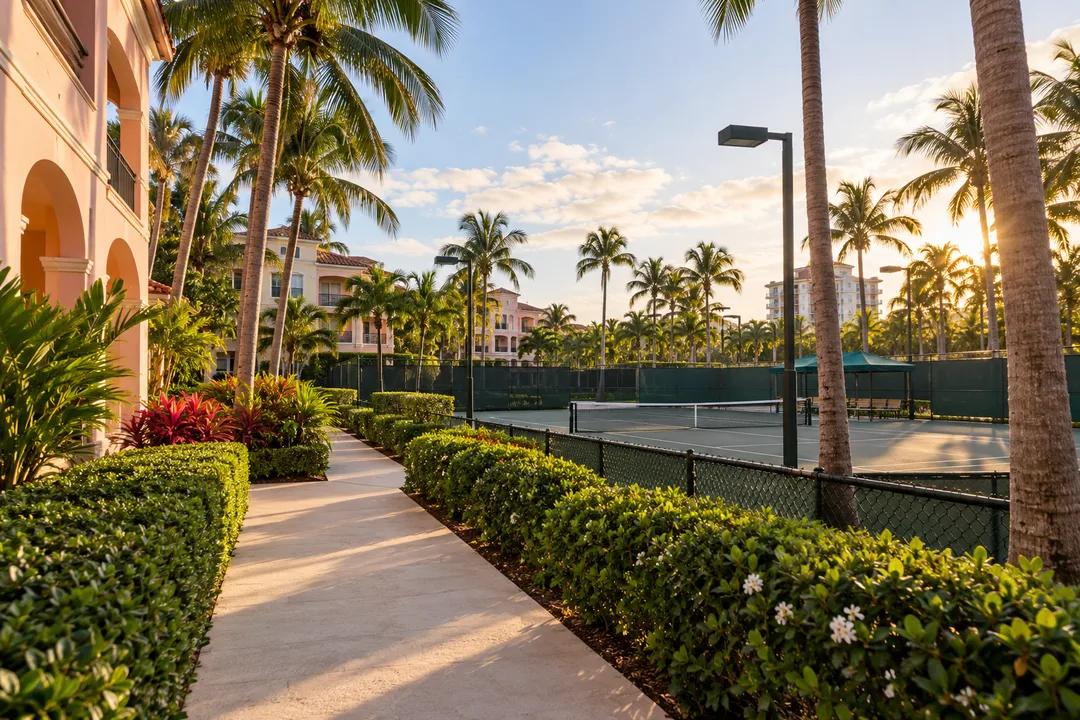
Miami Tennis Court Near Home: Choose A Better Area
Find a Miami tennis court area that fits your home side, travel tolerance, playing goals, and nearby plans before selecting an operator to book.
Choosing the right side of Miami can make a tennis plan feel simple before a specific court enters the picture. Tell Karpo the neighbourhood or landmark that suits your routine, the travel limit and the playing requirements. It can compare areas first, then organise operator options within the boundary.
Describe the part of Miami that works
Area-first planning A Miami tennis court search becomes practical when you name the side of the city or county that fits your day. Use a neighbourhood, transit stop or public landmark rather than a private address. Tell Karpo how far you are willing to travel, how you will get there and what you need after tennis. It can organise areas first, then help compare operator links within the boundary you actually want.
Name the side The closest court is not always the easiest choice. You may value a familiar route, a simple parking plan, a transit connection, a nearby change of clothes or a place to meet afterward. State the reason behind the preference. Karpo can keep that context attached to each area so the shortlist reflects your routine rather than ranking places by distance alone.
Add the playing requirements after the map

Distance alone Once a useful area is defined, specify singles or doubles, surface, lighting, equipment and coaching needs. Put must-haves first. A beautiful facility outside your boundary may be less useful than an ordinary option that fits the way you arrive and leave. The comparison should distinguish a court booking from optional instruction or an unrelated nearby activity.
Use an area prompt: Use: “Find a Miami tennis court near my side of town. Start with areas that minimise my travel, then compare public booking routes for a relaxed session.” Add the date, playing format, starting landmark and return limit. Ask Karpo to explain why each area fits and what the compromise is. This gives you a decision you can take to the operator instead of a disconnected list of names.
Keep nearby plans optional
Once the boundary holds, A café, meal or walk can make the outing appealing, but it should not distort the court choice. Mention it as a preference only after the playing requirements are clear. If you need a changing space, rental equipment or a particular entrance, make that a direct filter. Do not treat a neighbouring business or a photo as proof of a service at the court.
After everyone agrees, After agreeing on an area, choose one operator and let one person complete the reservation. Share the confirmation, court format and arrival instructions with anyone joining. Karpo can collect and organise the options, but it does not hold a court or complete payment. The selected operator’s confirmation should sit beside your route plan so everyone goes to the same place.
Keep the fallback inside the neighbourhood logic
When the first option disappears, When an option disappears, preserve the area rule before widening the search. You might move one neighbourhood over, change the day or choose a shorter session. Ask for a revised shortlist using that new boundary. A fallback that sends one person across the county without agreement has changed the activity, even if the booking itself looks convenient.
Following the match, After the game, note how the route, entrance, warm-up and nearby plans worked. Save those observations for the next Karpo request. A reliable area can become a default for casual games, while a different side of Miami can be reserved for a planned group outing. Keep the final logistics concrete and the optional social part flexible.
Practical Notes
Name the Miami side or landmark that suits your routine, plus travel tolerance, date, format and access needs. Put the geographic boundary ahead of secondary preferences such as food or scenery. Let Karpo compare areas and the operator tradeoffs inside that boundary, then reserve through the chosen provider. Keep the route, entrance and reversible fallback with the confirmation for the next outing. For an area-first search, state the side of Miami that fits your routine, the farthest acceptable travel and the public landmark that helps orient the comparison. Add the playing format and must-have access or equipment needs after the boundary is clear. When an area works, choose an operator and have one person complete the reservation, then send the exact confirmation to everyone. If the first option disappears, move only as far as the group agrees. Afterward, note how the route and entrance felt and whether the nearby plan helped or distracted. These observations turn a neighbourhood preference into a useful repeatable habit. An area-first plan should end with a concrete route and a reversible choice. Tell Karpo which public landmark makes the area easy to recognise, what travel method you prefer and how far you would widen the boundary if the first option fails. Add court format, lighting, equipment or coaching only as needed. After choosing, let one person finish the operator reservation and share the precise record. If the nearby café or walk matters, keep it after the court decision so it does not distort the core search. Note whether the entrance, parking or last-mile walk changed your view of the area. Those observations can become a useful preference for later games. Over time, a familiar side of Miami may give you better rhythm than a rotating list of distant facilities. The tool helps you make that choice deliberately and leaves the operator confirmation as the final practical step. Keep the first area decision reversible until the operator confirms the session. If the route or access condition changes, move back to the area comparison instead of forcing the original choice. A short note about why the area won, such as a simple transfer or a fairer drive, will make the next request much faster and help the group explain the preference to a new player. Keep any nearby food or errands as a separate choice so the court remains the reason for the outing.
After the Miami area decision, keep the landmark, route preference, court format and reservation owner in a single message.
Keep the handoff obvious
Should the Miami area prove inconvenient, widen the boundary only by the amount everyone accepts and preserve the original travel reason.
Karpo compares the Miami sides of town, and the selected operator confirms the location, product and conditions that make the route workable.
Practical Notes
Keep the Miami area reason attached to the chosen route, entrance details and operator-confirmed session.
Ask Karpo for more information.
Keep reading
- Little Haiti Axe Throwing Group Night Picker, Soccer Edition
 Midtown Miami Axe Throwing Group Night Picker for Nurses
 Downtown Miami Axe Throwing Group Night Picker for Visitors