 Little Haiti Axe Throwing Group Night Picker, Soccer Edition
Sports Social
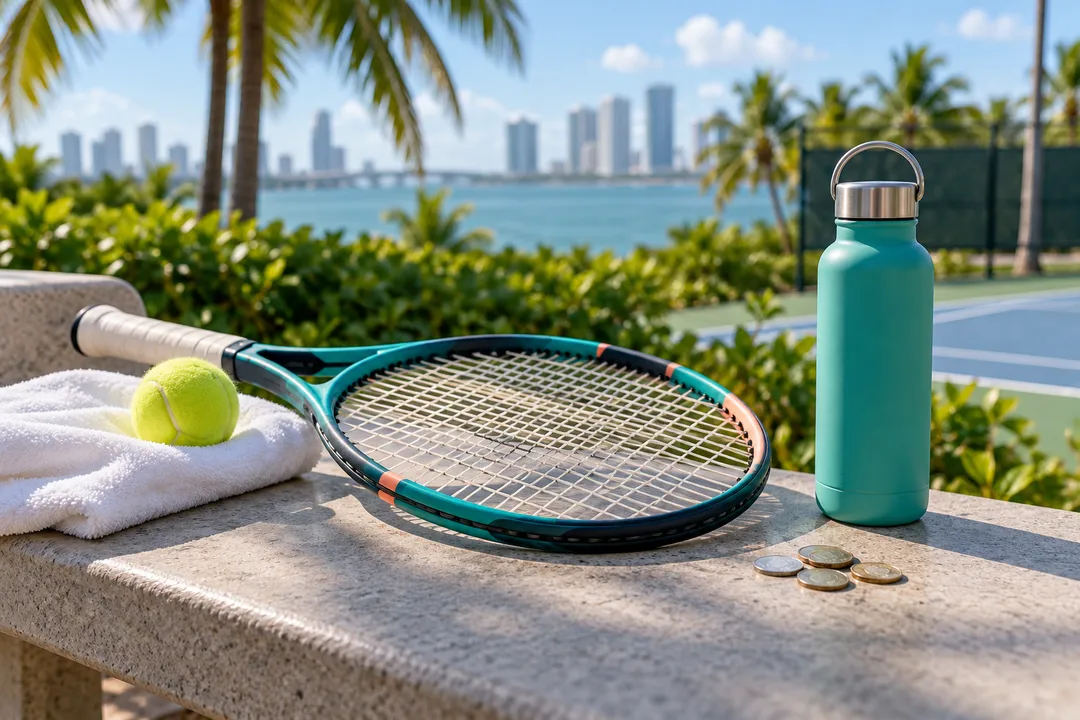
Miami Tennis Court Budget: Compare The Full Cost
Find a Miami tennis court within a budget by listing court time, equipment, coaching, travel, and optional extras instead of guessing a headline price.
A tennis budget is clearer when it includes the whole outing rather than a single court headline. Give Karpo the player count, spending limit, session idea and the items you already own. It can organise published charges and open questions before the group chooses a booking.
Start with a budget that has a purpose
A complete budget A Miami tennis court budget should describe what the money needs to cover. Tell Karpo whether the limit is per player or for the group, which day you want, and whether court hire, rackets, balls, coaching or travel belong in the total. It can organise published amounts and missing items into a comparison. The final price comes from the operator’s selected product, so use the planning view to decide what to inspect.
Set the spending frame A useful comparison separates the court block from rentals, instruction, guest fees, transport and food afterward. Mark optional additions clearly. That keeps a low headline number from hiding a required purchase and prevents a pleasant extra from making the game seem unaffordable. Ask Karpo to show which line items are confirmed by the operator and which are your own spending choices, without inventing a value for anything that is not published.
Use the right unit

Separate every line A group total can look different from a per-person share. State the number of players, the playing format and the intended session length. If equipment is shared, say who already owns it. If one player needs a lesson, isolate that cost rather than spreading it across everyone. Clear units help the group compare two options without arguing over whether a figure describes a person, a court or an entire outing.
Try this request: Try: “Find a Miami tennis court for four adults with a total budget limit. Compare the published court charge, any required booking or equipment item, and the estimated personal share. Leave unknown figures blank.” Add the date, area and travel method. Ask for links to the operator’s product pages so the person booking can inspect the same terms before paying.
Watch for access costs
A fee can hide Memberships, guest permissions and programme requirements can change the real cost. Keep those conditions beside the candidate. A cheap court that requires a fee you do not want is not a budget match. The same applies to coaching: a lesson may be valuable, but it should not be smuggled into a court-only comparison. Read the exact booking terms for the choice you make.
Once the group chooses, Once the group picks an option, nominate a booker to open the operator’s checkout or reservation route and confirm the amount shown there. Share the record and how the cost will be split. Karpo organises the figures and links; it does not submit payment or guarantee a price. Keep a small personal buffer for transport or refreshments instead of treating optional spending as a hidden court fee.
Rerun the plan when the budget breaks
If the total breaks If the total exceeds the limit, change one variable at a time. Shorten the session, remove coaching, bring existing equipment, move the day or choose a closer area. Ask for a new comparison with that decision stated. This shows which tradeoff created the saving. Do not replace a published amount with a guess simply to make the original option appear affordable.
After payment, Record which line items were real, which were optional and which caused surprise. A future request can begin with that knowledge and produce a faster comparison. You may prefer a slightly higher court fee if it removes a travel or rental cost. Keep the post-game meal outside the core limit unless the group explicitly wants an all-in outing budget.
Practical Notes
Give Karpo the player count, Miami area, date, spending ceiling, travel method and desired session. Identify which costs are shared, individual or optional before comparing. Ask for published charges and visible unknowns, then inspect the operator checkout yourself. Save the confirmed total, split and alternative plan together so a budget change does not erase the playing goal. For a budget comparison, state whether the limit is per person or shared, then separate court, rental, instruction, guest and travel lines. Leave an unpublished amount blank rather than filling it with an estimate. Once the group agrees, let one person open the operator checkout and confirm the amount displayed for the exact session. Share the receipt and the intended split. If the total is too high, change one factor at a time and rerun the comparison so the saving is understandable. Keep food and optional extras outside the core number unless the group deliberately wants an all-in outing. Record the actual total for the next plan. Budget planning works best when the group agrees on what it refuses to hide. State whether transport, balls, rentals, instruction and food are inside the limit or outside it. Ask for published charges to be grouped by unit and leave any unknown amount clearly unfilled. When one option wins, the booker should inspect the final operator screen, confirm the session and share the total and split. If the number breaks the limit, change one variable and rerun the comparison instead of replacing a missing figure with a guess. Record the actual amount and the items that made it different from the first plan. Future searches can then prioritise a facility that removes a rental or reduces travel. A clear budget does not make every option cheap; it lets the players choose the compromise knowingly and keep an optional meal from becoming an unexpected court cost. Tell the group how you will handle a small difference between the planned split and the operator total. A simple rule, agreed before checkout, prevents awkward messages afterward. If one player brings equipment or pays for a lesson, record that separately. The comparison stays honest when every person can see which item belongs to the shared court plan and which item belongs to an individual choice.
When the Miami budget option is accepted, note the shared total, split rule, session format and booking owner alongside the operator record.
Keep the handoff obvious
If the Miami total exceeds the limit, alter one cost line at a time and show the resulting compromise before choosing again.
Karpo makes the Miami cost lines legible; the operator checkout supplies the amount to split and the group decides what remains optional.
Practical Notes
Keep the Miami cost split beside the operator receipt and leave optional spending outside the agreed court total.
Ask Karpo for more information.
Keep reading
- Little Haiti Axe Throwing Group Night Picker, Soccer Edition
 Midtown Miami Axe Throwing Group Night Picker for Nurses
 Downtown Miami Axe Throwing Group Night Picker for Visitors