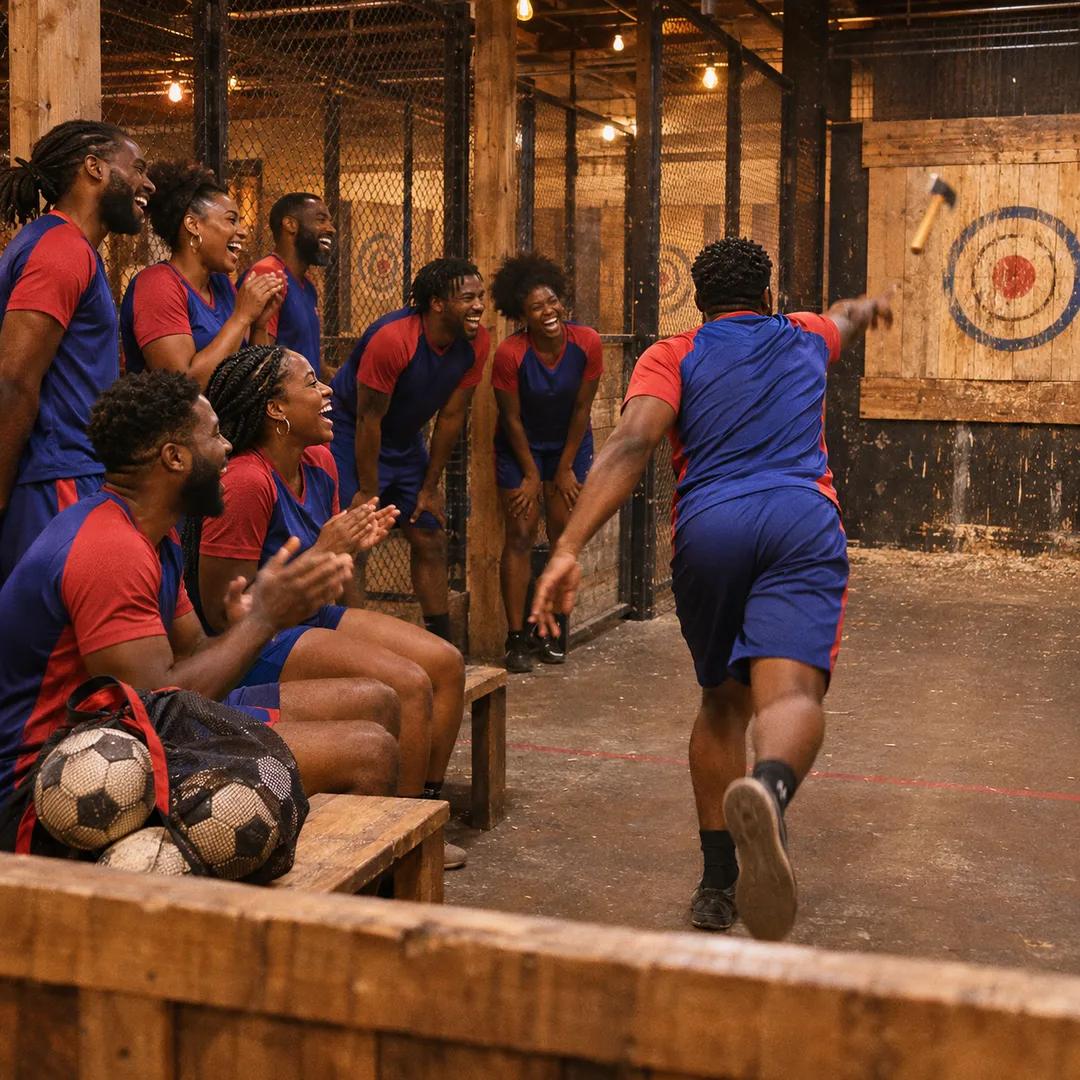
 Little Haiti Axe Throwing Group Night Picker, Soccer Edition
Sports Social
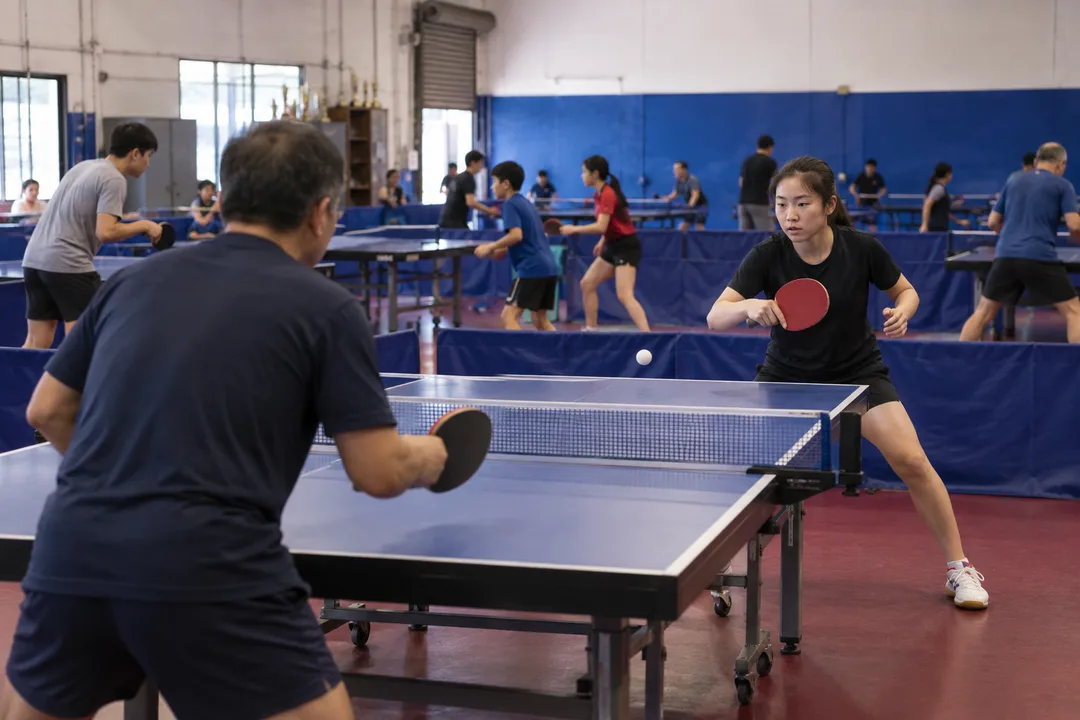
Table Tennis Club Near Me: Miami Table Tennis Club
Miami Table Tennis Club is listed at 1400 NW 82nd Street, Doral, FL 33126. This guide explains how to plan a first practice, keep mixed-level games fair, and turn a Doral table-tennis visit into a reliable Miami-Dade routine.
Miami Table Tennis Club is listed at 1400 NW 82nd Street, Doral, FL 33126, a precise answer for players searching table tennis club near me across Miami-Dade. The first visit should not begin with a long tournament. Start by learning the room's flow, choosing a modest goal, and agreeing how the group will rotate. A clear format makes the club feel accessible even when players arrive with different experience.
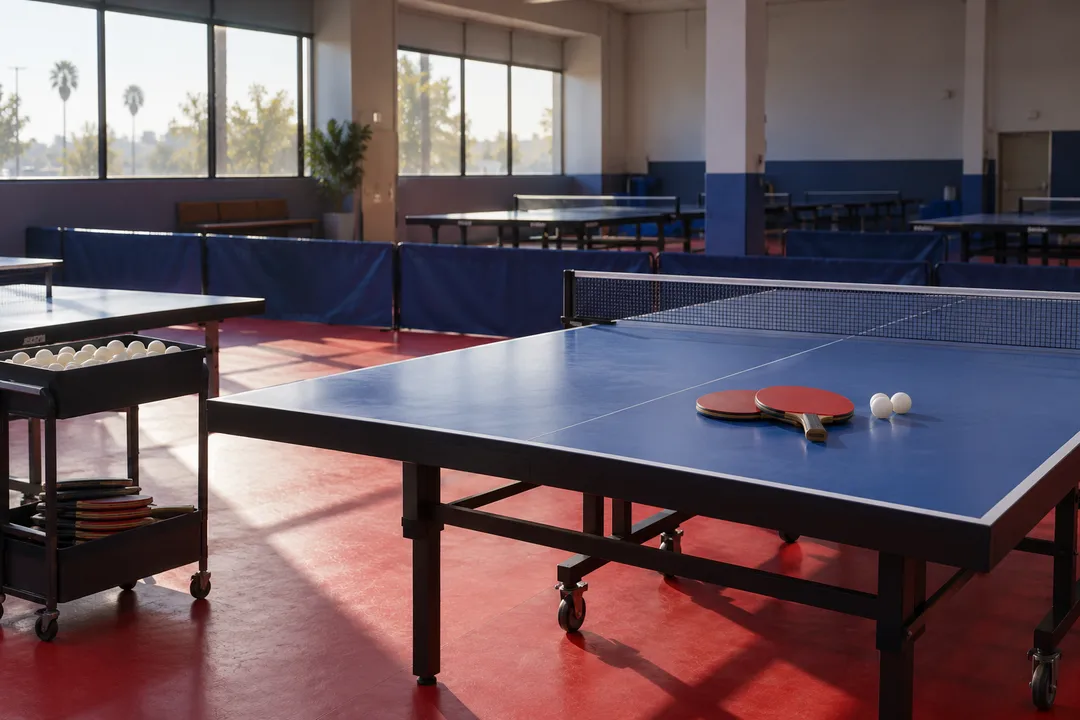
Meet at NW 82nd Street
Send 1400 NW 82nd Street to everyone and set a shared arrival time. Doral traffic can turn a casual plan into scattered arrivals, so give the first person enough margin to handle check-in. Bags should stay away from the active lane and water should have a fixed place. These preparations look minor, but they allow the opening rally to begin without a series of interruptions.
A useful warm-up has three layers: steady forehands, controlled backhands, and one serve pattern. Keep the pace below competition level until everyone has found the bounce. Then play a short game. The sequence gives beginners a readable start and gives experienced players information about what the group can handle. It also turns the first ten minutes into practice rather than dead time.
Use a Purposeful Warm-Up
A dedicated club creates a different social contract from a single recreational table at a bar. Players may be working toward technique, fitness, or a regular league rhythm. Newcomers should say what they are looking for and avoid taking over a table without understanding the schedule. The most useful contribution is a playable ball and a willingness to switch. The club becomes social through repeated fair exchanges.
The must-try format is one drill followed by a doubles game. Choose a target, such as returning to the backhand corner, then let partners change so no one is locked into one level. Keep drinks off the table and use the break for conversation. A game can be serious without becoming tense when the group knows the purpose of each round.
Practical Notes begin with 1400 NW 82nd Street, Doral, FL 33126. Wear court-ready shoes, bring water, and leave time for the drive. Give the reservation details to one person and the queue to another. If a lesson or organized session is happening, follow its sequence instead of building a private ladder beside it. The room is easier to enjoy when the group reads the space before claiming it.
A Club Is More Than a Table
The queue should be visible to everyone. Short games, automatic partner changes, and a next-server rule remove the awkward question of who is waiting. If a strong player is paired with a beginner, use a placement constraint for one game. If the group is evenly matched, let the score matter. Fairness does not mean identical rules. It means each player understands why the format is being used.
After play, keep the Doral route close. Choose a meal or coffee stop where the group can talk without shouting, and avoid promising a second activity far away. If the session expands by twenty minutes, the plan should still work. A table-tennis outing feels generous when the schedule has room for one extra rally and does not punish the group for enjoying it.
Practical Notes
A player can make progress visible by tracking one action: a serve that starts well, a return that clears the net safely, or a recovery step after a wide shot. This is more useful than chasing a different technique every five minutes. Regular practice rewards narrow attention. The next visit can change the target once the first one has become ordinary.
Miami Table Tennis Club suits players who want a steady practice home, coworkers who need an active team outing, and friends who like a little structure with their conversation. It is less suited to a group that wants to watch without playing. The room asks for a paddle in hand, but it does not ask beginners to pretend they already know the culture.
Keep the Queue Visible
Skip a long winner-stays ladder when the same player is winning every game. Use timed turns or rotating doubles instead. Let an advanced player demonstrate one serve, then give the other person space to try it. A club visit should leave the new player with a useful sensation, not only the memory of being unable to return a fast ball.
When a player is late, add them to the next rotation rather than resetting the session. When the group is tired, finish with cooperative returns. When traffic threatens the plan, protect the warm-up and reduce the number of games. These choices keep the activity coherent. A shorter session with a clear purpose is better than a longer one assembled from interruptions.
Build a Doral Route
The Doral address gives Miami Table Tennis Club a strong practical advantage: the group can return to the same place and improve through familiarity. The best first visit ends with a specific next action, such as repeating the serve drill or bringing one new partner. That is how a table tennis club near me result becomes part of a real routine rather than another saved listing.
Meet at 1400 NW 82nd Street, begin with a generous rally, and let the final doubles game be social. Good table manners, a visible queue, and one focused goal are enough to make the room work for a mixed group. The winning point is the one that makes everyone understand how to play again next week.
Best For
Close the NW 82nd Street session by identifying the one pattern worth repeating. A narrow next step makes the club more useful than a long list of techniques.
Miami Table Tennis Club earns a second visit when the queue feels fair and the newest player already knows how to enter the next game.
Final Take
Miami Table Tennis Club is easiest to recommend to a group that values a dependable routine. One player can own the calendar, another can keep the order, and everyone else can arrive knowing what the first game will look like. That division removes unnecessary friction. The result is a session where conversation happens naturally between points, technique improves in small increments, and the group can decide whether to add more competitive play on a later visit.
Ask Karpo for more information.
Keep reading
- Little Haiti Axe Throwing Group Night Picker, Soccer Edition
 Midtown Miami Axe Throwing Group Night Picker for Nurses
 Downtown Miami Axe Throwing Group Night Picker for Visitors