Miami's best sushi doesn't announce itself. The city's serious omakase scene lives behind unmarked doors, through taquerias, and in appointments-only rooms where chefs work eight-seat counters with fish flown in that morning. This isn't the Miami of spicy tuna rolls on Lincoln Road. This is the city where chefs trained in Tokyo are serving nigiri that rivals anything in New York or Los Angeles, if you know where to look.
Karpo tracks which omakase counters have tonight's opening and what the kitchen is featuring this week. No hunting through Instagram stories.

Hiden: through the taqueria, past the neon
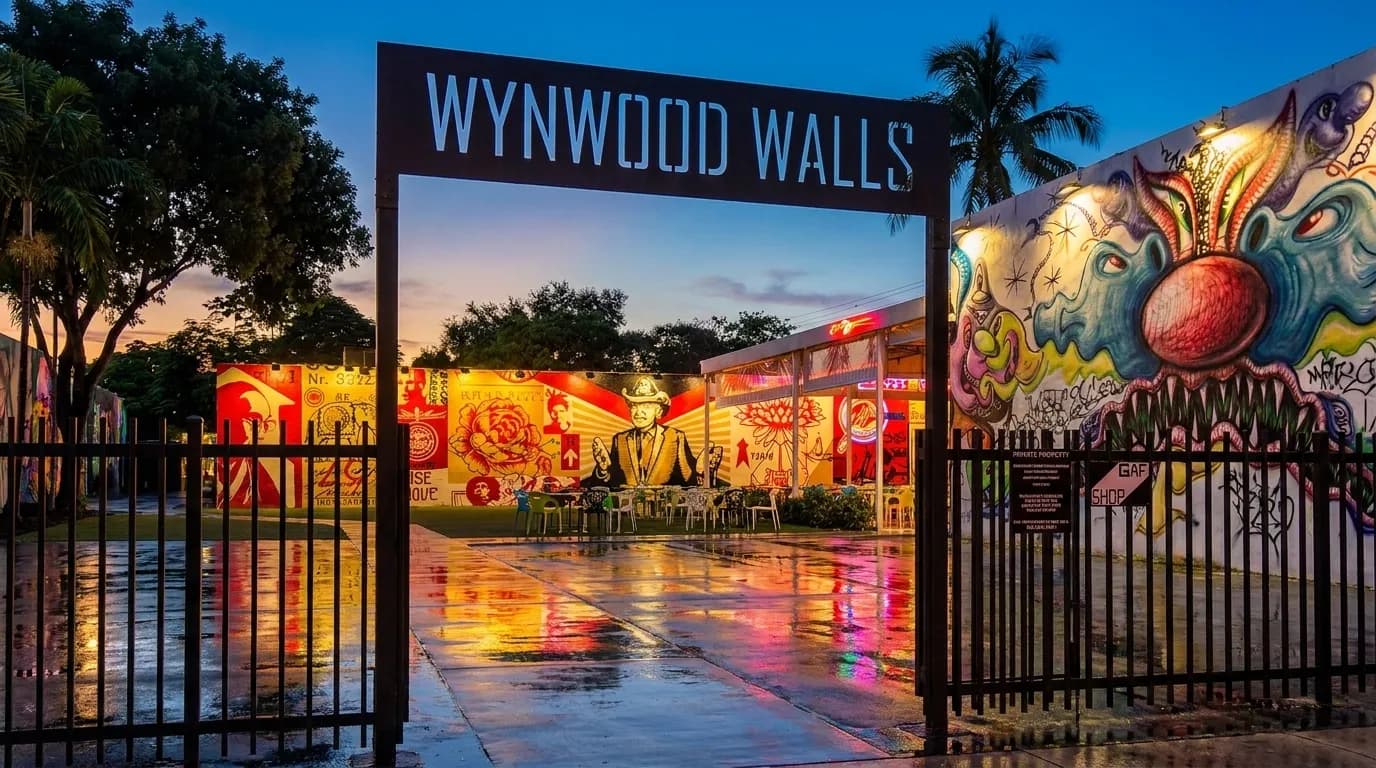
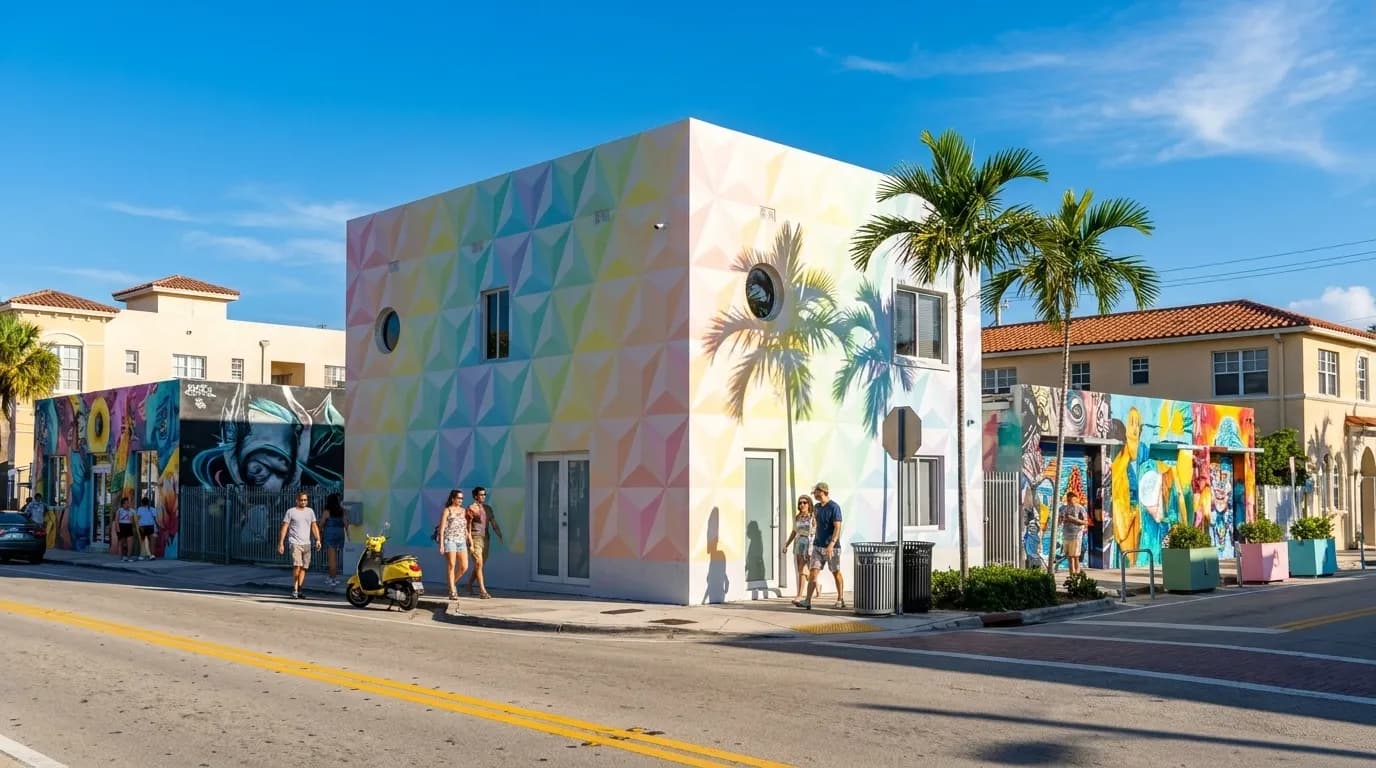
Walk into what looks like a neighborhood taqueria in Wynwood, tell the host you're there for Hiden, and they'll walk you through the kitchen to an unmarked door. Inside: fourteen seats, a cypress counter shipped from Japan, and Chef Mitsuo Endo working a parade of nigiri that changes based on what arrived from Tokyo's Toyosu Market three days prior. The room is dark, minimal, focused entirely on the fish and the chef's hands.
The omakase runs around twenty courses for roughly $150, with an optional sake pairing that's worth it if you don't know Yamagata from Niigata. Standouts shift seasonally—winter brings toro so fatty it dissolves on contact, summer means aji and sayori—but the kohada (gizzard shad) is a constant test of the kitchen's curing skills. Endo works quietly, explaining each piece in a sentence or two, no performance. Go on a weekday if you want to actually hear him. Weekends fill with groups treating it like dinner theater.
Reservations open one month out via Resy and vanish within hours. The trick: check back forty-eight hours before your target date. Cancellations drop then because of the credit card hold policy. Sit at the far right of the counter if you want to watch the rice prep; Endo keeps the hangiri (wooden rice tub) on that side.
Naoe: the invitation you work for
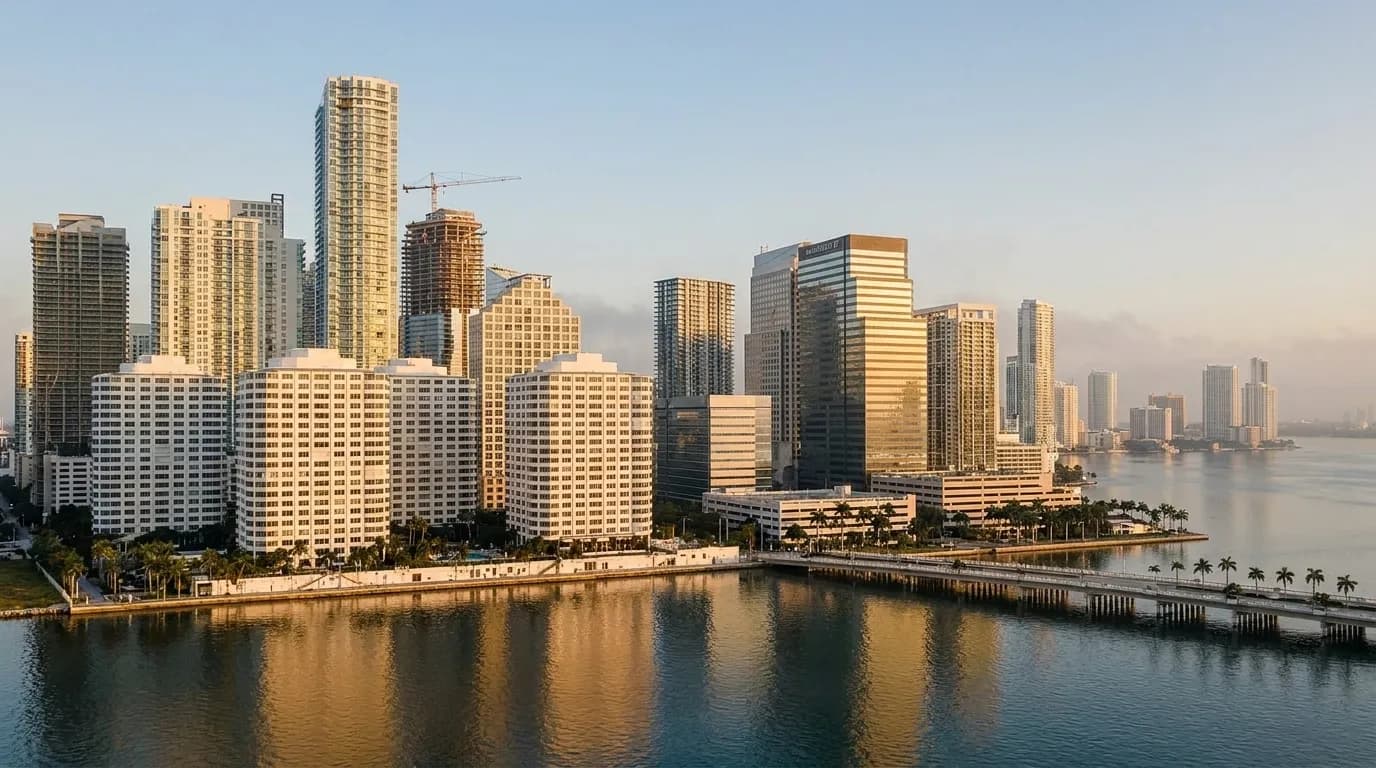
Naoe doesn't take walk-ins. It doesn't have a phone number you can call. It operates by email and reputation in a discreet Brickell Key location that feels more like dining in someone's home than a restaurant. Chef Kevin Cory trained in Osaka and runs a kaiseki-meets-Edomae program that stretches past two hours and thirty courses. This is the omakase you plan a Miami trip around, not the one you stumble into after drinks.
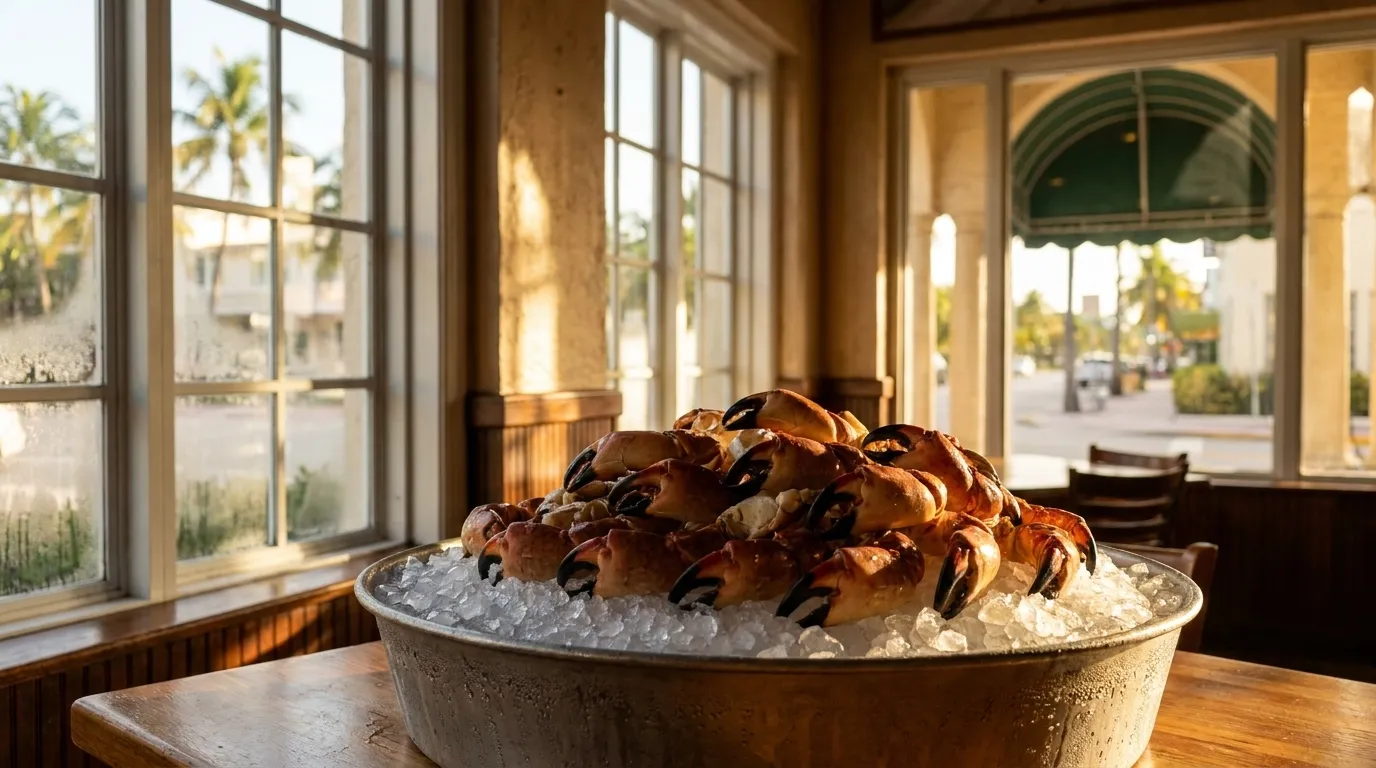
Expect to pay upward of $220 per person before sake, and expect every piece to be a small, perfect argument for why sushi is closer to sculpture than cooking. The menu flows through cooked appetizers, sashimi, nigiri, and a final tamago that's sweet, dense, and somehow lighter than air. Cory sources from Japan, Spain, and local Florida waters—stone crab in season, local snapper when it's right, Japanese uni year-round. The space holds eight. You'll hear every slice of the knife.
Book at least three weeks ahead via email. If you have dietary restrictions beyond "no raw fish," this isn't your room. If you're late, your seat goes to someone on the waitlist. Cory runs one seating per night, and the precision required doesn't allow for schedule chaos. Locals know to request the counter seat closest to the kitchen pass if they want the full narrative.
Wabi Sabi Midtown: walk-ins and wasabi heat
Not every great sushi night requires a month of planning. Wabi Sabi in Midtown takes walk-ins, opens for lunch, and runs an omakase that hovers around $85—roughly half what you'll spend at Hiden or Naoe. The trade-off: you're not getting day-boat fish from Kyushu, and the room is bright, loud, and packed with Midtown regulars who know the happy hour timing.
The value play is the nigiri-focused omakase at the bar. Chef's choice, around twelve pieces, ends with a handroll. The fish is clean, the rice is properly seasoned, and the wasabi has actual heat. Go for lunch on a weekday and you'll get a seat without waiting. Dinner, especially Thursday through Saturday, means putting your name down and circling back in thirty minutes. The spicy tuna crispy rice has a cult following, though purists skip it in favor of more nigiri.
Midtown parking is a nightmare. Walk from the Design District if the weather cooperates, or Uber directly to the restaurant's entrance on North Miami Avenue. If you're ordering omakase, sit at the bar. The tables are fine for rolls and small plates, but you lose the interaction with the chefs, and half the fun here is watching them work through a busy service.
What separates Miami omakase from the coasts
Miami's sushi scene doesn't have the decades-deep history of Los Angeles or New York, but it has something else: chefs who aren't trying to recreate Tokyo or appease a Michelin inspector. The city's Latin influence sneaks into the rice seasoning, the sake selection skews toward brighter, fruitier profiles, and the clientele doesn't tolerate the cathedral silence you get at some New York counters. It's reverent without being stiff.
The fish quality at the top tier—Naoe, Hiden—is identical to what you'd find at Sushi Noz or Hayato. Same suppliers, same overnight flights, same obsessive sourcing. Where Miami diverges is accessibility. Even the most exclusive spot here feels a degree more relaxed than its coastal counterparts, and the city's late dining culture means you can finish omakase at ten and still have the night ahead of you.
When to skip the omakase
If you're looking for fusion rolls, dragon rolls, or anything involving cream cheese, none of these rooms will make you happy. If you want a quick bite before a show or a casual dinner with a group of six, Wabi Sabi can flex, but Hiden and Naoe are non-starters. And if you're not comfortable with the chef deciding your meal—no substitutions, no special requests—save your reservation for someone who is. Omakase means "I'll leave it up to you," and these chefs take that literally.
Practical notes
Hiden and Naoe require reservations weeks in advance; Wabi Sabi Midtown takes walk-ins but expect waits during peak dinner hours. Hiden is easiest to reach in Wynwood; street parking is possible after 8 p.m. or use the paid lot two blocks west. Naoe on Brickell Key is best accessed by rideshare—parking is limited and confusing. Wabi Sabi sits on North Miami Avenue in Midtown; walk from Design District or take the free trolley. Dress code is casual at all three, though Naoe skews slightly more polished. If you're doing omakase, budget two to three hours and don't schedule anything tight afterward. Cancellation policies are strict, especially at Naoe and Hiden—you'll forfeit a deposit if you no-show.
Tags: #miamisushi #omakasemiami #hiddenmiami #naoemiami #wabisabimiami #edomaestyle #sushiomakase #miamidinning #brickellrestaurants #wynwoodfood #midtownmiami #kaiseki #nigirisushi #miamifoodie #omakasecounter
All trademarks are the property of their respective owners.
Ask Karpo first
Next time you're hunting for the omakase counter that actually has availability tonight, ask Karpo. It knows which spots still have bar seats, what the kitchen is highlighting this week, and how to navigate Miami's hidden-door dining scene without the research spiral. Think of it as the friend who always knows where the good fish is.