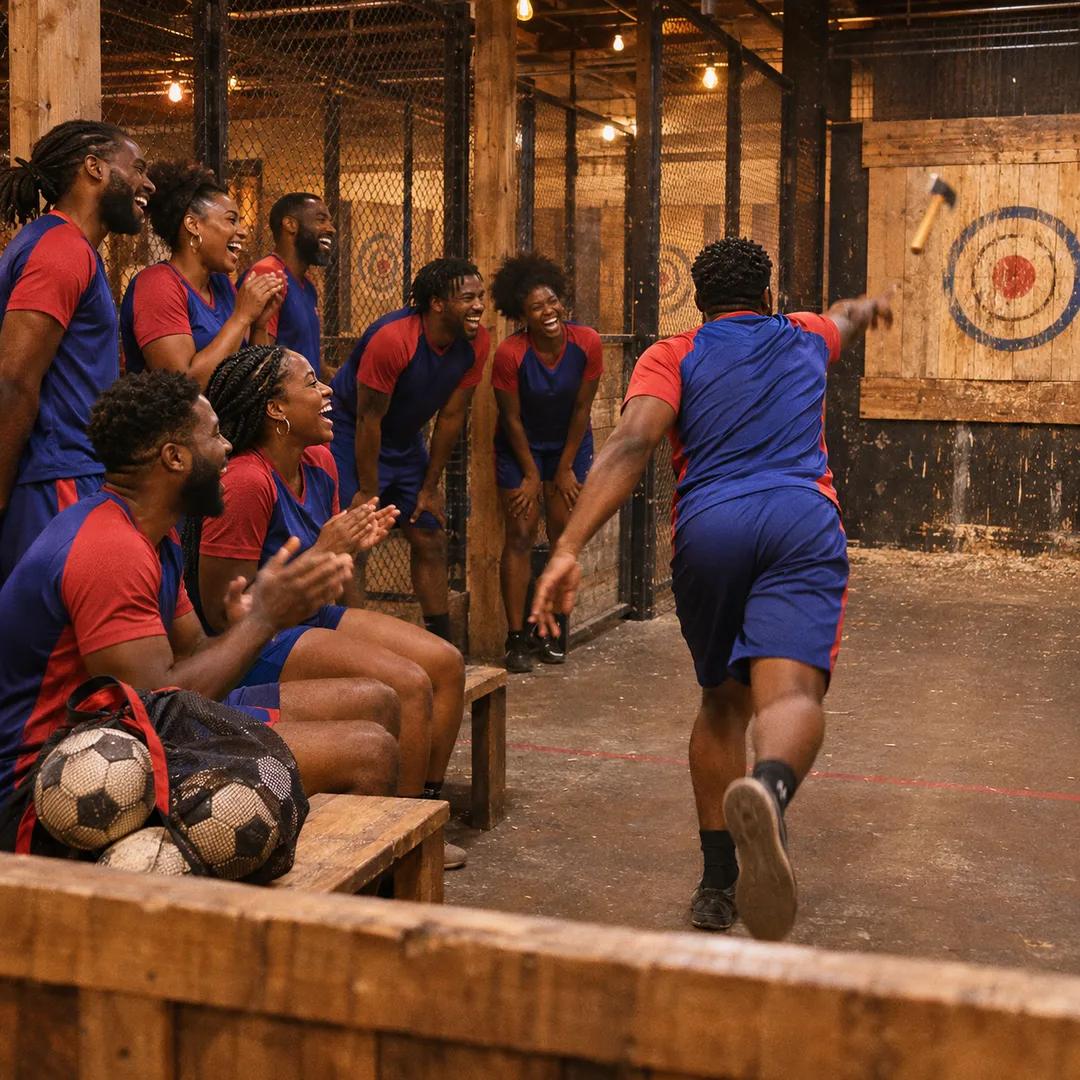
 Little Haiti Axe Throwing Group Night Picker, Soccer Edition
Sports Social
Miami Strength Conditioning Gym After 40: Gentle Start
Starting at a Miami strength conditioning gym after 40 is smart: begin with two coached sessions a week, warm up longer and add weight in small steps.
It is never too late to start lifting. Across Miami, more people in their forties, fifties and sixties are walking into strength conditioning gyms for the first time, often after years of walking, swimming or no regular exercise at all. Strength training helps maintain muscle, supports bone health and makes everyday tasks easier as you age. Starting later does mean adjusting the approach, though. A gentler ramp, longer warm-ups and a welcoming gym environment make the difference between a habit that lasts and one that ends with a sore back.
Start With Two Sessions a Week
Two sessions a week is plenty at the beginning. That gives your muscles, tendons and joints time to adapt between workouts. Many people starting later in life want to do more right away, especially when motivation is high. Resist the urge for the first two months. Steady progress over a year matters far more than a rush of enthusiasm that leads to aches and burnout.
Coached Sessions Are Worth It
A coach makes the early stage safer and more efficient. In the first few weeks, book coached sessions or small group classes designed for beginners. A good coach will assess how you move, adjust exercises around old injuries or stiff joints, and teach you the fundamentals properly. Many strength gyms in Miami offer introductory packages for exactly this reason, and they are a valuable investment.
Warm Up Longer
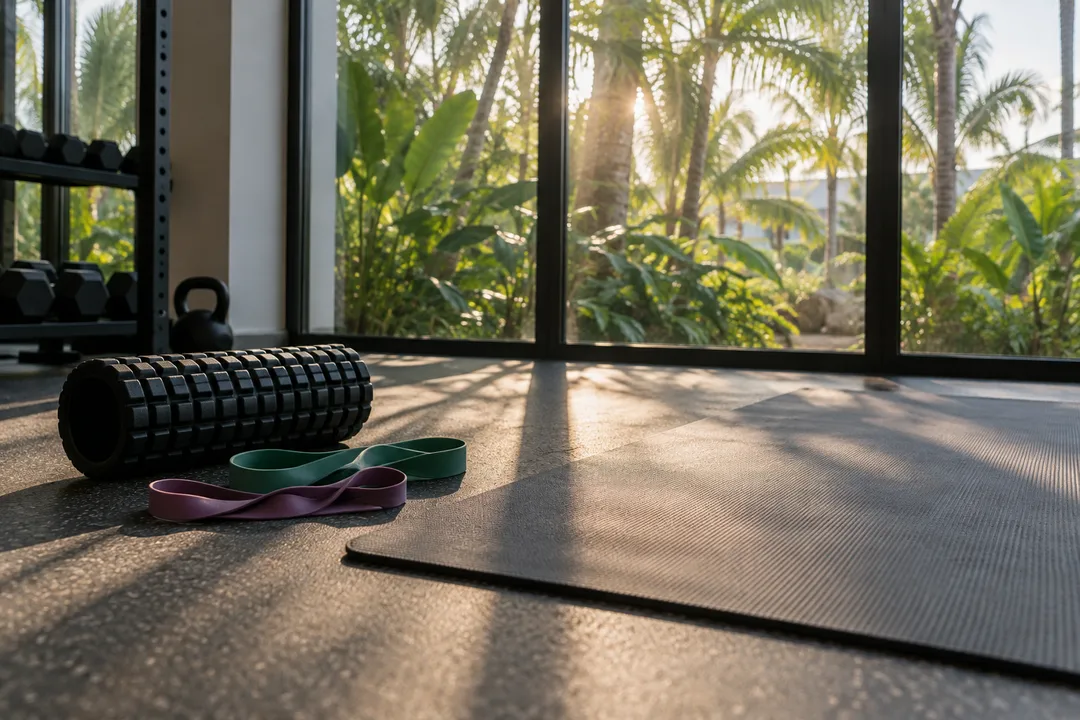
Joints and muscles often take longer to loosen up after forty. Spend ten to fifteen minutes warming up before lifting: a few minutes on a bike or rower, gentle mobility for hips, shoulders and ankles, then light sets of your first exercise. It may feel like a lot, but a thorough warm-up makes the main work feel smoother and reduces the chance of tweaks.
Choose Forgiving Exercises
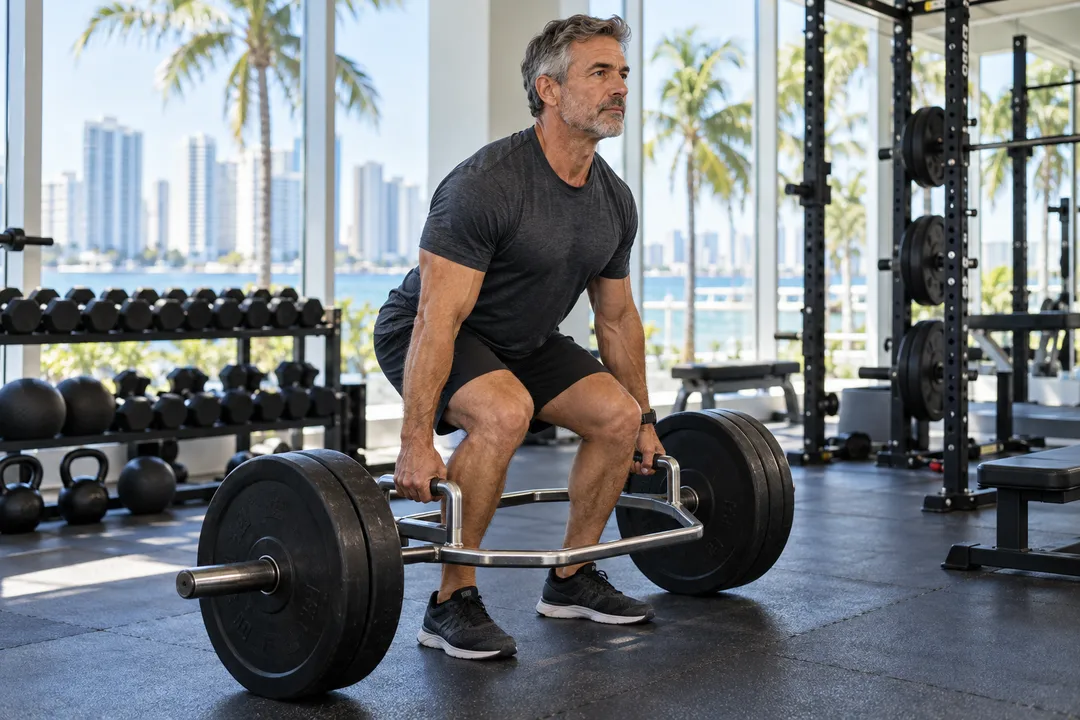
Some exercises are easier on the body when starting out. Trap bar deadlifts are often more comfortable than conventional barbell deadlifts. Goblet squats are a gentle introduction to squatting. Dumbbell presses and rows are forgiving on shoulders. Machines can also be useful for building strength safely. As you gain confidence and strength, barbell versions can be introduced gradually under guidance.
Add Weight in Small Steps
Progress slowly. Add small amounts of weight only when every rep of your last set feels controlled. Some weeks you will not increase at all, and that is fine. Strength gains after forty may be slower than they were at twenty-five, but they are real and meaningful. Track your lifts in a notebook so you can see the steady trend over months.
Balance and Stability Work
Balance becomes more important with age, and strength training can help. Include single-leg exercises like split squats, step-ups and single-leg balance drills. Carries, where you walk while holding weights, improve grip, posture and stability. These movements build confidence for daily life, from climbing stairs to carrying groceries across a parking lot in the Miami sun.
Recovery Takes Longer
Expect to need more recovery time between hard sessions. Sleep well, eat enough protein spread through the day and take rest days seriously. Gentle activity on off days, like walking along the bay, swimming or light cycling, helps you recover without adding stress. If soreness lasts more than a couple of days, ease back on the next session.
Talk to Your Doctor First
If you have heart conditions, high blood pressure, joint replacements or other health concerns, talk to your doctor before starting. They can help you understand any limits. Share that information with your coach as well, so your program can be adjusted. Many people with health conditions train safely and benefit greatly from strength work with the right guidance.
Find a Welcoming Gym
The atmosphere matters, especially when you are new. Visit a few gyms and pay attention to how staff treat beginners and older members. Look for coaches with experience working with adults later in life and classes that include a range of ages. A gym where you feel comfortable is one you will keep returning to.
A Sample Starting Week
On Tuesday, warm up for fifteen minutes, then do goblet squats, dumbbell bench press, cable rows and a short carry. On Friday, warm up again, then do trap bar deadlifts, dumbbell overhead press, lat pulldowns and step-ups. Each session takes about an hour, including the warm-up. On other days, walk, swim or stretch. After two months, consider adding a third session.
What Changes After the First Few Months
After about three months of steady training, most people notice real changes. Stairs feel easier, carrying shopping bags is less tiring and posture improves. Many also sleep better and feel more confident in their bodies. This is a good time to review your program with a coach, add a third weekly session if recovery allows and set new goals, whether that is a heavier deadlift, a first unassisted pull-up or simply feeling strong on long walks.
Keep the warm-up and gradual progress in place even as you get stronger. They are the habits that keep you training for years.
Training With Others Your Age
Training alongside people at a similar stage of life can make the gym feel more welcoming. Some Miami gyms run classes aimed at adults over forty or fifty, and others simply attract a broad mix of ages. Training with peers can build friendships, encourage consistency and remind you that strength is something you can keep building at any age.
Common Worries When Starting Later
Many people starting after forty worry about looking out of place, getting injured or not knowing what to do. These concerns are normal and usually fade within a few weeks. Coaches see beginners of every age, and most regulars are focused on their own training. Starting with coached sessions answers the question of what to do, while a slow progression addresses injury risk. Within a month, the gym usually feels familiar rather than intimidating.
Bring a friend if it helps. Having someone you know beside you on the first few visits can make walking in much easier.
Practical Notes
Start with two sessions a week and book coached sessions early. Warm up for at least ten minutes. Add weight slowly and track your progress. Talk to your doctor if you have health conditions. Choose a gym that welcomes beginners of all ages. The Karpo APP can help you compare Miami strength gyms that offer beginner programs and coached sessions near you.
Ask Karpo for more information.
Keep reading
- Little Haiti Axe Throwing Group Night Picker, Soccer Edition
 Midtown Miami Axe Throwing Group Night Picker for Nurses
 Downtown Miami Axe Throwing Group Night Picker for Visitors