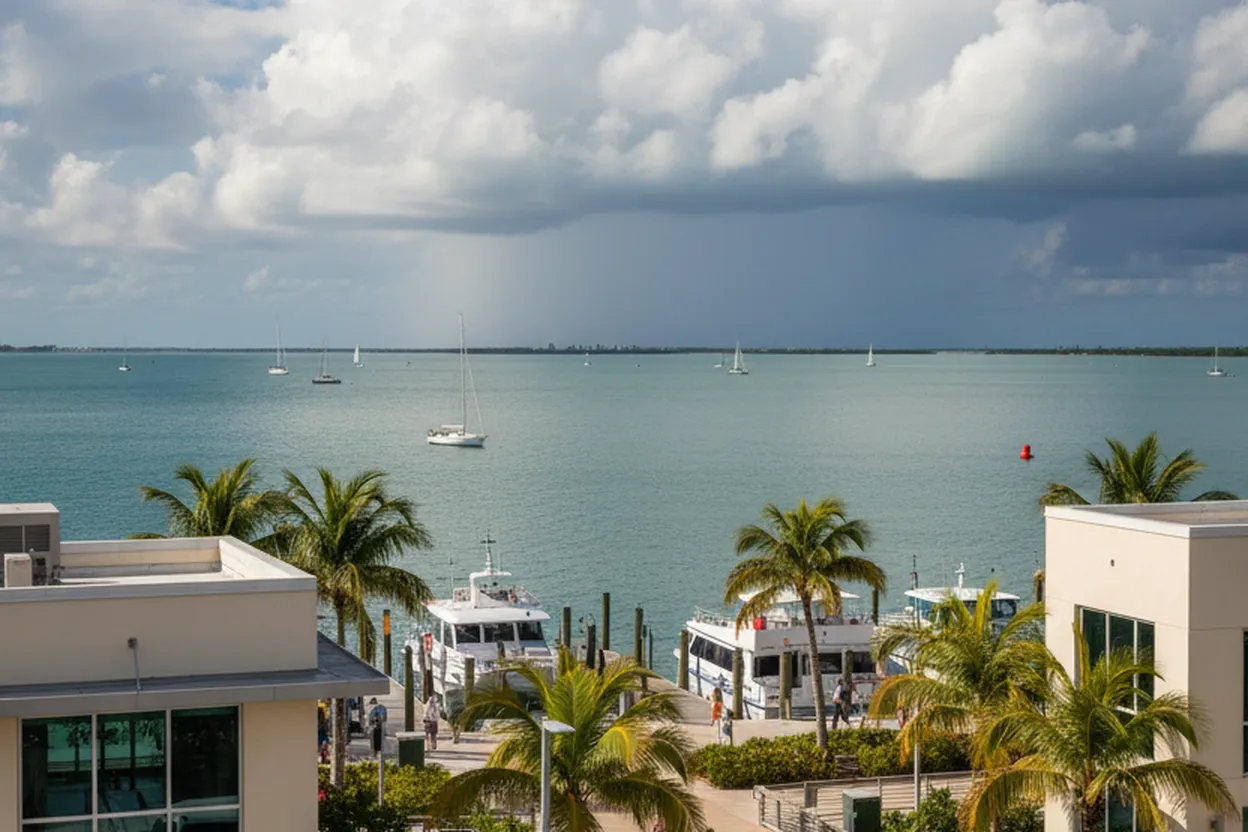
A clear creek county lightning strike may be a Colorado search trend, but it lands differently in Miami, where late-afternoon storms can build fast over Biscayne Bay, the Everglades edge, and downtown’s glass skyline. This guide is for locals and visitors who want the drama of storm light without treating lightning like entertainment. The safest version is not storm chasing; it is choosing public, legal, close-to-shelter viewpoints, watching radar before you leave, and switching plans quickly when thunder, marine warnings, flooding, or park closures change the day. Biscayne National Park anchors the route because its bay-facing edges show Miami’s weather clearly, but every stop needs a real-time check.
Want a safer storm-window plan before you head out? Text Karpo for Miami-specific radar prompts, backup indoor stops, and quick checks for Biscayne Bay, parks, and downtown transit.
Biscayne National Park's Convoy Point Window
Convoy Point is the practical Miami anchor because it gives a broad bay view without requiring a boat, and Biscayne National Park confirms the grounds are open 7 a.m. to 5:30 p.m. daily while the Dante Fascell Visitor Center runs 9 a.m. to 5 p.m. That timing matters for a late-afternoon storm safari: you are aiming for cloud texture and cooling light, not lingering after closure or trying to watch lightning from exposed ground.
The best audience is a small group, a solo photographer, or anyone comfortable with a medium-effort drive to Homestead and a firm turnaround time. Accessibility is stronger near the visitor center, with ramp and elevator access, accessible restrooms, and sections of boardwalk, though rain can leave shallow puddles on natural trail portions. Failure mode: thunder starts while you are outside. NOAA's guidance is simple: move into a substantial building or hard-topped vehicle.
Dante Fascell Visitor Center Rain Reset
Use the visitor center as the reset point, not as an afterthought. If clouds stack over the bay before you have settled in, the exhibits, films, restrooms, bookstore area, and ranger desk make the visit worthwhile while you wait for conditions to clear. Biscayne says films are available on demand and include open captioning, with audio enhancement headphones available by request, which makes this a practical backup for mixed-accessibility groups.
The tradeoff is that the visitor center closes at 5 p.m., so it is not an evening shelter strategy. If your plan depends on sunset color, verify the day's NPS alerts, then choose a nearby dinner or indoor stop instead of standing around a dark parking area. For friends arriving separately, set a meeting rule before cell service weakens: if thunder is heard, everyone returns to vehicles first, then texts once safely inside.
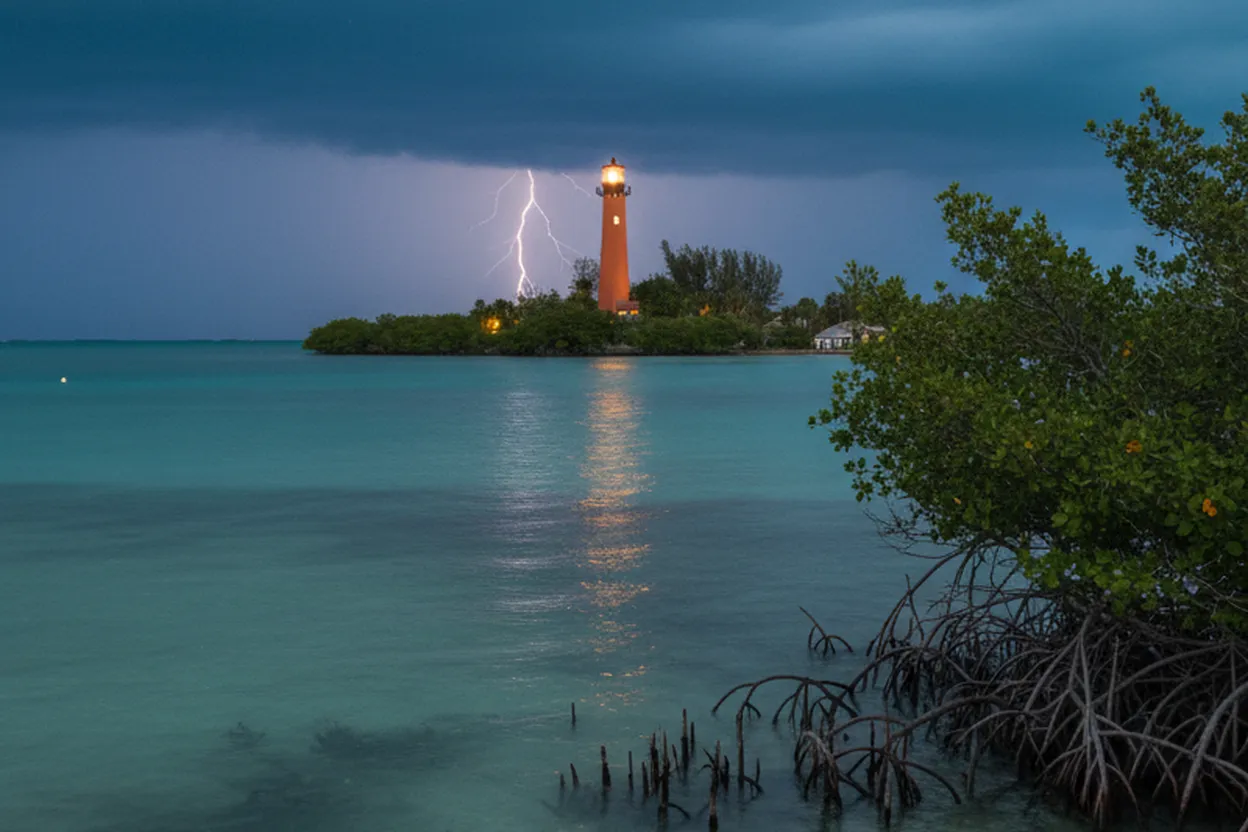
Matheson Hammock Park's Bay Edge
Matheson Hammock Park is useful when you want a Miami-side alternative with bay exposure, restrooms, marina context, and easier access from Coral Gables or South Miami. Miami-Dade lists the park at 5400 SW 96th Street, with hours from sunrise to sunset and office hours from 8 a.m. to 5 p.m. Parking and marina fees are posted by the county, but treat them as verify-before-payment details because fee pages can change.
This is better for a short look than a long stakeout. The atoll pool and shoreline can feel calm after rain, but open water, fishing areas, trees, and wet pavement are poor choices once thunder is in range. Pets are not allowed in Matheson, and West Matheson is under a county-posted temporary closure tied to restoration work expected through fall 2026, so do not improvise into closed natural areas for a view.
Downtown Metromover Shelter Loop
When the storm view you want is skyline light rather than open-water weather, Metromover can make a safer downtown loop because stations are close to buildings and the system is free. Miami-Dade's current Metromover page lists service from 5:30 a.m. to 10 p.m. daily and warns of upgrade-related changes, including modified Inner Loop operations and specific delayed starts on some Saturdays. Check that page before relying on it.
The pacing here is observational: ride between Brickell, Bayfront, and Omni-area stops, step out only when conditions are calm, then use nearby interiors if thunder returns. It works for solo travelers who do not want to drive wet streets at dusk, but it fails if elevators are out, platforms are crowded, or rain bands intensify. Anyone with mobility needs should check Miami-Dade's elevator and escalator status before leaving.
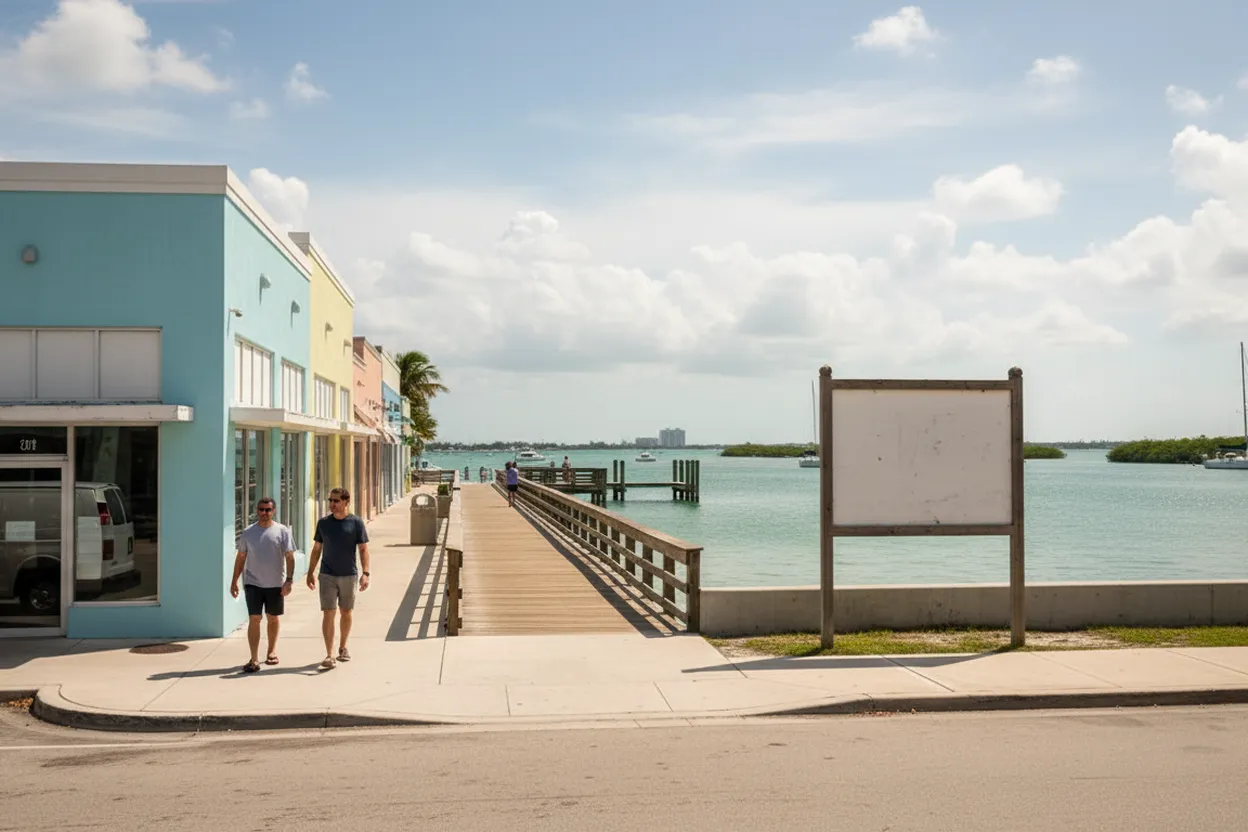
Boca Chita Key Boat Decision
Boca Chita Key is visually tempting because the lighthouse and open horizon photograph well, but it is not the default storm safari. NPS notes the keys are only accessible by boat, and Biscayne boating pages emphasize heavy boating traffic, safe speeds, proper lookout, lifejackets, navigation charts, and VHF Channel 16 for emergencies. Those requirements become more serious when storms are building over Biscayne Bay.
Choose a boat-based plan only with a licensed operator or a well-prepared private vessel, a conservative weather window, and a clear return trigger. The moment thunder is possible, the photo is over; exposed docks, water, and metal rails are the wrong place to negotiate with weather. Boca Chita also has limits: public access to the lighthouse interior depends on staff or authorized programs, and there is no drinking water on the island.
NOAA Thunder Rule for Miami Watchers
The central safety rule is not local folklore. The National Weather Service says there is no safe place outside when thunderstorms are in the area, and that hearing thunder means you are likely within striking distance. For Miami, where storms can form quickly over warm water and wet pavement, that means your observation window closes at the first thunder, not when rain becomes heavy or lightning looks close.
Build the day around that rule. Check the NWS Miami forecast, radar, marine conditions if you are near Biscayne Bay, and any park alert before leaving, then keep the plan reversible. Bring water, a charged phone, and a downloaded park map because Biscayne notes cell coverage can be unreliable in and around the park. The safer safari is cloud structure, rain curtains, smell of mangroves, and post-storm color, not exposed lightning watching.
Your Last Check From the Parking Lot
Before stepping away from the car, run one last verification: current NWS alerts, radar motion, park or county closure notices, transit status if using Metromover, and sunset timing for any park that closes at dusk. If one item is uncertain, downgrade the plan to an indoor stop or a drive-by view from legal parking. Do not use beaches, boat ramps, bridges, seawalls, mangrove edges, or empty fields as lightning shelters.
The final decision is simple enough to make with friends or alone: if thunder is audible, go indoors or into a hard-topped vehicle; if official pages show closure, choose another venue; if transit is disrupted, avoid getting stranded between cells. After the storm, verify roads are passable and paths are not flooded before walking. The best Miami storm safari ends with a checked source, a dry exit, and no reason to rush.
Tags: #Miami #BiscayneNationalPark #StormWatching #LightningSafety #HiddenGems #OddFinds #WeatherAware #BiscayneBay #MathesonHammock #Metromover #OutdoorSafety #AskKarpo #BeforeYouGo #MiamiGuide
Sources consulted: Source 1: weather.gov · Source 2: nps.gov · Source 3: nps.gov · Source 4: nps.gov · Source 5: miamidade.gov · Source 6: miamidade.gov
All trademarks are the property of their respective owners.
Ask Karpo first
Tell Karpo your date, group size, budget, and starting point. We’ll check current access, timing, transit, and the cleanest Miami plan for Biscayne National Park before you head out.


