 Wynwood Mofongo Dinner Picker: Arts District Evening Plates
Restaurants
Little Havana Steaming Broth Comfort Eats After Domino Park
Little Havana steaming broth comfort eats for a cool evening: watch dominoes on Calle Ocho, then pick ajiaco, caldo gallego, or a Central American sopa.
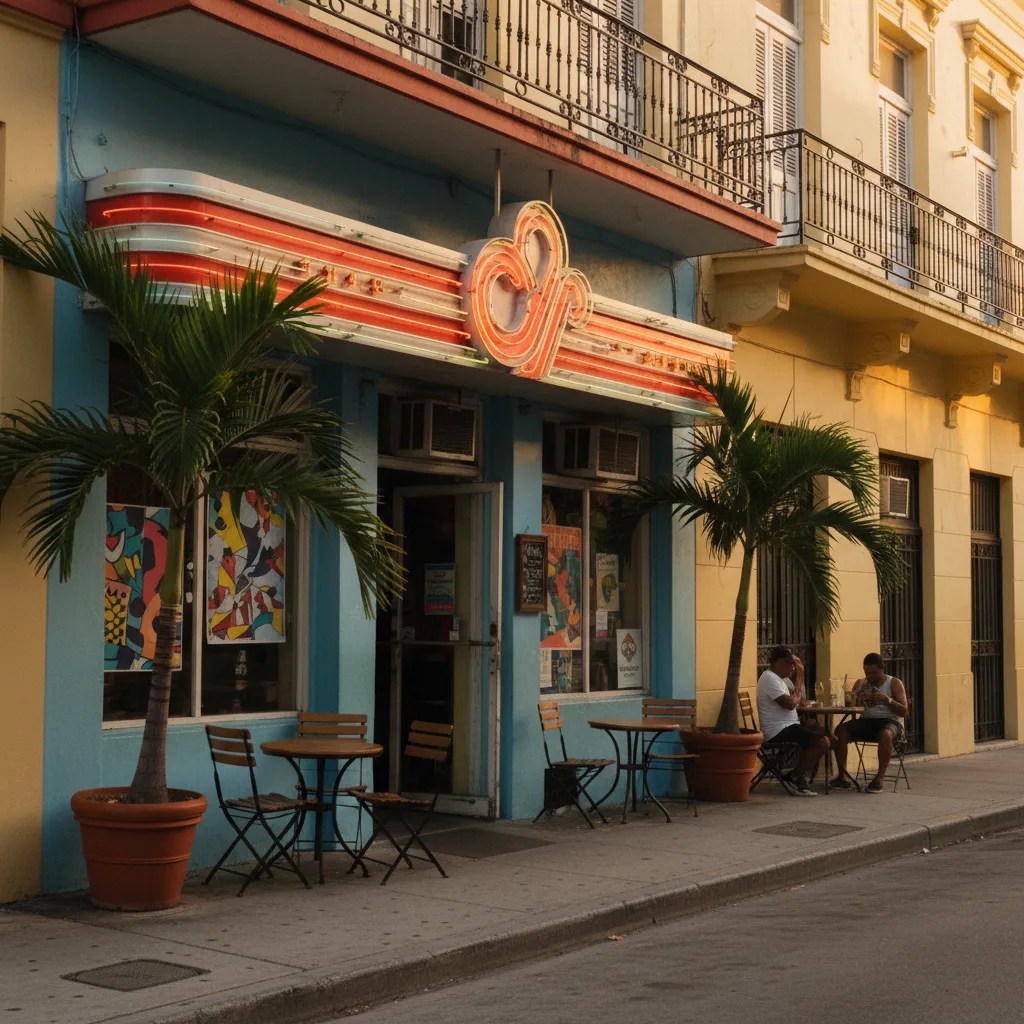
Little Havana does not get many cold nights, so when a winter front pushes the evening air down toward the fifties, the neighborhood notices. Jackets come out at the domino tables, the coffee windows get busier, and kitchens along Calle Ocho start ladling heavier pots. That is the right time for steaming broth comfort eats in Little Havana: an hour of people-watching on SW 8th Street, then a bowl built for the rare chilly night.
Begin With the Domino Tables
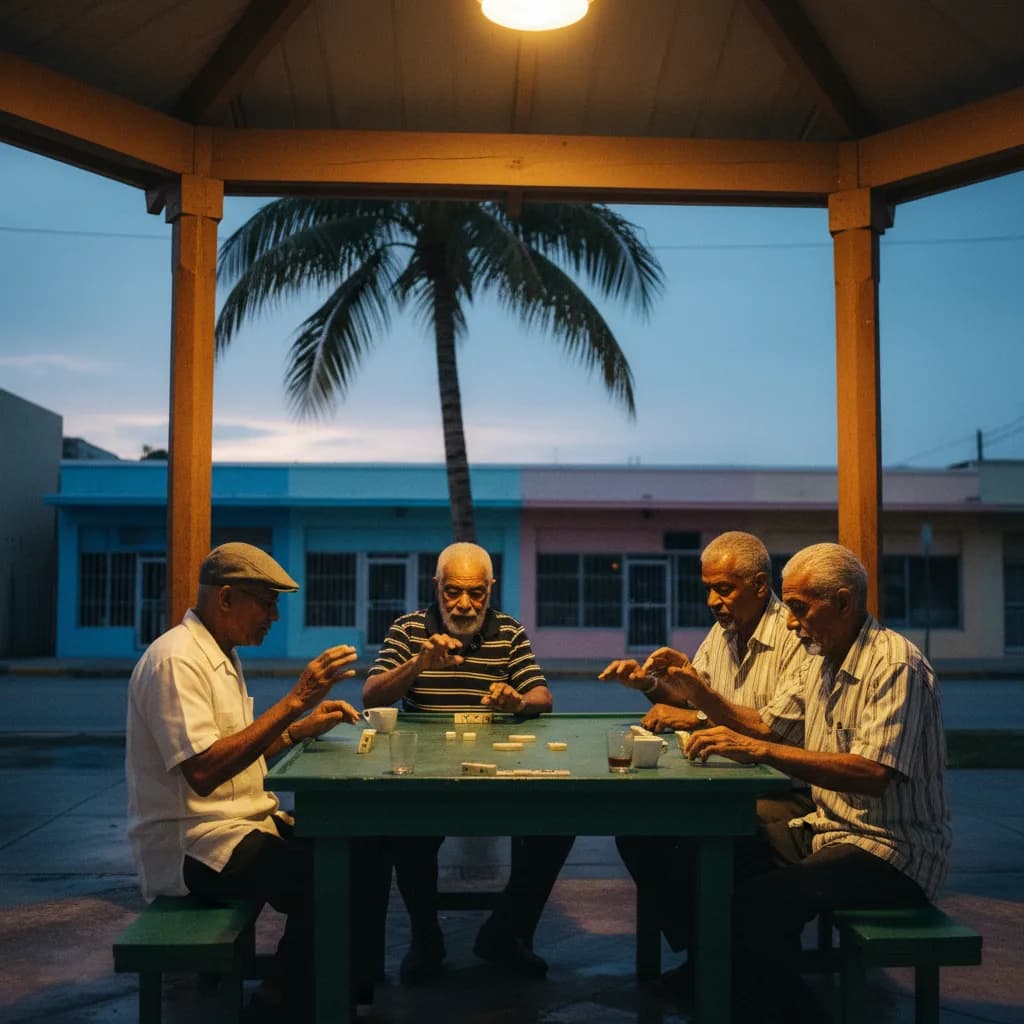
Maximo Gomez Park, which everyone simply calls Domino Park, is the social anchor of the strip. Under its covered pavilion, older regulars play long matches, slapping tiles onto the tables and arguing politics between hands. The park is named for the Dominican-born general who led Cuban forces in the wars of independence, and the murals and mosaics on its walls make the history visible.
Visitors are welcome to watch from the edge, but this is a working game, not a show. Stand back, keep your phone low, and let the rhythm of the room set your pace. On a cool evening the players wear windbreakers over guayaberas, and the conversation drifts toward who is cooking soup at home that week. It is the most natural possible introduction to what you are about to eat.
A Cafecito Before the Bowl
Walk-up coffee windows, the ventanitas, line Calle Ocho, and they are part of how the neighborhood keeps time. A colada arrives as a small styrofoam cup of sweet, dark espresso with a stack of thimble-sized cups meant for sharing. Order one for a group, pass the cups around, and you will understand why so many local conversations happen standing on the sidewalk.
A small hit of coffee also sharpens the appetite. Cuban coffee is strong and sugared at the brew, so take a single shot rather than a whole cup if you plan to eat a large bowl afterward. That small restraint keeps the rest of the evening comfortable.
The Cuban Pot: Ajiaco and Caldo Gallego
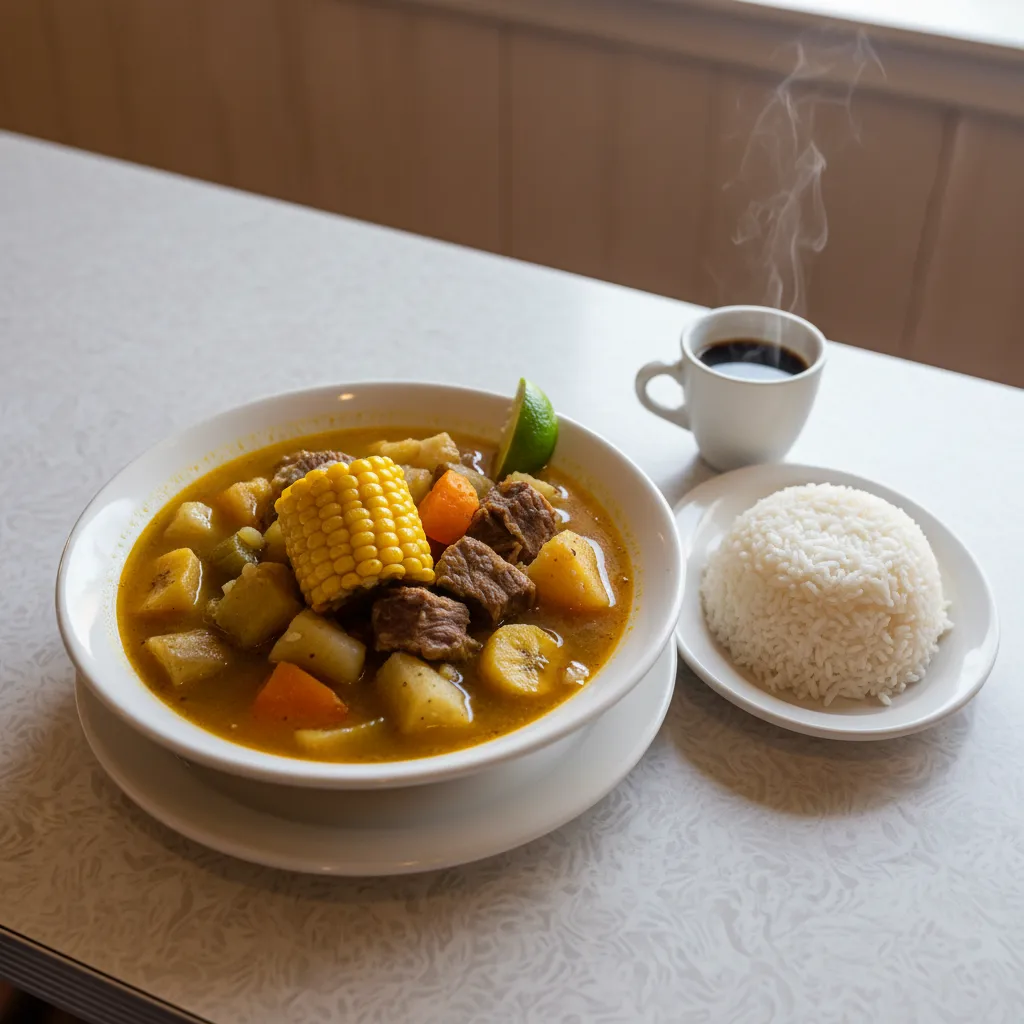
Ajiaco is often called the national dish of Cuba, and it is the bowl to seek out first. It is a slow stew of beef or pork with corn on the cob, yuca, malanga, boniato, and plantain, everything simmered until the starches thicken the broth. Cuban writers have long used it as a metaphor for the island itself, a pot where many ingredients from many places become one thing.
Caldo gallego is the second Cuban-Miami classic, a white bean broth with collard or turnip greens, potato, and chorizo, carried to Cuba by Galician immigrants and then north to Miami. It is lighter than ajiaco and smokier. If you are torn between them, here is a simple judgment: choose ajiaco when you are hungry and the wind is up, and choose caldo gallego when you plan to keep walking afterward.
Central American Bowls on the Same Street
Little Havana is no longer only Cuban. Families from Nicaragua, Honduras, Guatemala, and El Salvador have shaped the neighborhood for decades, and their kitchens bring a second set of broths to Calle Ocho and the side streets off Flagler. Nicaraguan sopa de mondongo, a tripe soup with vegetables and a squeeze of sour orange, is a weekend tradition in many homes.
Honduran sopa de caracol, a conch soup enriched with coconut milk, is another bowl worth knowing, and Salvadoran sopa de res arrives with whole chunks of corn, cabbage, and squash in a clear beef broth. These bowls tend to be generous and built for sharing, so ordering one per two people and adding a side of rice often makes more sense than ordering for everyone.
How to Order Without Fuss
Many counters along Calle Ocho run in Spanish first, and staff are patient with visitors who try. Learning a few words helps: sopa means soup, caldo means broth, and pedir para llevar means ordering to go. Pointing at a neighbor's bowl and asking what it is works just as well, and it usually starts a friendly exchange.
Soups are often listed as daily specials rather than fixed menu items, which means the ajiaco might be a Saturday dish while the caldo gallego appears midweek. Ask what the soup of the day is before deciding. Bread or white rice is the standard companion, and a squeeze of lime brightens almost every broth on the strip.
Walk It Off Along the Cuban Memorial Boulevard
After eating, cross to the Cuban Memorial Boulevard on SW 13th Avenue, a landscaped median lined with monuments to Cuban independence heroes and to the 1961 Bay of Pigs veterans. A ceiba tree there is treated as sacred by some practitioners of Santeria, and you may notice small offerings left at its roots. Walk quietly and do not touch anything placed at the base.
Back on Calle Ocho, look down for the Calle Ocho Walk of Fame, a row of pink stars in the sidewalk honoring Latin artists such as Celia Cruz and Gloria Estefan. The stars run in a few short stretches near the park. Combined with the walk to the memorial, the loop takes long enough to settle a big bowl without feeling like exercise.
If the Night Turns Loud or Wet
On the last Friday of most months, Viernes Culturales fills Calle Ocho with music, art stalls, and dancing, and the soup counters near the park get crowded. If you want a calm meal on those nights, eat a few blocks east or west of the main stretch, where the same broths are served with shorter waits.
If rain sweeps in, skip the memorial walk and stay near the covered domino pavilion before heading straight to your chosen counter. Little Havana sits a short drive or bus ride from Brickell and downtown Miami, so it works well for a spontaneous cold-night dinner without a long trip home.
Plan Your Little Havana Soup Night With Karpo
The hardest part of a cold night on Calle Ocho is choosing between so many pots. Tell Karpo what you want, whether that is a thick Cuban ajiaco, a light caldo gallego, or a Central American seafood bowl, along with your group size and how far you want to walk.
Karpo returns a short list of counters and kitchens that fit, compares them side by side, and lets you save the options for the evening. Then you can spend the time where it belongs, watching the dominoes, sharing the colada, and waiting for that first spoonful of steaming broth.
Ask Karpo for more information.
Keep reading
- Wynwood Mofongo Dinner Picker: Arts District Evening Plates
 Allapattah Mofongo Dinner Picker: Dominican Heritage Plates
 Little Havana Mofongo Dinner Picker: Calle Ocho Sunset Bowls