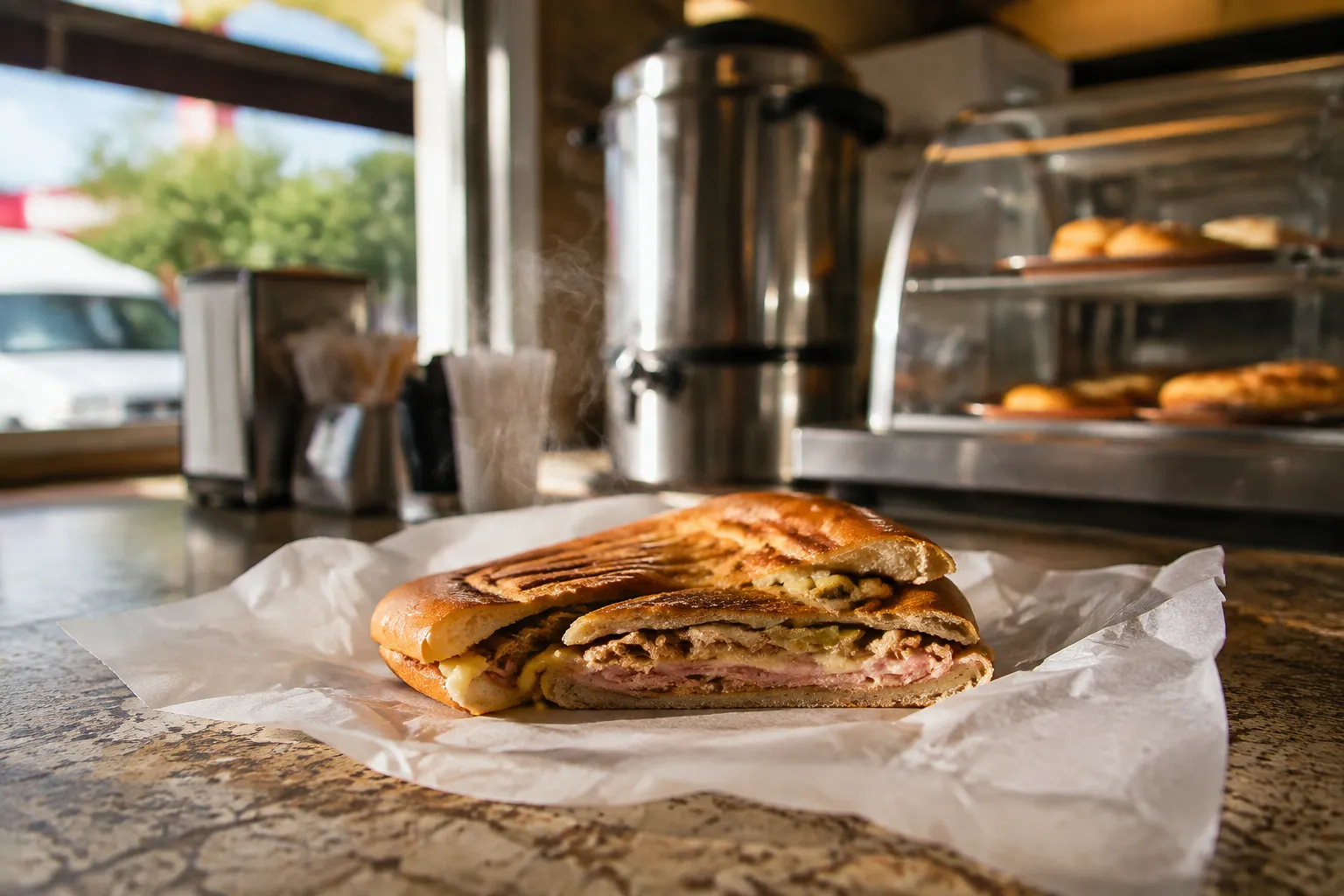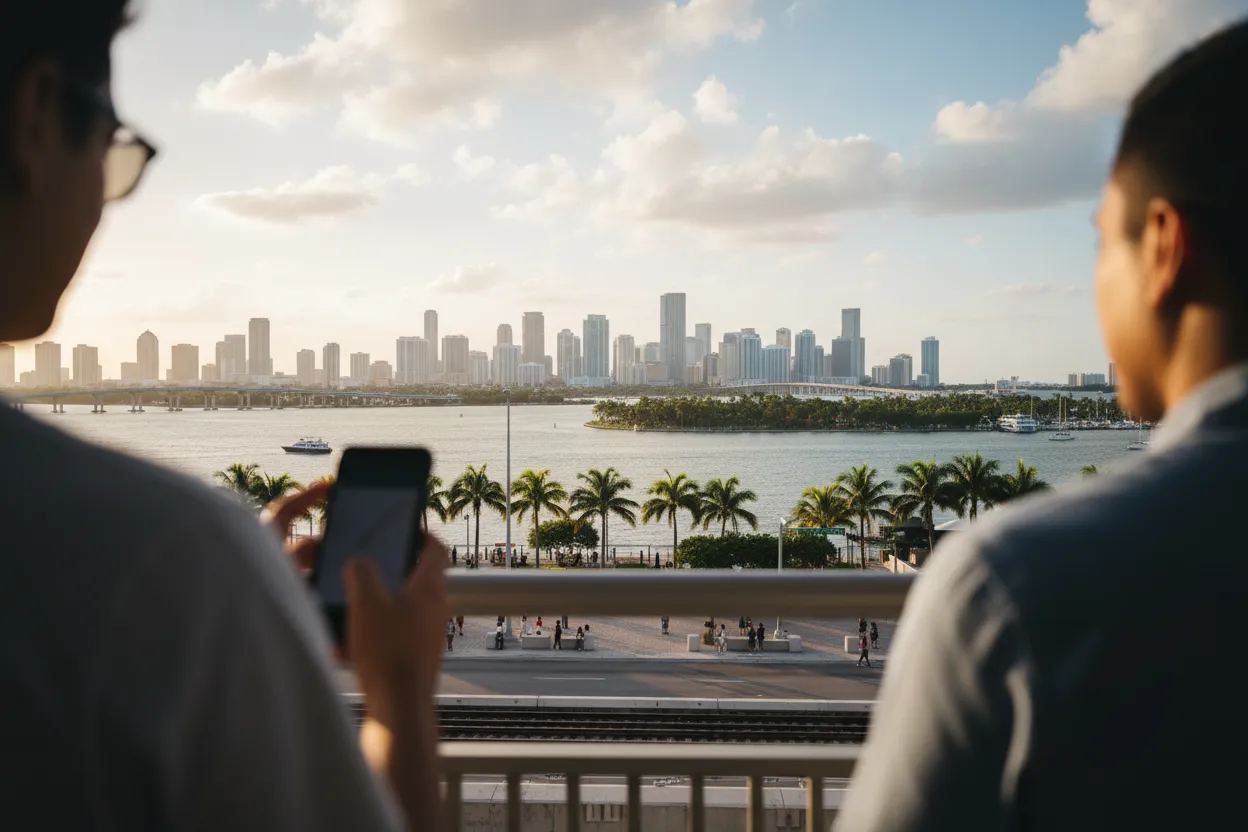
Miami Spice is one of the few summer dining moments in Miami that can turn a regular weeknight into a plan: a three-course meal, a restaurant you have been meaning to try, and a reason to meet up before fall gets busy. The official Greater Miami & Miami Beach visitor site describes Miami Spice as running August through September, with specially priced three-course meals at top eateries for lunch, brunch, and dinner. That sounds simple, but choosing well takes a little work. Miami Spice restaurants can vary by meal period, neighborhood, menu value, and booking setup, so the smartest move is to treat every option as a lead to verify, not a promise.
Want a quick second opinion before you book? Text Karpo with the restaurant name, neighborhood, meal time, and craving, and ask what to verify before you commit.

Choose The Meal Job First
Start with the job of the meal, not the restaurant name. Are you trying to make a date feel intentional, find a parent-friendly dinner, stretch a Design District lunch, or turn a South Beach night into something more organized than wandering Collins Avenue hungry? Miami Spice works best when the prix fixe format solves a specific problem: fewer ordering decisions, a built-in structure, and a reason to try a place without building the whole night around à la carte guessing.
The published Miami Spice examples show why meal period matters. Bouchon Bistro is described with both lunch and dinner options, with the guide favoring dinner because it includes more dessert options and dinner entrees such as escargot with puff pastry, gnocchi, trout almandine, and steak frites. Michael’s Genuine is noted for lunch and dinner, with lunch framed as a Design District power lunch option. Before going, verify the current Miami Spice menu, meal period, days offered, price, taxes, gratuity, add-ons, and whether brunch is actually available at that restaurant.
Use Neighborhood Fit As The Shortcut
Miami is too spread out to choose dinner like every neighborhood is interchangeable. A good Miami Spice plan should match where people already are, where they can realistically get to, and what they want to do after. Downtown can work for a tighter city-night plan, Coconut Grove for a more polished special-occasion feel, Coral Gables for parent dinners or date nights, Wynwood for birthdays and group energy, and South Beach when the night is already pointed toward Miami Beach.
The restaurant examples support that kind of filtering. Tâm Tâm is listed Downtown, Double Luck on the Upper East Side, Ariete in Coconut Grove, Cotoa in North Miami, Casa MX and Bouchon Bistro in the Coral Gables area, Michael’s Genuine in the Design District, Aviv in South Beach, and Uchi Miami in Wynwood. Do not assume the neighborhood label solves the whole trip. Check the restaurant address, parking or transit plan, weather, and any Miami-Dade Transit rider alerts, service updates, trip planner results, or real-time tracking before you leave.
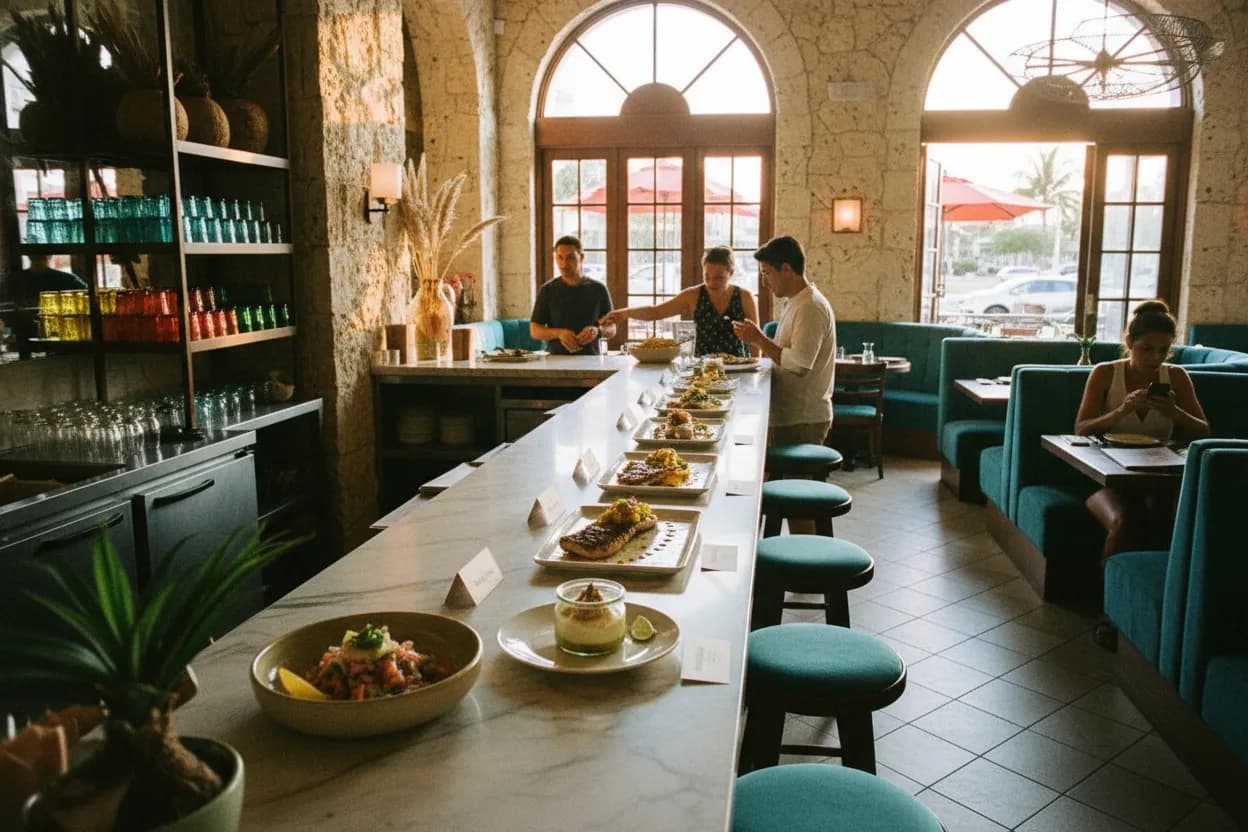
Separate Brand Search From Local Proof
A famous name can help you narrow the field, but it should not end the decision. Miami Spice menus are not automatically the best expression of a restaurant. The Infatuation’s Miami guide is blunt on this point, saying not all Miami Spice menus are impressive and that some feature low-value menu items that feel like an afterthought. That is useful skepticism for anyone searching Miami Spice restaurants and trying to separate a strong seasonal menu from a logo you simply recognize.
Look for local proof inside the actual menu. Tâm Tâm’s example is highlighted because favorite dishes such as lotus root salad and lamb wrap appear, and every table ordering the Spice menu is described as getting wings in that published guide. Double Luck is noted for items including crab leg rangoons, orange chicken, and tea-smoked duck buns. Casa MX is described as starting dinner with chips and guacamole and allowing two appetizers and two entrees because dishes are smaller. Verify that those exact items, portions, inclusions, and any complimentary elements still appear on the restaurant’s official current menu before booking.
Build A Backup That Solves The Same Craving
A backup plan is not a downgrade if it solves the same craving. If your first choice is Vietnamese, your backup might be another bold, shareable dinner rather than another restaurant in the same neighborhood. If the goal is a polished date night, a French, Mexican, or Coconut Grove option might work better than forcing a hard-to-book table. If the group wants a birthday dinner, keep the focus on energy, seating comfort, and menu flexibility, not just the first restaurant someone saw on social media.
Use cuisine and occasion as your backup map. The examples include Vietnamese, Chinese, American, Ecuadorian, Mexican, French, Israeli, and Japanese options across Miami. Cotoa is described with Ecuadorian dishes such as goat empanada, grilled fish with tamarind vinaigrette, and a hornado-style smoked pork tenderloin option. Aviv is framed as a South Beach choice with hummus options, short rib, chicken schnitzel, and smoky eggplant muhammara. Uchi Miami is described as having a diverse menu with sides included in each course. Confirm the current menu and whether substitutions, dietary needs, or upcharges apply.
Check The Details That Change Fast
This is where many Miami Spice plans get sloppy. A seasonal dining guide can tell you what looks promising, but it cannot freeze a restaurant’s live operations. Prices, available days, reservation inventory, menu items, upcharges, seating, service charges, and sold-out time slots can change. The official visitor site confirms the broad seasonal window and three-course deal format, but the restaurant’s own page or booking platform should be your final stop before you go.
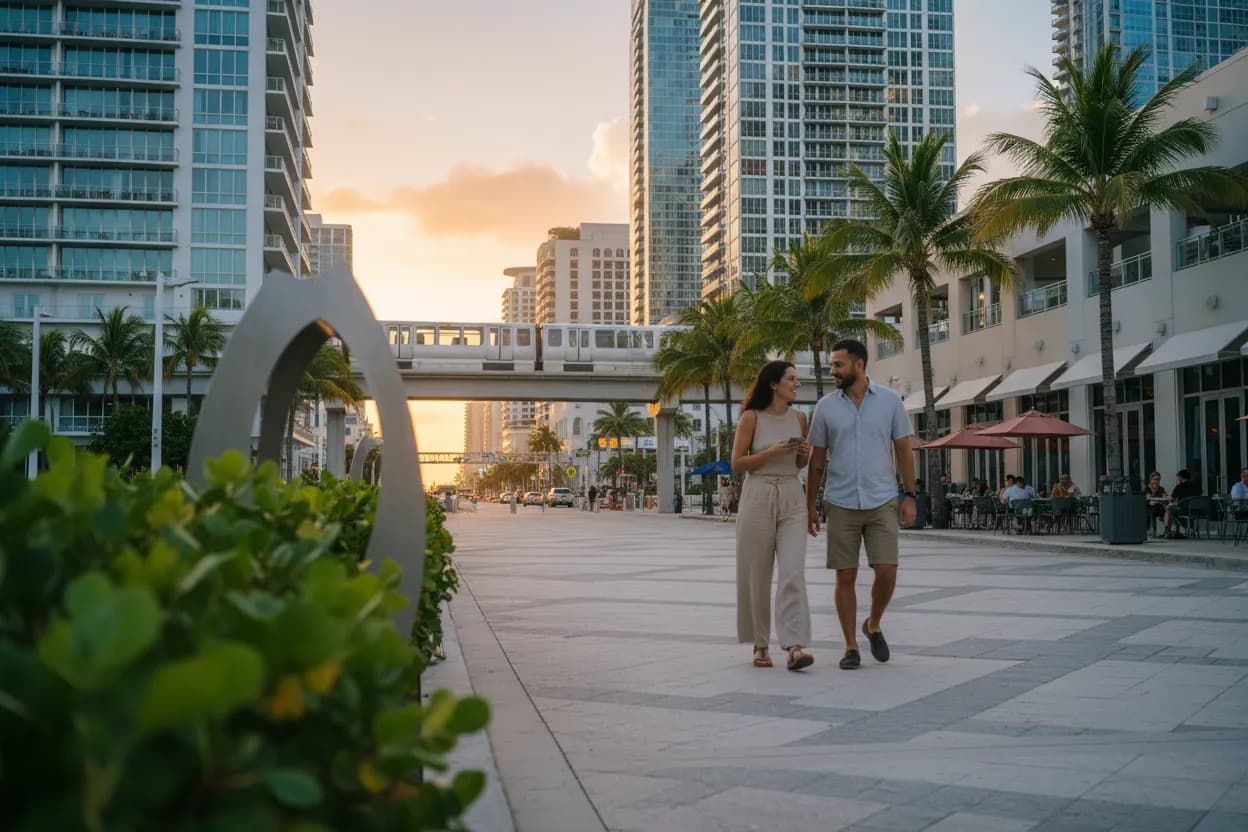
Make a short verification checklist. Confirm the restaurant is still participating, the Miami Spice menu is offered on your date, the meal period matches your plan, and the posted price covers what you think it covers. Check whether lunch, brunch, or dinner is listed; whether the menu has required supplements; whether the address is the location you intend to visit; and whether your transit route is affected by alerts. Miami-Dade Transit publishes rider alerts, service updates, a trip planner, and real-time bus and train tracking, which can matter if you are crossing the bay or heading Downtown.
Make It Easy To Act
Turn the decision into a shareable plan. Send your group three options: one best-fit restaurant, one same-craving backup, and one easier-location backup. Include the neighborhood, cuisine, meal period, address, and the one thing that makes the menu worth checking. That keeps the thread from becoming twenty screenshots and no decision. It also makes it easier for someone to flag a practical issue, like a commute, dietary mismatch, or reservation time that does not work.
Then act in order: verify the official current menu, check the booking method, confirm the total cost details, and map the trip. If you are relying on transit, use Miami-Dade’s trip planner and alerts before leaving. If you are choosing from Miami Spice restaurants for a date, family dinner, or group night, do not chase the longest menu; chase the clearest fit. The best summer dining deal is the one that still looks good after the details are checked.
Tags: #MiamiSpice #MiamiRestaurants #MiamiDining #SummerDining #MiamiFood #MiamiBeach #CoralGables #Wynwood #CoconutGrove #DowntownMiami #MiamiDateNight #RestaurantDeals #AskKarpo #BeforeYouGo
Sources consulted: miami spice · Visit Miami · Miami-Dade Transit
All trademarks are the property of their respective owners.
Ask Karpo first
Ask Karpo first before you book a Miami Spice table. Share the restaurant, date, meal period, neighborhood, group size, and what you are craving. Karpo can help you spot what to verify, compare backups, and avoid turning a summer dining deal into a rushed decision.