Ask a sports television executive to name the American city where Spanish soccer needs no introduction and the answer comes before you finish the question. Miami is one of the strongest markets in the United States for Spanish-language soccer audiences, and that is not a marketing accident — it is demography, language, and half a century of migration doing what they do. In most American cities, LaLiga is an acquired taste. In Miami it is closer to a birthright, passed down at kitchen tables and ventanita counters, argued about in the same Spanish it is broadcast in. The new season kicked off on August 22 with Valencia and Celta Vigo grinding out a 0-0 at Mestalla, and across this city that result was dissected the way other towns dissect their local NFL team's preseason. This is the story of why.
Text Karpo when you want to go deeper than the box score — it can point you to where Miami's soccer conversation actually happens, from Calle Ocho cafecito counters to the neighborhoods where a matchday is a family event.

A city that arrived already fluent
The foundation is simple: Miami is a majority Spanish-speaking metropolis built by successive waves of migration — Cuban above all, then Nicaraguan, Colombian, Venezuelan, Argentine, Spanish, and on through the hemisphere. Each wave carried its football with it. A Colombian family in Kendall and an Argentine family in North Beach may support different national teams, but they meet in the middle at LaLiga, the league that has employed the best players from nearly every country in Latin America for generations. Supporting Real Madrid or Barcelona — or Atletico, or Betis — became a lingua franca among fans whose first loyalties point at different flags.
That is the quiet genius of Spanish football in this city: it is not anyone's hometown league, so it belongs to everyone. The Cuban grandfather, the Venezuelan newcomer, and the Miami-born teenager can share it without anyone conceding anything. The loyalties even sort themselves generationally — a family can hold three different club allegiances across one dinner table and still agree, loudly and at length, that the referee was a disgrace.

The media inheritance
Miami's other inheritance is infrastructure. This is a capital of Spanish-language media in the United States — home to networks, studios, and generations of commentators who called games with a vocabulary and volume that English-language broadcasts never matched. For decades, if Spanish-language sports television or radio wanted to reach America, it broadcast from or through South Florida. Kids here grew up hearing goals screamed rather than described, and that style formed the emotional baseline of what watching football should feel like.
The streaming era rearranged the furniture without changing the house. This season, all 380 LaLiga matches stream on ESPN+ in the US — one service, the whole league — and the Spanish-language commentary tradition lives on in the options menu rather than on a UHF dial. The delivery mechanism is new; the fluency it serves is generations old.
Three in the afternoon: the Miami-shaped schedule
Geography did LaLiga a favor here. Spain runs six hours ahead of Miami, which drops the league's 9 p.m. showcase kickoffs into Miami's 3 p.m. slot — and 3 p.m. is a civilized hour in a city that eats lunch late and dinner later. The match ends with the whole evening still ahead. Compare that with leagues whose games land at dawn on the West Coast and you understand why the Spanish football habit stuck so easily here: the schedule fits the culture like it was tailored.
Where the culture is visible
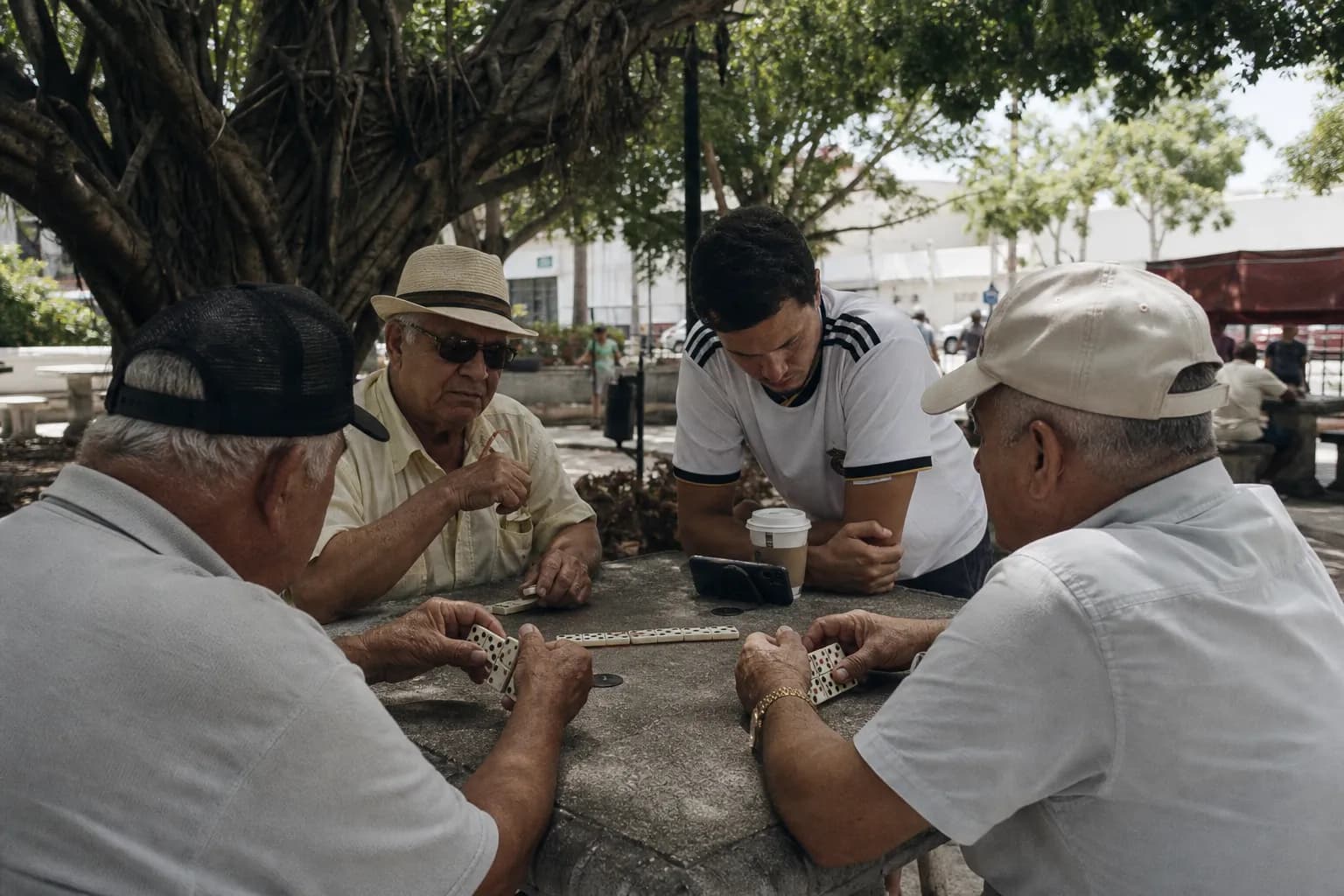
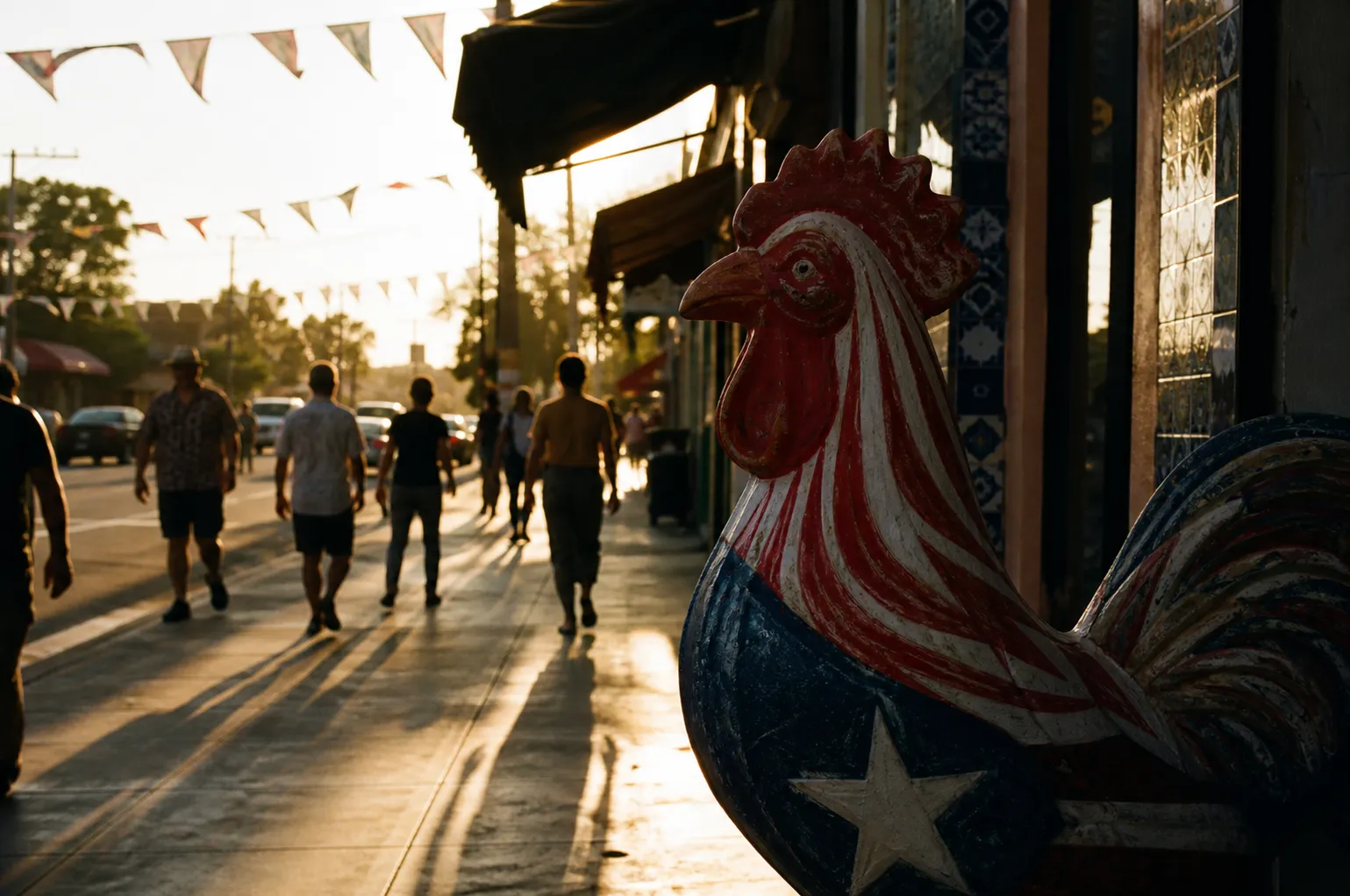
You can see all of this on any big matchday without buying a ticket to anything. Walk Calle Ocho through Little Havana in the hour before a 3 p.m. kickoff: the ventanitas — those walk-up cafecito windows that function as the city's open-air newsrooms — hum with predictions, and Cafe Versailles, the landmark that has anchored the strip since 1971, hosts the same arguments in its mirrored dining room that it hosted when the protagonists were named differently. By the final whistle, the score travels down the sidewalk faster than any push notification.
None of it is staged for visitors, which is exactly why it is worth seeing. Other American cities have soccer bars; Miami has soccer blocks, soccer counters, soccer barbershops. The league arrives each August less like new programming and more like a relative returning from a summer away. Miami speaks fluent LaLiga the way it speaks Spanish — natively, loudly, and with strong opinions about pronunciation.
Practical notes
- Watching: all 380 LaLiga matches stream on ESPN+ this season; current pricing is on espn.com.
- Language: Spanish-language commentary options are part of the tradition here — check the broadcast settings in the app.
- Time math: Spain is 6 hours ahead of Miami; 9 p.m. Spanish kickoffs land at 3 p.m. ET, 9:30 p.m. at 3:30 p.m.
- Street-level culture: Calle Ocho in Little Havana is the classic pre-match walk; Versailles at 3555 SW 8th St is the landmark stop.
- Cafes and counters set their own hours — call ahead if your plans depend on a specific spot.
- Matchday crowds: big fixtures concentrate the energy; a random midweek match makes for a quieter, more local scene.
Tags: #LaLiga #Miami #LittleHavana #SpanishFootball #SoccerCulture #CalleOcho #Ventanita #Cafecito #MiamiHistory #ESPNPlus #Futbol
Sources consulted: laliga.com · espn.com · goal.com · sports.yahoo.com
All trademarks are the property of their respective owners.
Ask Karpo first
Curious where to feel this culture firsthand — the right cafecito counter before kickoff, the neighborhood where your club's fans hold court, the quiet spots where the game plays from a doorway radio? Ask Karpo and it will build you a matchday that reads like you grew up here.