 Wynwood Domino Set Gift Browsing Walk: Acrylic Designs
Hidden Gems & Odd Finds
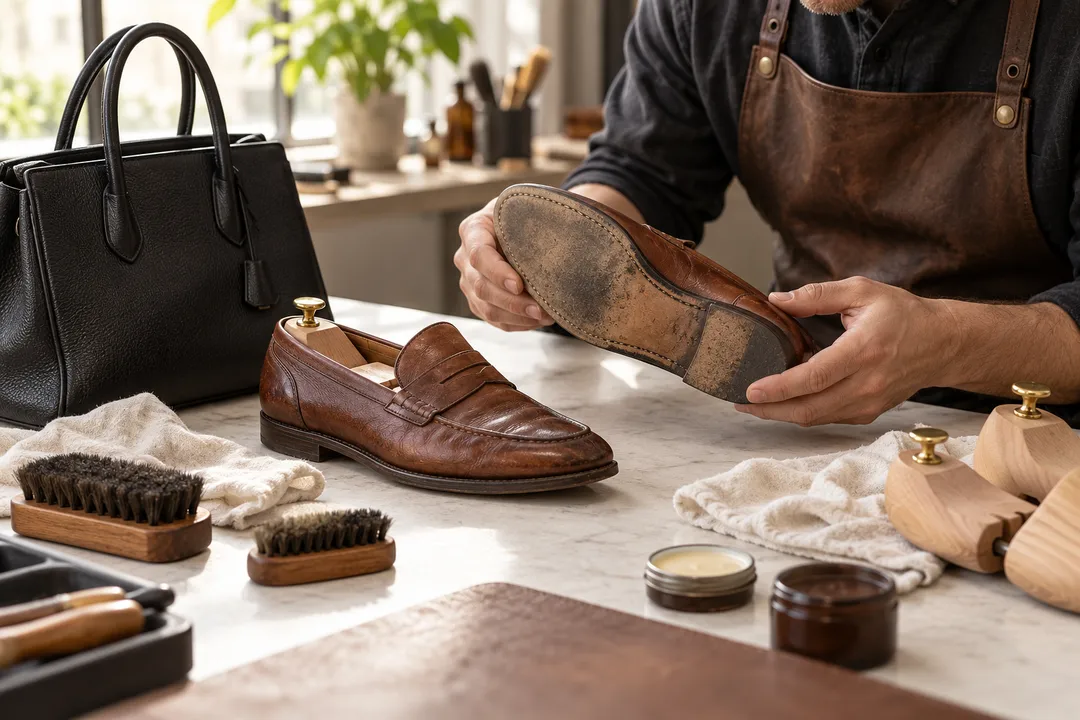
Miami Shoe Repair Shop: 5 Steps at Cobbler Elegance
The Cobbler Elegance in Miami opens Monday–Saturday, 10 am–6 pm, for shoe restoration. Its five-stage process includes photos and a restoration report.
The Cobbler Elegance makes a Miami shoe repair shop visit an assessment of a valued possession, with a five-stage restoration process published on its own website. The Cobbler Elegance, at 777 NW 72nd Ave Unit 1049, Miami, FL 33126, handles shoes alongside handbags and other leather goods. Its emphasis on inspection, photographs and a final restoration report is useful when the question is how much of an old favorite to preserve. Bring a clear description of the damage and the result you want.
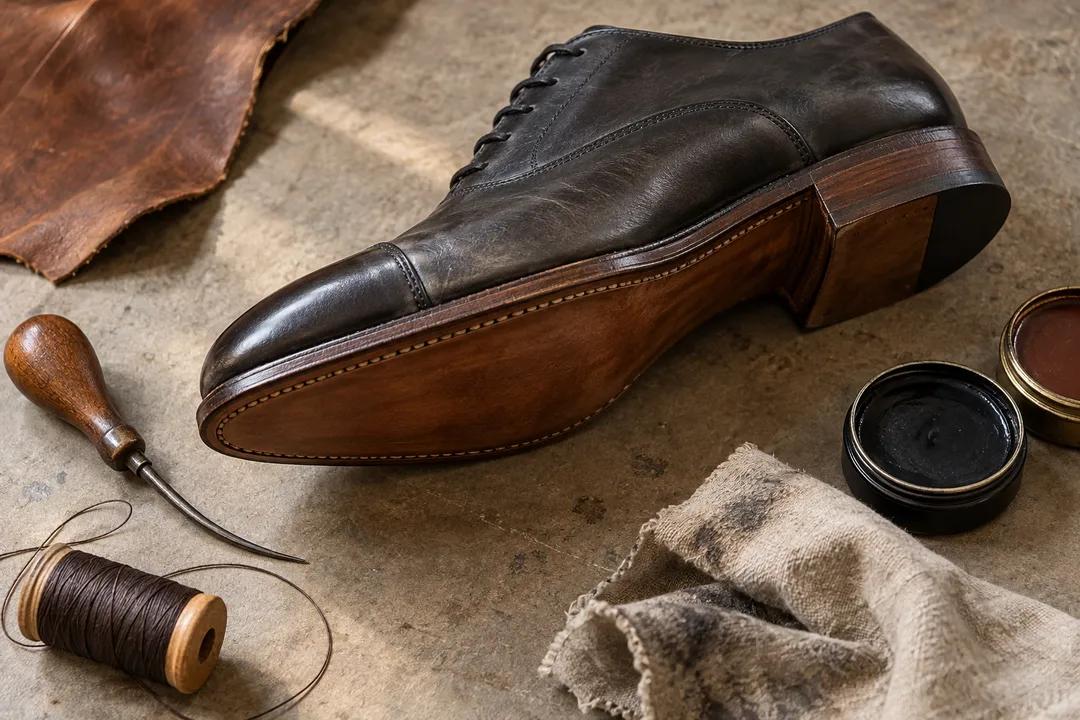
Start with the piece you actually wear
The service list names shoe restoration, leather restoration, handbag restoration, and cleaning and refinishing. Across those descriptions, the business mentions sole replacement, leather reconditioning, color restoration and structural footwear repair. Those are different conversations: a tired finish, a worn walking surface and a damaged structure do not describe the same job. Before contacting the shop, look at both shoes together and write down which problem affects comfort, which affects appearance, and which matters most to you. That gives its consultation a practical starting point.
For sneakers, the published descriptions also mention deep cleaning, sole whitening and midsole repainting. Decide whether your aim is a cleaner pair for regular wear or a more extensive cosmetic restoration. If the original color or finish matters, say so before work begins. A photograph can show a stain or scuffed edge, but your reason for keeping the shoes is information only you can supply. The site's Request a Repair link gives that discussion a clear entry point.
Five stages from consultation to collection
Consultation is the first named stage. The website asks customers to share their piece and their vision, after which the business assesses condition and recommends a restoration path. For a well-loved loafer, that vision might be continued comfortable wear with its familiar appearance. For a dress shoe, it might be addressing a visible scuff before an occasion. These are examples of requests to explain, rather than promises about what the atelier can accomplish on every material or construction.
Assessment comes next, with a detailed inspection and photography. That distinction between the initial conversation and the closer examination is valuable. Use your own photographs as a personal record too, especially if there are older marks you want left alone. Ask which areas the proposed work addresses, whether any finish will change, and what will remain as it is. The shop explicitly makes documentation part of its method, so a specific description of the starting condition fits the process it advertises.
Craftsmanship is stage three, described as traditional techniques paired with materials chosen for the restoration. The sensible decision here is agreeing on the scope before approving the work. A sole replacement and a color restoration are separate entries in the published service language, and neither should be assumed to include the other. If you have a fixed budget, state it during the conversation and ask for an itemized explanation of the proposed treatment. The public information reviewed does not provide a dependable repair tariff.
Inspection is the fourth stage. The business describes quality control before an item leaves the atelier, followed by a fifth stage called Complete: careful packaging and return with a full restoration report. At collection, compare the result with the agreed scope and read that report while the work is fresh in your mind. Ask about care for the repaired area and keep the documentation with your own photographs. This is particularly useful when several different treatments have been performed on one pair.
Two customers explain what matters
The shop's embedded Google review feed includes a September 2026 account from Ayesha Johnson, who brought in Louis Vuitton boots with a damaged heel. She reported that the repair was completed within the rush time she needed for a trip, and that she also bought a Saint Laurent bag there. That is one customer's experience of a time-sensitive job. For your own travel shoes, explain the departure date at consultation and obtain an agreed completion arrangement before leaving the pair.
Another September account, from Hilda Palermo, concerns a Gucci handbag inherited from her grandmother. She described its sentimental value, the explanation of the restoration process, and completion within the timeframe she had been promised. Although the object was a bag, the decision is familiar to anyone keeping shoes for personal reasons: the goal may be preserving a connection as much as renewing the surface. Tell the staff which details carry that meaning. A customer's recollection helps illustrate the conversation without establishing a universal turnaround or result.
Those accounts also show why this business can suit someone bringing shoes and a bag into the same restoration discussion. Its website explicitly covers both categories and describes photographic progress documentation. Keep a separate description for each item rather than treating everything as one job. A mark you find acceptable on an everyday shoe may matter a great deal on an inherited handbag. Writing down those differences is a useful way to turn the site's broad restoration language into clear instructions for your own belongings.
Make the repair errand a separate city outing
The shop's NW 72nd Avenue address is the destination for the repair itself. For a walking portion afterward, make a separate drive to central Coral Gables instead of treating the two places as one pedestrian route. Start around the Coral Gables Museum and Aragon Avenue, then continue toward Miracle Mile. The museum's focus on architecture and civic history gives that stop a reason beyond filling time between errands. Choose the museum visit or a simple street stroll according to the kind of afternoon you want.
Keep that outing independent of the repair schedule. The atelier's five-stage process describes how a restoration proceeds, without promising that it finishes while you take a walk. Dropping off an item and collecting it later are different trips unless the shop agrees otherwise. In the Karpo APP, save the repair address and the Coral Gables walking stop as separate destinations. That leaves the museum and Miracle Mile as an optional city plan rather than a way to guess how long your shoes will take.
Practical notes for a clear handover
Its official website's embedded Google listing gives Monday through Saturday opening hours of 10 am to 6 pm, with Sunday closed. Retain the unit number, 1049, with the address when arranging your visit. The website provides a Request a Repair route, but its published process does not establish an appointment requirement, a general walk-in queue length or a same-day service commitment.
For the handover, take a short written list covering the damage, the preferred appearance, any important deadline and the work you are willing to approve. Ask for the price and agreed collection arrangement as part of that specific proposal. Keep the answer with the assessment photographs and eventual restoration report. The strongest reason to choose The Cobbler Elegance is the documented sequence it publishes: you can follow the discussion from an initial goal through inspection to return, with a record of what was actually done.
Ask Karpo for more information.
Keep reading
- Wynwood Domino Set Gift Browsing Walk: Acrylic Designs
 Coral Gables Domino Set Gift Browsing Walk: Wood Sets
 Little Havana Domino Set Gift Browsing Walk: Clay Tiles