 Wynwood Mofongo Dinner Picker: Arts District Evening Plates
Restaurants

Little Haiti Shawarma Late Night Finder After a Kompa Night
A Little Haiti plan for kompa fans: leave the dance floor, cool off in the night air, find a shawarma counter nearby, and walk past the murals before home.
Little Haiti is where Miami hears the heartbeat of Haitian music. On weekend nights, kompa bands fill rooms and courtyards with slow, rolling rhythms, couples dance close, and the songs seem to stretch on for hours. When the last set ends, though, most dancers discover they are hungry in a very serious way. This shawarma late night finder is for that moment. It shows how to leave the dance floor gently, cool off in the night air, find a warm wrap nearby and finish the evening with a walk past the painted walls of the neighborhood.
A Night Built on Kompa
Kompa is the music of Haitian celebrations, from family parties and weddings to big concerts. Its steady beat and warm guitar lines invite couples to dance close and slowly, and a good band can keep the floor full for hours. In Little Haiti, it is not just entertainment. It is a link to home for many families and a proud part of Miami's culture.
A kompa night is also a workout. After hours of moving to the music, dancers often realize they have not eaten since dinner, and the energy that carried them through the last set suddenly fades. That is when a quick, filling meal makes all the difference between a happy ride home and a tired, grumpy one.
Why Shawarma Fits the End of the Night
Little Haiti has wonderful Haitian food, from griot and pikliz to rich stews, and many dancers end the night with those dishes. Sometimes, though, the group wants something different, or the kitchens they love are already cleaning up. A shawarma counter is a natural alternative.
Shawarma and Haitian street food have more in common than you might think. Both love bold seasoning, slow-cooked meat and a sharp, tangy side to cut through the richness. Pickled turnips at a shawarma counter play a similar role to pikliz on a plate of griot, and a squeeze of lemon or a little hot sauce wakes everything up.
Plan the Stop Before the Last Set
Experienced dancers plan their food before the night winds down. During a break between sets, step outside for a breath of air, open the Karpo APP and look at shawarma spots within a short drive or walk of where you are dancing. Little Haiti is close to the Design District, Little River and the busy corridor along Biscayne Boulevard, which gives you several directions to choose from.
Save a couple of options and tell your group which one you are heading to. When the band thanks the crowd and the lights come up, you will not have to stand on the sidewalk in your dancing shoes debating where to go.
Cooling Off Before You Eat
After a long night of dancing, give yourself a few minutes to cool down before ordering. Drink a full bottle of water, let your heart rate settle and enjoy the night breeze. Miami nights can be warm and humid, and a crowded dance floor is even warmer.
This is also a good time to change into comfortable shoes if you brought a pair. Many dancers keep flats or sneakers in the car for exactly this reason. Your feet will thank you on the walk to the food counter and back.
Ordering After a Long Dance
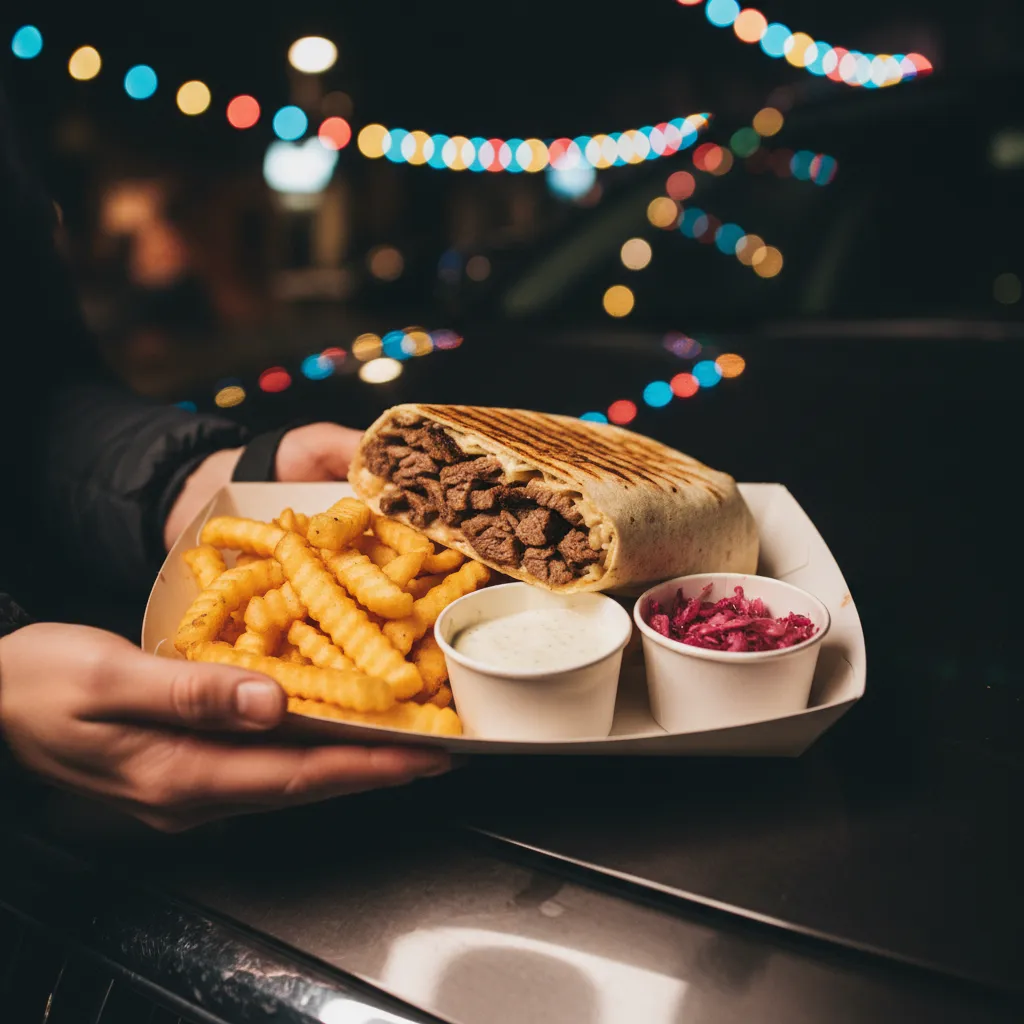
After all that movement, most dancers want something hearty. A beef or chicken shawarma wrap with fries and garlic sauce is a classic choice, and a plate with rice and salad is better if you want to sit and eat slowly. Ask for extra pickles, and if you have pikliz in the car or at home, it pairs surprisingly well with shawarma.
Falafel and grilled vegetables are good options for vegetarians, and a cup of lentil soup is soothing on cooler winter nights. If you are sharing with a partner, order one big plate and two forks. It is a sweet way to keep the closeness of the dance floor going a little longer.
Eating Under the Murals
Little Haiti is known for its colorful walls, painted storefronts and murals that celebrate Haitian heroes, artists and everyday life. Once you have your food, find a well-lit spot near one of these painted walls, or eat at a small outdoor table if the counter has one.
At night, under the streetlights, the colors take on a soft glow. Groups of friends often linger on the sidewalk, laughing about the best moves of the night and humming the songs they danced to. It is a relaxed, friendly end to an evening that was all about community.
Dancing With Family
Kompa nights are not only for couples. Many families go together, with grandparents who have danced to kompa for decades and teenagers who are just learning the steps. These family nights are some of the warmest in the neighborhood, and the late meal afterward is part of the tradition.
If you are out with a big family group, send one person early to the food counter to start ordering. Choose a spot with enough seating, or plan to take food home and eat around the kitchen table. Older relatives often have the best stories about the bands they saw when they were young.
Staying Safe on the Way Home
Little Haiti is a lively neighborhood, but like any part of a big city, it is smart to stay alert late at night. Walk in groups, stay on lit streets and keep your phone and keys easy to reach. If you drove, park somewhere well lit and walk back together.
Designated drivers deserve a special thank you after a long night. Buy their food, let them choose the stop and make sure everyone is ready to leave when they are. Rideshares are another easy option, especially for groups who enjoyed a few drinks during the music.
Making It Your Own Tradition
Many kompa fans have a favorite band they follow from venue to venue, and the late meal afterward becomes part of that loyalty. Some couples even have a regular order that they always share after dancing, a small ritual that marks the end of a good night.
Save the spots you like in the Karpo APP with a note about which band you heard and what you ate. Over a season of nights out, you will build your own map of music and food in Little Haiti, one that tells the story of every dance and every late wrap shared under the painted walls.
Ask Karpo for more information.
Keep reading
- Wynwood Mofongo Dinner Picker: Arts District Evening Plates
 Allapattah Mofongo Dinner Picker: Dominican Heritage Plates
 Little Havana Mofongo Dinner Picker: Calle Ocho Sunset Bowls