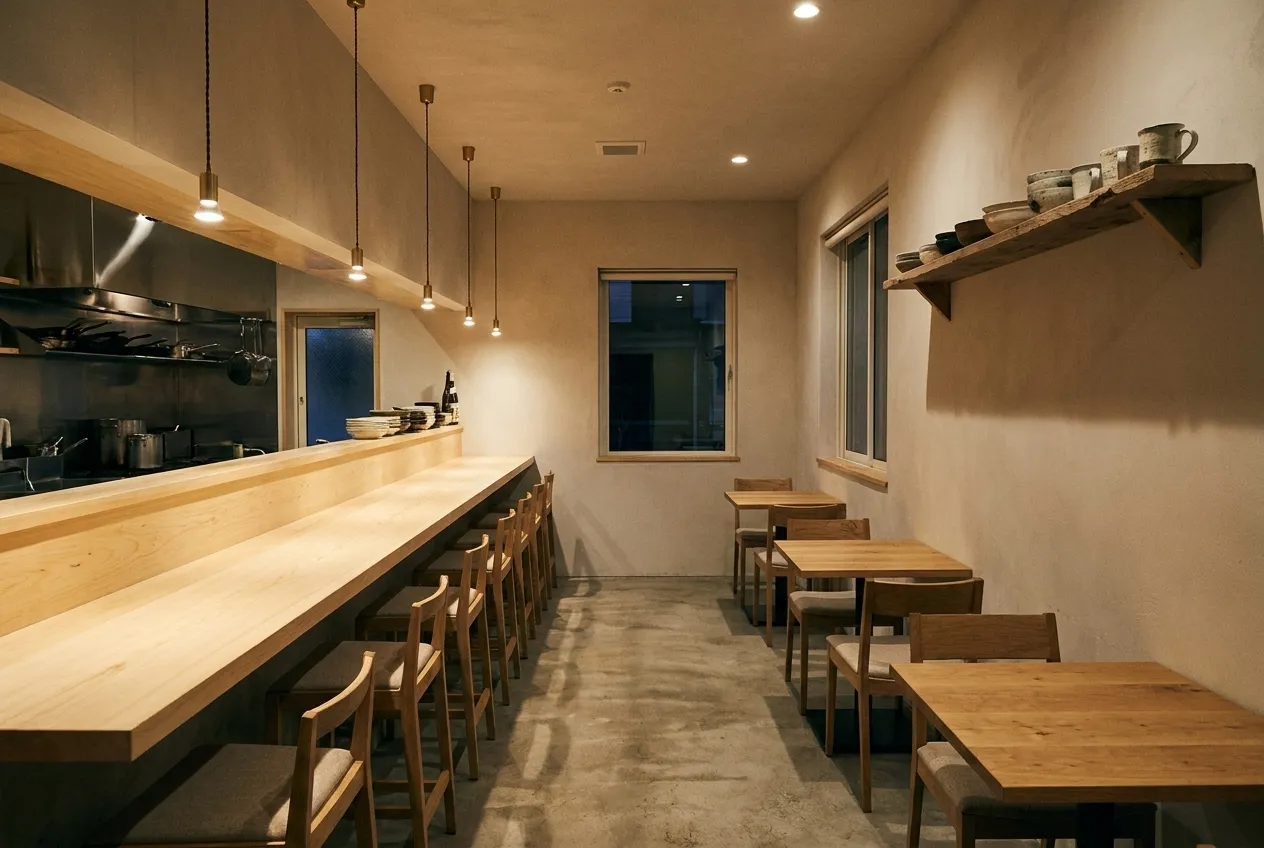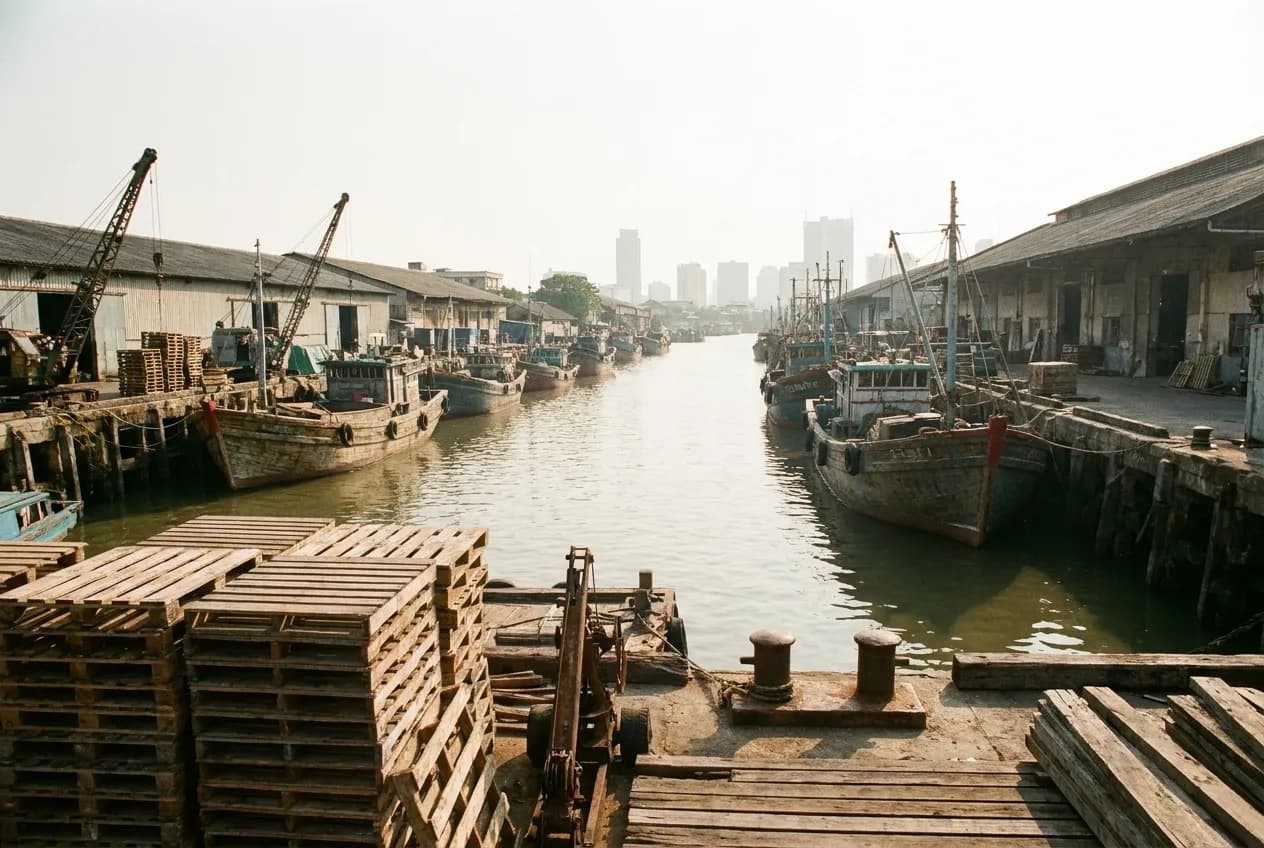
Miami's seafood reputation is built on beachfront dining rooms, which is the least interesting version of it. The working fishing industry is on the Miami River, a narrow five-mile channel running inland from the bay past boatyards, cargo docks and fish houses, and the restaurants along it eat off that traffic. Casablanca Seafood sits on that stretch with a market counter attached and tables on the dock, facing boats rather than sand.
Ask Karpo to confirm today's hours before you drive over, what came in fresh, and what else along the river is worth a look.
Confirm the hours first
Start here, because it matters more than anything else in this article. Published hours for riverside restaurants in Miami vary between sources and change with the season and the weather, and this address in particular is worth confirming on the day rather than relying on a search result. A ten-minute call saves a wasted drive to a working dock.
The same applies to the dock seating specifically. Outdoor tables on a river are weather-dependent, and a summer storm closes them faster than the kitchen. If the terrace is the reason you are going, ask about it when you call.
A market attached to a restaurant is a good sign
When a seafood restaurant also runs a retail fish counter, the incentives line up in your favour. The kitchen and the counter buy together, the turnover is higher than a restaurant alone would generate, and anything that does not move through one side moves through the other. It also means you can look at what is on ice before you order, which is the most reliable information available.
Ask what came in rather than reading the menu top to bottom. A printed menu at a fish house describes what is usually available; the counter describes what is actually there today, and those are different documents.
Order it whole
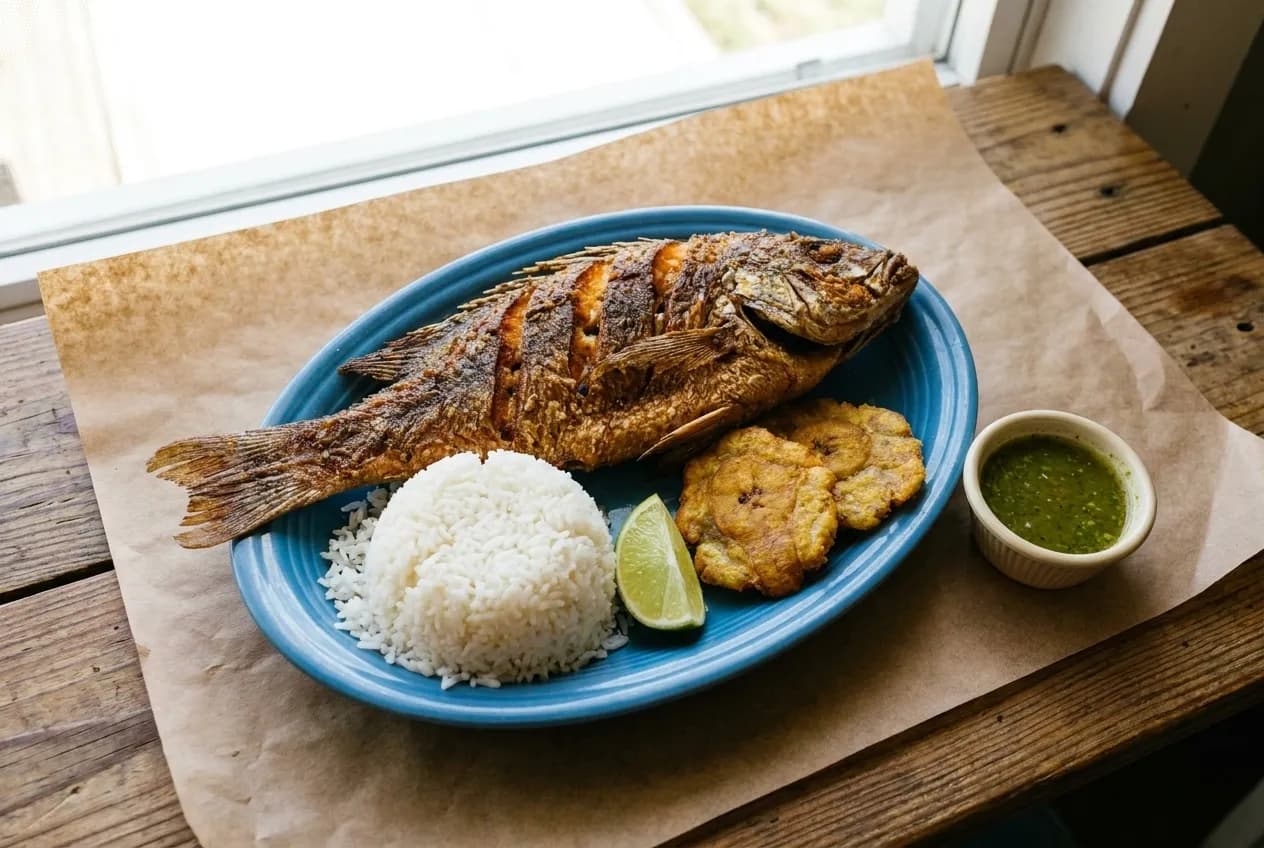
Whole fried fish is the house style across Miami's river and Latin seafood houses, and it is the order to take. A whole fish fried hard produces crisp skin, moist flesh and the collar and cheek meat that fillets lose entirely, and it comes with rice, plantain and a sauce rather than a garnish.
Beyond that, ceviche or a cold seafood starter is the right opener in this climate, and stone crab is worth ordering when the season is running — Florida's stone crab season runs from mid-October to early May, and outside those months anything claiming to be fresh stone crab deserves a question.
The river is the thing you are looking at
The Miami River is not decorative. It carries small cargo ships loading for the Caribbean, commercial fishing boats, tugs, barges and pleasure craft, all in a channel narrow enough that you can read the names on the hulls from a table. Bridges open for traffic; boats pass at walking pace; the whole thing operates on a working schedule that has nothing to do with your dinner.
That is the argument for coming here rather than going to the beach. Waterfront dining in Miami usually means looking at a view; this means watching a port function from twenty feet away, which is considerably more interesting after the first ten minutes.
There is a reason the river has better fish than most of the beachfront. Miami is a working port city with a commercial fishing fleet and a wholesale trade that operates inland from the tourist coast, and the restaurants sitting next to that infrastructure buy from it directly rather than through a distributor with a warehouse in between. Fewer steps between the boat and the plate is the entire quality argument in seafood, and it is the one thing a beachfront terrace cannot buy at any price.
It also shapes what is on the menu. Expect Caribbean and Latin preparations rather than New England ones, expect snapper, grouper, yellowtail and shrimp rather than cod and lobster, and expect the sides to be rice, beans and plantain. That is the local idiom and it is what the kitchens here are good at. If you want a lobster roll, this is the wrong coast; if you want a whole snapper fried hard with lime, there is nowhere better in the city.
Getting there and what else is on the water
This is a driving destination with parking on site, west of downtown along the river's north and south banks. It is close enough to Brickell and downtown to fold into a day in the centre of the city, and far enough from the beach that nobody arrives by accident.
The Riverwalk on the downtown stretch is walkable and connects to the Metromover, which is free, so a plan that starts downtown and ends at the river without a car is possible if you are willing to walk the last section. Other seafood houses and a couple of long-standing river restaurants sit along the same banks, so a second stop is easy if the first one turns out to be closed.
Practical notes
Casablanca Seafood sits on the Miami River in Miami, with a retail fish market alongside the restaurant and dock seating on the water. Published hours vary between sources and outdoor seating depends on weather, so confirm both before travelling. Ask the counter what came in rather than ordering from the menu blind, and take the whole fried fish. Florida stone crab season runs mid-October to early May. There is parking on site and the downtown Riverwalk connects to the free Metromover.
Tags: #SeafoodNearMe #MiamiRiver #CasablancaSeafood #MiamiFood #FishMarket #WaterfrontDining #MiamiNeighborhoods #WhereToEatMiami #MiamiFoodGuide #StoneCrab #WholeFish #MiamiEats #DowntownMiami #MiamiSeafood
All trademarks are the property of their respective owners.
Ask Karpo first
Want today's hours confirmed before you drive over, a read on what came in fresh, and something else along the river worth a look? Ask Karpo to check the opening times, an order built around whole fish, and a backup dock a few minutes away if this one is shut.