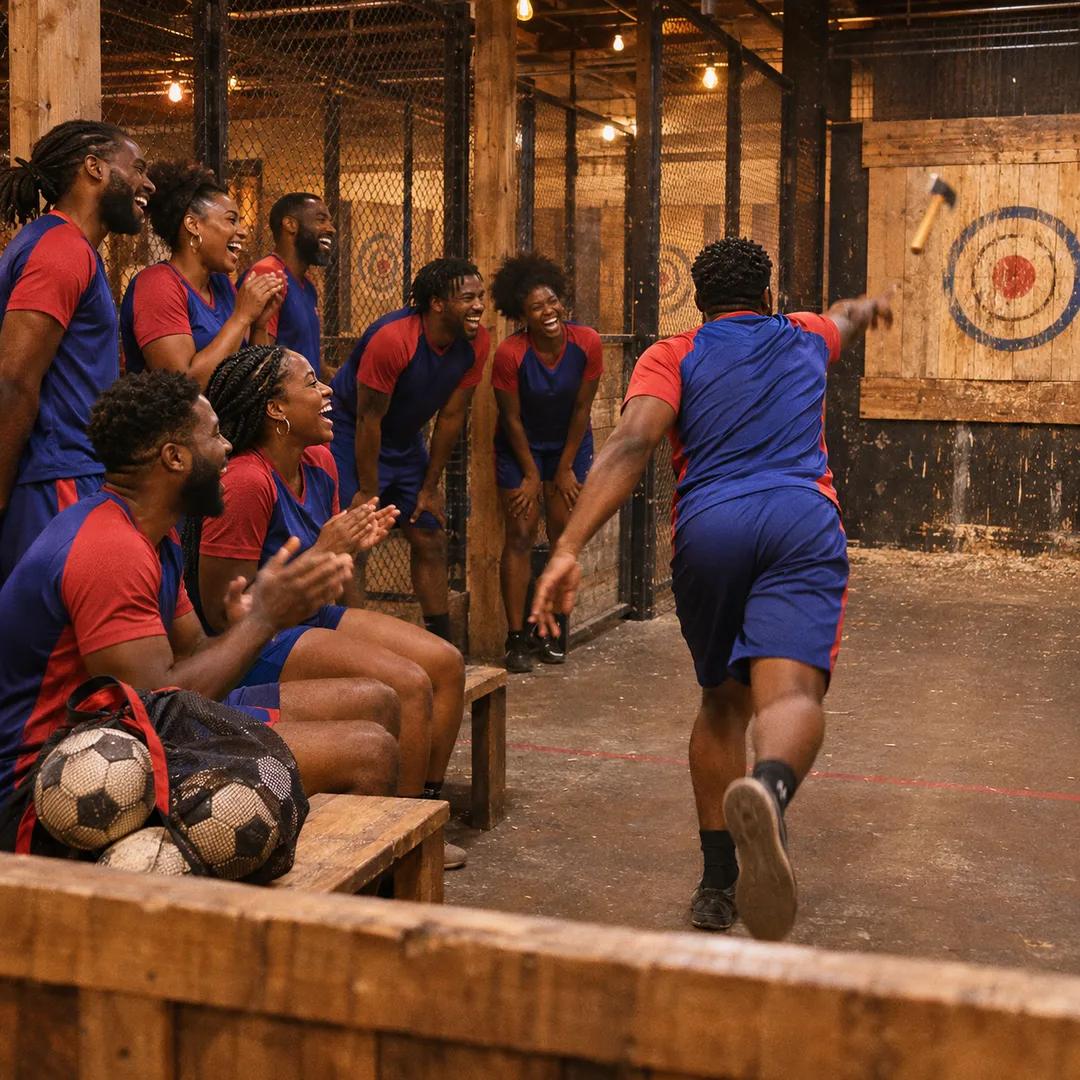
 Little Haiti Axe Throwing Group Night Picker, Soccer Edition
Sports Social
ACE Diving Scuba Dive Shop: Fast Biscayne Certification
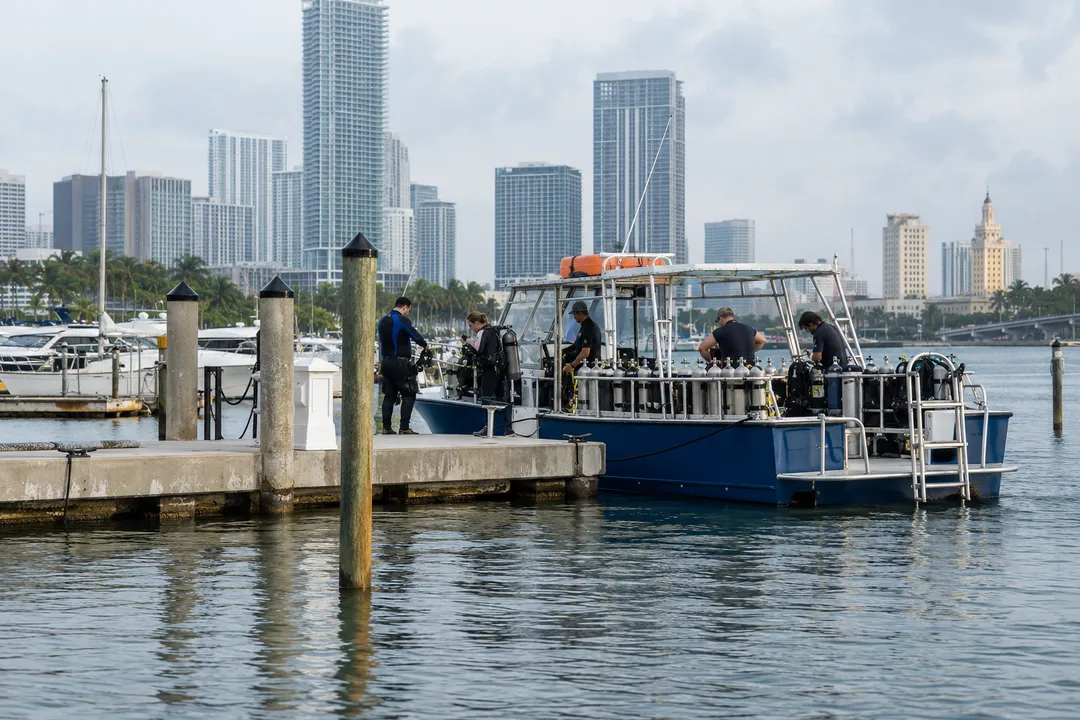
ACE Diving at Miami Marina Pier 5 is a practical certification stop for visitors who want agency options, a real departure point, and a short gear checklist.
ACE Diving sits at 401 Biscayne Boulevard, Miami Marina, Pier 5, Slip 33, Miami, FL 33132. That waterfront address changes the way to approach a scuba dive shop near me search. Instead of asking only which mask to buy, arrive ready to connect a certification goal with the logistics of reaching the water. A clear first sentence—“I need an entry course,” “I need a refresher,” or “I am already certified”—saves time.
Agency Choices Matter
ACE’s site names PADI, SSI, SDI, TDI, ERDI, and PFI, which gives visitors several training frameworks to discuss. The list is not a reason to choose the most advanced-sounding acronym. Ask what prerequisites, confined-water work, open-water dives, and equipment requirements apply to the exact course. A family group may need different starting points. A competent shop helps each person leave with a realistic next action rather than a vague promise of adventure. The most useful certification appointment is concrete about water comfort. Tell the instructor whether you have used a rental BCD, how recently you last practiced mask clearing, and whether you are comfortable descending from a boat ladder. Those answers change how much time belongs in a refresher. Write the meeting point and required paperwork in the same note as the course name. On a busy Miami day, a diver who knows the check-in sequence is easier to help and less likely to miss a safety briefing. If you are traveling with children or a nervous first-time buddy, say so early; the staff can explain age, supervision, and pacing questions without turning the visit into a sales pitch. This is also the moment to ask what happens when weather interrupts the plan, because a flexible schedule protects both the course and the boat day.
Build a Three-Line Brief
Before walking in, write three lines: experience, desired date, and equipment question. Experience can be no certification, recent open-water training, or a logged history. The date tells staff whether you are discussing a course or a boat seat. The equipment line might be mask fit, buoyancy, computer rental, or exposure protection. A short brief keeps the Pier 5 conversation focused and lets staff explain the safety detail that actually changes your plan.
The First Fitting
A mask fitting is a useful early checkpoint. Press the mask gently to your face without using the strap, inhale slightly through your nose, and see whether the seal holds. Tell the staff if facial hair, contact lenses, or prescription needs affect the fit. Fins should match the boots or socks you will wear. For a BCD, ask how the weight system and inflator route will feel when you are horizontal, not only when standing at the counter.
Course Planning Without Guesswork
Ask where the knowledge development, pool practice, and open-water components happen. Confirm how the completion record is issued and what you must bring. A course conversation should also cover cancellation, weather, and what happens if a skill needs more practice. Avoid treating a phone quote as a completed reservation; ask which link, payment step, or form actually holds your place. The safest plan is the one whose next action is unambiguous.
Biscayne Logistics
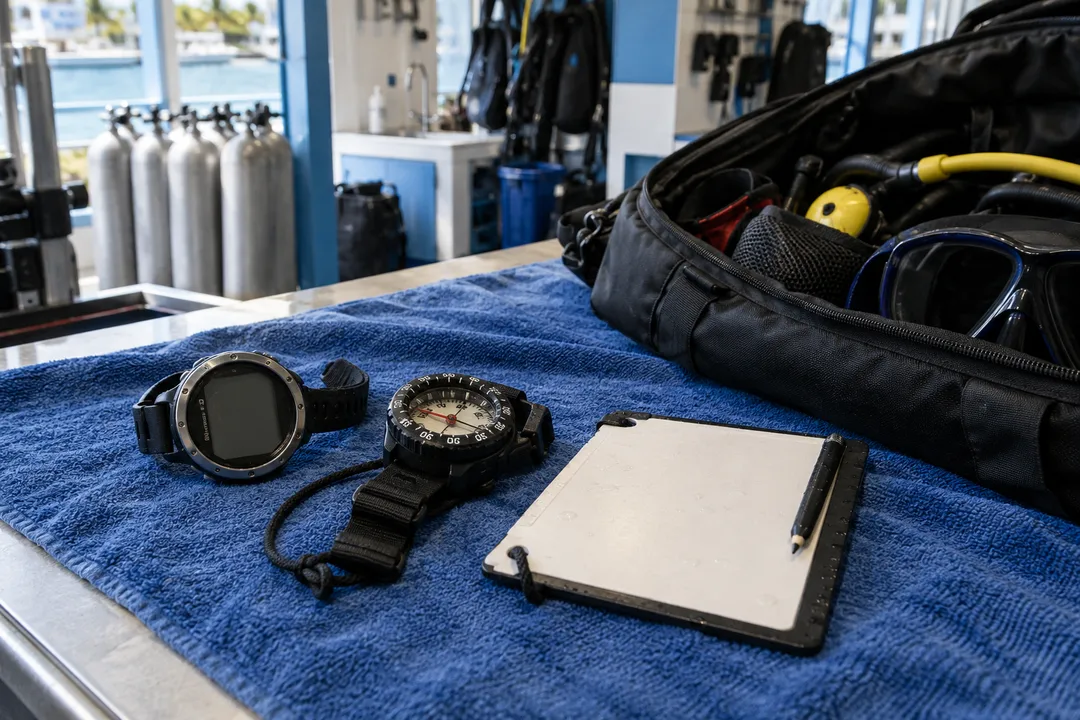
The Pier 5 setting makes timing visible. Boats load on a schedule, and a late gear question can become a late departure. Confirm the exact slip, check-in time, parking approach, and whether rental equipment is collected before boarding. Pack water, a towel, sun protection, and a dry layer. If you bring a camera or computer, secure it in a labeled bag. The goal is to arrive calm enough to hear the briefing.
When to Go
An earlier visit usually gives more space for a careful certification discussion than the minutes before a boat group departs. If several people are coming, nominate one person for paperwork and one for equipment notes. Keep the first meeting short but complete: training level, date, gear, and next step. If the marina is active, do not force a long browse. Step aside, write down the unanswered question, and return when staff can focus.
The Honest Skip
Skip an advanced specialty if the underlying skills are rusty. A dramatic title cannot replace recent practice, and warm Florida water does not remove the need for buoyancy control or equalization. Also skip a camera purchase if you have not decided how you will manage it underwater. Use ACE’s agency range to ask for the course or refresher that matches your logged experience. The practical gain is confidence, not a more impressive receipt.
A Downtown Waterfront Detour
ACE’s Miami Marina location is close to the downtown waterfront, so keep the after-visit route easy. Bayfront Park offers a short walk and open air if you have time before a later appointment. Do not schedule an ambitious cross-city meal or attraction between check-in and a boat departure. Leave the marina corridor early if traffic or parking is uncertain. A dive-day route should protect the water commitment first.
Best Fit
ACE suits a beginner who wants to compare training agencies, a certified diver who needs a Miami departure point, and a group that wants the shop and marina in one conversation. It is less suited to a casual buyer with no course, rental, or dive date. The official address, phone, and agency list give enough structure to make a useful first visit, provided you arrive with the right question.
Practical Notes
Use 401 Biscayne Boulevard, Miami Marina, Pier 5, Slip 33, Miami, FL 33132. Save the agency or course page before you leave and bring certification records. Ask about check-in, rental inclusions, and the exact action that completes a booking. Keep the equipment list small and specific. The marina is a working environment, so a prepared customer gets a better safety conversation than a rushed browser.
A Karpo APP Workflow
Karpo APP can turn ACE’s information into a compact route: compare agency intent, save the Pier 5 address, note the phone number, and attach the gear questions to the planned date. That workflow keeps the certification conversation connected to the actual boat or open-water goal. The useful result is a clear next step, not a pile of course names.
Ask Karpo for more information.
Keep reading
- Little Haiti Axe Throwing Group Night Picker, Soccer Edition
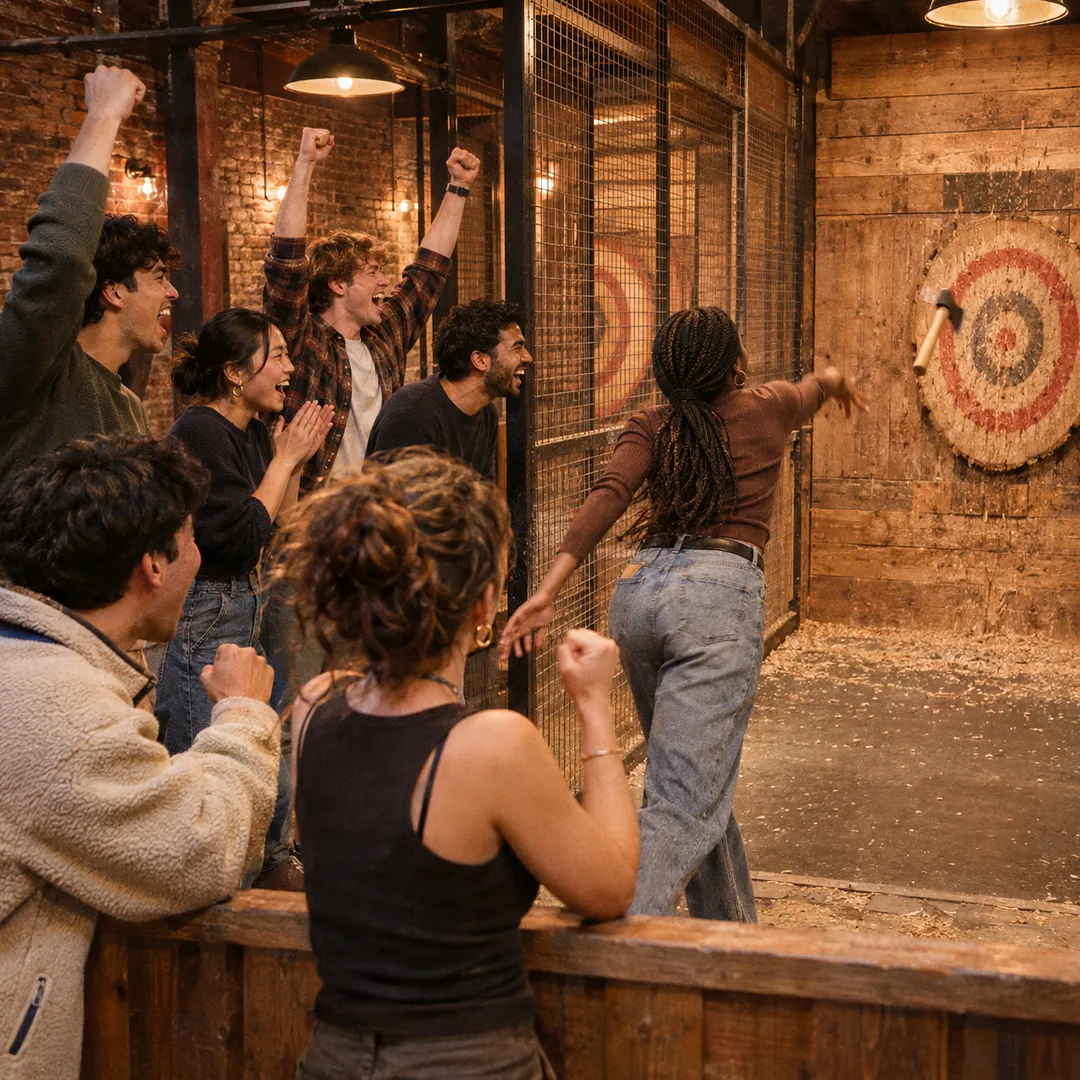 Midtown Miami Axe Throwing Group Night Picker for Nurses
 Downtown Miami Axe Throwing Group Night Picker for Visitors