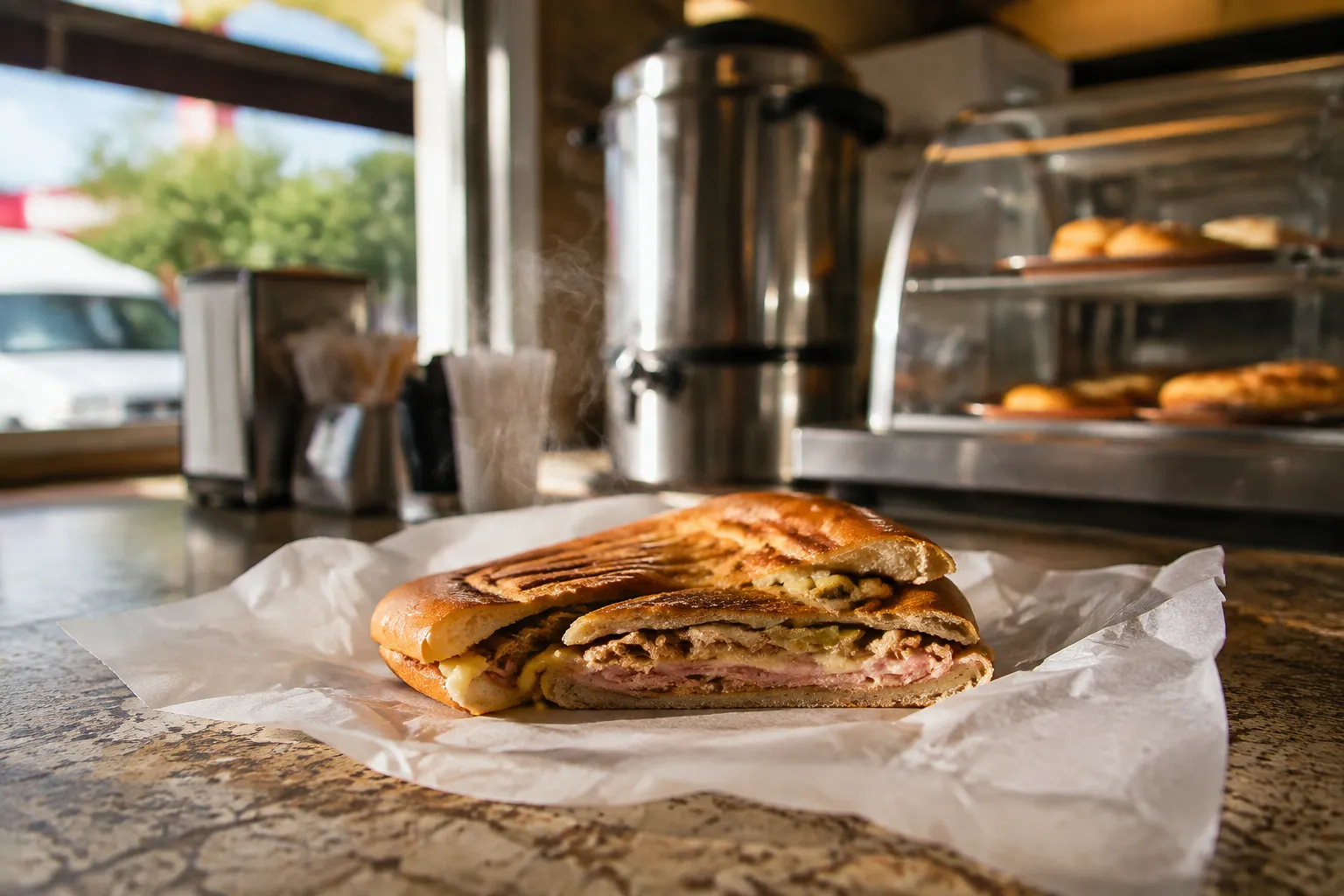
You're standing in the Design District after gallery hours, and someone mentions ajiaco boliviano—the Bolivian version, not the Colombian one—and suddenly the evening has a purpose. The best ajiaco boliviano in Miami isn't always the closest bowl, because this stew depends on timing: whether the kitchen made a fresh pot that morning, whether the hominy has been soaking long enough, whether they're using the right balance of ají amarillo and dried peppers. A mediocre version tastes like any other chicken soup. A good one tastes like someone's grandmother is in the back.
Karpo checks which spots are serving ajiaco boliviano today, maps the quickest route from wherever you are, and holds backup options if your first choice has a wait or sold out their batch.

Why the bowl matters more than the distance
Miami's Bolivian food scene runs quieter than its Cuban or Peruvian counterparts, but it's deep. The stew shows up in family-run spots that also serve salteñas and tucumanas, in combination restaurants that share a kitchen with Colombian or Peruvian menus, and occasionally in pop-up formats at weekend markets. The challenge is that ajiaco boliviano isn't a menu anchor—it's often a daily special, listed on a board or mentioned when you ask. That makes advance planning tricky, but it also means the bowls you do find tend to be made with care, not assembly-line volume.
The Westchester anchor everyone texts about
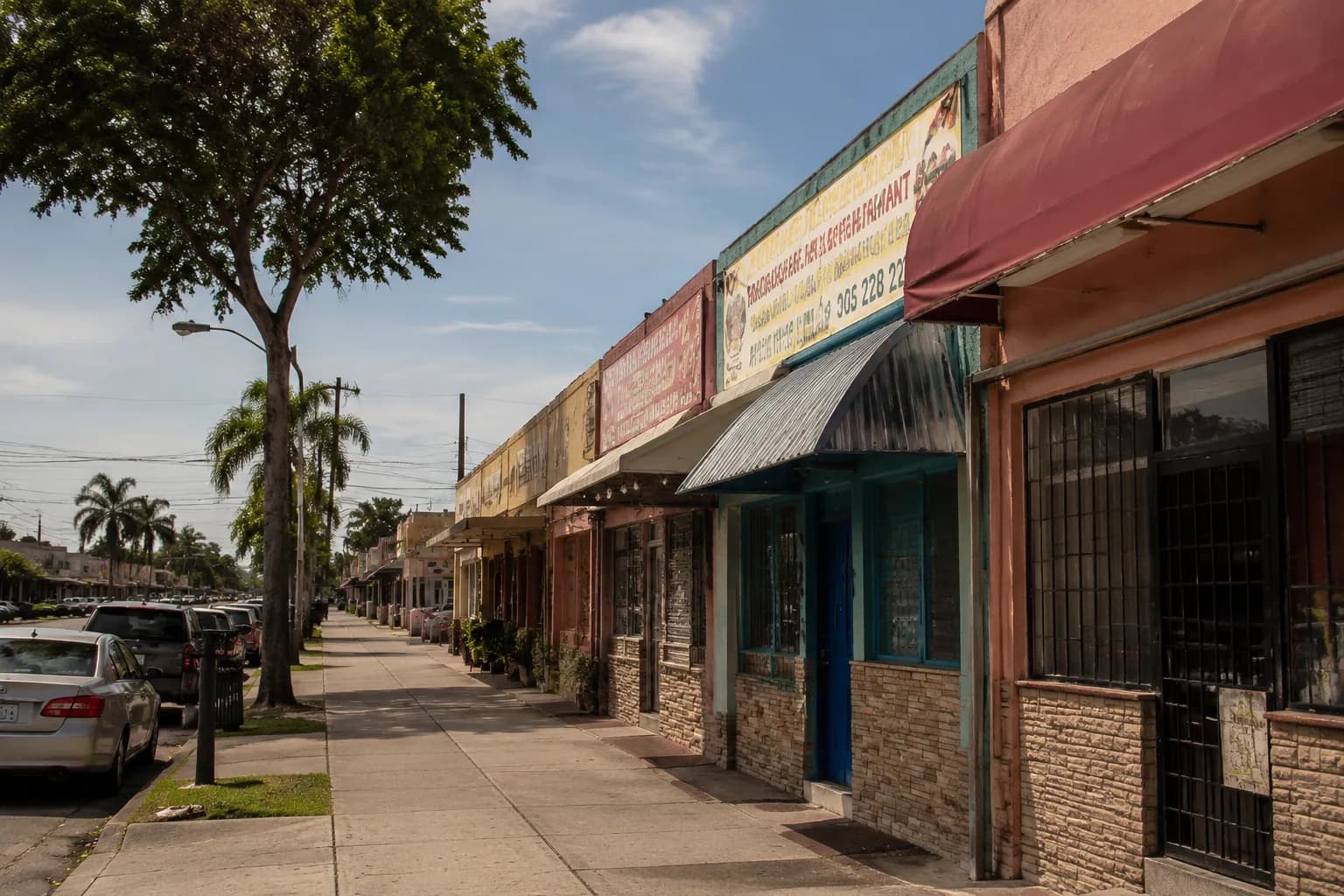
Head west on the Dolphin Expressway past the airport, and you'll hit the stretch of Coral Way and Bird Road where Bolivian bakeries and grocers cluster. This is where locals go when they want the best ajiaco boliviano without gambling on availability. The neighborhood restaurants here serve it as a weekend special, often Saturday and Sunday only, and the bowls are enormous—chuño (freeze-dried potato), fresh corn, sometimes a wedge of yuca, and shredded chicken that's been simmered long enough to fall apart. The broth is pale gold, thickened slightly from the potatoes, and the ají on the side is the real test: it should be bright, oily, and hot enough to make you slow down.
Parking here is easier than in Brickell or Wynwood—most spots have small lots behind the building or street parking that turns over quickly. The friction is timing: check whether the stew is still available before you head over, since the pot may be empty later in the day. Calling ahead helps, but not every kitchen picks up during the lunch rush. The advantage of Westchester is density; if your first choice is out, there's usually another Bolivian spot two blocks over. Bring cash for some of the smaller places, though most now take cards.
The Doral option when you're already north
Doral's restaurant corridor along Northwest 87th Avenue has become a staging ground for South American food that doesn't fit neatly into the Brickell fine-dining model. You'll find ajiaco boliviano here in restaurants that also serve pique macho and fricasé, often with a faster turnaround than the Westchester spots because the customer base includes airport workers and warehouse staff on tight lunch breaks. The bowls are smaller, but check the posted weekday hours before you go.
The drive from the Design District takes about twenty-five minutes if you avoid the 836 during rush hour; take the Palmetto north and cut west on 74th Street. Parking is abundant—most of these spots sit in strip malls with shared lots—but afternoon thunderstorms in summer can flood the low-lying sections of 87th Avenue, so check the radar before you leave. The food here skews slightly less traditional; some kitchens add cilantro or serve the ají mixed into the broth rather than on the side. It's still good, just different, and worth knowing if you're already in the area for other errands.
What to order alongside the stew
Ajiaco boliviano is filling, but it's not a standalone meal in the way a Cuban sandwich is. Most Bolivian restaurants expect you to round it out with something fried or baked. Salteñas—the baked pastries filled with meat, potatoes, peas, and a sweet-savory broth—are the obvious pairing, though ordering both can feel like overkill if you're eating alone. A better move is to ask for a side of llajua, the Bolivian salsa made from tomato and locoto pepper, and a basket of marraqueta rolls if they have them. The bread soaks up the broth without turning to mush, and the llajua gives you a second layer of heat to control as you go.
If the restaurant has api morado—a thick, sweet drink made from purple corn—it's worth trying, especially if the ají hits harder than you expected. The drink is served warm in some places, cold in others, and it tastes like a cross between atole and a berry compote. It's not to everyone's taste, but it's traditional, and it does cut the heat. Skip the bottled sodas unless you're really committed to Inca Kola; the sweetness doesn't help the stew.
How to leave without losing the afternoon
Ajiaco boliviano is a slow-eating dish, and if you're not careful, a lunch stop turns into a two-hour sit. The stew arrives hot enough that you have to wait, and the portions are large enough that rushing feels wasteful. Plan for at least forty-five minutes from ordering to paying, longer if the kitchen is backed up. If you're on a schedule, ask when you walk in how long the wait is—some places will be honest and tell you twenty minutes, others will say five and mean fifteen.
The other timing consideration is the post-meal slump. This is a heavy, carb-forward bowl, and if you eat the whole thing, you'll want to sit somewhere air-conditioned before driving. That makes it a better late lunch than an early one; plan the rest of your afternoon around the possibility of drowsiness. The Westchester spots are close to Tropical Park if you want a shaded bench and a walk to reset before heading back east.
Confirming the day's menu before you drive
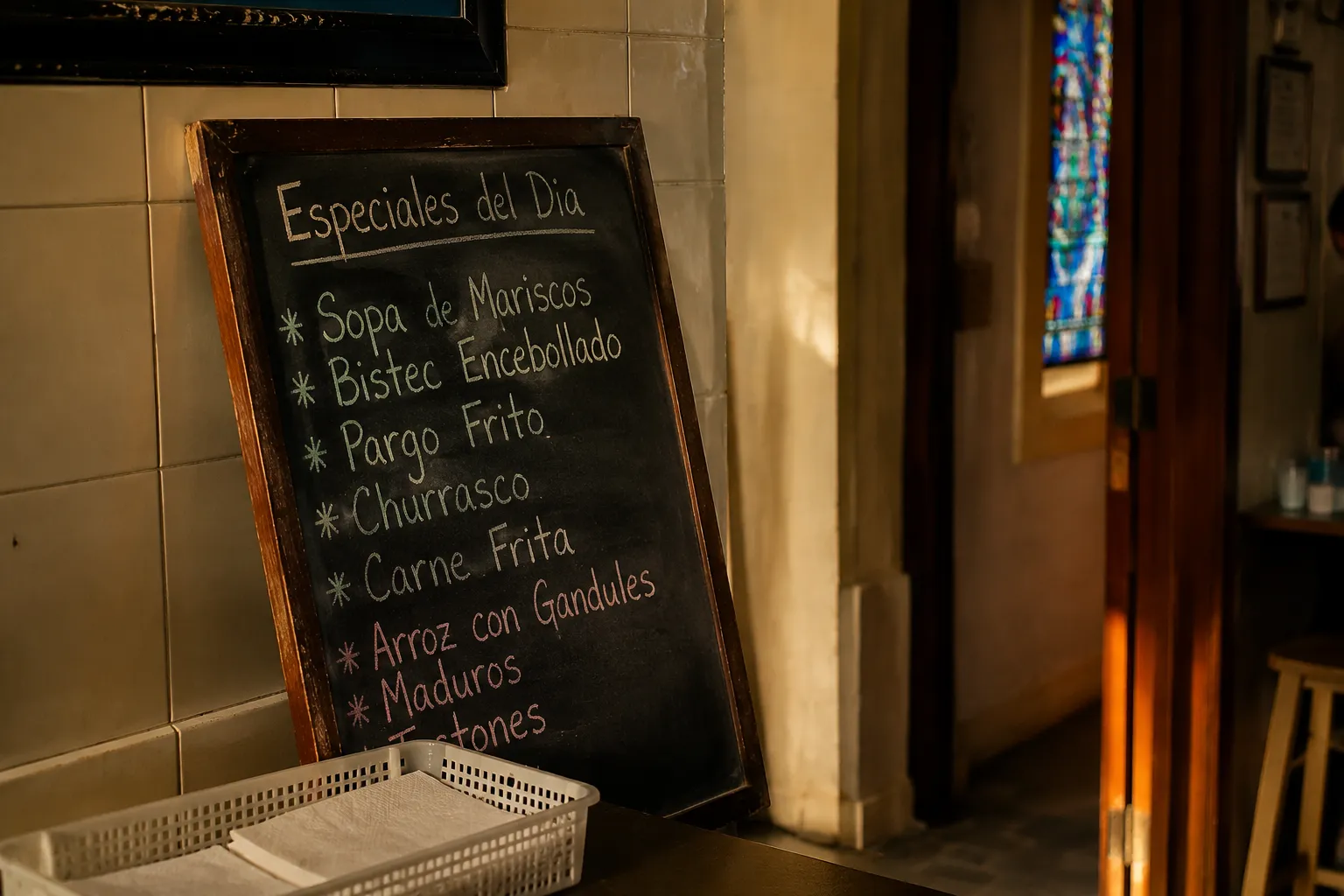
Because ajiaco boliviano isn't a permanent menu item at most Miami restaurants, the single most useful thing you can do is verify it's being served that day before you leave. Some kitchens post their weekly specials on Instagram or Facebook the night before; others rely on word-of-mouth and a chalkboard by the register. If you don't see it online and the restaurant has a listed phone number, call. If no one answers, that's not necessarily a bad sign—it often just means they're in the middle of service—but it does mean you're taking a chance.
The best ajiaco boliviano in Miami comes from kitchens that make it in small batches, which means scarcity is part of the experience. If you arrive and they're out, ask what time they usually start cooking it, or whether they'll have it tomorrow. Most places are happy to tell you, and some will even hold a bowl if you call early enough. The key is treating it like a moving target: the food is worth planning around, but the plan has to stay flexible. Checking same-day status, knowing a backup route, and being ready to pivot if a spot is closed or sold out—that's the rhythm that works.
Practical notes
- Most Bolivian restaurants serve ajiaco as a weekend or daily special, not a permanent menu item—call ahead or check social media.
- Westchester spots often run out by mid-afternoon on Sundays; arrive before 1:30pm for best availability.
- Bring cash for smaller family-run places, especially in Westchester; Doral restaurants are more likely to take cards.
- Afternoon storms can flood low sections of 87th Avenue in Doral—check radar if you're driving there in summer.
- The stew is heavy; plan for a forty-five-minute sit and a post-meal buffer before your next commitment.
- Parking is easier in Westchester and Doral than in central Miami; most spots have small lots or reliable street parking.
Tags: #karpo #miami #miamifoodies #bolivianfood #ajiacoboliviano #westchestermiami #doralmiami #miamieats #miamilunch #southamericanfood #localmiami #miamifoodscene #designdistrict #miamihiddengens #miamifoodie
Sources consulted: Miami-Dade County · City of Miami
All trademarks are the property of their respective owners.
Ask Karpo first
Text Karpo to confirm which restaurants are serving ajiaco boliviano today, check current wait times, and get a live route from wherever you are. It'll also hold a backup spot in case your first choice is sold out or closed, and can flag whether afternoon rain is likely to slow your drive to Doral.