In Los Angeles or San Francisco, tiki is an act of imagination about somewhere far away. In Miami, the Caribbean is ninety minutes offshore and a substantial share of the city is from there. That changes the whole proposition. A room here can be a rum bar — organised around what is in the bottle and who made it — or a tiki bar, organised around a fantasy of the tropics, and Miami is the one American city where confusing the two is genuinely a mistake.
Miami's rum rooms are scattered across four neighbourhoods that are nothing like each other, and picking wrong costs you half an evening in traffic. Tell Karpo what kind of room you want and where you are staying, and get the one that is actually close and actually open.
What actually separates the two
A rum bar's list is organised by production method and origin. Jamaican pot still rums announce themselves before the glass reaches your mouth. Martinique agricole is distilled from fresh cane juice rather than molasses and tastes grassy and mineral in a way molasses rum never does. Guyanese Demerara comes off wooden stills and carries a heavy, almost tarry sweetness. Haitian clairin is unaged, terroir-driven and closer to mezcal in spirit than to anything sold as rum in a supermarket.
A tiki bar's list is organised by drink. That is not a criticism — tiki is a real cocktail tradition with genuine technical rigour, and a well-made Zombie is a harder drink to execute than most things on a rum bar's menu. But if you walk into a tiki room hoping to taste four clairins side by side, you will be disappointed, and if you walk into a rum bar wanting a theatrical evening, you will find it quiet.
The rooms, and which neighbourhood each one is in
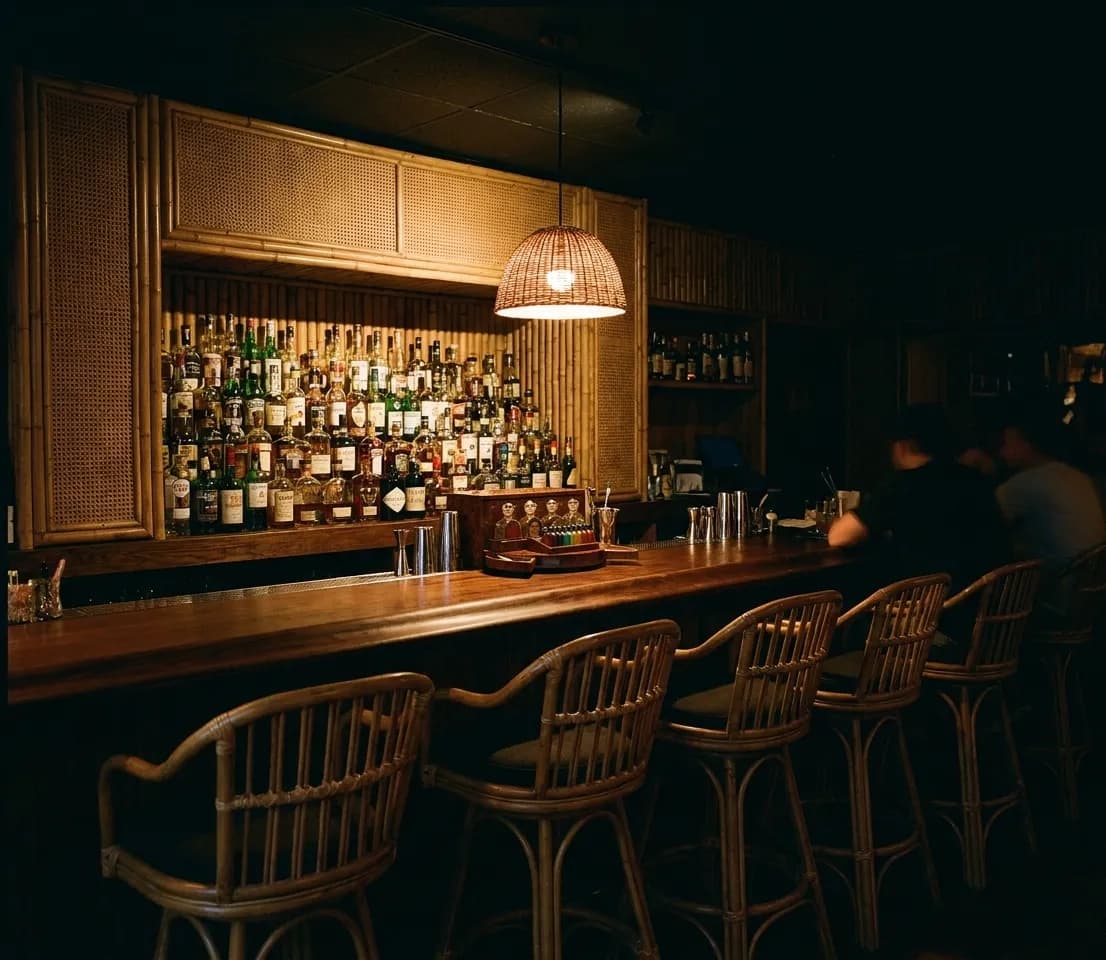
Kaona Room in Edgewater is the clearest rum-bar case in the city: a hidden speakeasy-format room with more than fifty rare and aged expressions and guided flights, which is the format that lets you actually taste the differences rather than read about them. A flight is the correct order here, not a cocktail.
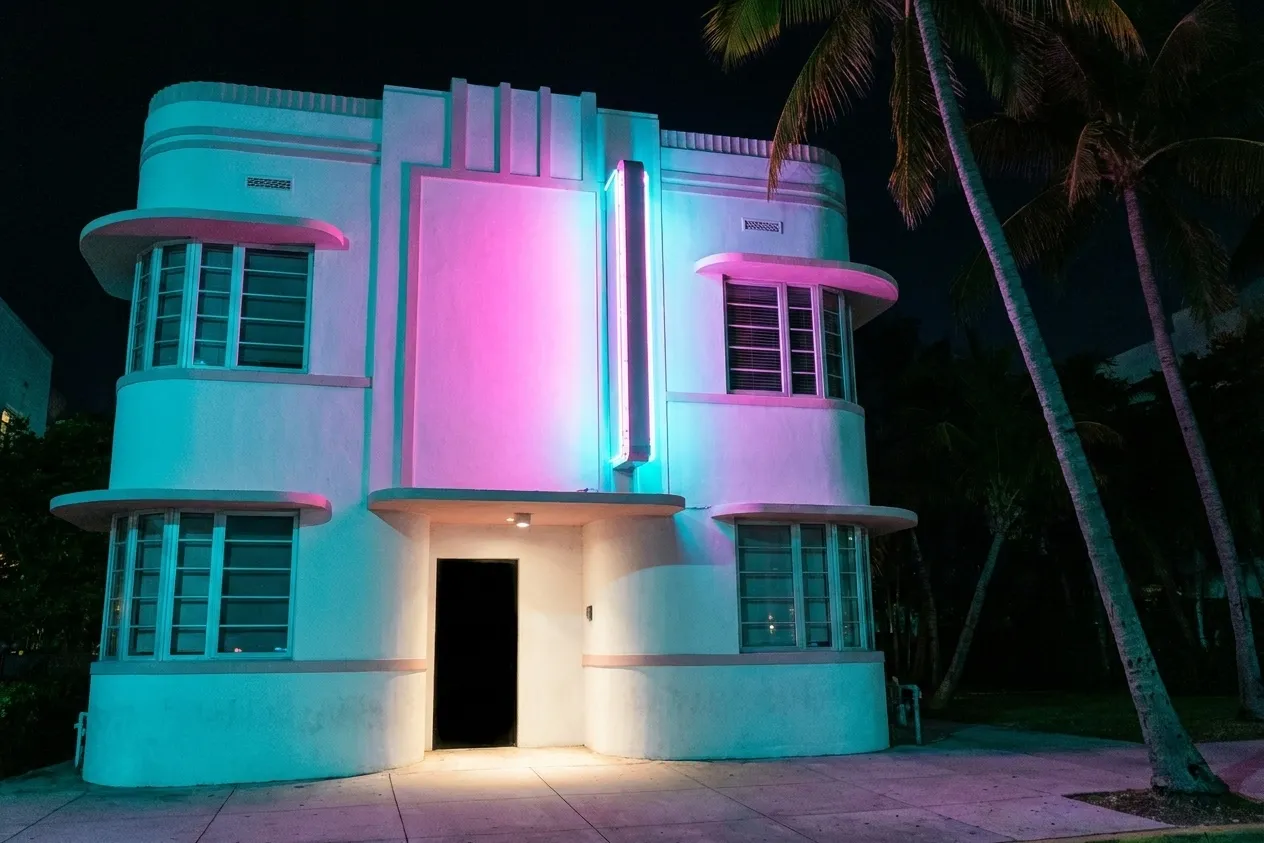
Delirio Tiki Bar by Swizzle is the strongest tiki-side room, tucked into a historic Art Deco building on Collins Avenue in South Beach and built by Danilo Bozovic, who came to it from the rum side rather than the theme side — which is why the drinks hold up. The Dead Flamingo on Calle Ocho is the most Miami thing on this list: a pop-up format that blends tiki energy with dive-bar attitude and Little Havana, with drinks like Abuelita's Vice built on overproof Haitian Barbancourt. That is a Caribbean rum in a tiki drink in a Cuban neighbourhood, which is a sentence you cannot write about any other city.
Ordering so you get what you came for
At a rum bar, ask for a flight and let the bartender pick the axis — three Jamaicans, or one each of pot still, agricole and Demerara. At a tiki bar, order the house signature rather than a classic you can get anywhere, because the signature is where the bar's actual point of view lives. And in either room, if a drink is described as overproof, take it seriously: overproof Haitian and Jamaican rums run well above the strength of standard spirits and the cocktails built on them are correspondingly brief.
The geography problem
Edgewater, South Beach and Little Havana are three quite separate parts of Miami, and the drive between them at night is not trivial. Pick one neighbourhood and stay in it rather than attempting a crawl across the city — a Little Havana evening and a South Beach evening are different nights out, not two stops on the same one. If you want both, do them on different days.
Practical notes
Kaona Room in Edgewater is the rum-led option, with fifty-plus rare expressions and guided flights — order a flight, not a cocktail. Delirio by Swizzle sits in an Art Deco building on Collins Avenue in South Beach and is the best-executed tiki room. The Dead Flamingo on Calle Ocho merges tiki with Little Havana and pours overproof Haitian rum. Learn the four categories — Jamaican pot still, Martinique agricole, Guyanese Demerara, Haitian clairin — and pick one neighbourhood per evening rather than crossing the city.
Cuban rum, and why you will not find it
The obvious question in a city this Cuban is where the Cuban rum is, and the answer is that the embargo means it is not legally imported into the United States. What Miami has instead is the diaspora's answer to that absence: brands founded by Cuban families in exile, produced elsewhere in the Caribbean and Latin America, using recipes and house styles carried out of the island.
A good rum bar here will walk you through that history if you ask, and it is a more interesting conversation than a tasting note. It also explains a lot about why Miami's rum culture feels different from Puerto Rico's or Jamaica's — it is organised around a gap, and around a set of families who spent sixty years working out how to fill it.
Tags: #RumBars #TikiBars #Miami #SouthBeach #LittleHavana #Edgewater #CocktailBars #CaribbeanRum #BarsAndNightsOut #MiamiNightlife #CalleOcho #MiamiGuide #RumCulture
Please drink responsibly. Must be of legal drinking age.
All trademarks are the property of their respective owners.
Ask Karpo first
Want to know which room fits the night you are after, how far it really is from where you are staying, and what to order once you are there? Ask Karpo for a rum room or a tiki room matched to your neighbourhood, current opening hours, and a second stop that does not require crossing the city.