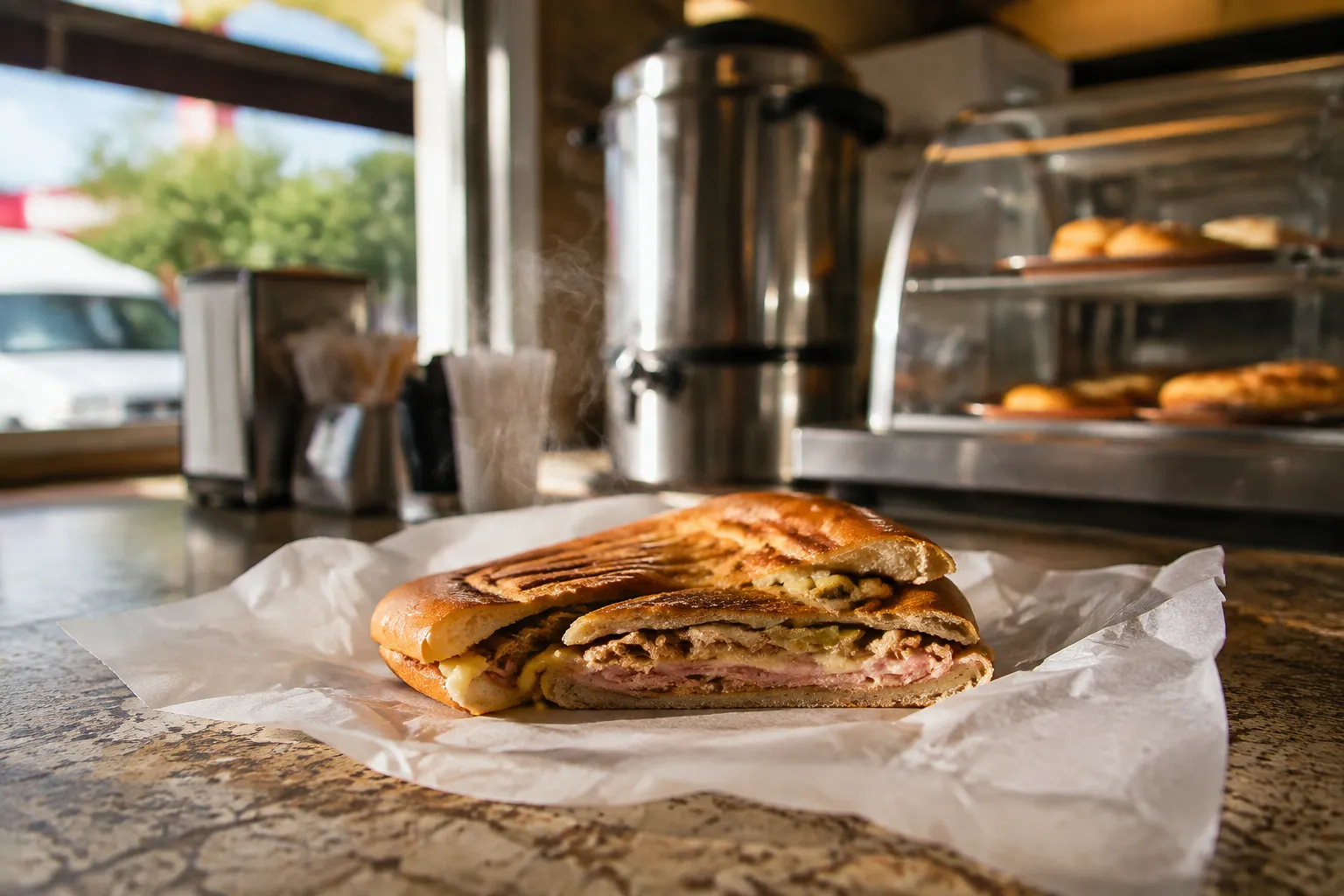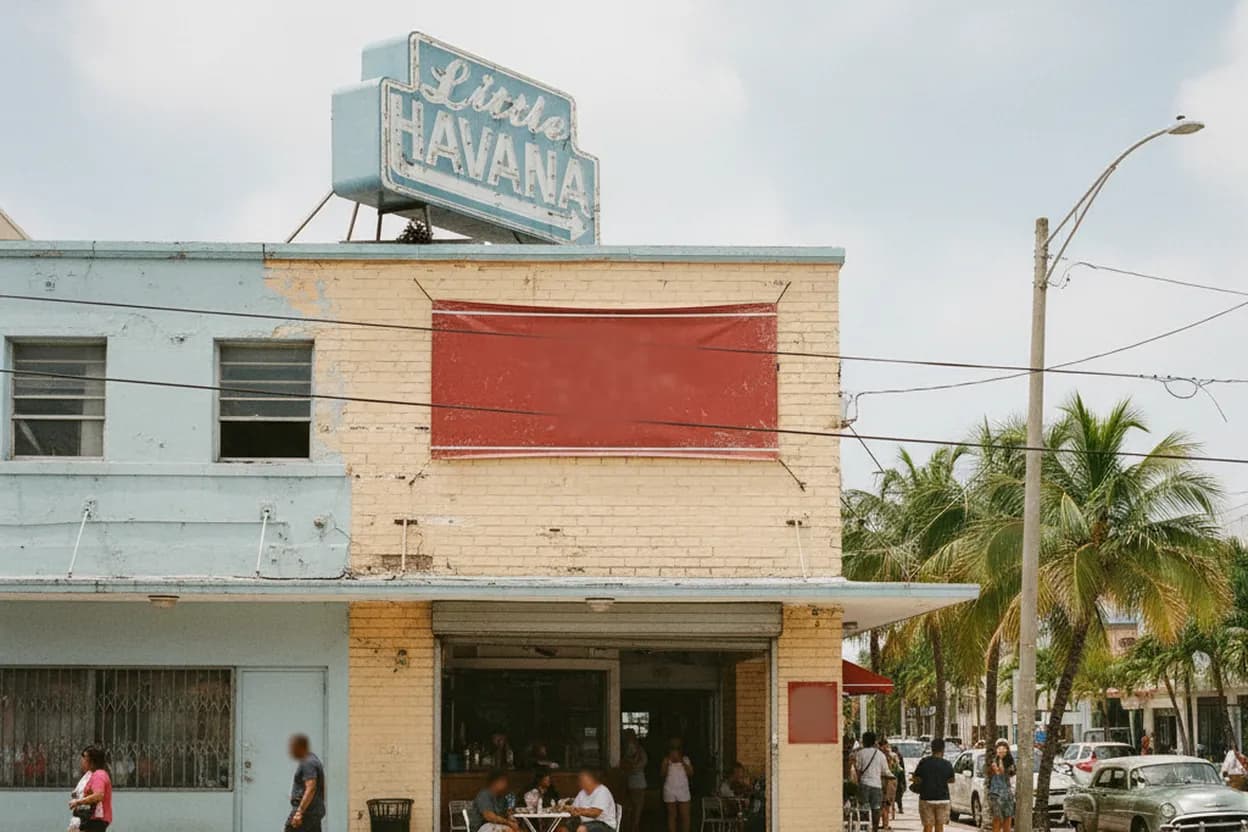
Miami’s restaurant scene has always balanced celebration with movement: dinner, live music, humid sidewalks, parked cars, rideshares, and friends deciding how the night ends. Renewed searches for jamie komoroski have pushed a national DUI tragedy back into public conversation, but the useful Miami question is local and practical. Around Little Havana, venues like Ball & Chain are not just places to order mojitos and dance; they sit inside a citywide safety ecosystem shaped by Florida DUI law, responsible alcohol service expectations, parking apps, transit limits, and Miami-Dade’s Vision Zero push. The smart evening plan is less dramatic: choose the driver, choose the exit, and verify the ride before the first round.
Want a safer Little Havana dinner plan? Text Karpo before you book, and get Miami-specific ride, parking, and venue checks that make the last decision of the night easier.

Ball & Chain on Calle Ocho Sets the Starting Point
Ball & Chain’s official listing places it at 1513 SW 8th Street in Little Havana, with food, cocktails, live music, and table booking encouraged for larger parties. That matters because this is not a quick in-and-out stop for many groups. The venue’s draw is lingering: dinner, salsa, late sets, and friends who may split into different ride plans after midnight. Build the safety plan around that reality, not around the first reservation time.
For an easy evening, treat Ball & Chain as the anchor and avoid stacking too many alcohol-heavy stops on Calle Ocho. The tradeoff is simple: fewer venues can feel less spontaneous, but the group keeps better track of keys, tabs, mobility needs, and who is leaving with whom. If the patio or music schedule changes, the backup is not another round by default; it is food, water, or moving to a confirmed ride pickup point.
Florida DUI Law Makes the Driver Choice Non-Negotiable
Florida Statute 316.193 defines DUI around impaired normal faculties or a blood- or breath-alcohol level of 0.08 or higher. It also lays out escalating penalties, including mandatory consequences when crashes cause injury or death. For Miami diners, the practical reading is blunt: a designated driver is not the person who “feels fine” after dinner. It is the person who has committed before arrival to stay sober enough to drive legally and safely.
Restaurants can offer pacing, food, water, staff training, and ride suggestions, but they cannot make a guest’s final transportation decision. That failure mode is why groups should assign transportation roles before ordering: one sober driver, one rideshare coordinator, and one person who checks that everyone leaves with the planned ride. If the driver drinks, the plan changes immediately. The car stays parked, even if moving it later is inconvenient or costs more.
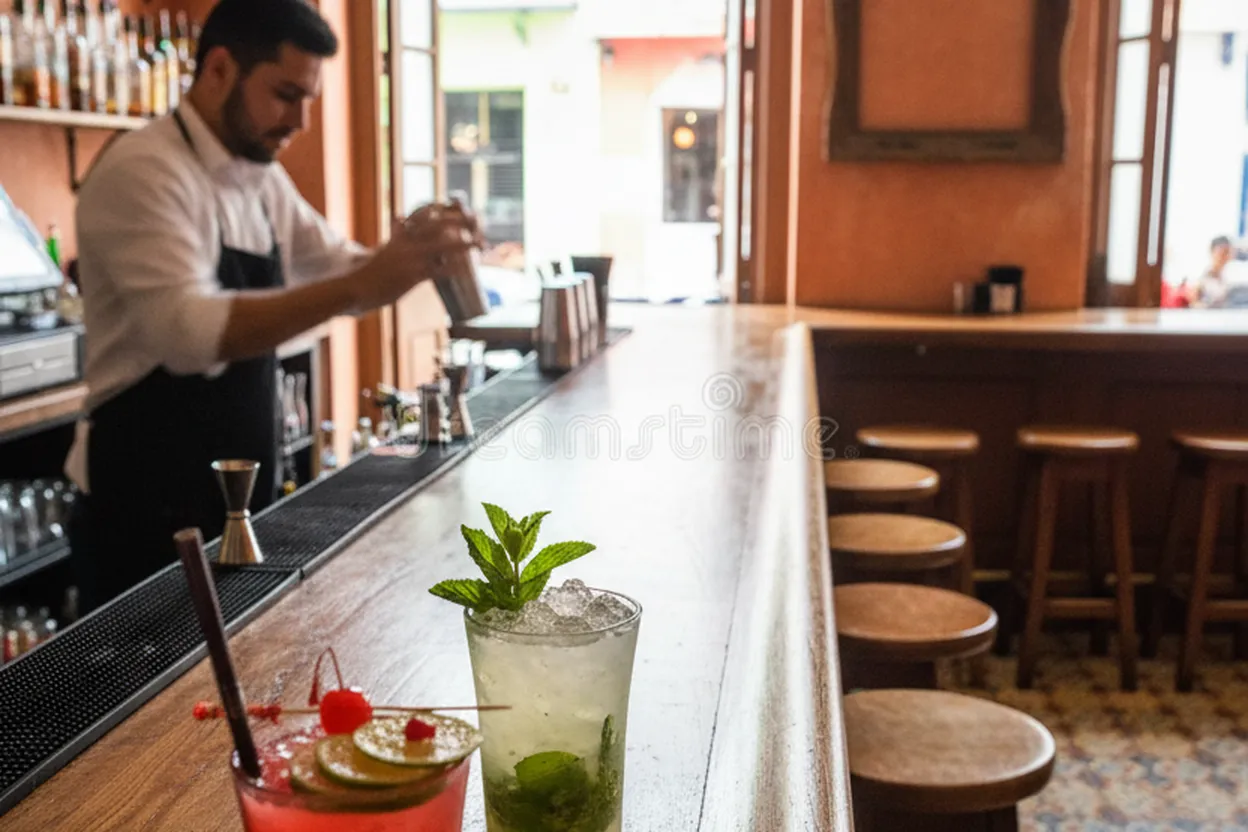
Miami-Dade Vision Zero Changes the Nightlife Lens
Miami-Dade’s Vision Zero program sets a county goal of ending traffic fatalities and serious injuries by 2040, with a Safe System approach that treats safety as shared responsibility. The county also identifies a culture of safety as part of the work, because street design alone cannot prevent impaired or distracted driving. For restaurant nights, that shifts the conversation from blame after a crash to redundancy before one.
In Little Havana, redundancy looks ordinary: a sober route, a backup ride app, a friend who can navigate, and a pickup spot that does not require crossing fast traffic mid-block. Humid evenings can slow walking pace, especially for older guests, visitors in dress shoes, or anyone with mobility needs. Choosing a calmer corner for pickup may add five minutes, but it reduces rushed decisions at the curb when music ends and everyone is hot, tired, and distracted.
PayByPhone Parking Can Help, But It Is Not a Safety Plan
Miami Parking Authority says on-street parking can be paid through PayByPhone or ParkMobile, with the same zone numbers and remote session extensions. Its PayByPhone guidance also says rates vary by location, so any price should be checked in the app at the actual curb. Parking flexibility is useful for dinner, but it can quietly tempt a group to preserve the original car plan after the driver has had drinks.
Use parking apps as a logistics tool, not as permission to drive. If the group decides to leave the vehicle overnight or retrieve it later, verify the posted rules, app session limits, and citation risk before walking away. Miami Parking Authority also warns against fraudulent QR codes on signs and points users to official apps. That is a small but real failure mode: do not let payment confusion become the reason someone rushes back behind the wheel.
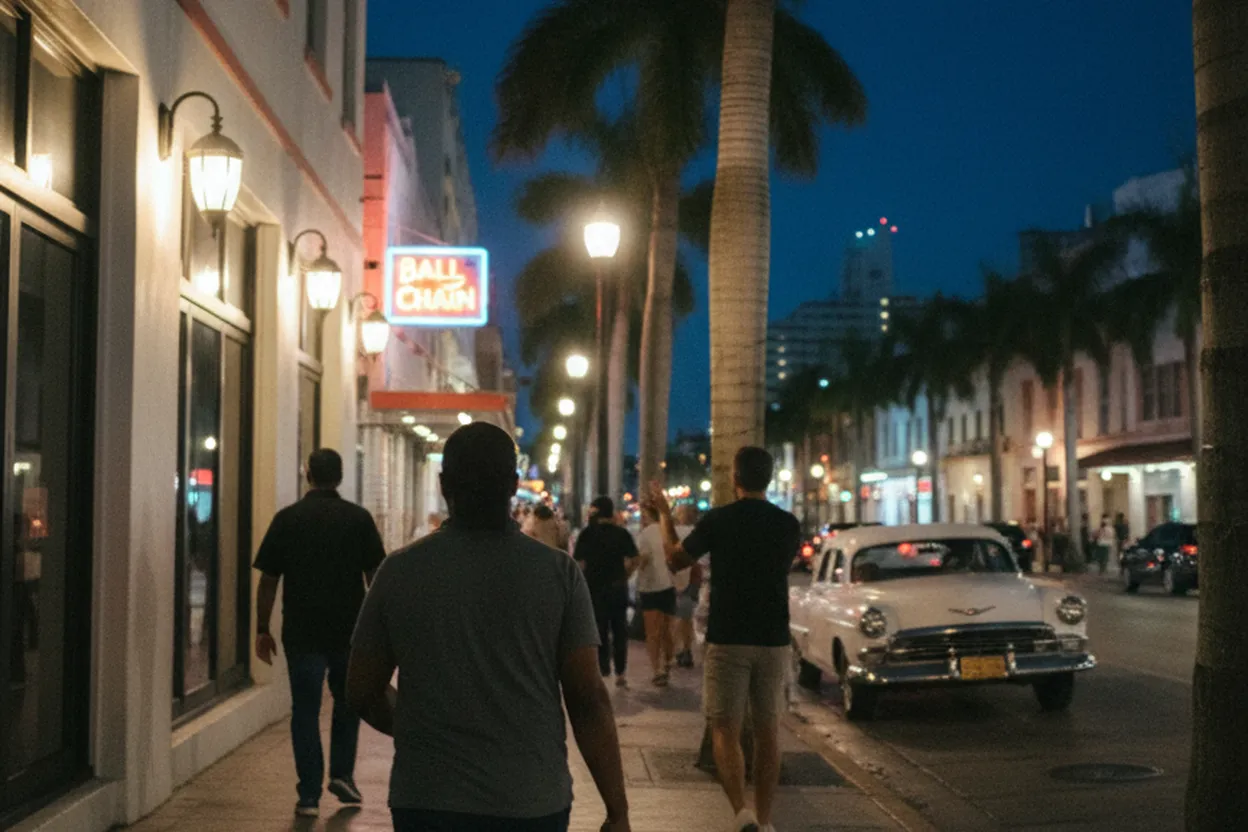
Metrorail and Metromover Are Useful, With Time Limits
Miami-Dade Transit lists Metrorail service from 5 a.m. to midnight, seven days a week, while Metromover service hours are 5:30 a.m. to 10 p.m. under the current adjustment. Those facts make transit helpful for early dinner or downtown connections, but limited for late Little Havana nightlife. Ball & Chain is not directly on Metromover, so most groups still need a bus, rideshare, taxi, or sober driver for the final leg.
The accessibility upside is that Metrorail stations offer elevators and escalator status checks, and Metrorail cars include bicycle racks. The downside is timing: a show that runs late can outlast the easiest transit option. Decide before dinner whether transit is the primary plan or just a partial plan. If anyone depends on step-free access, check station status and live service alerts before leaving the restaurant, not at the platform.
Responsible Vendor Training Belongs in the Decision Guide
Florida’s Responsible Vendor Act framework describes training for licensed alcohol vendors, including laws covering alcohol service and operations of establishments that serve alcoholic beverages. That does not mean every Miami restaurant is certified, and it does not replace personal responsibility. It does give diners a practical question to ask when planning a private dinner, birthday, or corporate night: how does the venue handle pacing, visibly intoxicated guests, water, food, and ride coordination?
For friends, the audience fit is different from a legal checklist. You want a place where ordering food is natural, nonalcoholic options are not awkward, and staff can help close out quickly if the group needs to leave. The tradeoff is that high-energy rooms can make quiet judgment harder. If someone is resisting the ride plan, move the conversation outside the noise, keep it factual, and separate the person from the car keys.
Check Ball & Chain, Transit Alerts, and the Ride App Before Leaving
The final useful action is a three-part verification: check Ball & Chain’s current hours or booking page, check Miami-Dade Transit alerts if transit is involved, and confirm the rideshare or taxi pickup location before anyone steps into traffic. Reputable tourism listings also describe Ball & Chain as a Little Havana live music venue with indoor and outdoor spaces, but the venue’s own site should control for hours, reservations, and event changes.
If the facts do not line up, choose the safer source and slower plan. A listed event may change, a parking zone may price differently than expected, or transit may run on a special schedule for major events. The best backup logic is boring and effective: wait inside or in a visible public area, hydrate, keep the group together, and do not let one uncertain detail turn into an unsafe drive.
Tags: #Miami #LittleHavana #MiamiRestaurants #CalleOcho #BallAndChain #DrivingSafety #DUIAwareness #ResponsibleService #MiamiNightlife #MiamiTransit #SafeRide #AskKarpo #BeforeYouGo #FriendsNightOut
Sources consulted: Source 1: ballandchainmiami.com · Source 2: flsenate.gov · Source 3: miamidade.gov · Source 4: miamidade.gov · Source 5: miamidade.gov · Source 6: miamiparking.com
All trademarks are the property of their respective owners.
Ask Karpo first
Tell Karpo your date, group size, budget, and starting point. We’ll check current access, timing, transit, and the cleanest Miami plan for Ball & Chain before you head out.