 MiMo District Free Indoor Weekend Plan Finder for Retro Fans
Free Things to Do
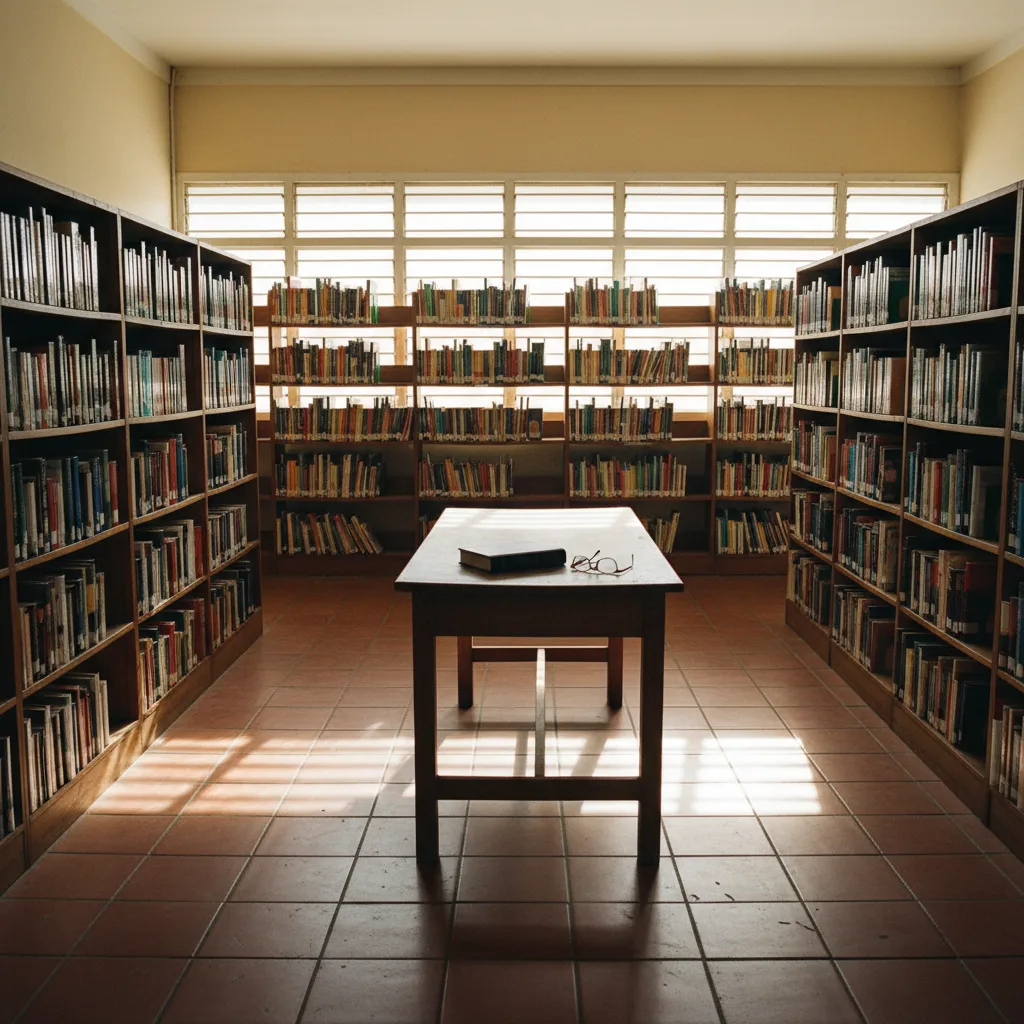
Little Havana Quiet Study Reading Alcove: Hispanic Branch
Little Havana's free quiet study reading alcove is the Hispanic Branch, opened in 1976 for Spanish-speaking readers, a calm stop a few blocks from Calle Ocho.
Little Havana's quiet study reading alcove is the Hispanic Branch of the Miami-Dade Public Library System, known in Spanish as the Rama Hispánica, which opened on August 2, 1976. It was the first branch in the system dedicated to serving a largely Hispanic community, and it sits a few blocks north of Calle Ocho, far enough from the music and the dominoes to keep its reading tables calm.
A Branch Built for a Community
The branch was created with a federal grant to serve the needs of Miami's growing Spanish-speaking population in the years after the Cuban exodus. Families who arrived with little more than a suitcase found newspapers, novels and reference books in their own language, along with English classes and help with paperwork. For many readers in the neighborhood, it became a second living room.
That purpose still shapes the room today. The shelves lean heavily toward Spanish-language literature, history and children's books, and local reporting has described how Cuban titles, some once carried out of the island in luggage, became part of the heart of Miami's library collections. Regulars include grandparents reading the papers, high school students working on assignments and newcomers practicing English with workbooks.
Finding Your Seat
The building is a neighborhood branch rather than a grand central library, so the number of tables is limited. Arrive early on weekdays if you want a long session, and choose a seat away from the computers and the children's area. If you prefer a book to a laptop, the stacks of Spanish fiction make a pleasant backdrop, and browsing between chapters is part of the experience.
The unwritten rule is courtesy. Many patrons are older residents who have used the branch for years, and they appreciate a quiet greeting and short conversations kept to the entrance. Students tend to arrive in the afternoon after school, so the morning is the better time for deep reading. If the room is full, it is easy to step outside, take a walk and return a little later. Bring a library card if you have one, because borrowing a Spanish novel to finish at home is one of the real pleasures of this branch, and holds placed online can be picked up here.

Skip Domino Park for Reading
Máximo Gómez Park on Calle Ocho, better known as Domino Park, is one of the most famous sights in Little Havana. Older men gather at its tables to play dominoes and chess, and the slap of tiles and the conversation are part of the neighborhood's soul. It is a wonderful place to watch for ten minutes, but it is not a reading spot, so skip it for study and visit it as a break instead.
For outdoor reading, walk to Cuban Memorial Boulevard, the shaded median along SW 13th Avenue. Its monuments honor Cuban independence heroes and the veterans of the Bay of Pigs, and a large ceiba tree offers deep shade. Benches here are quieter than the main street, and the sound of traffic is softer than the music of Calle Ocho. Bring water, since the shade shifts through the afternoon.
A Little Havana Reading Loop
A satisfying day starts with a cafecito at a ventanita, the walk-up coffee windows found along Calle Ocho. Then head north to the Hispanic Branch for a long morning of reading while the room is calm. Around lunchtime, walk back to Calle Ocho for a Cuban sandwich and a look at the Walk of Fame stars set into the sidewalk, and spend a few minutes watching the games at Domino Park.
In the afternoon, settle onto a bench on Cuban Memorial Boulevard for a final chapter, or walk east to José Martí Park beside the Miami River if you want water views. If the branch is busy or the weather turns, the Miami-Dade Main Library downtown is a short ride away and offers far more seating. Having that backup in mind means a full room never ruins the day.
Reading in Two Languages
The branch is especially useful for bilingual readers. If you are learning Spanish, borrow a novel you already know in English and read the two side by side. If you are learning English, the library's classes and conversation groups, when offered, are a practical way to build confidence. Check the system's event calendar for current programs, since they change during the year.
Families can make the visit a shared ritual. Children choose picture books in Spanish while adults read the newspaper, and the walk to Calle Ocho afterward becomes a reward. It is a simple, free way to keep the language alive at home, and it connects young readers to the neighborhood's history in a natural way. Parents who grew up in the neighborhood often say the branch was where they first borrowed books in both languages, and bringing their own children back closes that circle.
How Karpo APP Helps
Karpo APP can help you shape this routine. Tell it you are in Little Havana, want a free quiet place to read, and mention whether you prefer Spanish-language books, outdoor benches or a larger library. It can suggest an order for the Hispanic Branch, Cuban Memorial Boulevard, a lunch stop on Calle Ocho and a downtown backup, and it saves the plan for later. How full the reading room is on a given day is best judged when you walk in.
After each visit, add your own notes: which table was quietest, which bench had the best shade and which coffee window you liked most. Those notes turn the plan into a personal guide, and they make it easy to show visiting friends how to enjoy the neighborhood beyond the busiest blocks.
Little Havana Reading Summary
The Hispanic Branch, or Rama Hispánica, opened in 1976 as the first branch in the Miami-Dade system dedicated to a largely Hispanic community, and it remains Little Havana's best free quiet study reading alcove. Domino Park is for watching, not reading, while Cuban Memorial Boulevard and José Martí Park offer shaded outdoor seats.
Read at the branch in the morning, walk Calle Ocho at lunch and finish under the ceiba trees in the afternoon. Save the stops in Karpo APP so the plan is ready next time. It is a free way to enjoy one of Miami's most vibrant neighborhoods at a gentler pace.
Ask Karpo for more information.
Keep reading
- MiMo District Free Indoor Weekend Plan Finder for Retro Fans
 Coral Gables Free Indoor Weekend Plan Finder for Book Lovers
 South Beach Free Indoor Weekend Plan Finder for Rainy Days