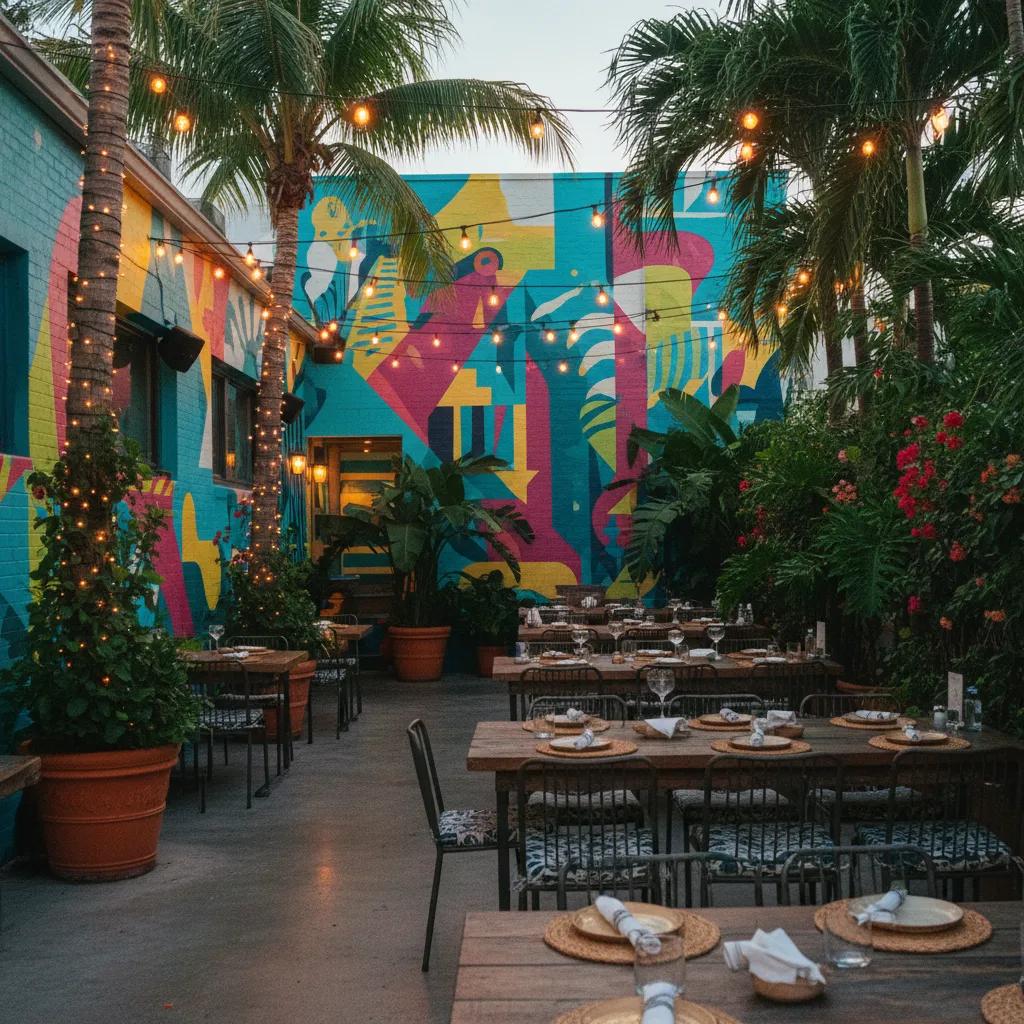
 Wynwood Mofongo Dinner Picker: Arts District Evening Plates
Restaurants

Upper East Side Pupusa Spot Picker: Central American Night
From Miami's Upper East Side, plan a Central American night that puts pupusas beside Honduran baleadas and Nicaraguan quesillo, with tips for a group.
An Upper East Side pupusa spot picker begins on Biscayne Boulevard, where retro motels, palm trees and bay breezes set a relaxed mood. This part of Miami is a great base, but the city's Central American food scene is spread across many neighborhoods, from Little Havana and Flagami to Sweetwater and the western suburbs. Miami is home to large Nicaraguan, Honduran and Salvadoran communities, and their kitchens often sit side by side. That makes it the perfect city to taste the pupusa alongside its regional neighbors. This plan helps a group of friends turn one evening into a Central American comparison night.
Why Compare Central American Comfort Food
Outsiders often lump Central American food together, but each country has its own signature dishes. El Salvador is proud of the pupusa, a stuffed corn cake cooked on a comal. Honduras is known for the baleada, a thick flour tortilla folded over beans, cream and cheese. Nicaragua brings quesillo, a soft cheese wrapped in a tortilla with pickled onions and cream, and vigorón, yuca with chicharrón and cabbage slaw.
Tasting them together shows how the same ingredients, corn, beans, cheese, cream and cabbage, take on very different forms. It is also a respectful way to honor the communities that make Miami's food scene so rich.
Starting on the Upper East Side
Begin with an easy walk on Biscayne Boulevard to admire the mid-century motel signs and curved buildings of the MiMo district. Then head toward the bay at Legion Park or along the quiet streets of Morningside for a sunset view. The calm water and palm silhouettes are a lovely way to start the evening.
Meet your group there and decide on a plan. A car or rideshare is the simplest way to reach Central American kitchens further west, and splitting rides makes the trip easier for everyone.
Stop One: The Pupusa
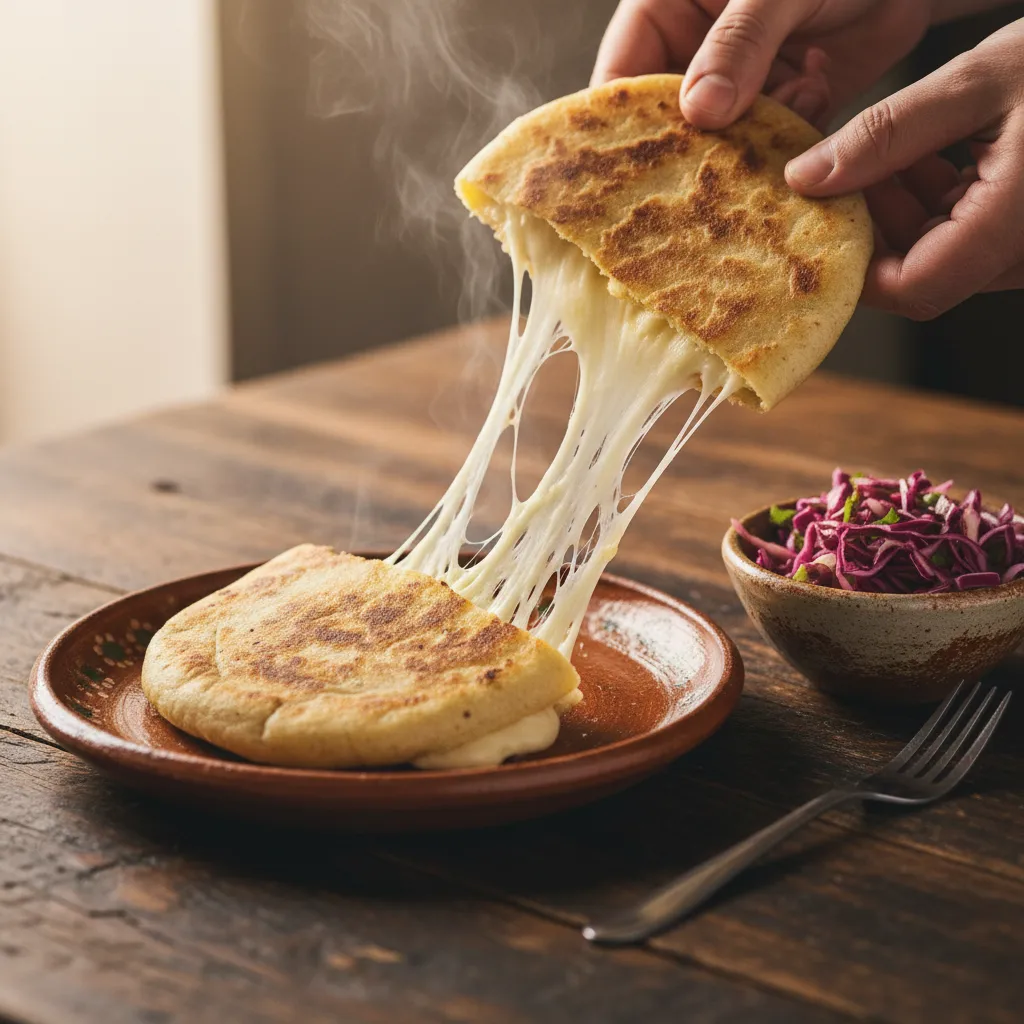
Start with the Salvadoran kitchen. Look for a busy spot where cooks pat masa by hand and the comal stays covered with rounds. Order revuelta, the mix of cheese, beans and ground chicharrón pork, and queso con loroco, cheese with the green flower buds of a Central American vine.
Pupusas come with curtido, a tangy cabbage slaw, and a thin tomato salsa. Eat them by hand and pay attention to the crisp edges and soft, cheesy middle. If the kitchen offers rice-flour pupusas, try one too. They are chewier and softer than corn, and many Salvadorans have strong opinions about which one is best.
Stop Two: The Baleada
Next, find a Honduran kitchen for baleadas. A simple baleada has refried red beans, crumbled cheese and mantequilla, a tangy Honduran cream, folded inside a thick, soft flour tortilla. A loaded version may add eggs, avocado or grilled meat.
Compare the texture right away. The baleada is pillowy and chewy, while the pupusa is dense and crisp at the edges. One is built from wheat, the other from corn. Both are beloved breakfast and late-night foods back home, and both taste best fresh off the griddle.
Stop Three: Nicaraguan Plates
Finish with Nicaraguan comfort food. Quesillo is a soft, stretchy cheese wrapped in a warm tortilla and topped with cream and pickled onions, often served in a small plastic bag at street stands back home. Vigorón is a plate of boiled yuca topped with crispy chicharrón and a tangy cabbage salad, served on a banana leaf.
Notice how cabbage salad appears again, just like curtido with pupusas. Pickled cabbage is a thread that runs through the whole region, adding crunch and acid to rich, heavy dishes.
Spotting the Shared Ingredients
Once you have tasted all three stops, look back at the table and notice what keeps repeating. Beans show up in every country, but in different forms: refried and smooth inside a pupusa, red and well seasoned in a baleada, and often cooked with rice as gallo pinto on Nicaraguan breakfast plates. Fresh cheese, sour cream and pickled vegetables appear again and again.
Corn and wheat tell a story too. The pupusa holds on to corn masa, an ingredient with deep roots in the region, while the baleada shows how wheat flour tortillas became part of daily life on the Caribbean side of Honduras. Yuca and plantains, both central to Nicaraguan plates, link the region to the wider Caribbean, which is part of why these dishes feel so at home in Miami.
Ask your group to name one ingredient they would steal from each country for an imaginary fusion plate. A pupusa with Honduran cream and Nicaraguan pickled onions might be the most popular answer of the night.
Keeping the Night Manageable
Three stops can be a lot of food. Order small, share every plate and pace yourselves. For a group of four, one or two dishes per stop is plenty. If you prefer a single location, look for a Central American restaurant that serves food from several countries, which many Miami kitchens do.
Bring a small notebook or keep notes on your phone. After each stop, rate texture, flavor and comfort on a simple scale. At the end of the night, compare scores and argue happily over the winner.
Drinks Across the Region
Each country has its own drinks too. Salvadoran horchata is made with toasted morro seeds and spices, giving it a nutty, earthy flavor. Honduran and Nicaraguan kitchens often serve fresh fruit refrescos, such as cacao, tamarind, pineapple or chía with lime.
Pinolillo, a Nicaraguan drink made from toasted corn and cacao, is thick and comforting. Ask your server to recommend something local. These drinks are often the best introduction to a region's flavors.
Respectful Ways to Explore
Remember that these kitchens are part of tight-knit communities. Be patient during busy hours, try a few words of Spanish and ask questions about the food. Most cooks and servers are proud to share the story behind their dishes.
Avoid comparing one country's food as better than another in front of the staff. Treat the night as a celebration of neighbors rather than a competition. The goal is to learn and enjoy, not to crown a single winner.
Ending Back on Biscayne
Head back to the Upper East Side for a slow walk along the boulevard or a quiet moment at the bay. If you have room, pick up a dessert to share, such as tres leches, a soaked sponge cake loved across Central America, or a Salvadoran quesadilla, a dense sweet cheese cake.
Sitting by the water after a night of tasting gives you time to talk through what you learned. Most groups leave with a new favorite and a plan to come back.
Planning the Night With Karpo APP
Open Karpo APP and ask for relaxed Salvadoran, Honduran and Nicaraguan kitchens that suit a group comparison night from the Upper East Side. Karpo can help you plan the order of stops and save your favorites, so the next Central American night is even easier.
Ask Karpo for more information.
Keep reading
- Wynwood Mofongo Dinner Picker: Arts District Evening Plates
 Allapattah Mofongo Dinner Picker: Dominican Heritage Plates
 Little Havana Mofongo Dinner Picker: Calle Ocho Sunset Bowls