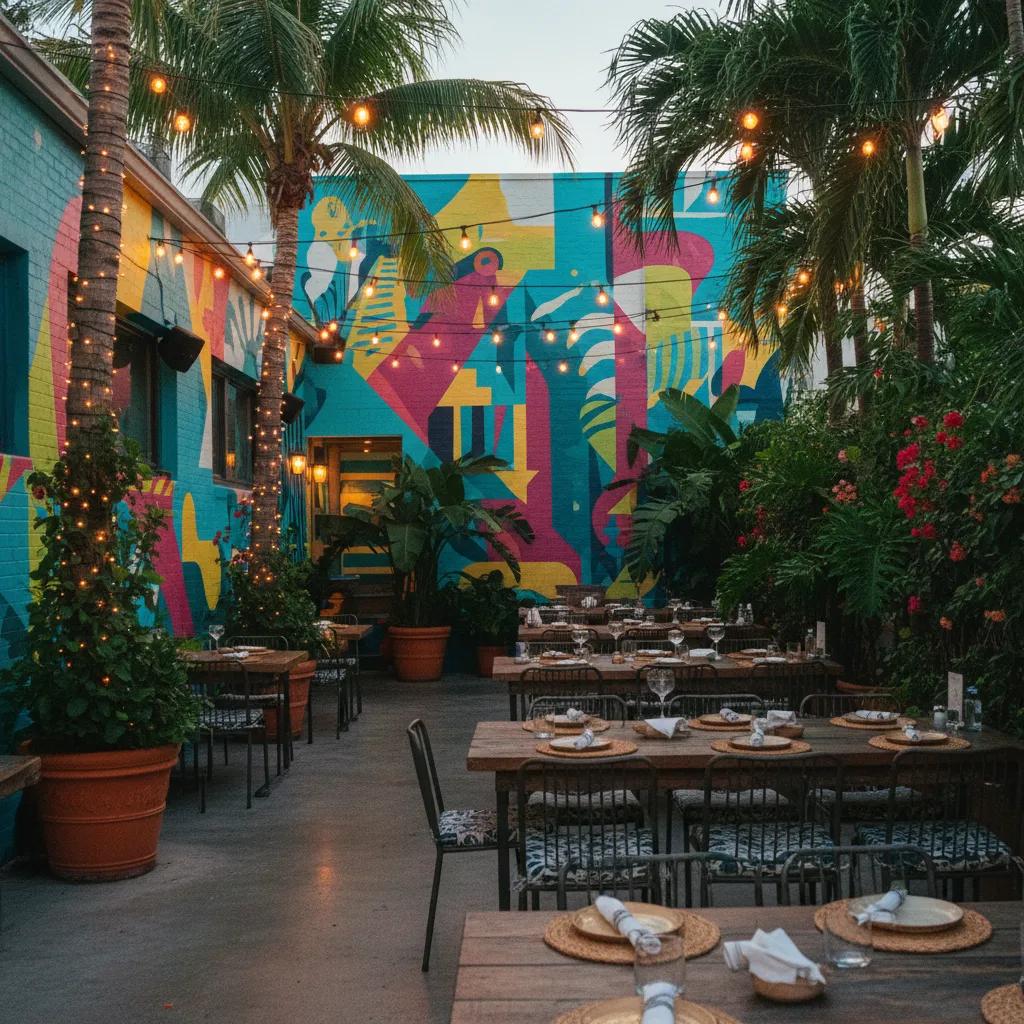
 Wynwood Mofongo Dinner Picker: Arts District Evening Plates
Restaurants
Little River Pupusa Spot Picker: Studio Morning, Masa Lunch
Spend a slow morning watching potters and woodworkers in Little River's warehouse studios, then sit down to hand-patted Salvadoran pupusas made with equal care.
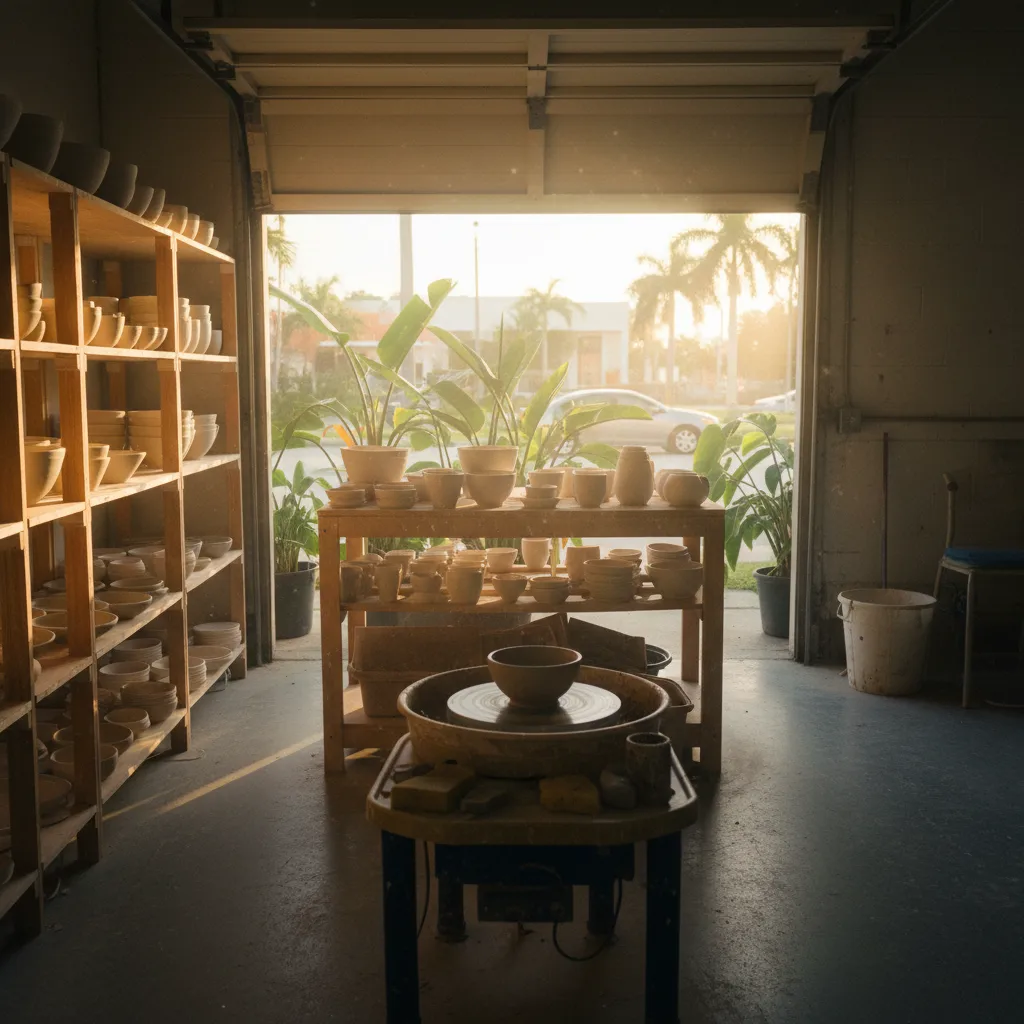
A Little River pupusa spot picker is really a day about hands. This quiet corner of Miami, north of the Design District and beside Little Haiti, is full of low warehouses where ceramicists, woodworkers, printmakers and furniture builders work behind roll-up doors. On a slow morning you can wander between studios, watch clay rise on the wheel and smell fresh-cut wood. Then, when you are hungry, head to a Salvadoran kitchen where cooks shape masa by hand and press it onto a hot comal. Seen after a morning among makers, a pupusa looks less like fast food and more like what it is: a small, skilled piece of handwork.
Why Pair Studios With Pupusas
Pupusa making is a craft passed down in families across El Salvador. Cooks judge the masa by feel, adding water until it is soft but not sticky, then cup a ball in one palm and pat it round while turning it. The filling goes into a hollow, the edges fold over, and the cake is flattened again without tearing. A skilled cook makes it look effortless, but anyone who has tried at home knows it takes practice.
That is why the pairing works. After watching a potter center clay or a woodworker plane a board, you notice the same patience at the griddle. The day becomes a small lesson in how people make things well, from bowls to lunch.
A Slow Studio Morning
Many Little River studios open their doors on weekends or during community open studio days, and some host workshops or small markets. Walk the side streets, look for open roll-up doors and step in only when you are welcome. A quiet hello and a question about the work is usually the best way to start a conversation.
Move slowly. Watch a single process from start to finish rather than racing through every door. Seeing one bowl thrown, trimmed or glazed teaches more than a quick look at a hundred finished pieces, and it sets the right mood for lunch.
Studio Manners
Working studios are not shops first. Ask before taking photos, especially of unfinished pieces or people at work. Keep hands off drying pottery and tools, and keep an eye on children around wheels, kilns and saws. If a maker is concentrating, wait a moment before speaking.
If you love something, ask about it. Many makers are happy to explain their clay, their wood or their printing method. Buying a small piece, signing up for a class or simply following their work is a kind way to support the neighborhood's creative community.

Finding a Kitchen With Hands at Work
Little River itself has a mix of Haitian, Caribbean and Latin American food, and Salvadoran and Central American kitchens are spread across North Miami, the areas along Biscayne and the neighborhoods to the west. A short drive or ride brings you to many good options.
Choose a place where the griddle is visible and cooks are shaping pupusas to order. That open view is the whole point of today. Sit where you can watch, and notice how the cook moves: the quick pat, the turn, the fold, the press. It is a performance you can eat.
Reading the Masa
Watch closely and you will see the masa change. Fresh dough looks pale and matte. On the comal, it turns golden in patches, and the edges firm up first. Good cooks flip each pupusa once or twice and press lightly so the filling melts without leaking. A little cheese escaping and crisping at the edge is a happy accident many fans enjoy.
Rice-flour pupusas, called pupusas de arroz, look a little whiter and feel softer and chewier. If the kitchen offers both, order one of each and compare. It is the food version of comparing two clays at a pottery studio.
What to Order
Begin with revuelta, the traditional mix of cheese, beans and chicharrón, a finely ground seasoned pork. Then try queso con loroco, cheese with the small green buds of a Central American flowering vine that taste fresh and gently floral. For a simpler plate, frijol con queso shows off the masa itself.
Every order comes with curtido, a tangy pickled cabbage slaw, and a thin tomato salsa. Tear your pupusa by hand, pile on a little slaw, add salsa and eat it while it is hot. If you are with friends, share fillings so everyone tastes the range.
A Haitian Neighbor at the Table
Little River's close tie to Little Haiti means you may also cross paths with Haitian cooking during the day. Notice how both cuisines love a bright, sour, crunchy side. Salvadoran curtido is cabbage pickled with vinegar and oregano, while Haitian pikliz is a fiery pickle of cabbage, carrot and hot pepper. Each one cuts through rich food in its own way.
If you pass a Haitian bakery on the way to lunch, pick up a small pastry for later and taste the two traditions side by side. Talking about these crossovers with friends is a fun way to see how Miami's communities share ideas through food.
Drinks and Dessert
Order horchata Salvadoreña, made with toasted morro seeds, for a nutty and creamy drink, or tamarindo for something tart and cooling after a warm walk between studios. On a cooler morning, atol de elote, a sweet hot corn drink, is a comforting choice.
For something sweet, look for quesadilla salvadoreña, a dense cake with a hint of cheese, or empanadas de plátano filled with custard. They are easy to share at the table and a gentle ending before an afternoon visit to one more studio.
Try Your Hand at Home
Watching a cook may inspire you to try. Buy masa harina at a Latin grocery and mix it with warm water until it feels like soft clay. Wet your hands, roll a ball, press a hollow with your thumb, add cheese and beans, then fold and flatten. Your first ones will crack, and that is normal. Cook them on a dry, hot skillet until spotted and golden.
Make curtido the day before so it has time to pickle. Invite friends over and set up a patting station, just like a studio workshop. Everyone ends up with uneven pupusas and plenty of laughter, which is exactly the point.
Who This Day Suits
This plan is great for artists, design lovers and anyone who enjoys handmade things. It also suits couples looking for a slower weekend date, visiting friends who want to see a less touristy side of Miami, and families with older kids who are curious about how things are made.
Bring comfortable shoes, a tote for any small ceramics you buy and a little patience. The best moments in Little River often come from lingering at one open door a few minutes longer.
Shaping the Day With Karpo APP
Open Karpo APP and ask for Salvadoran kitchens a short ride from Little River where you can watch pupusas being made by hand. Karpo can help you plan a relaxed makers' day and save favorite spots for your next studio morning.
Ask Karpo for more information.
Keep reading
- Wynwood Mofongo Dinner Picker: Arts District Evening Plates
 Allapattah Mofongo Dinner Picker: Dominican Heritage Plates
 Little Havana Mofongo Dinner Picker: Calle Ocho Sunset Bowls