 Wynwood Domino Set Gift Browsing Walk: Acrylic Designs
Hidden Gems & Odd Finds
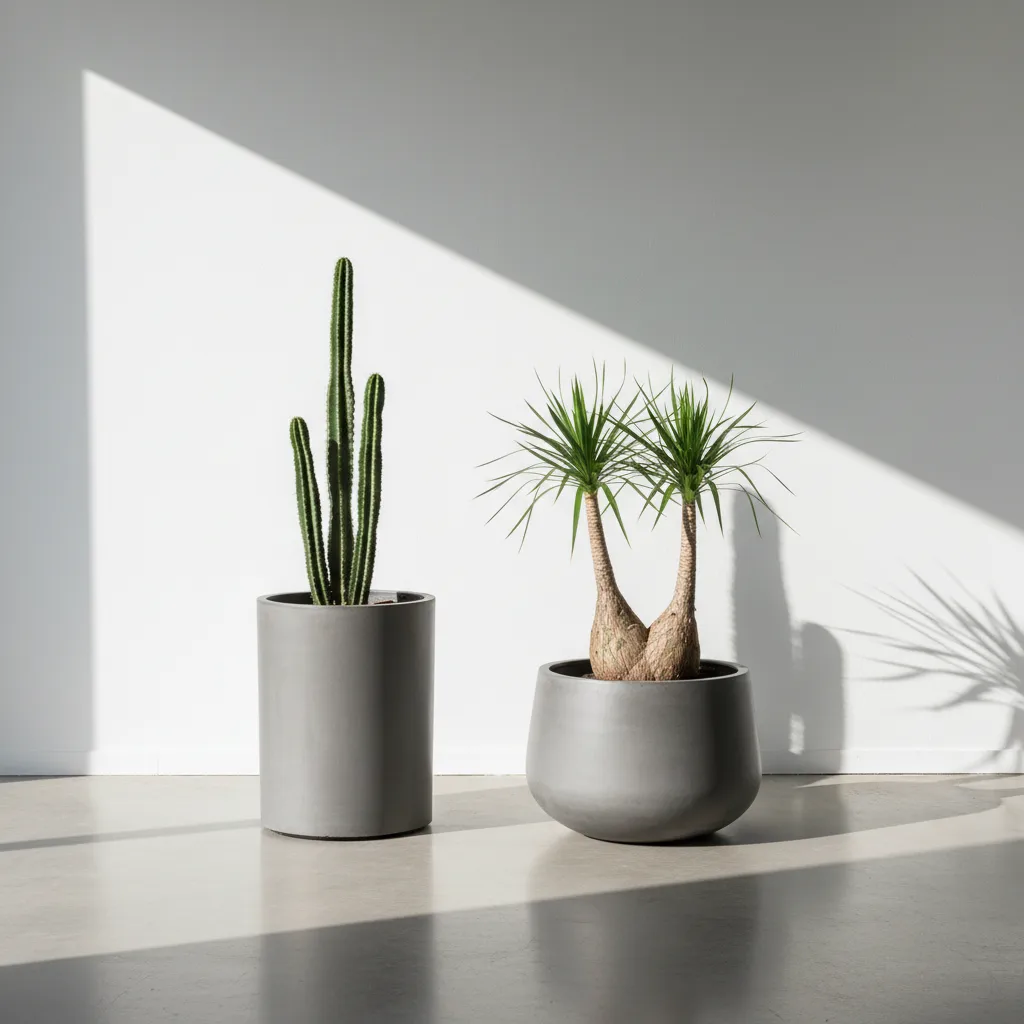
Design District Plant Shop Crawl Planner: Sculptural Plants
Plan a Design District plant shop crawl for sculptural plants: read shapes like furniture, pair them with statement pots and place them like a gallery piece.
The Miami Design District is a place where people stop to look at the shape of a chair, the curve of a building and the texture of a wall. That same eye works beautifully on plants. Instead of filling a room with leaves, design lovers here often choose one or two plants the way they would pick a lamp or a sculpture: for silhouette, scale and presence. This plant shop crawl planner is for anyone who wants greenery that reads as a design statement. It walks you through how to judge a plant by its form, how to match it with a pot, and how to use the neighborhood's showrooms and public art as a free lesson in placement.
Seeing Plants the Way Designers Do
Designers tend to look at an object in three ways: its outline against a wall, the space it takes up on the floor and how it changes as you walk around it. Apply those questions to a plant. A snake plant gives you strong vertical lines. A fiddle leaf fig offers a broad, leafy canopy. A ponytail palm reads almost like a fountain, with a bulbous base and a spray of thin leaves.
Before you leave home, photograph the corner, shelf or entry you want to fill. Note the color of the floor, the wall and the furniture nearby. Having those images on your phone makes it far easier to judge whether a plant in a crowded shop will look right once it stands alone in your space.
Shapes That Act Like Sculpture
Some plants are almost architectural. Columnar cacti rise like slim pillars and suit narrow spots beside a sofa or a doorway. Euphorbias with candelabra branches bring drama to a bright corner. Bird of paradise has paddle-shaped leaves that fan out like a folding screen. Olive trees in containers add a soft silver tone and a gently twisted trunk.
For tabletops, look at small sculptural forms: a round barrel cactus, a twisting string of pearls trailing from a shelf, or a staghorn fern mounted on wood like a living wall piece. One strong shape usually makes more impact than a cluster of small, similar pots, so let each plant have some breathing room.
The Pot Is Half the Design
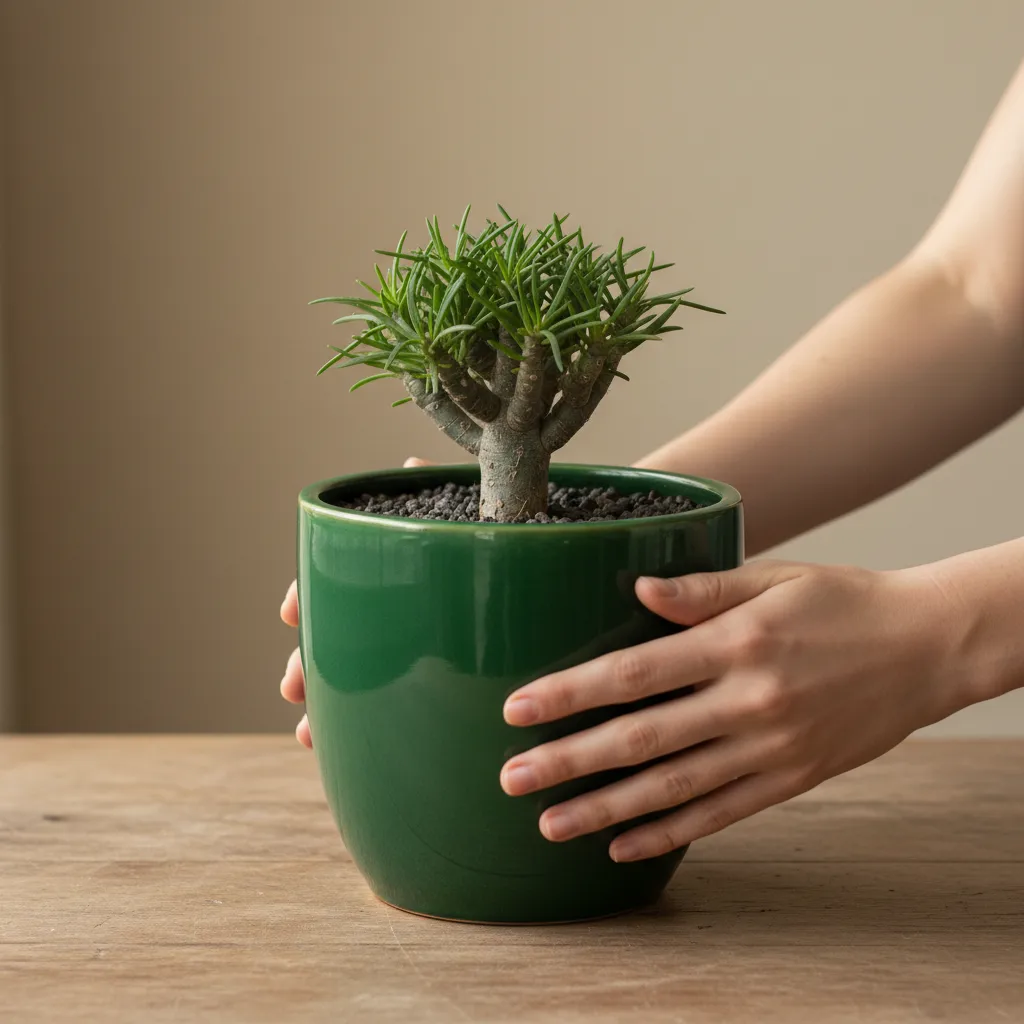
In a design-led room, the planter matters as much as the plant. Matte concrete feels calm and modern. Glossy glazed ceramic adds color and reflection. Terracotta warms up a white space and lets roots breathe. Woven baskets soften hard floors. Pick a pot finish that repeats something already in the room, such as the tone of a rug or the sheen of a table.
Think about proportion too. A tall, slim plant often looks best in a low, wide pot that anchors it. A wide, leafy plant can sit in a taller cylinder that lifts it off the floor. Check that the pot has drainage, or plan to use a plastic grow pot inside a decorative one so water never pools at the roots.
Learning From Showrooms and Public Art
The Design District is full of furniture showrooms, fashion boutiques and outdoor sculptures, and many of them use plants with care. As you walk, notice where greenery appears: a single tree beside a staircase, a row of matching planters along a facade, a lush wall framing a courtyard. These choices show how much space a plant needs to look intentional.
Pay attention to how light falls in covered walkways and shaded plazas. Plants placed in bright but indirect light keep their shape and color. You can borrow these lessons for your home, from lining up two identical pots at an entry to placing a tall plant where it frames a view rather than blocking it.
Planning a Crawl Around the Neighborhood
The district is compact and easy to explore on foot, which makes it ideal for a slow, look-first crawl. Start with a coffee and a loop of the main streets to collect ideas, then visit plant shops and nearby nurseries with a clearer sense of what you want. Many shoppers also continue to garden centers in surrounding neighborhoods for larger specimens.
Go in the cooler part of the day if you can, especially in warm months, since you will be carrying pots and standing in sunny yards. Bring a small tape measure, your room photos and a short list of two or three shapes you liked. That focus keeps you from bringing home five plants that all compete for attention.
Light and Care for Statement Plants
A sculptural plant only works if it stays healthy. Cacti, euphorbias and olive trees want strong light, so place them near a bright window or on a sunny balcony. Snake plants and ZZ plants tolerate lower light and suit hallways or bedrooms. Bird of paradise and fiddle leaf figs need bright, steady light and dislike being moved around.
Ask shop staff how the plant has been grown. One raised in a shaded greenhouse may need a few weeks to adjust to brighter sun. Rotate pots every couple of weeks so the shape stays balanced rather than leaning toward the window, and wipe large leaves now and then so they keep their sheen.
Making One Plant Feel Like a Feature
Treat a statement plant like a piece of art. Give it a clear wall behind it, a little space on each side and, if possible, a light source that catches its outline in the evening. A simple floor lamp or an uplight placed behind a plant throws dramatic shadows on the wall and makes a modest plant look grand.
Limit nearby clutter. A plant surrounded by books, cables and decor loses its impact. If you have several plants, group them in odd numbers with different heights, and use pots from the same family of colors or materials so the arrangement looks planned rather than random.
Getting Large Plants Home in One Piece
Tall plants and heavy planters need a plan. Measure your car before you buy, and bring a blanket to protect seats and cushion the pot. Lay tall plants on their side with the root ball supported, and keep spiky cacti wrapped in newspaper or cardboard so they do not snag fabric or hands.
For very large pieces, ask whether the shop can deliver or suggest a local service. Buy decorative planters separately if they are fragile, and repot at home once you have chosen the final spot. Give the plant a week to settle before moving it again.
Building a Collection Over Time
Design-minded homes rarely come together in one weekend, and plant collections are no different. Start with a single anchor plant in your main room, live with it for a few weeks and notice how it changes the space. Then add a second plant that echoes or contrasts its shape, such as a soft trailing plant beside a stiff upright one.
Keep a small note on your phone of the plants you own, where they sit and how often you water them. When you return to the Design District for another look, that list helps you choose pieces that fit your growing collection instead of repeating what you already have.
Your Next Design District Stroll
A plant crawl here is as much about training your eye as about shopping. Walk slowly, notice shapes and textures, and let the neighborhood's mix of design and greenery guide your choices. The goal is a home where every plant earns its place, like a well-chosen chair or a favorite print.
When you are ready to explore plant shops and garden stores around the district, the Karpo APP can point you to options nearby. Start with one sculptural plant, pair it with the right pot and give it the spotlight it deserves.
Ask Karpo for more information.
Keep reading
- Wynwood Domino Set Gift Browsing Walk: Acrylic Designs
 Coral Gables Domino Set Gift Browsing Walk: Wood Sets
 Little Havana Domino Set Gift Browsing Walk: Clay Tiles