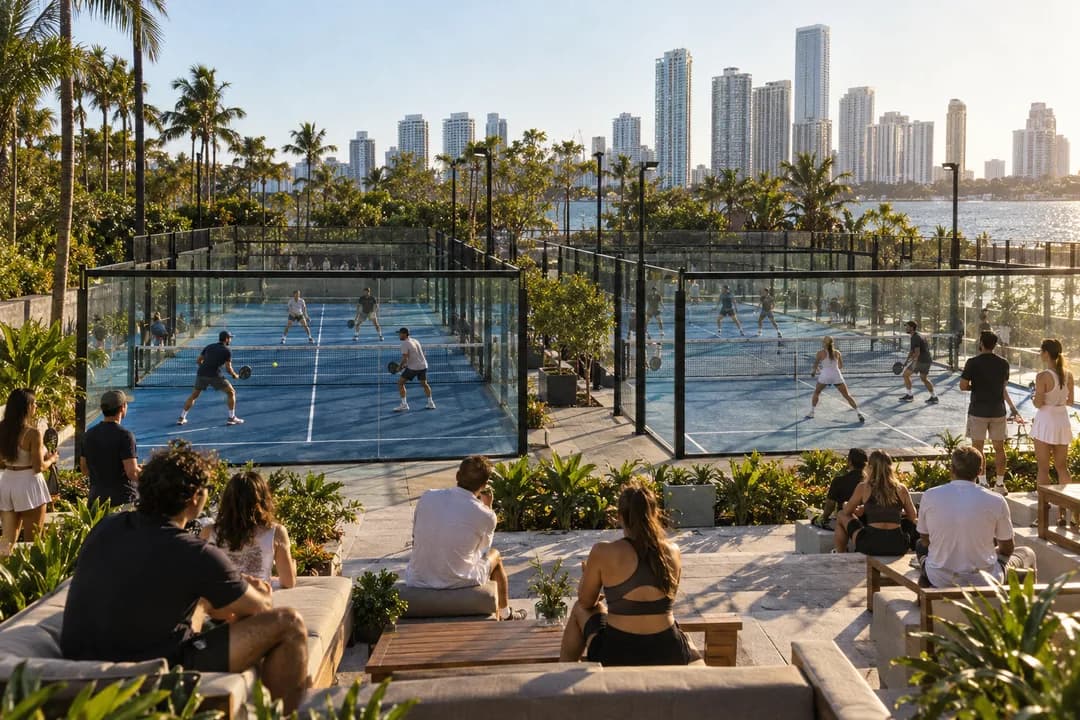
 Real Padel: Morning Padel Court Booking in Miami
Sports Social
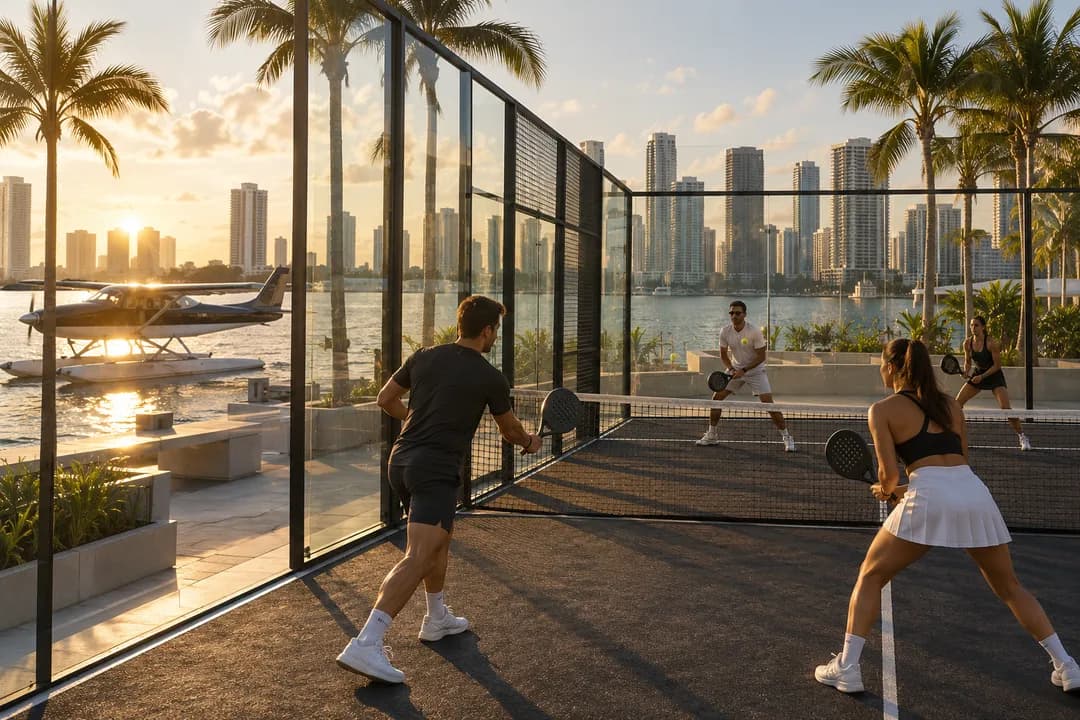
Reserve Seaplane: Sunset Padel Court Play on Watson Island
Reserve Padel Seaplane at 1000 MacArthur Causeway puts Miami skyline views beside a book-ahead court session, making sunset play feel unusually social.
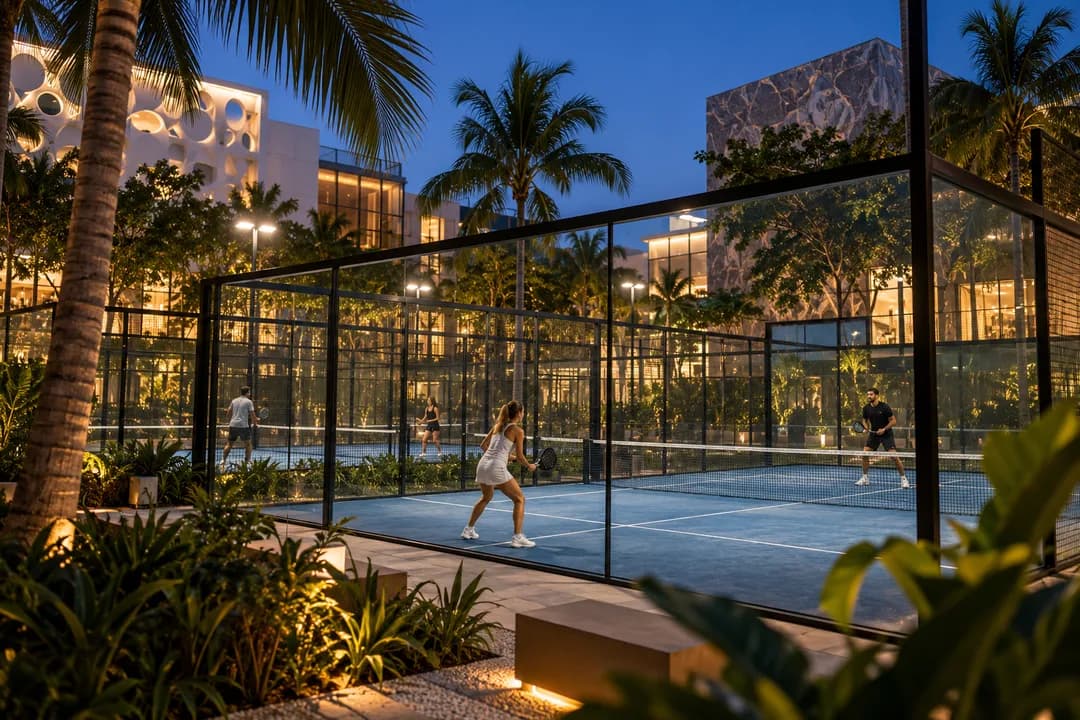
Reserve Padel Seaplane sits at 1000 MacArthur Causeway on Watson Island, where a padel court session comes with a view most Miami gyms cannot imitate. The official Reserve site lists the club phone as 786-279-0722 and sends players to its booking portal rather than treating court time as a casual walk-in. That distinction matters: the best arrival is the one you planned, with a racket, water, and a few minutes to take in the causeway traffic before the first serve. For anyone searching for a Miami padel court, this is the choice when the setting matters as much as the rally.
Book This Padel Court
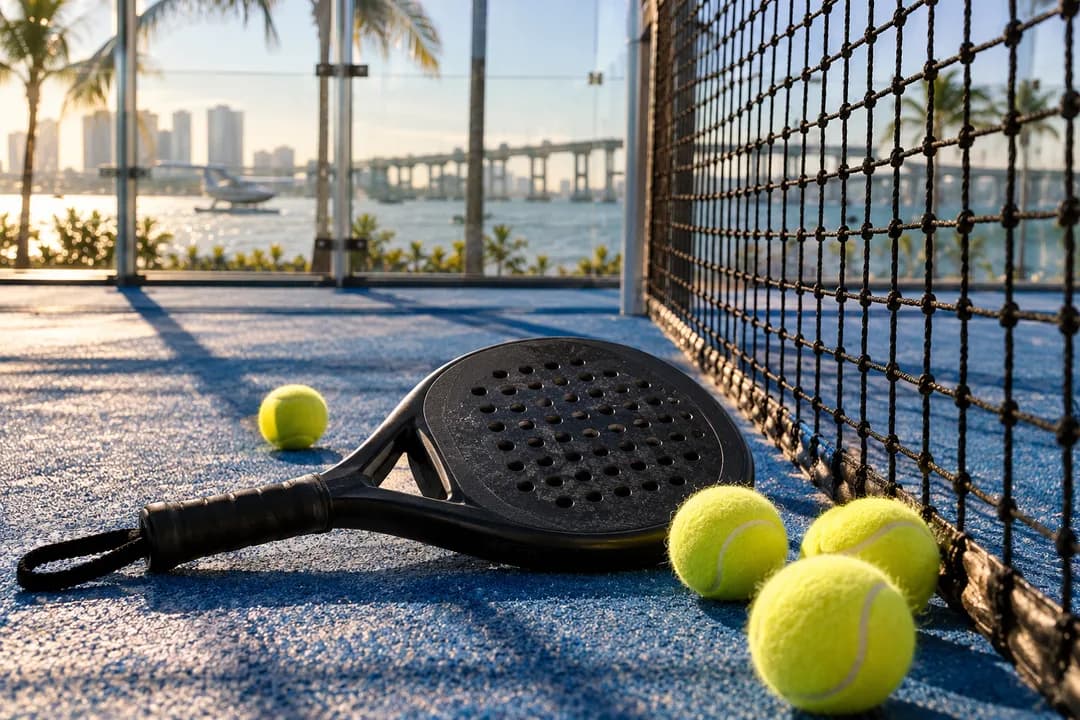
Plan the court before you cross the causeway
Use Reserve’s official Book Your Court route before leaving for Watson Island. The point is not to arrive and hope a court has opened; it is to choose a time, share it with your playing partners, and leave enough margin for Miami traffic on MacArthur Causeway. A first-time group should decide who is bringing rackets and balls before the day of play, because an unplanned equipment search can turn a relaxed sunset booking into a rushed start. If the portal shows the time you want, save the confirmation and treat it like the appointment it is.
The easiest way to avoid a slow first game is to arrive early enough to learn the court geometry. Padel is played inside glass and mesh, and the ball can stay alive after a bounce off the wall, so the opening minutes are better spent on controlled volleys than on full-power serves. Agree on a simple rotation before you step on court. One pair can rally while the others watch the rebounds, then everyone switches after a short warm-up. That small bit of organization keeps a new group from spending its booked time explaining turns.
What to order, bring, and skip
There is no need to invent a restaurant-style menu for this venue: the official Reserve pages center the visit on courts, clinics, lessons, memberships, and community. Bring water, a towel, and shoes that can handle quick lateral movement. A visor or cap helps in late afternoon light, but avoid anything that blocks your view of the glass. The thing to skip is arriving with a full evening itinerary that leaves no space after the match. Watson Island is most enjoyable when the court is the anchor and the skyline pause afterward is part of the plan.
For a first booking, choose a manageable session rather than trying to prove you can play for hours. Padel rewards patience, placement, and communication more than constant power. Call the score clearly, tell your partner when you are taking the middle, and let the glass do some of the work. The most satisfying point may be the one that starts as a defensive lob and turns into a controlled exchange. If someone in the group is new, let that player serve into a comfortable target before moving to competitive games; confidence grows quickly when the first ten minutes feel understandable.
Make a Watson Island afternoon of it
The Seaplane location works best as the middle of a small waterfront itinerary. Before the match, keep the route simple and arrive with time to settle in. Afterward, walk back toward the open views around the island rather than immediately disappearing into traffic. The causeway itself supplies the visual transition: boats, palms, and the Miami skyline replace the close focus of the court. This is not a neighborhood crawl packed with door numbers; it is a short change of scene that lets the match breathe and gives first-time players something to talk about besides the score.
A useful plan B is to move the session earlier if the group is worried about losing daylight or arriving during a traffic pinch. The game remains the main event, and the venue’s booking flow makes it easier to make a deliberate choice than to improvise at the gate. If a partner cancels, do not quietly add a stranger without checking the reservation rules. Instead, use the Reserve booking or contact route to adjust the plan. The good version of a Seaplane visit feels smooth before the first ball is struck.
Practical notes for Reserve Padel Seaplane
Address: 1000 MacArthur Causeway, Miami, FL 33132. Phone: 786-279-0722. The official location page identifies the Seaplane club and links it into Reserve’s court-booking system. Check the booking portal for the session slot you want, and keep the confirmation available when you arrive. Reserve’s broader site also lists clinics, private lessons, memberships, and a booking-and-cancellation policy, which is worth reading before a group pays for a slot. The court is the reason to come, but the location is the reason this particular booking feels different from a standard sports facility.
The best players to bring here are not necessarily the most advanced. Bring the friend who notices a skyline, the colleague who likes structured social plans, or the beginner who wants a sport that becomes conversational quickly. Set a meeting point, build in travel time, and make the first game cooperative. Then let the scenery and the glass walls create the memorable moments. Reserve Padel Seaplane is a strong Miami answer to a padel-court search when you want the activity to feel like an outing rather than a slot on a calendar. That balance is why a Seaplane session works for visitors and locals alike. The court creates a little focus, the water and skyline create a pause, and the group leaves with a shared memory that does not depend on anyone already being an expert.
Ask Karpo for more information.
Keep reading
- Real Padel: Morning Padel Court Booking in Miami
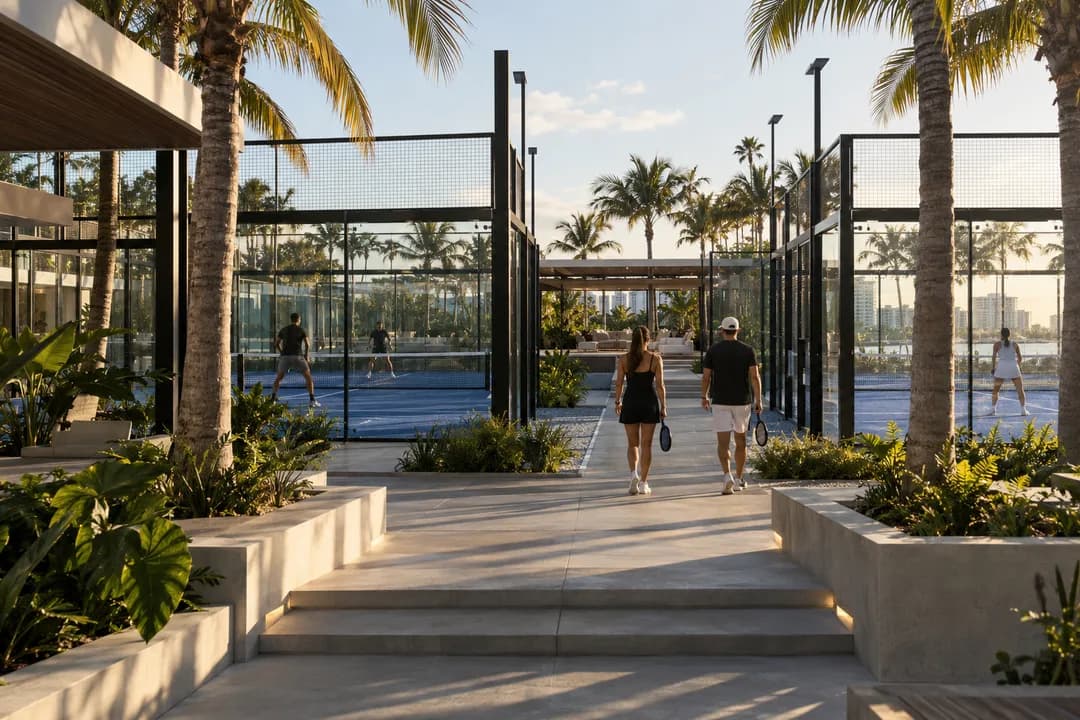 Reserve SoLé Mia Padel Court: Weekend Play Without the Wait
 Reserve Design: Evening Padel Court Play in Miami