 Wynwood Domino Set Gift Browsing Walk: Acrylic Designs
Hidden Gems & Odd Finds
Miami Oddities Shop: Weather Backup Plans That Still Work
Build a Miami oddities shop plan with a weather branch, indoor fallback, and firm return time. Compare options in Karpo while keeping the switch simple.
Weather belongs in the first line of a Miami oddities shop request. State your departure point, the time you can be out, and what happens if rain or heat makes a long walk unpleasant. Karpo can compare a primary browse with an indoor fallback while keeping the same object interest. A weather-aware plan is more useful than a list that assumes the forecast will cooperate.
Revise Without Starting Over
A weather-aware comparison can include a firm budget ceiling and a carry rule. Say whether you can manage only a small object in wet conditions or whether a car makes a larger parcel possible. Let Karpo rank the choices by those constraints. The assistant is helping you plan a decision . It is not confirming inventory, reservations, or packing service.
When conditions improve, ask for the smallest edit that restores the outdoor branch. Maybe the walk can lengthen by one block, the optional pause can return, or the finish can move closer to your original endpoint. A controlled restoration is better than discarding the whole plan and losing the useful research you already did.
Practical Notes For Stormy Days
Before you go, write both routes in plain language and mark the switch trigger. Keep the primary lead, backup lead, source phrase, visitor method, and return time together. If the evidence is incomplete, say that it is incomplete in your notes. The field card should make the decision easy without pretending that uncertainty has disappeared.
The right ending is a plan that remains enjoyable under imperfect skies. Ask Karpo to name the shortest weather-safe route to your chosen outcome, then tell it what you will do if neither branch fits. With a clear finish and a real fallback, a Miami oddities shop search can stay playful while respecting the forecast and your own limits. A branch is only helpful when you know the switch point. Write the condition in plain language, such as a storm arriving before the walk or energy dropping after the first stop. Then ask for the smallest edit that keeps your object goal alive. The plan remains yours even when the weather changes the route. The safest plan is the one you can explain while standing under an awning. Keep the primary lead, the indoor branch, and the switch condition together. If the forecast changes twice, shrink the route again rather than adding more options. A weather backup is not a consolation prize . It is a deliberate way to protect the object interest, the companion’s energy, and the time you promised to be home. Write the weather branch as a tiny script: if the walk is uncomfortable, switch to the indoor lead . If that lead lacks evidence, switch to the research question . If the clock slips, go home. Karpo can help phrase each step, but you remain the person choosing. A route that names its switches is easier to trust than a plan that relies on optimism about the sky. A weather branch is easier to use when its switch is visible. Keep the primary lead, indoor alternative, and return time in one note. If the walk becomes uncomfortable, remove the optional extension first. If the indoor lead leaves a key fact unanswered, save the question instead of forcing a purchase. The plan can still feel like an oddities outing because the object interest survived the change in movement. A clear switch protects companions from guessing and gives you a calm choice when the sky changes quickly.
Make Weather A First-Class Constraint
Describe the difference between your two branches. The main plan might include a short neighborhood walk and a tactile browse . The backup might favor a single interior destination or a research session. Ask the assistant to label which branch each suggestion serves. That simple distinction prevents an outdoor photo or temporary listing from being treated as a reliable rainy-day stop.
Reduce the decision to one anchor and one replacement. A storm plan that contains six possible stops is still fragile. Tell Karpo which category, material, or price ceiling must survive the change, and which part can move. The result should show what stays fixed when the weather changes, so you can act quickly instead of rebuilding the search in the car.
Separate Indoor From Outdoor
Ask for evidence next to the atmospheric description. If a lead sounds like a cabinet of curiosities, request the source wording, access mode, neighborhood, and unresolved question. A mood can guide discovery, but it cannot prove a public storefront, a current display, or a specific product. Keeping those layers visible makes the backup honest and easier to revise.
A useful weather branch includes a stopping time. Decide how long you will wait before abandoning the outdoor version, how far you will walk between dry places, and when you must start home. Put those numbers into the prompt as personal limits. They are not claims about a business . They are guardrails that keep the route usable when conditions change.
Keep The Decision Small
If the first response contains too many market-style results, ask for a narrower access label: indoor walk-in, appointment, timed event, or online research. Then ask for one result per label only if you truly want to compare them. This turns a pile of possibilities into a small table where the weather branch and the visitor method are easy to understand.
Use the Karpo APP as a conversation that can fork. Start with the rainy or hot scenario, read the first comparison, then ask which assumption made the indoor option win. You can replace the object family, shorten the radius, or keep the category while moving the finish. Each question should change one variable and leave the rest of the day recognizable.
Read The Evidence Beside The Mood
A companion’s comfort may determine the branch. Include whether someone needs frequent seating, prefers quiet interiors, or is carrying a bag. Those are useful planning inputs, but do not convert them into an accessibility promise about a candidate. Ask for a route that gives the group a clear place to pause and an easy way to leave if energy drops.
The backup should still feel like the same outing. If the original draw was botanical texture, request indoor surfaces, archival images, or a related design vocabulary rather than an unrelated attraction. If your goal was a gift, keep the recipient and size fixed. A thoughtful branch protects the reason you left home while changing the movement around it.
Give The Backup A Shape
Keep a storm note with three columns: what the source actually says, what you noticed, and what you still need to ask. Record the exact phrasing for access and temporary status. That record lets you return to the same leads later without assuming that an evocative image equals an invitation or that a dated page equals current availability.
Ask Karpo for more information.
Keep reading
- Wynwood Domino Set Gift Browsing Walk: Acrylic Designs
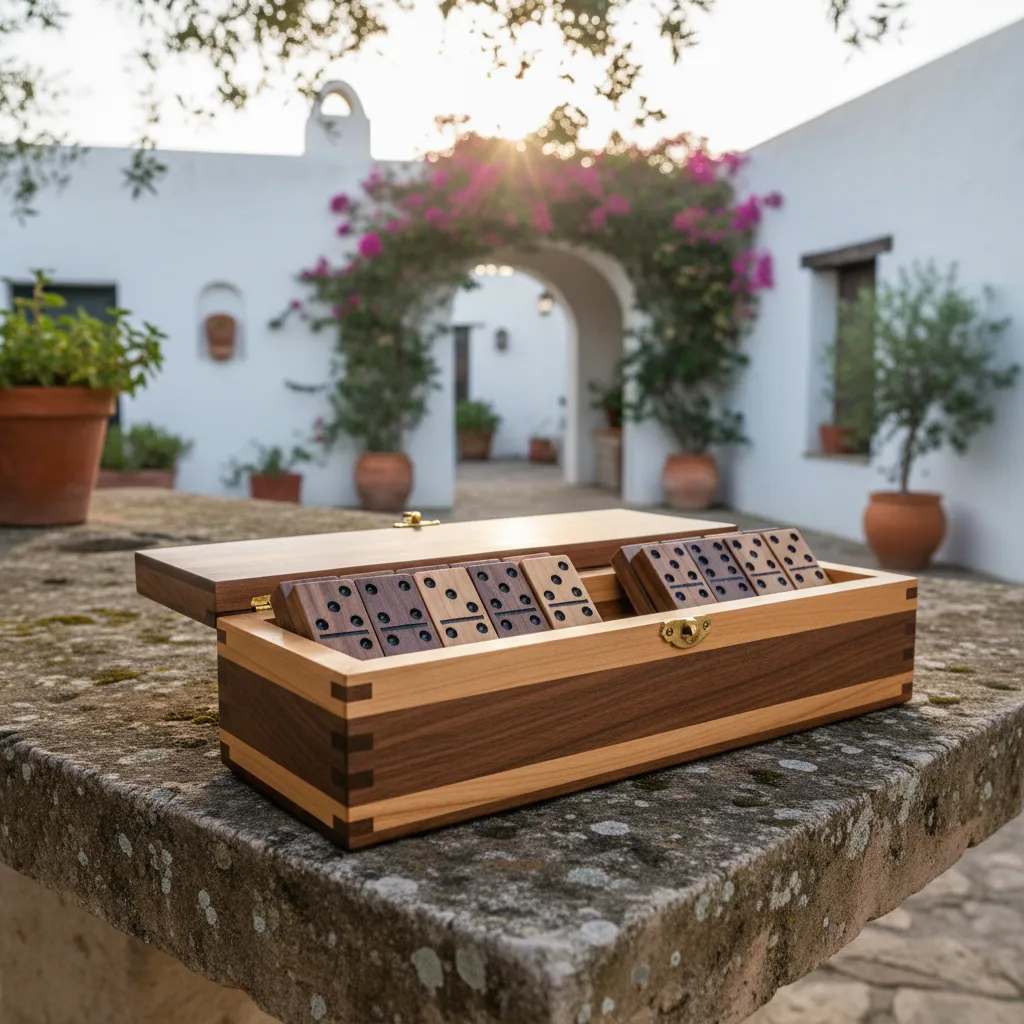 Coral Gables Domino Set Gift Browsing Walk: Wood Sets
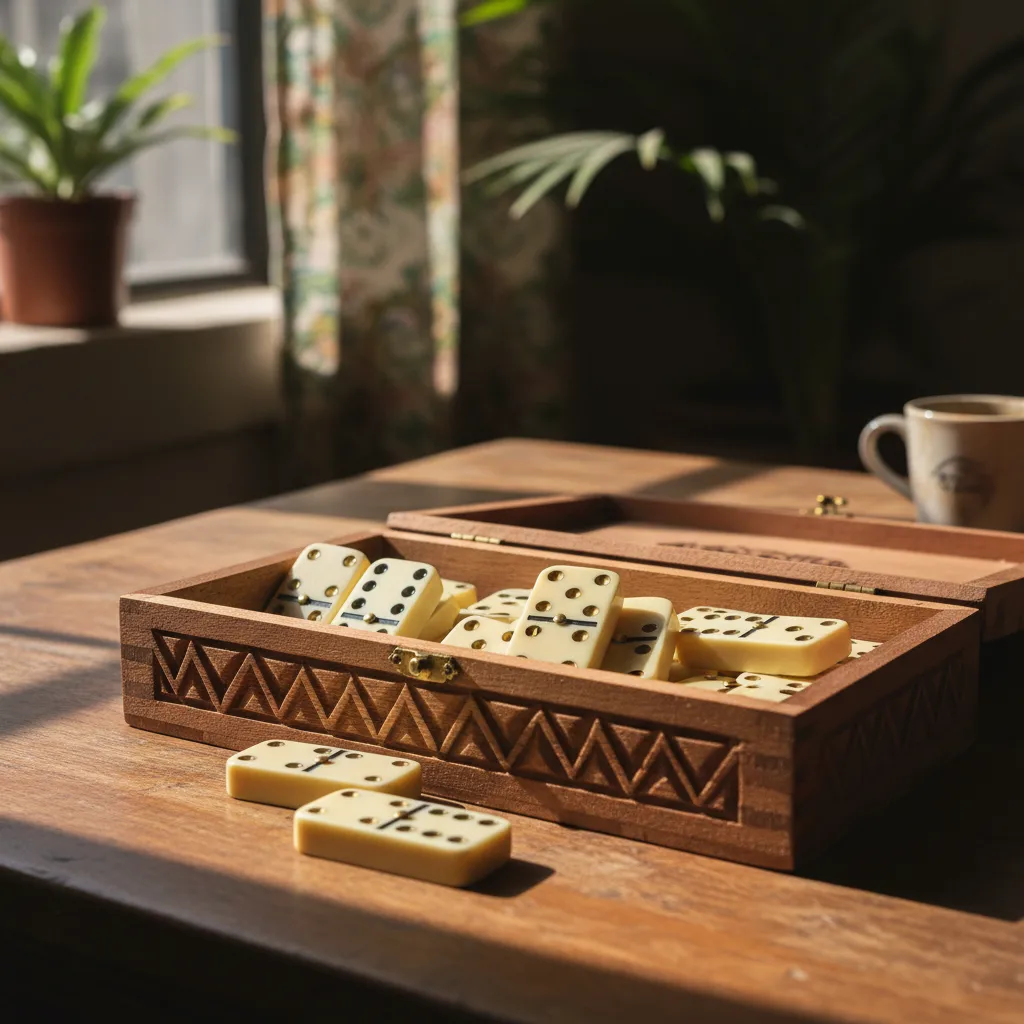 Little Havana Domino Set Gift Browsing Walk: Clay Tiles