 Soccer Bar Near Me in Brickell: Batch Gastropub's Screen-Lined Room
Watch Parties
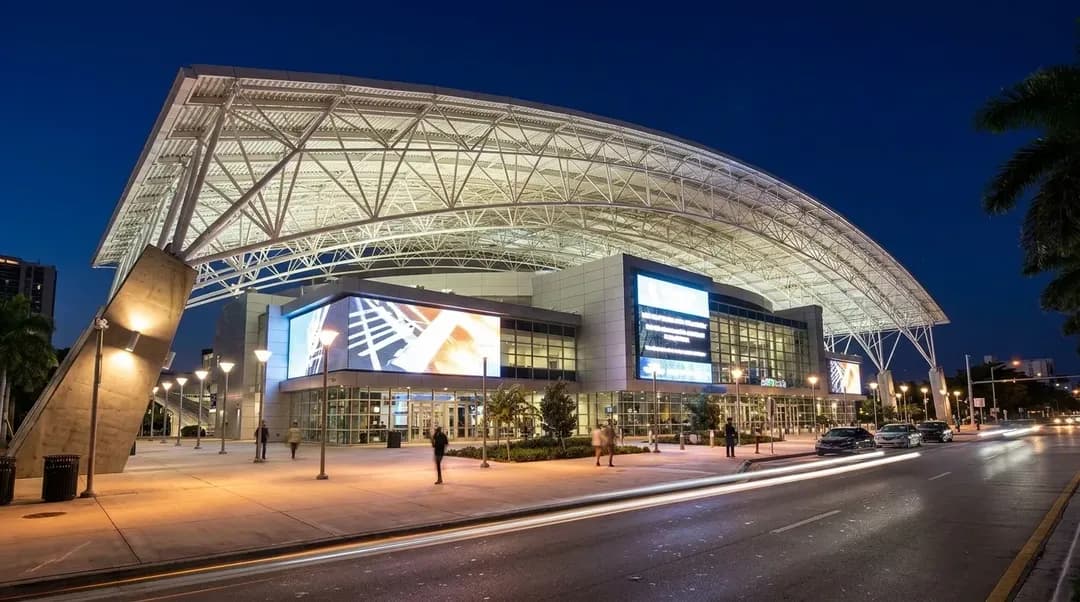
Miami Concerts This Fall: Arena Tours and Intimate Venues
Arena tours bring spectacle, but Miami's smaller rooms offer better sound and shorter rideshare waits after the show.
Someone opens their phone in August and types "concerts Miami" into the search bar, and the results split cleanly: either you're headed to Kaseya Center for a stadium production with lasers and a long merch line, or you're walking into a 300-capacity room in Wynwood where the artist is close enough to see their setlist taped to the floor. Both happen all fall in Miami, and both require completely different logistics. The arena tour delivers spectacle and air conditioning; the intimate venue gives you better sound, cheaper drinks, and the chance to leave without waiting thirty minutes for a rideshare pickup in a sea of other concertgoers.
Text Karpo before you commit to tickets. It'll check current venue schedules, give you a live route that skips causeway backups, and suggest a backup plan if storms roll in during your show.
Why People Search Arena Tours and Club Shows Together
Fall is when the touring calendar fills in Miami. Artists route through South Florida between festival runs, and venues from downtown to the beach start announcing multi-night residencies and one-off club dates. The search term "concerts miami arena tours" spikes in September as national acts announce winter legs, while "concerts miami intimate venues" stays steady year-round because local bookers never stop filling small rooms. If you're deciding between the two, the friction points matter more than the ticket price: arena shows mean causeway traffic if you're coming from the beach, long security lines, and assigned seats far from the stage unless you pay for VIP. Intimate venues mean general admission, earlier load-in times, and the risk that the room will be hot and packed by the time the headliner goes on at eleven.
Little Haiti's Venue Landscape and What It Tells You
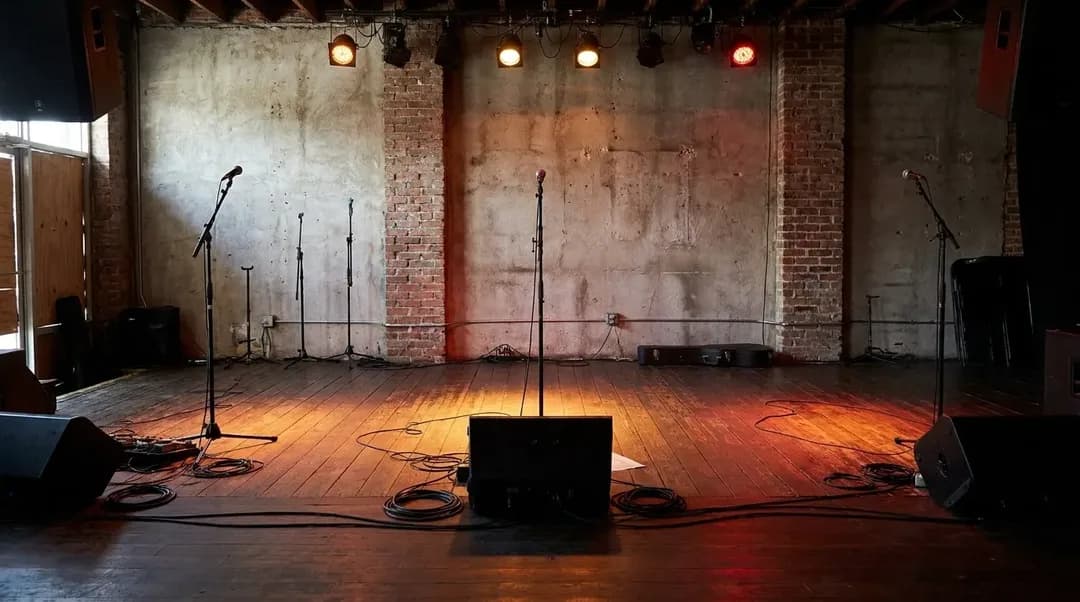
Little Haiti doesn't have a major concert hall, but it sits between the venues that do. Drive south ten minutes and you're at the Kaseya Center downtown; head east and you hit the beach clubs in fifteen if traffic cooperates. What the neighborhood does have is a cluster of small bars and cultural spaces that book local acts and occasional touring artists who want a room that feels like a living room. The advantage of starting your night in Little Haiti is that you're close enough to multiple venue zones without committing to any single traffic pattern, and if you're meeting friends before a show, the neighborhood has street parking that doesn't cost twenty dollars.
The bigger lesson is geographic: Miami's concert ecosystem spreads across causeways, highways, and neighborhoods that don't connect cleanly by transit. If you're seeing an arena show downtown, you're dealing with parking garages that fill two hours before doors, or you're arranging a rideshare pickup on Biscayne Boulevard where the pin never quite matches the curb. If you're headed to a smaller venue in Wynwood or Allapattah, you're navigating one-way streets and hoping the lot next door isn't already at capacity. Little Haiti's position in the middle makes it a useful anchor for pre-show dinner or a place to regroup if your original plan falls apart because of weather or a sold-out show.
Timing the Doors, the Opener, and the Drive Home
Concerts in Miami start later than the posted door time, and the gap between doors and the headliner can stretch to three hours if there are two openers. Arena shows typically open doors at seven, but the main act won't hit the stage until nine-thirty or later. Intimate venues often list doors at eight or nine, with the headliner starting closer to eleven. That timing matters because Miami's afternoon rain usually clears by six, but if you're planning to arrive right at doors for an outdoor or semi-outdoor venue, check the radar before you leave. A sudden storm at seven means everyone who drove will sit in their cars in the parking lot, and everyone who took a rideshare will be stuck under an awning with no dry way home.
The other timing issue is the drive home. Arena shows let out all at once, and the rideshare pickup zone turns into a forty-minute wait as drivers try to navigate closed streets and event traffic. If you drove, expect to sit in the garage exit line for twenty minutes. Smaller venues stagger the exit—people leave after the headliner's last song, during the encore, or stick around for one more drink—so the crush is less severe, but you're still competing for the same pool of drivers. The best move is to walk a few blocks away from the venue before you request a ride; the pin will be clearer and the wait shorter.
Bridge timing is its own problem. If your show is downtown and you're staying on the beach, you're crossing the MacArthur or Venetian Causeway at midnight or later, and both routes slow down if there's an accident or late-night construction. Build in an extra fifteen minutes, and if you're the driver, stay sober or hand the keys to someone who is. If you're taking a rideshare, confirm the pickup point with your driver by text; the app's default pin often drops you on the wrong side of a divided boulevard.
The Case for Skipping the Headliner and Catching the Opener
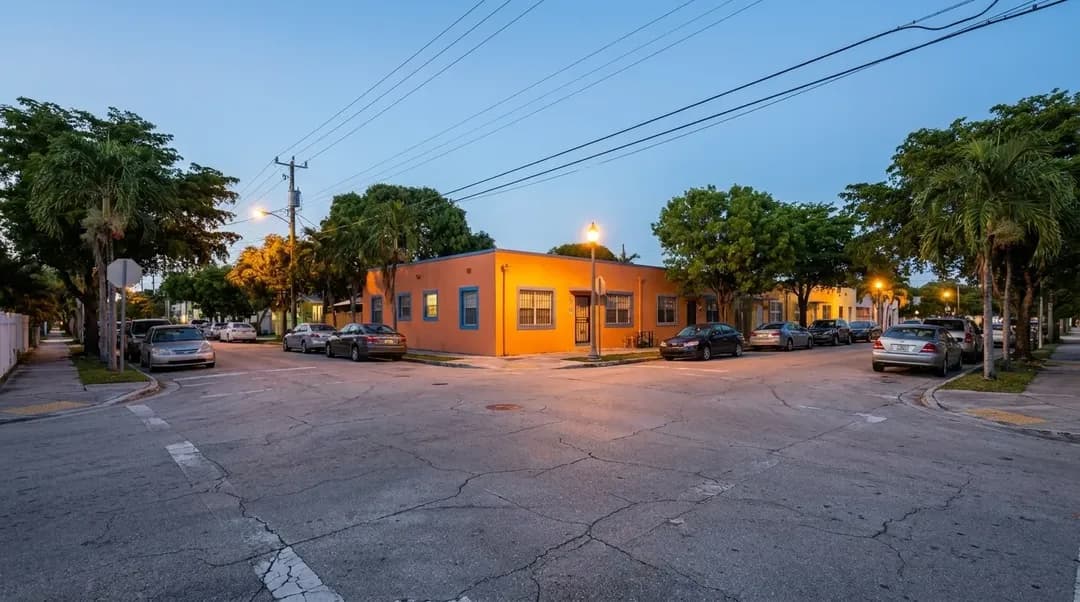
Not every concert requires staying until the house lights come up. If you're curious about an artist but not committed, or if you're trying to avoid the post-show scrum, go early and leave after the opener. Openers at arena shows usually play a tight thirty-minute set with no encore, and you'll be out the door by eight-thirty while everyone else is still buying beer. At intimate venues, the opener often plays to a half-full room, which means you can stand close, get a feel for the sound, and decide whether you want to stay or bail before the crowd thickens.
This strategy works especially well in fall when Miami's event calendar overlaps: you might have a gallery opening in Wynwood at seven, a concert opener at eight-thirty, and a late-night DJ set at a beach club at midnight. Treating the opener as the main event lets you sample the night without committing four hours to a single room. It also reduces the logistical load—you're not dealing with peak traffic, you're not fighting for the last rideshare, and you're not standing in a packed venue at eleven when the AC can't keep up.
Where to Check Listings and Confirm the Show Is Happening
Miami concert listings scatter across venue websites, ticket platforms, and Instagram accounts, and none of them update in real time. The most reliable approach is to go directly to the venue's own page the day of the show and confirm doors, ticket availability, and any last-minute changes. Storms, artist illness, and routing problems all cause cancellations, and you won't always get an email if you bought tickets secondhand. If the venue has a phone number, call an hour before you leave; if they only list social media, check their story for updates.
For arena tours, the big venues—Kaseya Center, FTX Arena before the rename chaos, and the occasional Hard Rock Stadium show—post schedules months in advance, but openers and set times shift. For intimate venues, the lineups can change the week of the show, and smaller rooms sometimes add secret late-night sets that only get announced the day before. If you're planning around a specific artist, search their name plus "Miami" on the day you're going out, and cross-reference what you find with the venue's official page. Don't rely on a months-old event listing or a screenshot someone posted in August.
The other thing to verify is whether the show is all-ages, eighteen-plus, or twenty-one-plus. Arena shows are usually all-ages, but intimate venues often restrict entry, and the policy isn't always clear on the ticket. If you're planning a group outing and someone in your party is under twenty-one, confirm before you buy. Also check whether the venue allows re-entry; some smaller rooms stamp your hand and let you step outside, others lock the door once you're in.
Practical notes
- Doors open 1-2 hours before the headliner; check the venue's page the day of the show for exact timing.
- Arena parking fills early; arrive 30-45 minutes before doors or plan a rideshare pickup point several blocks away.
- Afternoon rain usually clears by 6 PM, but check radar if your show has outdoor elements or an open-air queue.
- Intimate venues get hot and crowded; bring cash for coat check and plan to step outside between sets.
- Causeway traffic peaks after midnight; budget an extra 15 minutes if you're crossing to the beach.
- If you're drinking, arrange a sober driver or rideshare before the show ends—pickup waits stretch to 40 minutes after arena events.
- Verify ticket policies (age restrictions, re-entry, will-call) directly with the venue before you leave.
Tags: #karpo #miami #miamimusic #concerts #livemusicmiami #arenatours #intimatevenues #wynwood #littlehaiti #kaseyacenter #miamibeach #watchparties #fallconcerts #miaminights #concertlogistics
Sources consulted: Kaseya Center official site · Miami New Times music calendar · National Weather Service Miami
Please drink responsibly. Must be of legal drinking age.
All trademarks are the property of their respective owners.
Ask Karpo first
Text Karpo the name of the artist or venue and ask for current showtimes, parking options near the venue, and a live route that avoids causeway backups. It'll also suggest a nearby spot for a pre-show drink and confirm whether the venue allows re-entry if you need to step out.
Ask Karpo for more information.
Keep reading
- Soccer Bar Near Me in Brickell: Batch Gastropub's Screen-Lined Room
 Soccer Bar Near Me: Brickell's Riverfront Room Opens Early
 Soccer Bar Near Me: Coral Gables' Beer Hall Turns Match Room